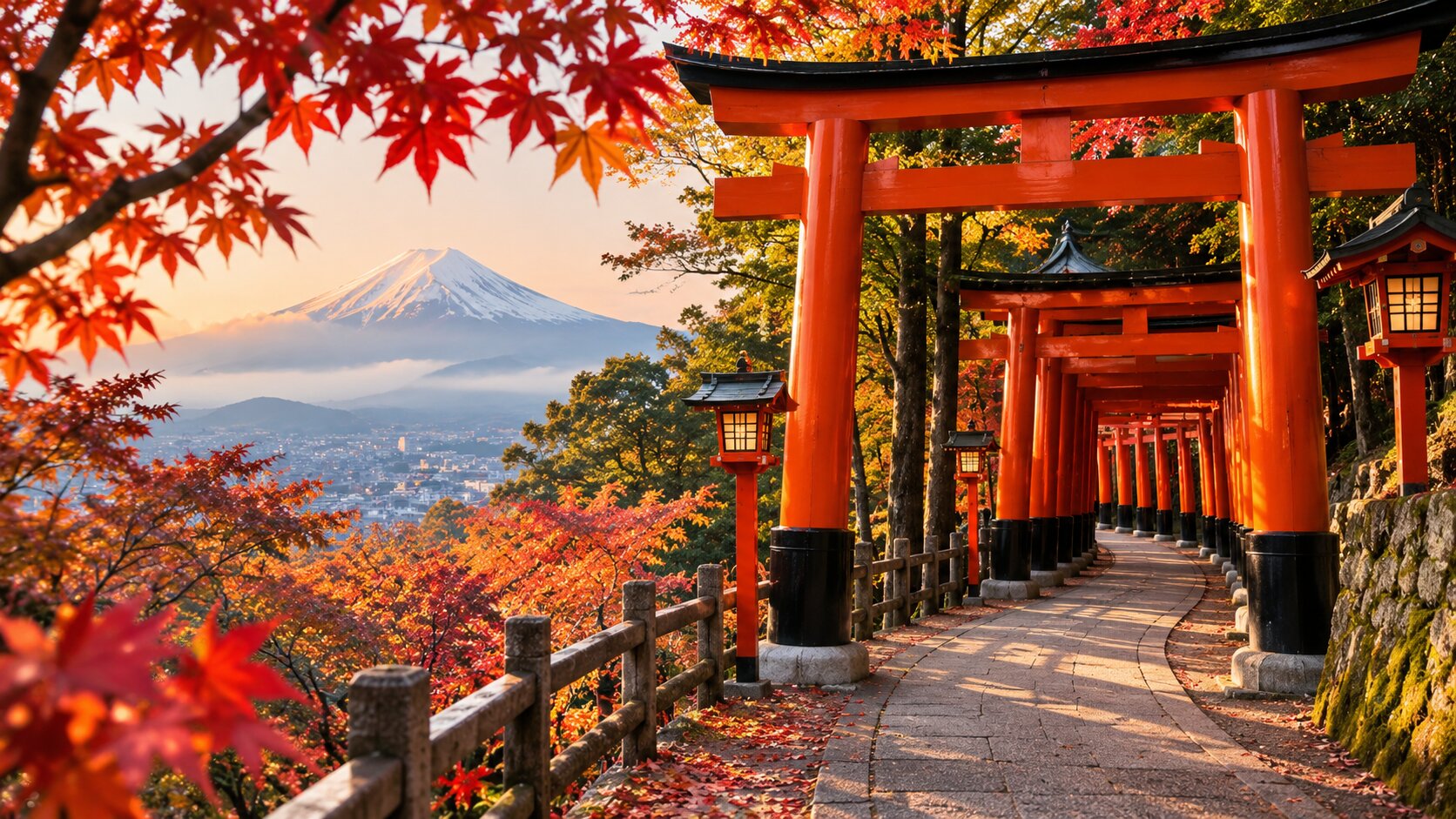
Japan welcomed a record 36.87 million international visitors in 2024, then surpassed that figure again in 2025, reaching approximately 42.68 million arrivals. As visitor numbers continue to rise, the country has introduced several changes in 2026. Admission fees are higher at some attractions, certain destinations have introduced visitor restrictions, and new shopping tax rules affect international travellers.
None of that makes Japan less worth visiting. It does mean the trip you plan today looks different from the one a friend took three years ago.
This guide to the best places to visit in Japan covers ten destinations that deserve a spot on a first or second trip, in an order that makes sense geographically. It also explains the 2026 fees, visitor rules, seasonal conditions and practical details you need before booking.
Prices and regulations in this guide are checked as of November 18, 2026. They can change, so confirm important details with the official sources before travelling.
Quick Guide: 10 Best Places to Visit in Japan
| Destination | Recommended Stay | Best For |
|---|---|---|
| Kyoto | 3 days | Temples, traditional streets and culture |
| Tokyo | 3–4 days | Shopping, food and modern attractions |
| Mount Fuji and Kawaguchiko | 1–2 days | Mountain views and onsen |
| Himeji Castle | Half or full day | Japanese history and architecture |
| Hiroshima and Miyajima | 1–2 days | History and island scenery |
| Nara | Half or full day | Deer park and historic temples |
| Osaka | 2 days | Food, nightlife and shopping |
| Hakone | 1–2 days | Hot springs and mountain scenery |
| Kanazawa and Shirakawa-go | 2 days | Traditional Japan and winter scenery |
| Hokkaido | 3–5 days | Snow, nature and summer flower fields |
Before You Book: What Changed for Visitors in 2026
Most of Japan’s 2026 changes concern money, shopping and visitor behaviour rather than general entry restrictions. Knowing them in advance can help you avoid unexpected expenses.
Visa requirements for Bangladeshi travellers
Bangladeshi passport holders need a visa before travelling to Japan. There is no visa on arrival for ordinary Bangladeshi tourists.
Since November 3, 2024, Japan visa applications in Bangladesh have been handled through VFS Global rather than directly by the Embassy of Japan. The visa examination fee is free for Bangladeshi nationals, although a VFS service fee applies.
Check the Embassy of Japan in Bangladesh and VFS Global Japan Bangladesh for current application requirements.
International Tourist Tax
Japan increased its International Tourist Tax from ¥1,000 to ¥3,000 per person departing the country from July 1, 2026.
The tax is generally included in the airfare, so most travellers do not need to pay it separately at the airport. Transitional arrangements may apply to eligible tickets issued before June 30, 2026.
Tax-free shopping
Japan changed its tax-free shopping system on November 1, 2026.
Previously, eligible international visitors could purchase goods without paying consumption tax at participating stores. Under the new refund method, visitors pay the tax-inclusive price first and receive the eligible tax refund after customs confirms that the goods are being taken out of Japan.
Purchases of at least ¥5,000 before tax per store per day generally qualify. Keep your receipts and passport together, and allow enough time for customs procedures before departure.
JESTA travel screening
Japan has passed legislation for its planned electronic travel authorisation system, known as JESTA. However, it is not a requirement for ordinary tourists travelling in November 2026. Check official Japanese government announcements before any future trip rather than assuming that the proposed system is already operating.
Two-tier admission pricing
Some Japanese attractions now charge non-residents more than local residents. Himeji Castle is one of the clearest examples. The new pricing is based on residency rather than nationality, so foreign residents of Himeji can qualify for the local rate.
Kyoto accommodation tax
Kyoto introduced a revised five-tier accommodation tax on March 1, 2026. Depending on the accommodation price per person per night, the tax ranges from ¥200 to ¥10,000.
Luxury hotel guests can face the highest rate, while lower-priced accommodation remains subject to smaller charges. Check whether the tax is included in your quoted room price.
Visitor behaviour and local fines
Some Japanese cities have tightened rules on public drinking, smoking and photography.
In Shibuya, drinking alcohol in public spaces within the designated area is prohibited from 6 pm to 5 am throughout the year. In Kyoto, visitors must respect private property in Gion and follow local photography restrictions. Violations of local rules can result in penalties.
One useful rule is simple: treat residential streets as places where people live, rather than as photography sets.
These changes can add to the cost of a trip, particularly if you visit several expensive attractions or stay in luxury accommodation. Keep a small contingency in your budget.
Kyoto: Fushimi Inari, Higashiyama and Gion
Kyoto is still the reason many people come to Japan, and it is the city most strained by its own popularity. The solution is timing, not avoidance.
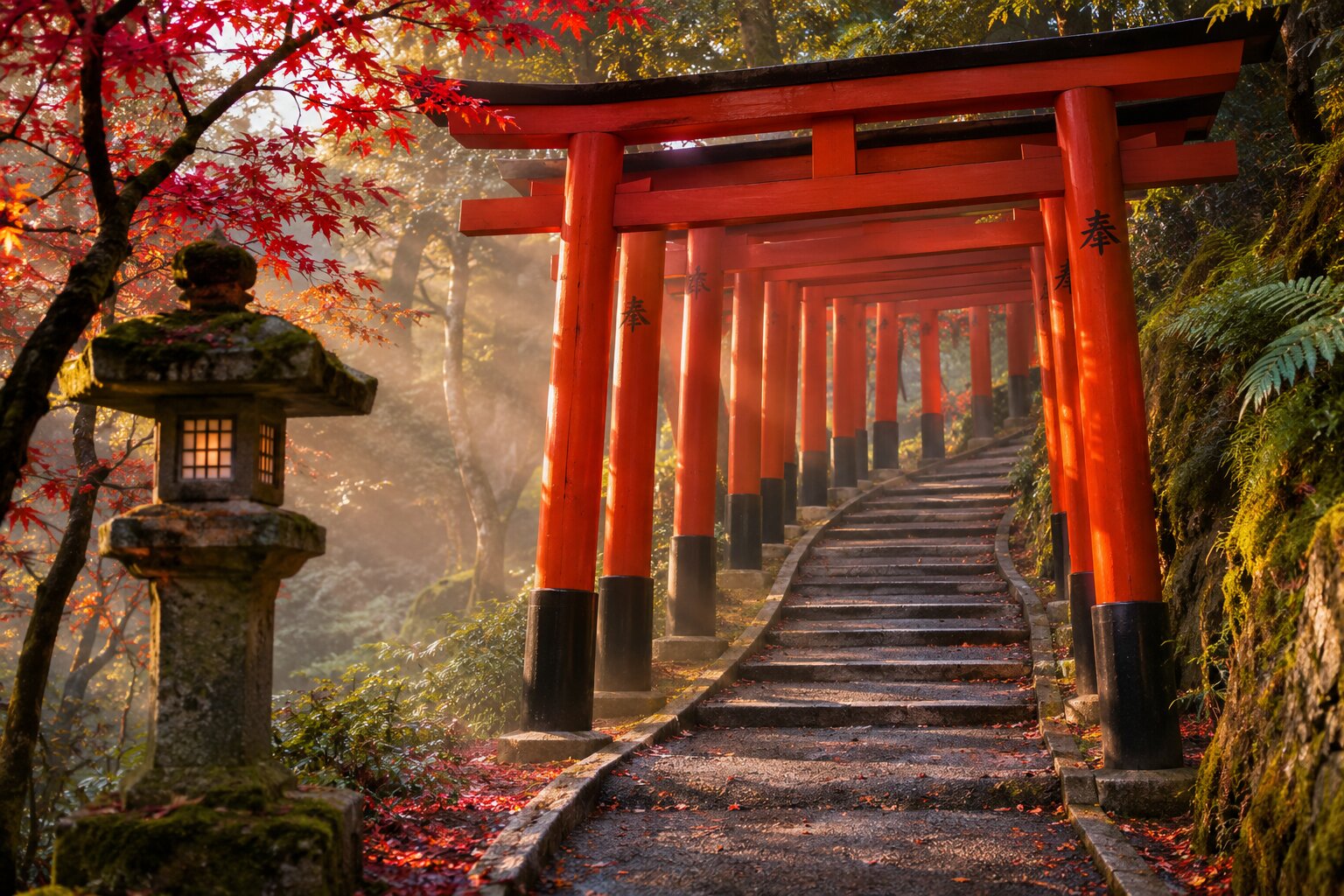
Fushimi Inari Taisha is free and open around the clock. Thousands of vermilion torii gates climb the slope of Mount Inari, and most visitors turn around after the first crowded stretch near the base. Keep walking. The crowd thins quickly, the gates get quieter, and the view back over Kyoto is the actual reward. Go at first light, or in the evening when the lanterns come on.
Higashiyama is the old hillside district: the wooden stage of Kiyomizu-dera, the stepped lanes of Sannenzaka and Ninenzaka, and a walk down to Yasaka Shrine and Gion. Start early and walk downhill, so the tour groups are moving against you rather than with you.
Gion deserves a rule of its own. Its narrow back lanes include private property where people live and work. Do not enter restricted areas, follow geiko or maiko for photographs, or take pictures where signs prohibit photography. Stay on the main streets and respect the privacy of residents.
Autumn colour in Kyoto usually runs from mid-November into early December, which makes it the busiest and most expensive stretch of the year. If your dates are flexible, early April and the first half of November can be easier to enjoy than the peak weeks.
The new accommodation tax also makes it worth comparing hotel prices carefully. A cheaper-looking room may have additional charges at checkout.
Tokyo: Asakusa, Shibuya and the Beauty-Shopping Districts
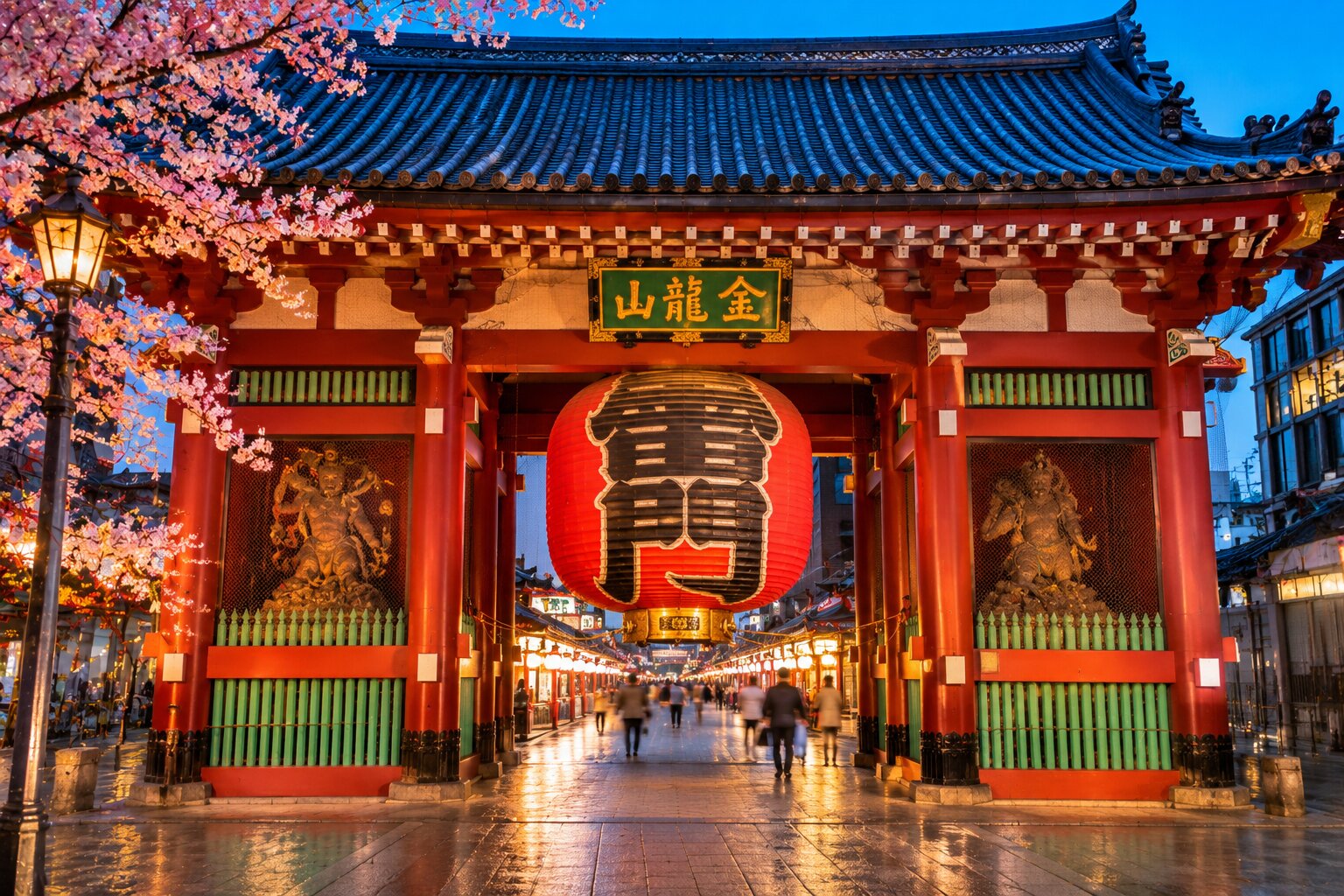
Tokyo is too large to "do". Pick three neighbourhoods and let the rest go.
Asakusa is the city’s oldest-feeling corner. Senso-ji, one of Tokyo’s most visited temples, is free to enter, and the approach along Nakamise Street is lined with snack stalls and souvenir shops. Arrive before nine and you get the temple with fewer crowds. By midday it becomes a slow shuffle.
Shibuya is the Tokyo of postcards: the scramble crossing, the towers, and the rooftop views at dusk. It is worth one evening, and the crossing looks best from above rather than from inside the crowd.
Remember that drinking alcohol in public spaces around Shibuya Station is prohibited between 6 pm and 5 am. The restriction applies throughout the year.
Harajuku, Omotesando and Ginza are where Tokyo earns its reputation for beauty and style. Harajuku has youth fashion and crepe queues, Omotesando has impressive architecture and quieter cafés, and Ginza has department-store beauty halls where counter staff can help match products to your skin type.
For everyday finds, Japanese drugstores are the real prize. For planning your journey, see our guide to best travel backpacks for men and travel handbags for women. Sunscreens, cleansing oils, sheet masks and lip care are available at prices that can be attractive compared with many overseas markets.
This is where the November 2026 tax change matters. You now pay the full price at the till and claim the eligible consumption tax refund after customs inspection when leaving Japan. Keep your receipts and allow extra time at the airport. A pair of noise-cancelling earbuds for travel can also make long airport waits more comfortable.
Tokyo is also expected to introduce its own accommodation tax from April 2027. Check the latest city announcement when booking stays for 2027.
For more skincare shopping ideas, see our guide to skincare trends worth buying in winter 2026.
Mount Fuji and Kawaguchiko
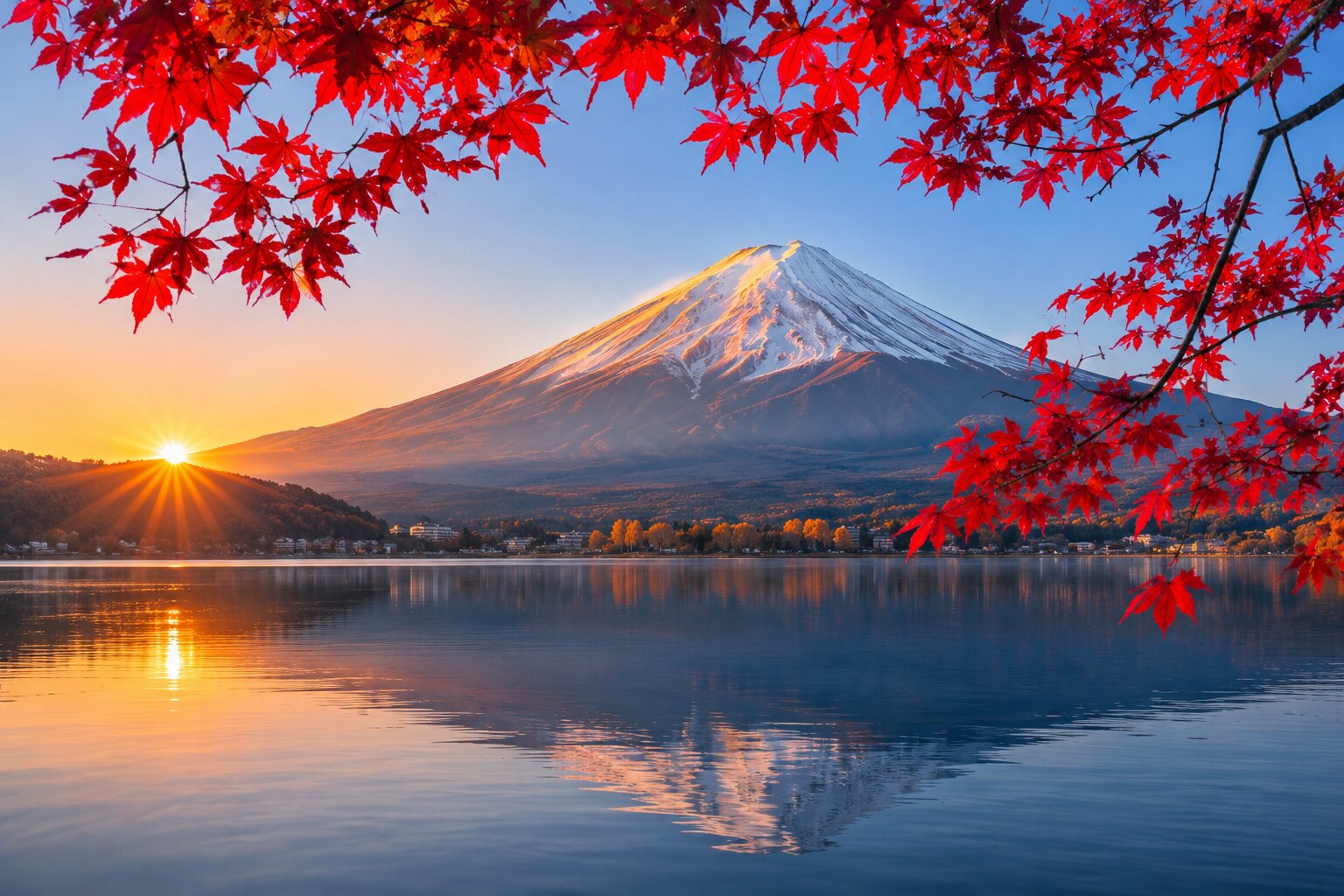
Fuji is the one place where Japan’s climbing rules are strict enough to change your plan, so read this section before booking anything.
If you want to climb, the official 2026 season runs from July 1 to September 10 on the Yoshida Trail. The hiking fee is ¥4,000 per person per climb. Reservations and advance payment are available through the official climbing system.
The popular Yoshida Trail has a daily limit of 4,000 climbers. Its fifth-station gate closes from 2 pm to 3 am, except for climbers with qualifying mountain hut reservations. These restrictions are intended to reduce dangerous overnight climbs, commonly known as "bullet climbing".
Climbing outside the official season is prohibited on the restricted routes. Always check the official rules for the particular trail you plan to use.
Most visitors should not climb at all, and that is fine. The better trip is to stay by Lake Kawaguchiko and watch the mountain from the water, from the hillside at Chureito Pagoda, or from a lakeside onsen.
The clearest skies are usually from late autumn through winter, and mornings often offer better visibility because clouds can build as the day warms.
Fuji is photogenic, and it is also fickle. Give yourself two nights so one cloudy day does not cost you the view. A reliable power bank with built-in cables is useful when you are navigating and taking photos throughout the day.
Himeji Castle
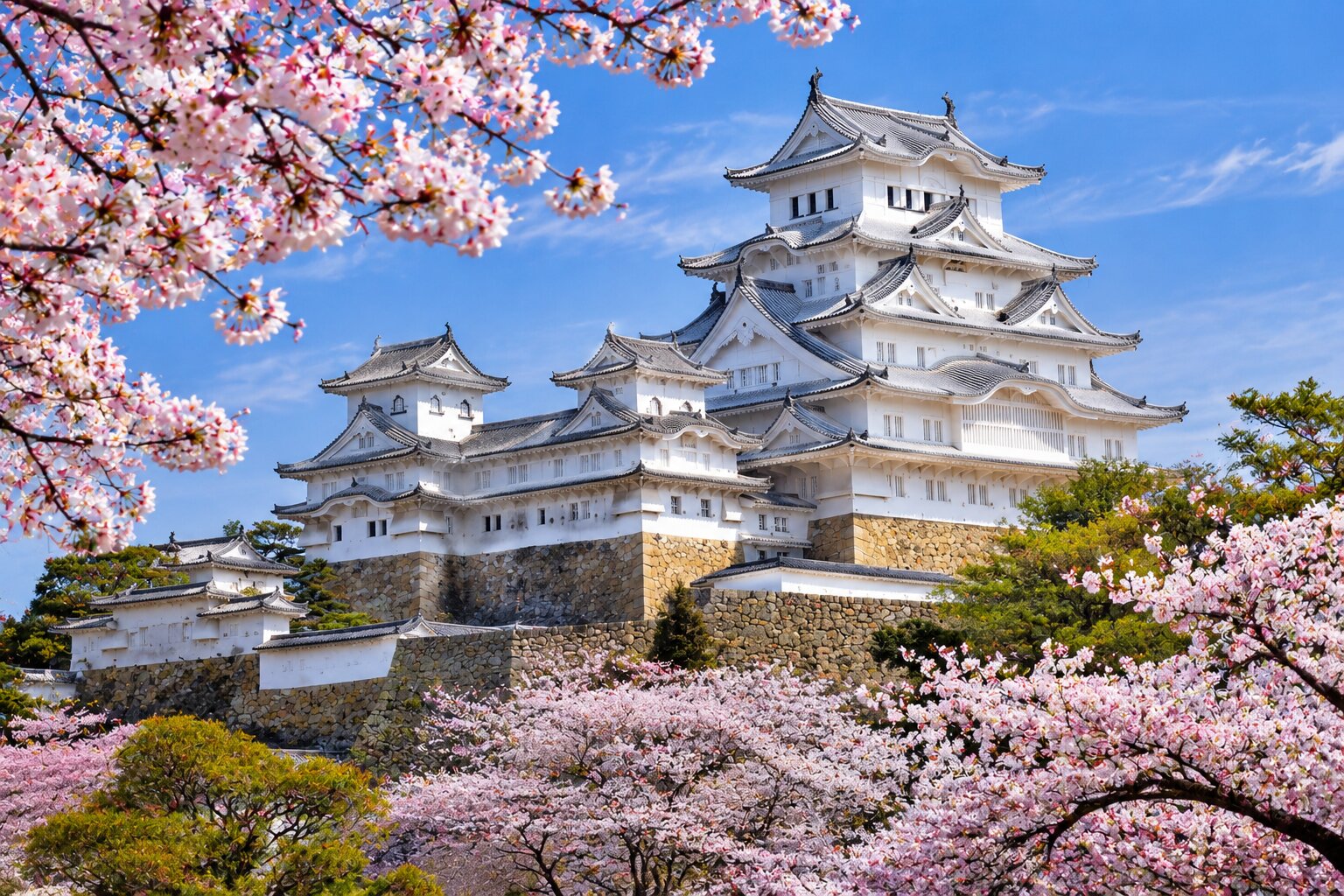
Himeji is one of the best-preserved original castles in Japan and a UNESCO World Heritage Site. It is nicknamed the White Heron for its bright white walls.
Unlike many Japanese castles that were reconstructed after wars or fires, Himeji Castle retains much of its original historic structure. You climb steep wooden stairs in your socks, through timber interiors that once served the castle’s defenders.
Since March 1, 2026, non-resident adults pay ¥2,500 to enter, while Himeji city residents pay ¥1,000. Admission is free for visitors under 18. The price is based on registered residency, not nationality, so foreigners who live in Himeji can qualify for the local rate.
The higher admission charge helps fund maintenance, preservation and improvements to the historic site.
Himeji is about half an hour from Osaka by Shinkansen, making it an easy day trip. Go in the morning, then walk to the neighbouring Koko-en Garden before heading back. A combined castle and garden ticket costs ¥2,600 for adults.
Cherry blossom season in late March and early April is spectacular and correspondingly crowded.
Hiroshima and Miyajima
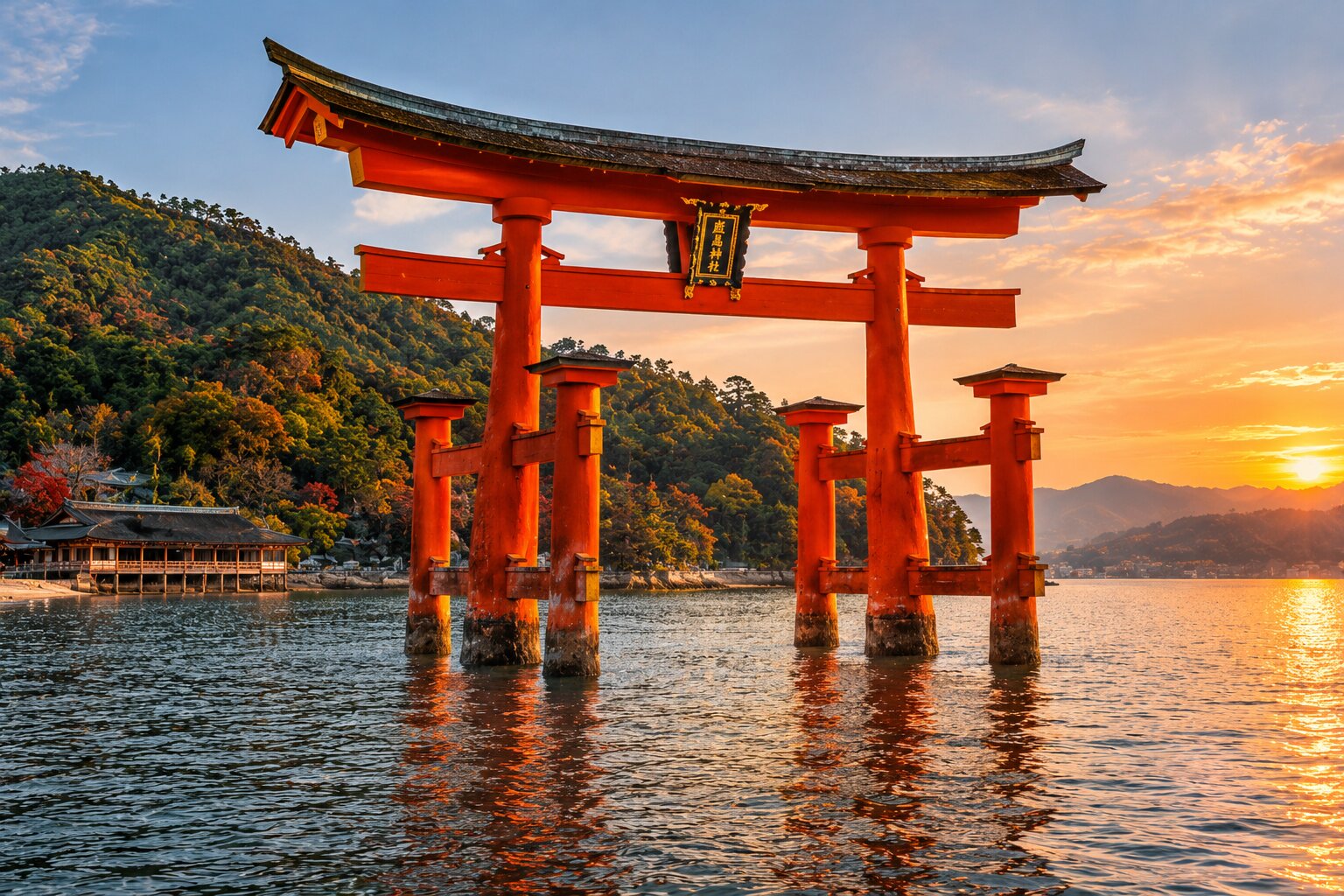
Hiroshima is the most emotionally weighty stop on this list, and the one visitors often say they are glad they made.
The Peace Memorial Park and Museum documents the 1945 atomic bombing with restraint and detail. The A-Bomb Dome, left as a ruin beside the river, is a UNESCO World Heritage Site.
Give the museum a proper two hours, move through it without rushing, and expect to be quiet afterwards. It is not a photo stop.
Then take the tram and ferry to Miyajima, an island under an hour away. Its Itsukushima Shrine seems to float at high tide, with the great torii gate standing in the sea.
At low tide the water drains away and you can walk out to the gate on the sand, so check the tide table and see both versions if you can stay late.
A small visitor tax is collected for the island, so keep a little cash ready.
Eat Hiroshima-style okonomiyaki, layered with noodles rather than mixed into the batter, and the island’s grilled oysters if seafood suits you. Hiroshima also works as a base for exploring the quieter side of the Seto Inland Sea.
Nara
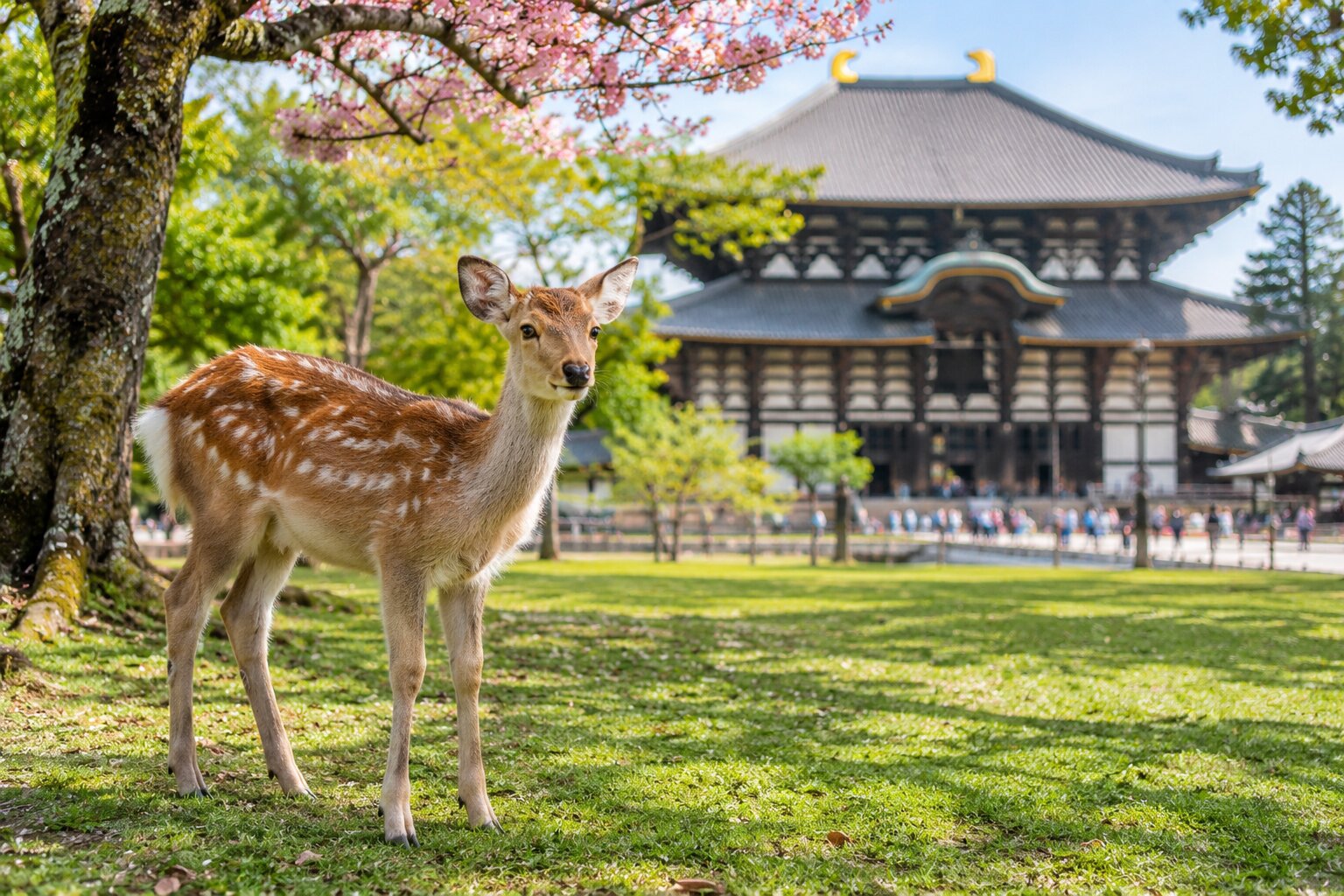
Nara was Japan’s capital more than twelve centuries ago, and it wears its age lightly. The whole centre fits inside a walkable park where wild deer roam freely and bow for crackers.
Todai-ji is the reason to come. Its Great Buddha Hall is among the largest wooden buildings in the world, and the bronze Buddha inside is so large that photographs flatten it. Stand in front of it for a while before you reach for your phone.
Then walk up to Kasuga Taisha, where thousands of stone and bronze lanterns line the forest paths.
A word about the deer. They are wild animals, not pets. Buy the official deer crackers from the vendors, hold them calmly, and never tease the animals with food you are not about to give. A hungry deer may nip, tug at bags and eat paper maps. Keep snacks hidden and you will have a more peaceful visit.
Nara is a comfortable half-day from Kyoto or Osaka by train, usually under an hour each way. Go in the morning, before the tour buses arrive, and have lunch in the narrow streets of the old Naramachi quarter.
Osaka
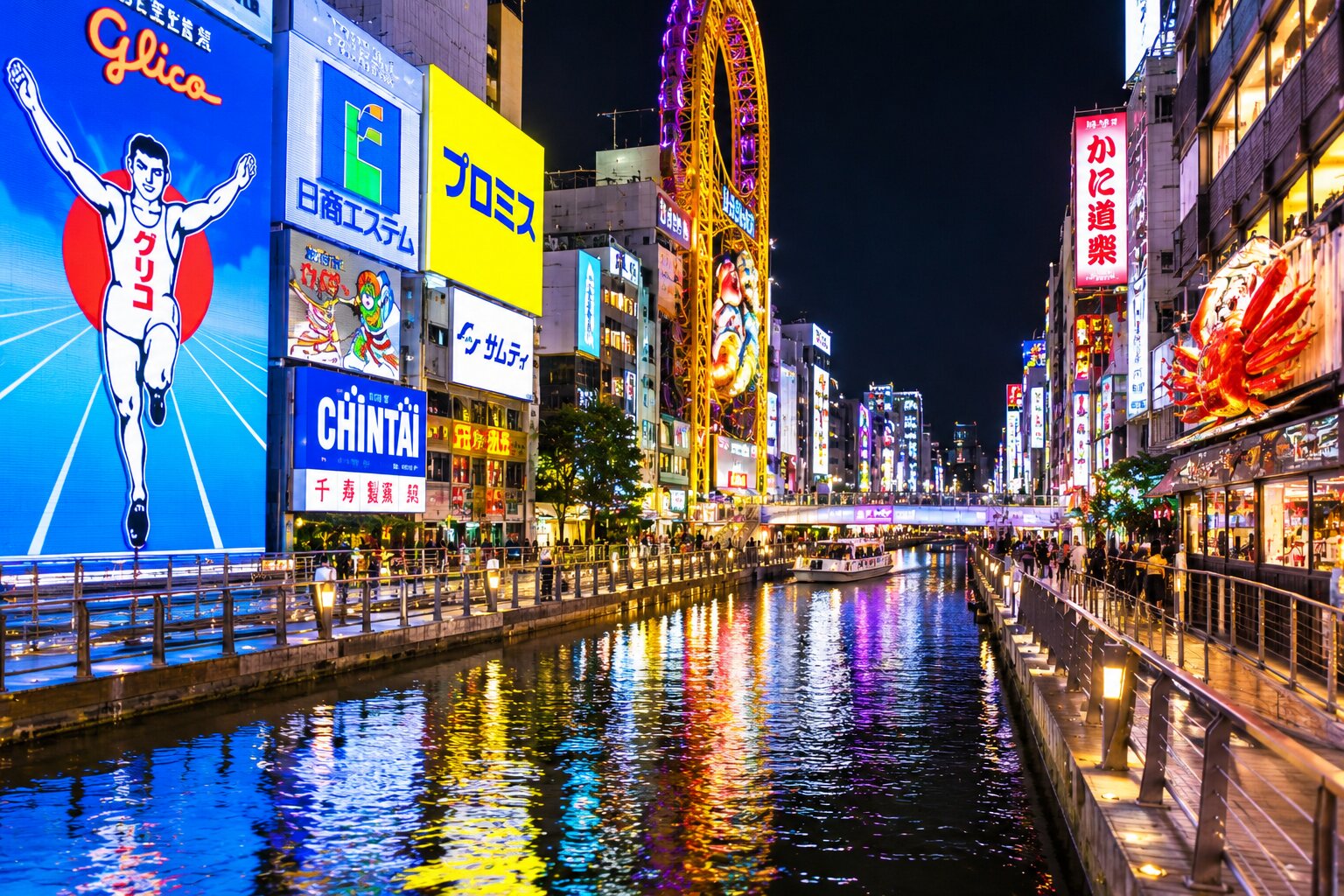
If Kyoto is Japan’s memory, Osaka is its appetite. The local saying is that people in Kyoto ruin themselves on clothes and people in Osaka ruin themselves on food, and a night in Dotonbori shows you why. Neon signs, canal-side stalls and the smell of grilled batter are everywhere.
Eat takoyaki (octopus balls) hot from the griddle, okonomiyaki cooked on a plate in front of you, and kushikatsu, crisp skewers dipped in a shared sauce pot.
The one rule at a kushikatsu counter: no double-dipping. Dip once, then eat.
By day, Osaka Castle is a good, easy walk with a park around it, and the city’s markets and shopping arcades repay wandering with no plan.
Osaka is also a practical base for the Kansai region. Hotels are often easier to find and more affordable than in central Kyoto, and day trips to Kyoto, Nara and Himeji are all short train rides away.
If you eat halal, Osaka has a growing number of Muslim-friendly restaurants, but it is worth checking before you go. In Japanese cooking, stock, sauces and seasoning often contain pork, fish extract, mirin or sake that do not appear on a menu in English.
Hakone and the Onsen Experience
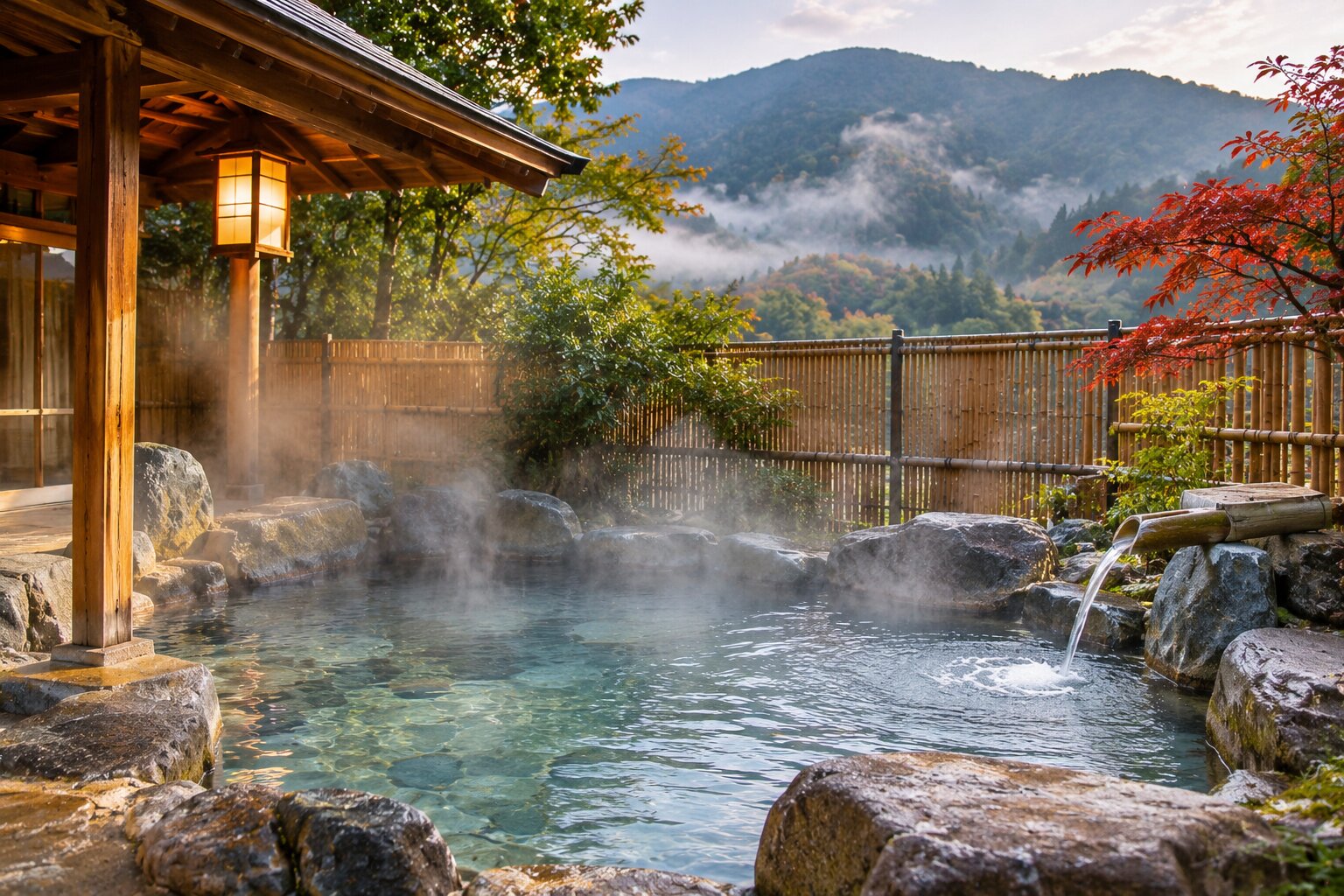
Hakone is an easy escape from Tokyo, about ninety minutes by the Odakyu Romancecar from Shinjuku. It is a mountain resort area built around volcanic hot springs, with Lake Ashi, the steaming valley of Owakudani and, on a clear day, Fuji standing over all of it.
The point of Hakone is to stay overnight in a ryokan, a traditional inn, and use the onsen.
If you have never done it, the etiquette is simple and worth learning before you arrive:
- Wash and rinse thoroughly at the shower stools before entering the bath.
- Enter the bath without a swimsuit, and keep your small towel out of the water.
- Tie long hair up, and do not swim or splash.
- Tattoos are still refused at some public baths. Look for a private bath you can book by the hour, or ask your ryokan about its policy.
A note on skin, since it matters to many readers. Hot-spring water is mineral-rich, and some springs are sulphurous or mildly acidic. Short soaks of ten to fifteen minutes are a sensible starting point. Rinse if your skin feels tight, and moisturise soon after drying off. If you have eczema, another skin condition or sensitive skin, seek medical advice before prolonged hot-spring bathing.
Plan one clear evening and one slow morning. Hakone rewards people who are not in a hurry. A compact travel coffee mug can be handy for early starts.
Kanazawa and Shirakawa-go
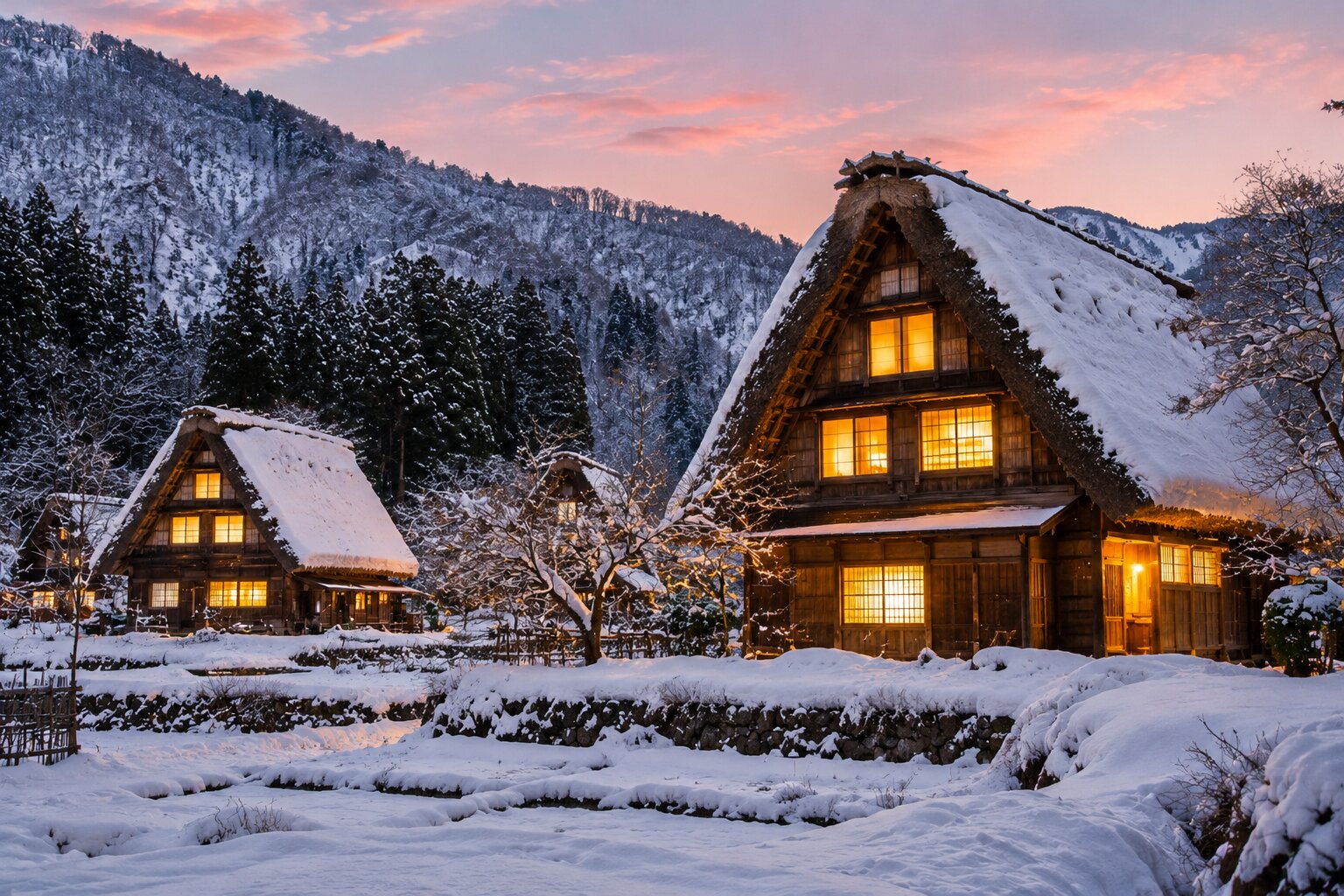
Kanazawa is the Japanese city that many travellers wish they had given a second night. It escaped much of the wartime destruction that affected other cities, so its historic districts remain intact, and it is far calmer than Kyoto.
Kenroku-en is regularly counted among Japan’s three great gardens, with its ponds, bridges and rope-supported pine trees in winter.
The Higashi Chaya district preserves the lattice-fronted tea houses where geisha once entertained. Kanazawa is also the heart of Japan’s gold-leaf craft. Most of the country’s gold leaf is produced here, and shops sell it in everything from tableware to soft-serve ice cream to cosmetics and face masks.
It is a lovely, slightly extravagant souvenir that is hard to find anywhere else.
Shirakawa-go is a mountain village of steep-roofed thatched farmhouses, a UNESCO World Heritage Site, about an hour and a quarter by bus from Kanazawa. It is at its most beautiful under heavy snow.
Winter evening illuminations are limited and require advance booking, so plan early if you want to see them. For snowy routes, pack with a roomy travel duffle bag.
Kanazawa is reached from Tokyo by the Hokuriku Shinkansen in roughly two and a half hours, which also makes it a sensible, quieter alternative route between Tokyo and Kyoto.
Hokkaido
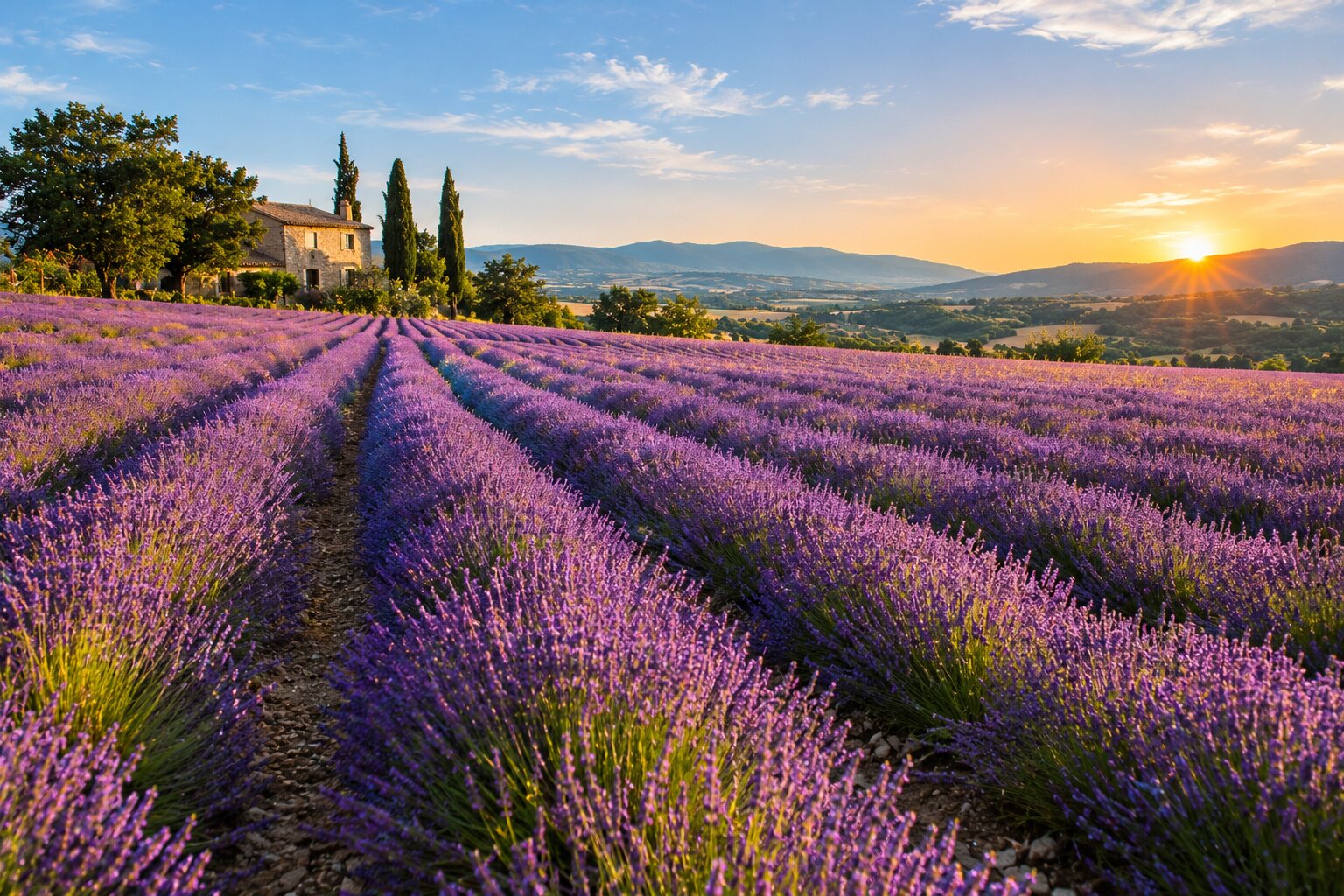
Hokkaido is the one stop on this list that needs its own flight and its own season, so add it only if you have ten days or more. For those who do, it feels like another country: bigger skies, colder air and food that is the pride of the whole nation.
Sapporo is the gateway. It is famous for miso ramen, fresh seafood and its beer, and for the Snow Festival in early February, when huge sculptures fill Odori Park.
Otaru, a short train ride away, has a lovely canal and glass workshops.
In July, the fields around Furano and Biei turn purple with lavender, making summer the other great Hokkaido season. The cooler weather is a relief if Honshu is sweltering.
In winter, Niseko is known for deep powder snow and skiing. Check current lift-ticket prices and accommodation costs before booking because resort prices can vary by season and visitor demand.
If you visit in winter, pack for real cold: thermal layers, waterproof boots and a good moisturiser, because dry, freezing air can leave skin feeling tight.
For a first trip, Hokkaido can wait. For a second, it is a very good reason to come back.
What We’d Skip on a First Trip
A good itinerary is as much about what you leave out as what you put in. These are the things that can cost the most time or money while giving back the least on a first visit.
Climbing Mount Fuji
The season is short, the fee is ¥4,000, the Yoshida Trail has a daily cap, and the gates close from 2 pm to 3 am for climbers without a qualifying mountain hut reservation.
You can enjoy the view from Kawaguchiko without taking on the physical demands of the climb.
One-night stays in every city
Each hotel change eats time in luggage, stations and check-in queues. Two nights per base is a sensible minimum that lets a place feel like somewhere you visited rather than somewhere you passed through.
Hokkaido on a one-week trip
It deserves its own flight and its own season. Squeezing it into a short trip means spending too much time travelling and too little time exploring.
Buying a rail pass by reflex
The nationwide JR Pass is expensive compared with many local transport options. Do not buy one automatically. Compare the pass price with the individual train journeys you actually plan to take.
Chasing photos in Gion
The back lanes include private property and residential spaces. Photography restrictions exist for a reason. Enjoy the main streets and respect the people who live there.
Best Time to Visit Japan and How to Link the Ten
The right season depends on what you want to see, and every season has a catch.
| Season | Where It Shines | The Catch |
|---|---|---|
| Late March to early April | Cherry blossom in Kyoto, Tokyo, Himeji and Nara | High prices and large crowds |
| May to June | Fresh green countryside and mild weather | Rainy season begins in June |
| July to early September | Mount Fuji climbing and Hokkaido lavender | Heat, humidity and typhoon risk |
| Mid-October to early December | Autumn colour in Kyoto, Nara and Kanazawa | Peak Kyoto crowds in late November |
| December to March | Snow in Hokkaido and Shirakawa-go, onsen in Hakone and clear Fuji views | Cold, short days and seasonal closures |
For ten to fourteen days, this order keeps the travel sensible:
- Tokyo: Three or four nights, with a day for Asakusa and another for Shibuya and the shopping districts.
- Hakone or Kawaguchiko: One or two nights, for onsen and a view of Fuji.
- Kanazawa and Shirakawa-go: Two nights, taking the Hokuriku Shinkansen from Tokyo.
- Kyoto: Three nights, with Nara as a half-day trip.
- Osaka: Two nights, with Himeji as a day trip.
- Hiroshima and Miyajima: One or two nights, if you have the time.
Hokkaido stays out of this loop. Treat it as its own trip.
Getting Around Japan in 2026
Japan’s railway network makes independent travel relatively easy. Most first-time visitors can plan a trip without renting a car.
Shinkansen
The Shinkansen is the fastest way to travel between major cities. Tokyo, Kyoto, Osaka and Hiroshima are connected by high-speed rail services. Book reserved seats in advance during cherry blossom season, Golden Week and the New Year holiday period.
Local trains and subway systems
Tokyo, Osaka and Kyoto have extensive local railway and subway networks. A rechargeable IC card such as Suica or ICOCA makes paying for many local journeys easier. Availability and mobile-wallet compatibility depend on your device and card type.
JR Pass
The nationwide Japan Rail Pass offers unlimited travel on eligible JR services for a fixed period. A standard seven-day pass is listed at around ¥50,000 on JNTO’s budget guide, but prices and purchase conditions should be checked before buying.
It does not automatically make every journey cheaper. Calculate the individual fares on your planned route and compare them with the pass price.
For a trip focused on Kyoto, Osaka and Nara, regional passes or individual tickets may offer better value.
Buses
Highway buses can be a cheaper alternative for some longer journeys. They take longer than the Shinkansen but can help budget-conscious travellers save money.
Taxis
Taxis are convenient for short journeys, luggage-heavy transfers and places with limited public transport. Long taxi rides can become expensive, so use trains and buses for most sightseeing.
How Much Does a Japan Trip Cost in 2026?
Japan can accommodate different travel budgets. Your biggest expenses will usually be accommodation, intercity transport and seasonal hotel prices.
The following are approximate planning estimates per person, assuming shared accommodation where applicable. They are not fixed prices or official national averages.
| Expense | Budget Traveller | Mid-Range Traveller | Premium Traveller |
|---|---|---|---|
| Accommodation per night | ¥4,000–7,000 | ¥10,000–20,000 | ¥30,000+ |
| Food per day | ¥2,000–3,500 | ¥4,000–7,000 | ¥10,000+ |
| Local transport per day | ¥800–1,500 | ¥1,500–3,000 | ¥3,000+ |
| Attractions per day | ¥500–1,500 | ¥1,500–3,000 | ¥5,000+ |
| Estimated daily total | ¥7,300–13,500 | ¥17,000–33,000 | ¥48,000+ |
These estimates exclude international flights, visa-related service charges, major shopping purchases and some long-distance train journeys.
A few ways to keep costs under control:
- Stay in business hotels or guesthouses outside the busiest tourist streets.
- Use local restaurants and convenience stores for affordable meals. Readers planning longer stays can browse our guide to portable blenders for smoothies.
- Compare regional rail passes with individual tickets.
- Avoid changing hotels every night.
- Book accommodation early for cherry blossom and autumn foliage seasons.
- Check accommodation taxes before confirming a hotel.
- Keep a separate allowance for shopping and unexpected expenses. If you prefer travelling light, compare women’s crossbody bags for travel and men’s travel underwear before packing.
For a longer trip, the cost difference between travelling in peak season and choosing quieter dates can be significant.
Japan Travel FAQ: Answers for First-Timers
Do Bangladeshi citizens need a visa for Japan?
Yes. Bangladeshi passport holders must obtain a visa before travelling. Japan does not offer visa on arrival or a visa waiver for ordinary Bangladeshi tourists. Applications are handled through VFS Global in Dhaka on behalf of the Embassy of Japan. Visa examination fees are free for Bangladeshi nationals, although VFS service charges apply. Check the current document list and appointment availability before applying.
How many days do you need in Japan?
A week covers Tokyo, Kyoto and Osaka without feeling too rushed. Ten to fourteen days lets you add Hakone, Kanazawa and Hiroshima at a more comfortable pace. Hokkaido is better saved for a separate trip.
Do you need cash in Japan in 2026?
Cards are accepted far more widely than a few years ago, but shrines, small restaurants, market stalls and rural buses may still prefer cash. Carry some yen and consider adding a rechargeable IC card to your phone wallet for trains and convenience stores.
Is halal and vegetarian food easy to find in Japan?
Yes, with planning. Big cities have growing halal and vegetarian options, but traditional cooking often includes pork, fish stock, mirin or sake in sauces and soups. Search for certified or Muslim-friendly restaurants in advance, and ask your hotel to help with ryokan meals. Prayer rooms are available at many major airports and stations.
Is Japan safe for solo female travellers?
Japan is widely regarded as a safe destination for solo female travellers. Normal precautions still apply, especially at night and in crowded areas. Several train lines also operate women-only carriages during designated hours.
What skincare should you pack for Japan?
Humidity in summer and dry heating in winter both affect skin. Bring a lightweight SPF for summer, a richer moisturiser for winter and any prescription products in their original packaging. Japanese drugstores are well stocked if you run out.
You can also explore our guide to best sunscreens for daily use before planning your shopping list.
What is the biggest mistake first-time visitors make in Japan?
Trying to see everything. Japan rewards slower trips with fewer hotel changes, and two nights in a place is almost always better than one.
Is the Japan Rail Pass worth buying in 2026?
It depends on your route. Travellers making several long-distance Shinkansen journeys may benefit from a nationwide or regional pass. Those staying mainly in Tokyo, Kyoto and Osaka may save money with individual tickets and local transport cards. Compare the actual fares before purchasing.
What is the cheapest month to visit Japan?
There is no single cheapest month for every destination. January and February can offer lower accommodation prices in many major cities, although Hokkaido and ski resorts are exceptions. June can also be quieter because of the rainy season. Compare hotel prices for your intended dates.
Can you visit Japan without speaking Japanese?
Yes. Major stations, airports and tourist attractions have English signs, and translation apps can help with menus and everyday conversations. Learning a few basic Japanese phrases is still useful, particularly outside the major cities.
Final Thoughts
Japan remains one of the most rewarding destinations for travellers who want a mix of historic sites, modern cities, food, shopping and natural scenery.
The 2026 changes mean you should pay closer attention to admission prices, accommodation taxes, shopping refunds and local visitor rules. They do not require you to change the entire trip.
For a first visit, Tokyo, Kyoto and Osaka make a sensible starting point. Add Hakone or Kawaguchiko for mountain scenery, Himeji for its castle, and Hiroshima if you have enough time. Save Hokkaido for a longer or separate journey.
Plan fewer stops, stay longer in each place and check the latest official rules before you travel. You will get more out of Japan that way.
Sources and Further Reading
The following sources were used to check the travel rules, admission fees and practical information in this guide.
Official Japanese Government and Tourism Sources
- Japan National Tourism Organization – 2025 Visitor Statistics
- Embassy of Japan in Bangladesh – Visa Information
- Japan Customs – Tax-Free Shopping Refund System
- National Tax Agency – International Tourist Tax
- Kyoto Travel – Accommodation Tax Changes
- Official Mt. Fuji Climbing Website – 2026 Restrictions
- Fujiyoshida City – Mt. Fuji 2026 Access Information
- Visit Himeji – Revised Castle Admission Fees
- Shibuya City – Public Drinking Regulations
- Kyoto Travel – Visitor Guidelines
- JNTO – Guide to Travelling Japan on a Budget
- JNTO – Budget Travel Tips

Last updated: November 18, 2026
Fact-checking note: Fees and travel regulations are subject to change. Always confirm current requirements with the relevant official authority before booking.