Best Sunscreens for Daily Use are not defined by the highest SPF number or the most fashionable skincare label. The sunscreen you are most likely to use correctly and consistently can be the more practical choice, and that depends on texture, skin type, water resistance, visible-light protection, makeup compatibility, and where you spend your day.
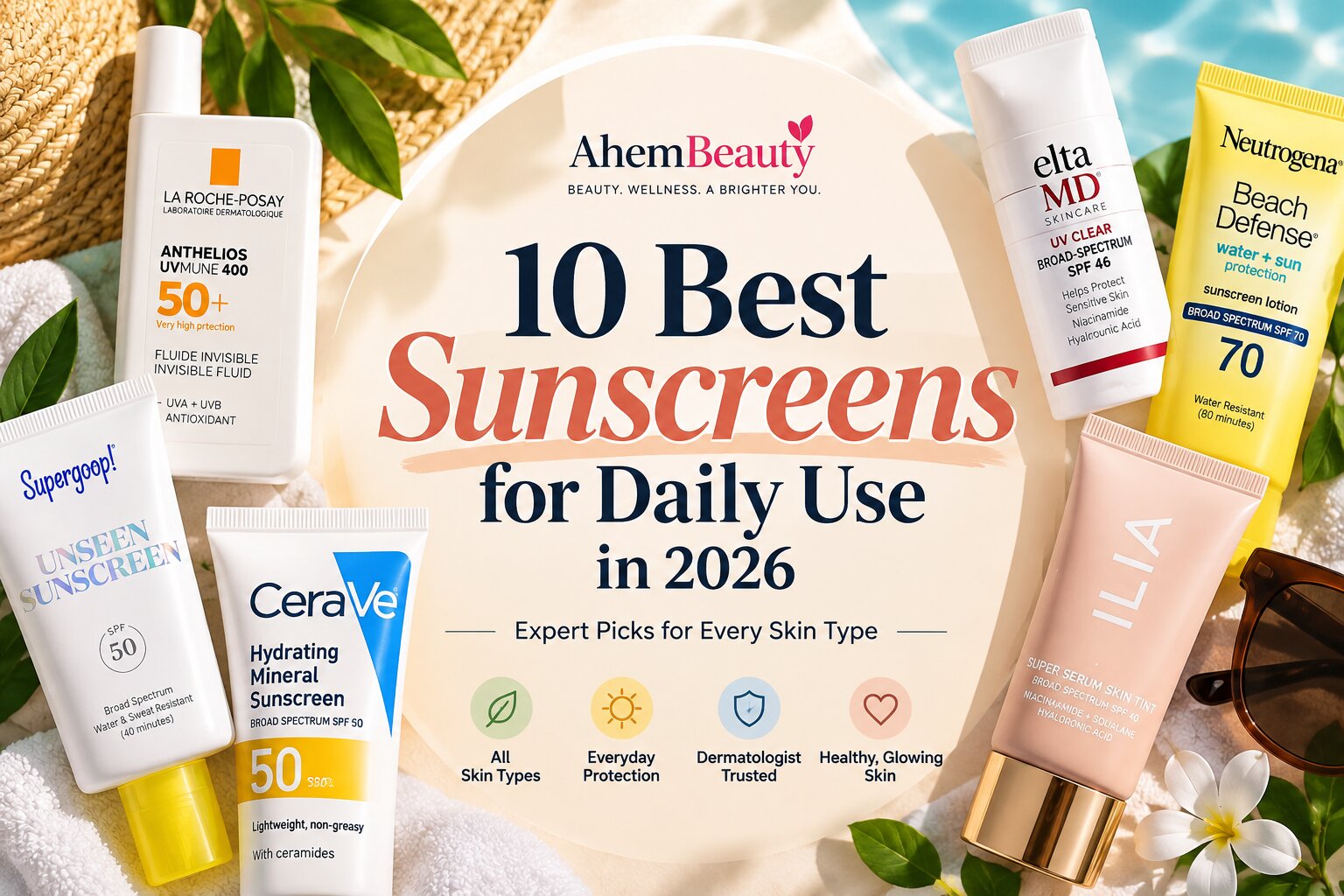
This AhemBeauty guide compares ten widely used sunscreen options across different everyday needs, then steps back to explain what SPF actually means, when water resistance matters, why tinted formulas can be useful for dark spots, and how to choose a sunscreen that fits your routine rather than fighting it.
Best Sunscreens for Daily Use: At a Glance
- For most everyday routines: look for broad-spectrum SPF 30 or higher and choose a texture you will apply generously and consistently.
- For swimming, sweating, or long outdoor periods: choose a water-resistant sunscreen and follow the label’s reapplication instructions. U.S. sunscreen labels use 40- or 80-minute water-resistance claims rather than “waterproof” claims.
- For dark spots or melasma: a tinted sunscreen containing iron oxides may offer additional protection against visible light, which can contribute to hyperpigmentation.
- For oily skin: lightweight, oil-controlling or dry-touch textures can be easier to keep in a daily routine.
- For dry or sensitive skin: hydrating or mineral formulas may be more comfortable, depending on individual tolerance and finish preferences.
The best picks reviewed by AhemBeauty
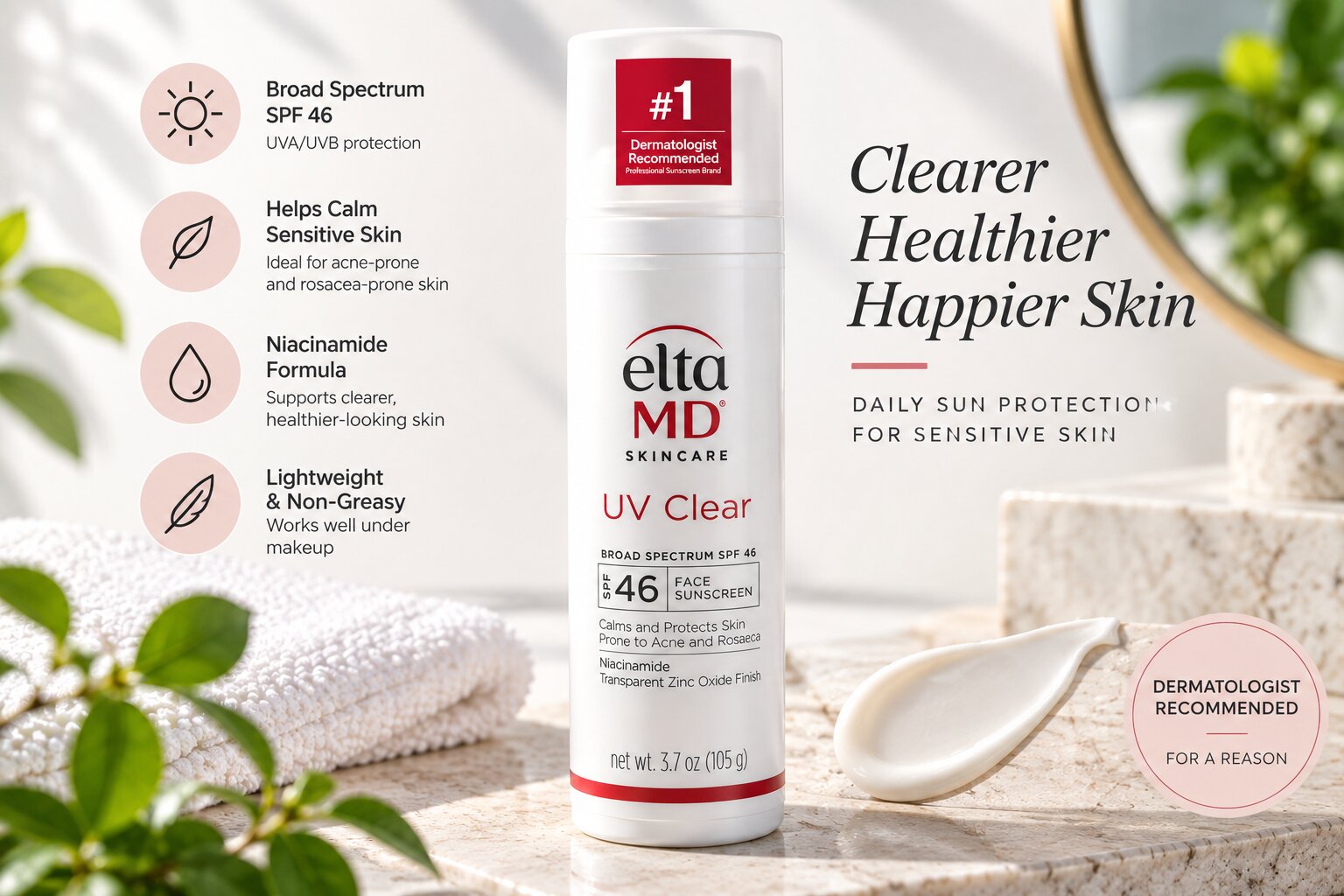
1. EltaMD UV Clear Face Sunscreen SPF 46
A lightweight facial option for everyday routines where a comfortable, non-greasy finish matters.
Read more ▼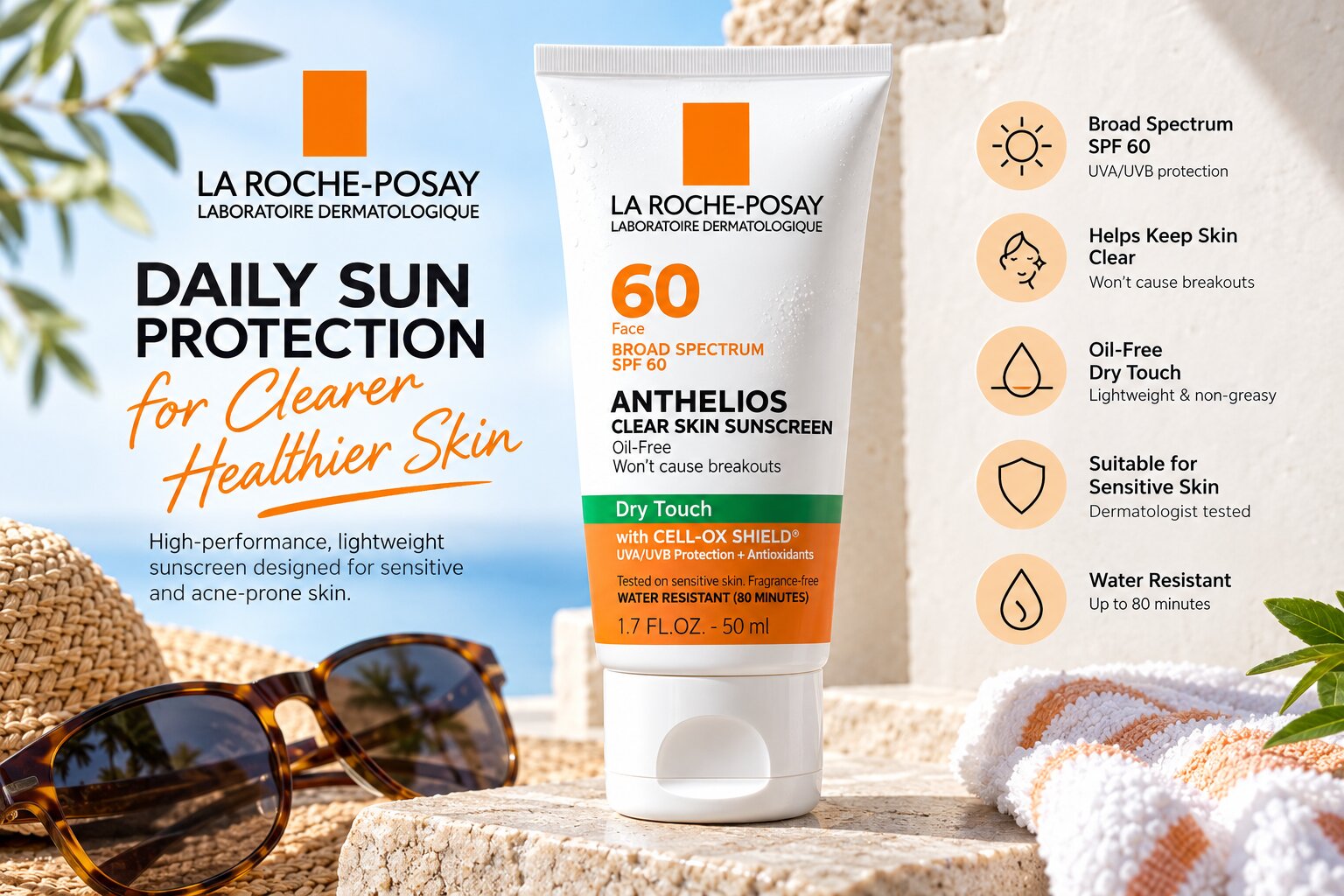
2. La Roche-Posay Anthelios Clear Skin SPF 60
A dry-touch option designed around a less shiny finish for people who dislike heavy-feeling facial sunscreen.
Read more ▼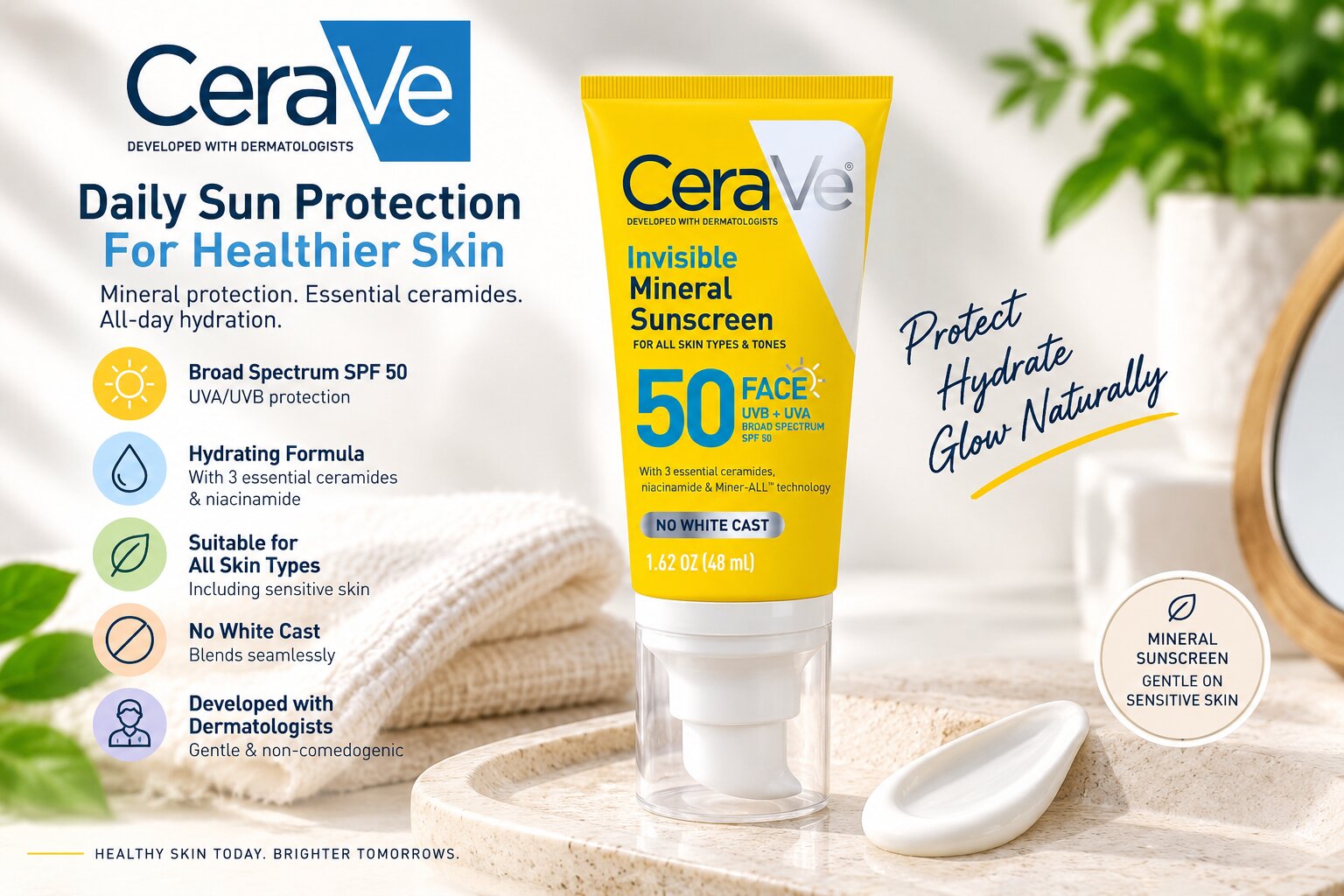
3. CeraVe Hydrating Mineral Sunscreen SPF 50
A mineral formula built around a more moisturizing skincare profile, useful when sunscreen tends to leave dry skin feeling tight.
Read more ▼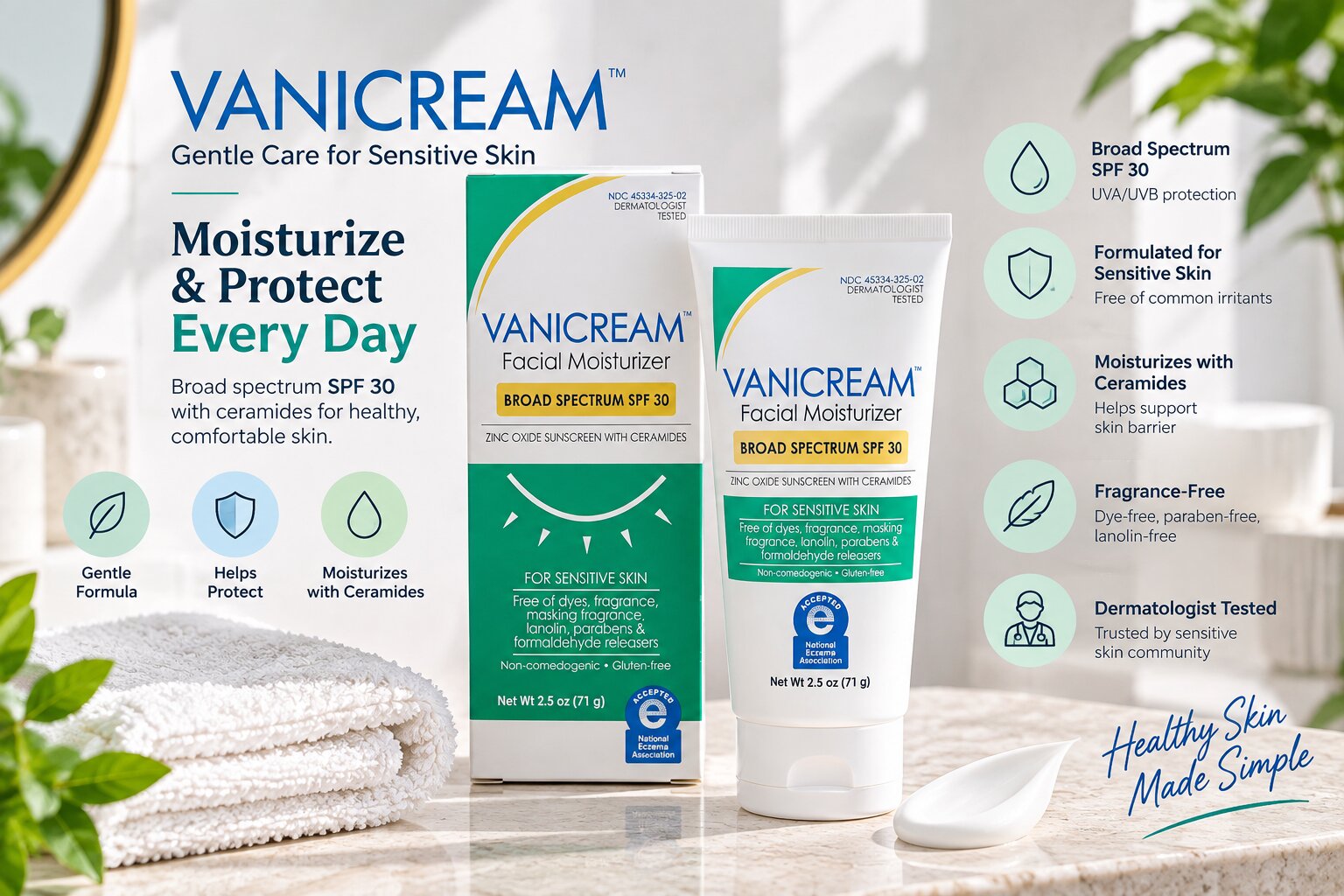
4. Vanicream Facial Moisturizer SPF 30
A straightforward mineral moisturizer-sunscreen option for routines where simplicity and fragrance-free skincare are priorities.
Read more ▼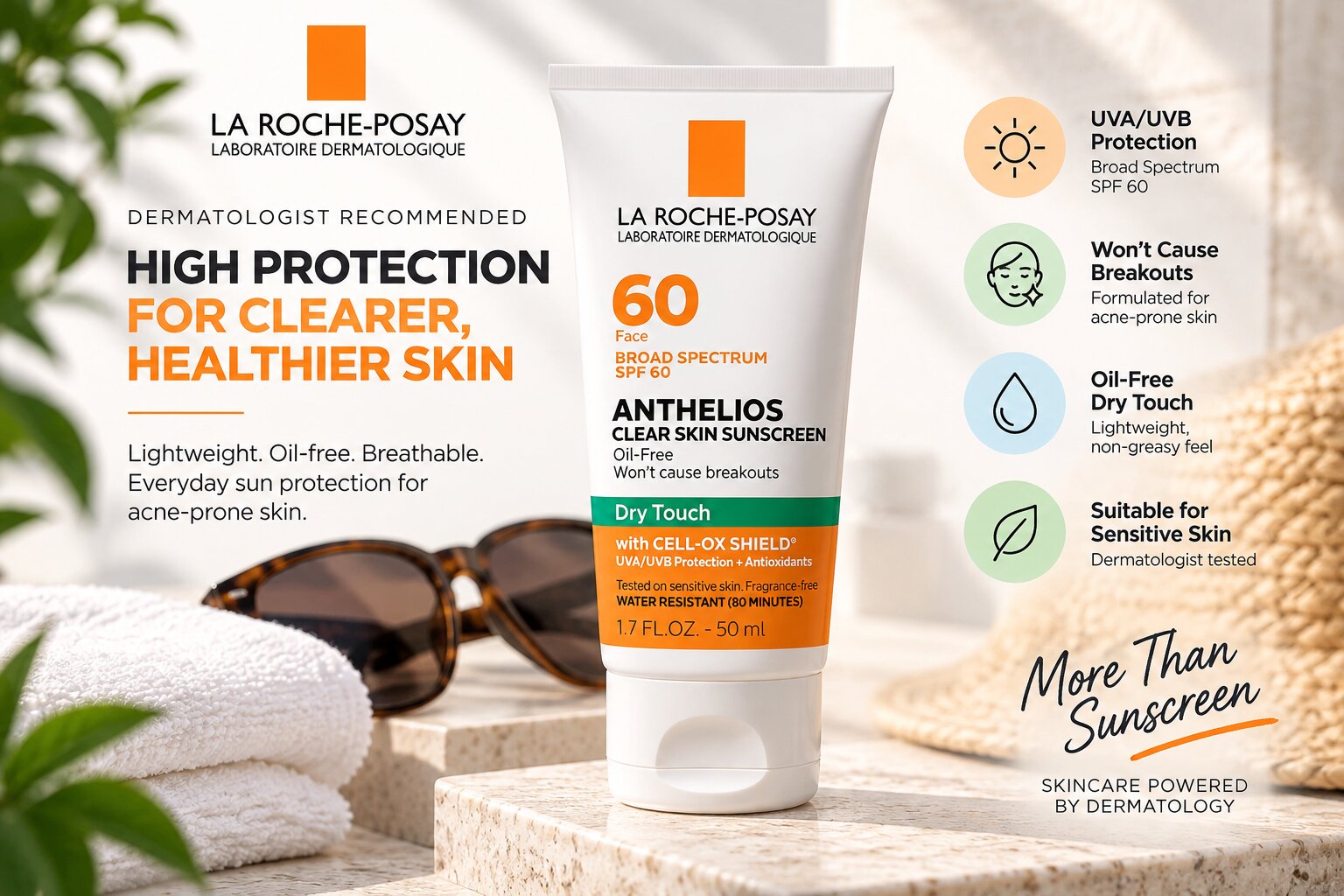
5. La Roche-Posay Anthelios Clear Skin Dry Touch SPF 60
The same dry-touch formula earns a second category because texture and oil control can matter when breakouts influence sunscreen choices.
Read more ▼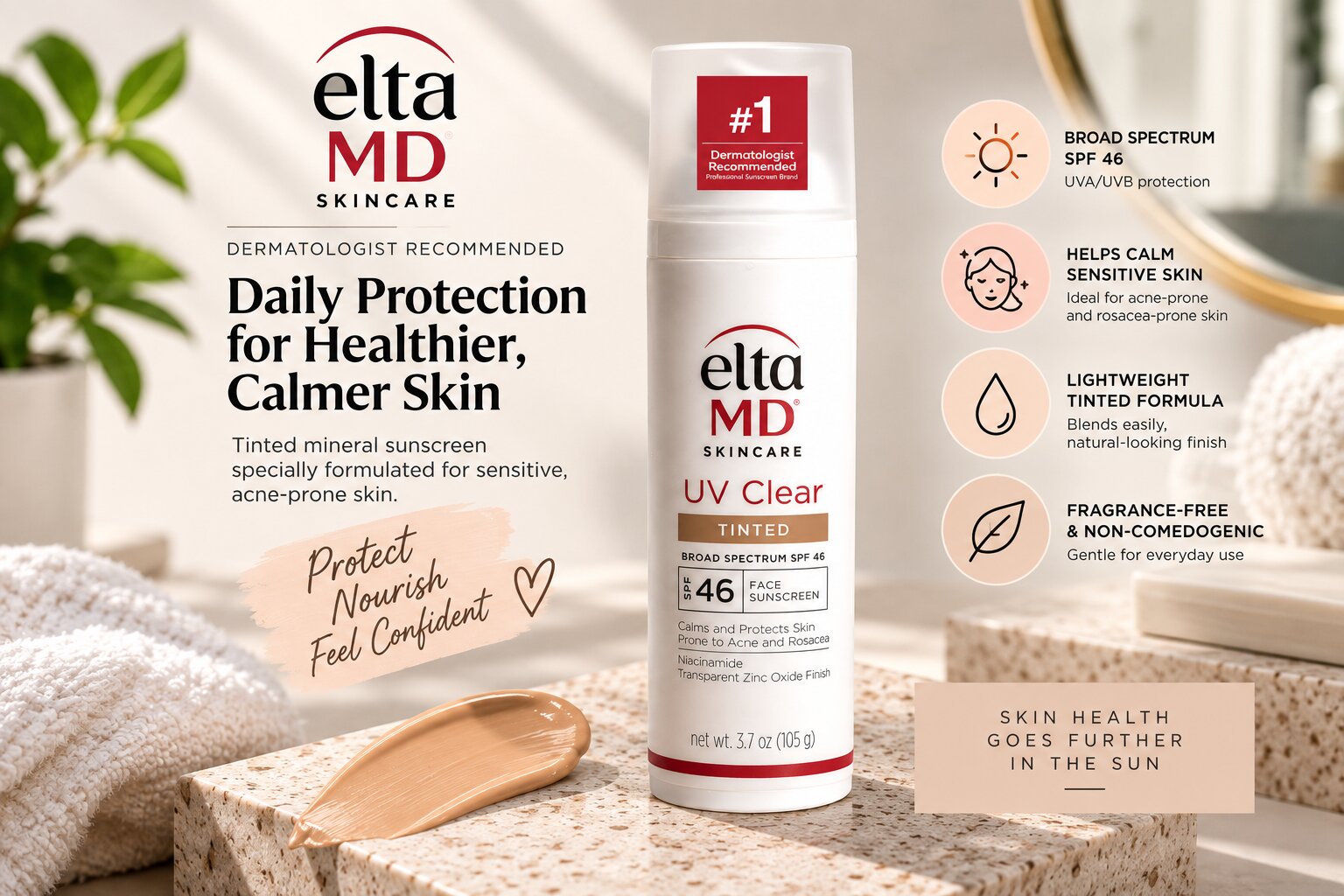
6. EltaMD UV Clear Tinted SPF 46
A tinted daily sunscreen worth considering when visible-light protection is part of a hyperpigmentation-focused routine.
Read more ▼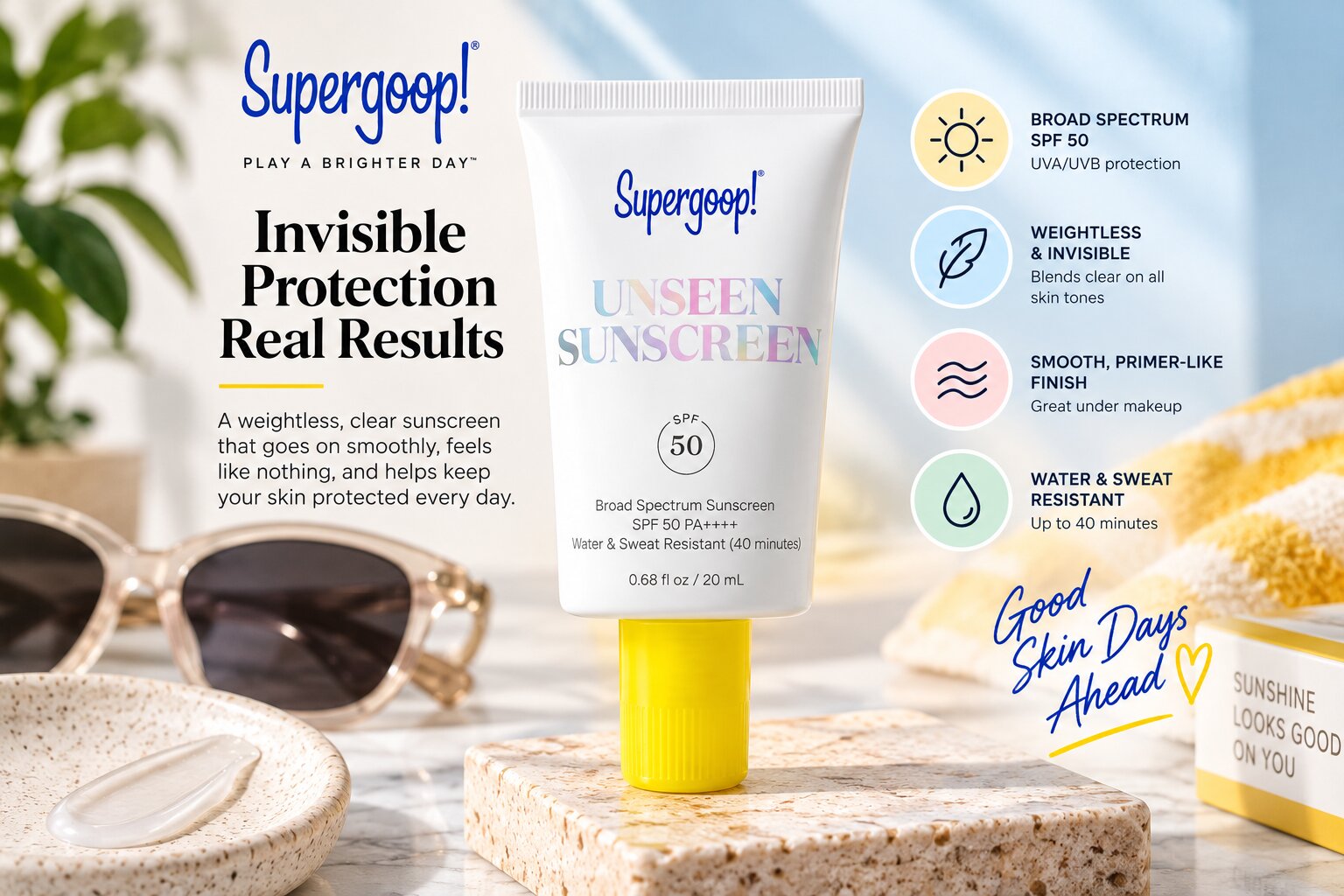
7. Supergoop! Unseen Sunscreen SPF 50
A clear, primer-like texture aimed at people who want sunscreen to disappear beneath makeup rather than compete with it.
Read more ▼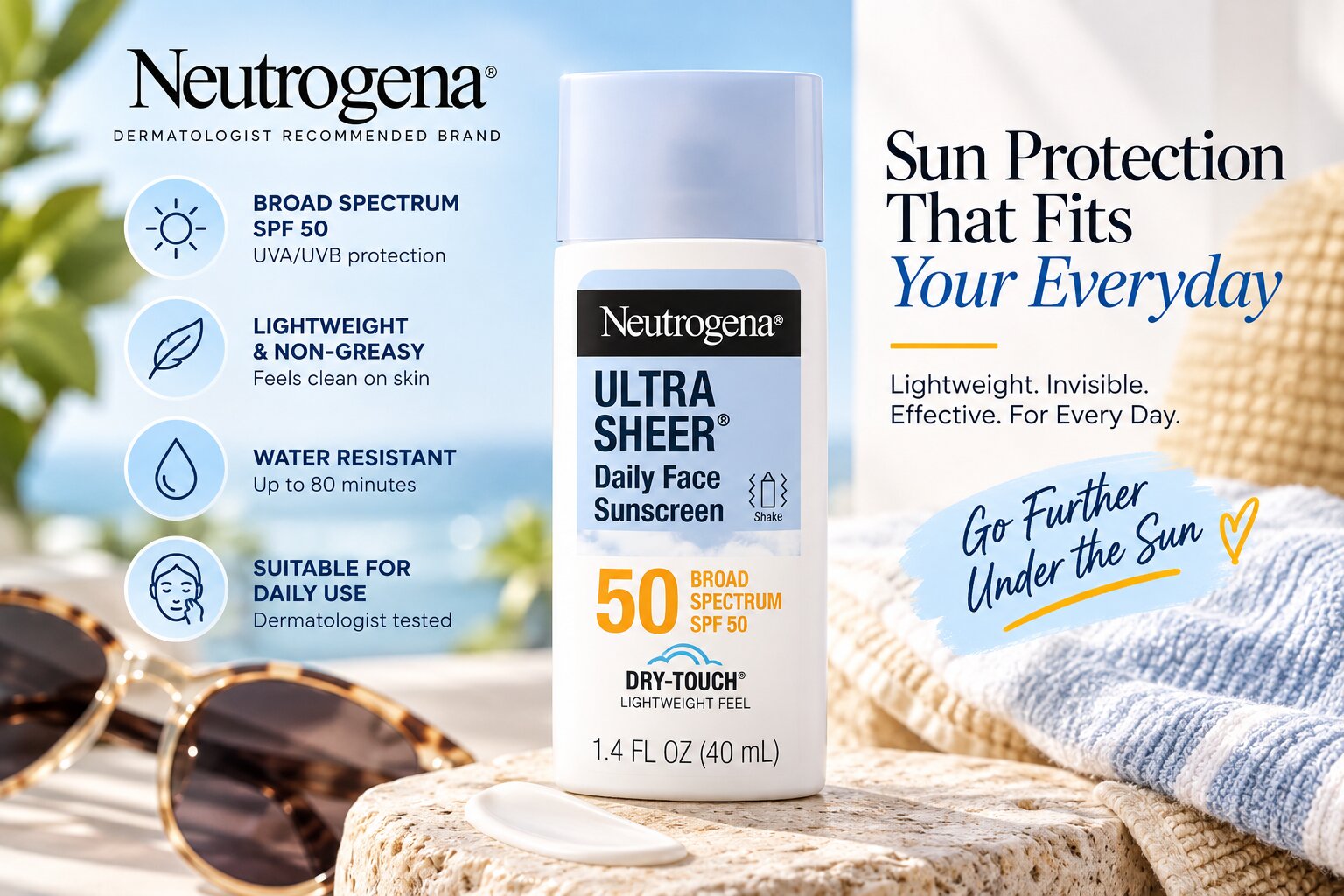
8. Neutrogena Ultra Sheer Dry-Touch SPF 50
A familiar everyday format for shoppers who want a practical SPF option without a premium skincare positioning.
Read more ▼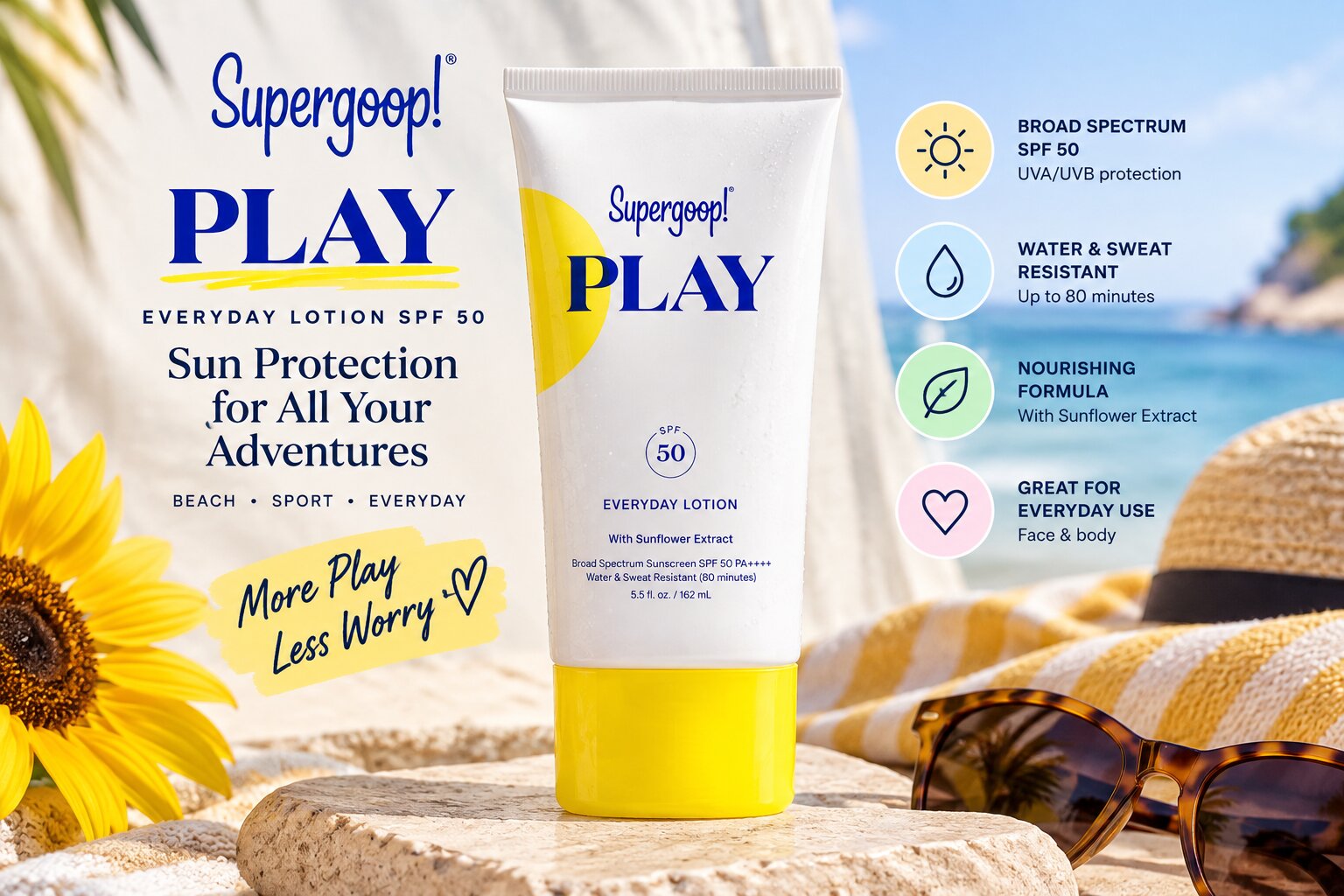
9. Supergoop! PLAY Everyday Lotion SPF 50
A face-and-body style lotion for routines involving outdoor activity, swimming, or sweating where water resistance matters.
Read more ▼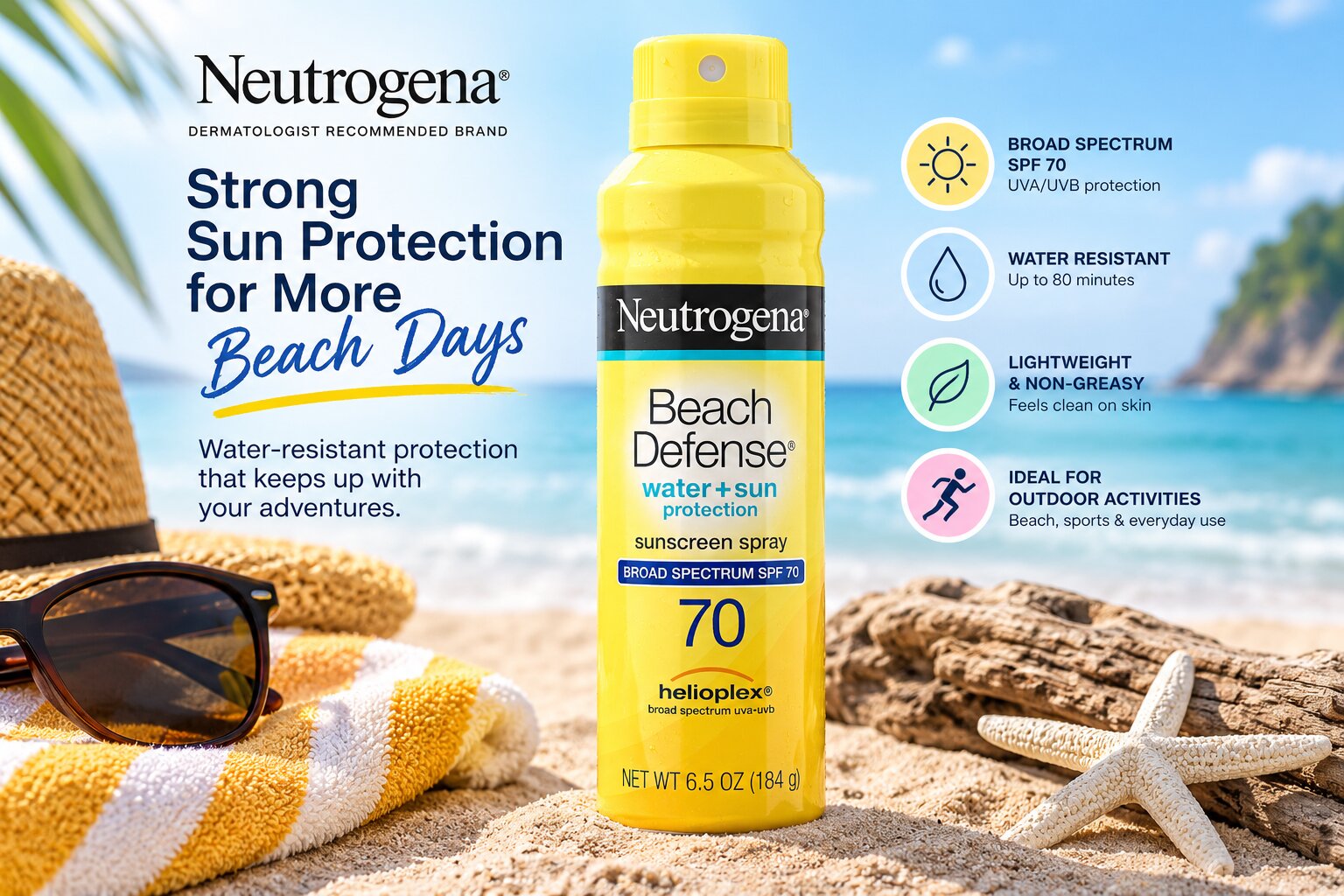
10. Neutrogena Beach Defense SPF 70
A higher-SPF, water-resistant option aimed at days when sun exposure is more substantial than a normal commute or office routine.
Read more ▼Meet the Editorial Team
This guide is prepared as an editorial research piece rather than a claim of laboratory testing. The product evaluations consider published product information, sunscreen-label conventions, intended use, texture category, skin-type considerations, and guidance from dermatology and regulatory sources. Product formulas and packaging can change, so the current product label should always take precedence.

Maria Hossain
Maria covers beauty, skincare, and practical lifestyle topics for AhemBeauty, with a focus on making product information easier to understand and more useful in everyday routines. Her work emphasizes clear explanations, responsible product descriptions, and reader-focused context.

Maya Rejwan
Maya contributes research-led beauty and skincare coverage, helping organize product comparisons around ingredients, intended use, skin concerns, and practical buying questions without turning the article into a generic product list.
Best Overall Daily Sunscreen — EltaMD UV Clear Face Sunscreen SPF 46
EltaMD UV Clear SPF 46 fits the kind of sunscreen routine many facial-sunscreen shoppers are actually trying to build: light enough for regular use, designed for facial skin, and positioned around a finish that can work with skincare and makeup.
The appeal here is less about chasing a very high number and more about making daily application realistic. For people who dislike thick or greasy sunscreen, a lighter facial formula can remove one of the most common practical barriers to consistency.
The formula is also commonly associated with niacinamide and a facial-skin positioning, making it particularly relevant to combination or acne-prone routines. Those features do not make it universally better for every skin type, but they help explain why it belongs in this category.
Best Sunscreen for Oily Skin — La Roche-Posay Anthelios Clear Skin Dry Touch Sunscreen SPF 60
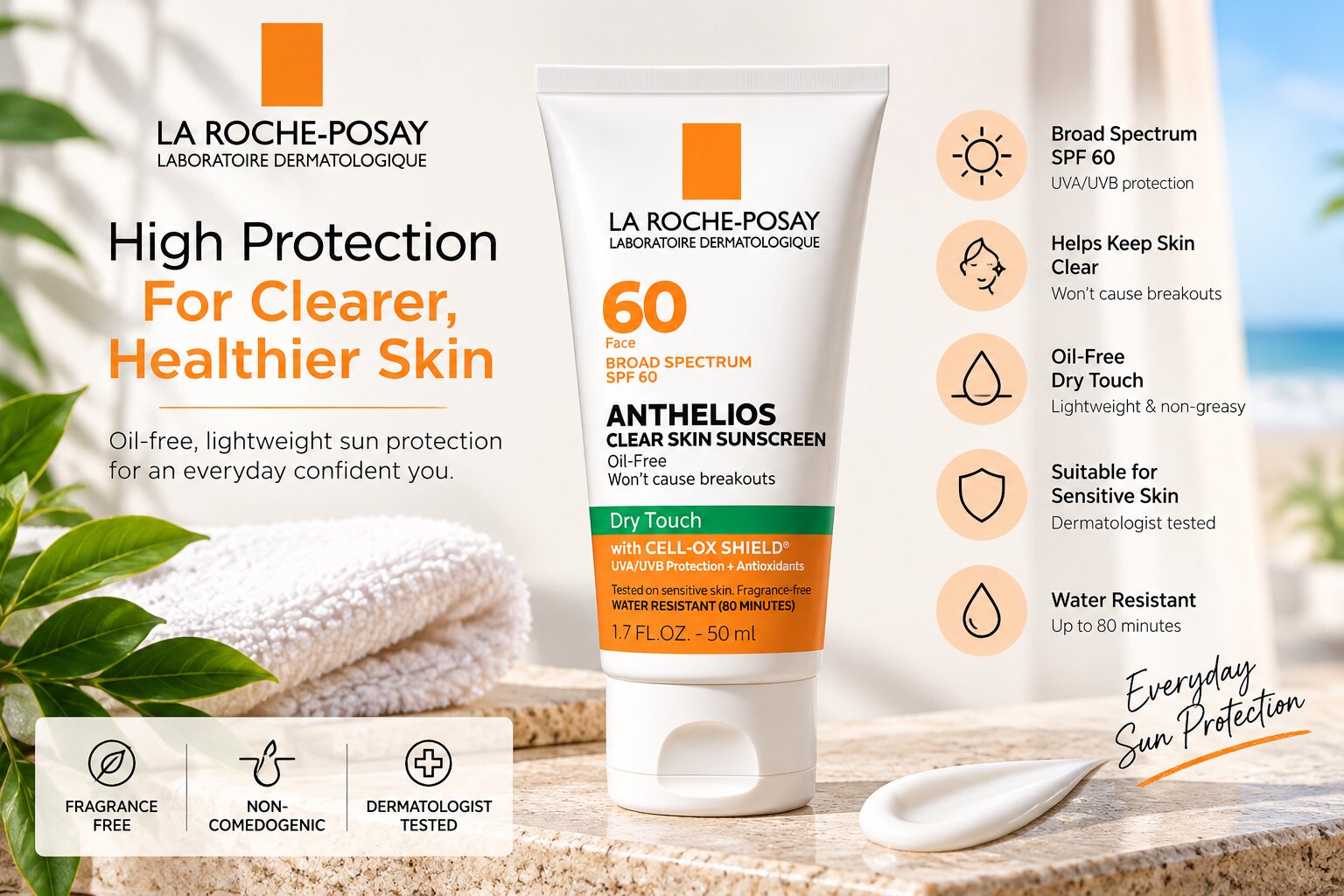
Oily skin often turns sunscreen selection into a texture problem. A product can offer excellent UV protection and still end up unused if it leaves the face feeling slick or heavy. This dry-touch formula is aimed at that specific friction point.
The higher SPF is useful, but the more meaningful everyday feature is its oil-conscious finish. That can make it easier to combine with moisturizer, makeup, or other morning skincare without creating an overly shiny finish.
For people prone to breakouts, the label and personal tolerance still matter more than a generic “oily skin” category. Sunscreen alone does not treat acne, and even a non-comedogenic formula can feel wrong for an individual user.
Best Sunscreen for Dry Skin — CeraVe Hydrating Mineral Sunscreen Face Lotion SPF 50
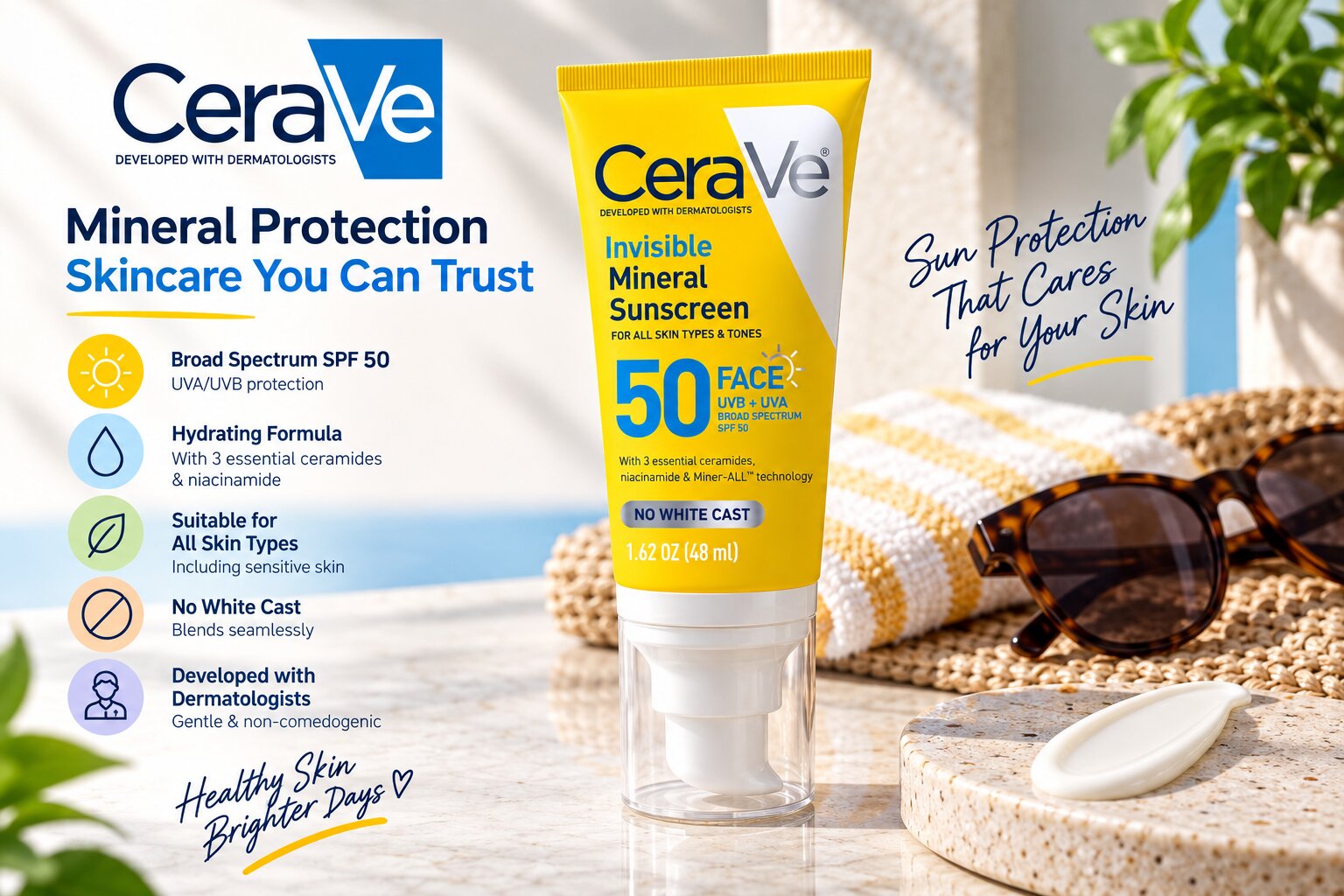
When skin is dry, sunscreen has to do more than provide UV protection. The texture also needs to coexist with the rest of a moisturizing routine. CeraVe’s hydrating mineral positioning makes this formula relevant for shoppers who prefer zinc oxide and titanium dioxide alongside barrier-supportive skincare ingredients.
Mineral sunscreens can be appealing when someone prefers mineral UV filters, but they can also leave more visible residue depending on the formula and skin tone. That is a cosmetic consideration rather than a reason to assume mineral sunscreen is automatically safer or better.
For very dry skin, applying a moisturizer underneath can improve comfort if the sunscreen itself does not provide enough hydration. The goal is a routine that makes applying enough sunscreen easy rather than one that looks impressive on paper but feels uncomfortable.
If barrier care is part of your broader skincare routine, AhemBeauty’s guide to moisturizers for dry sensitive skin can help put sunscreen into a fuller morning routine.
Best Sunscreen for Sensitive Skin — Vanicream Facial Moisturizer Broad Spectrum SPF 30
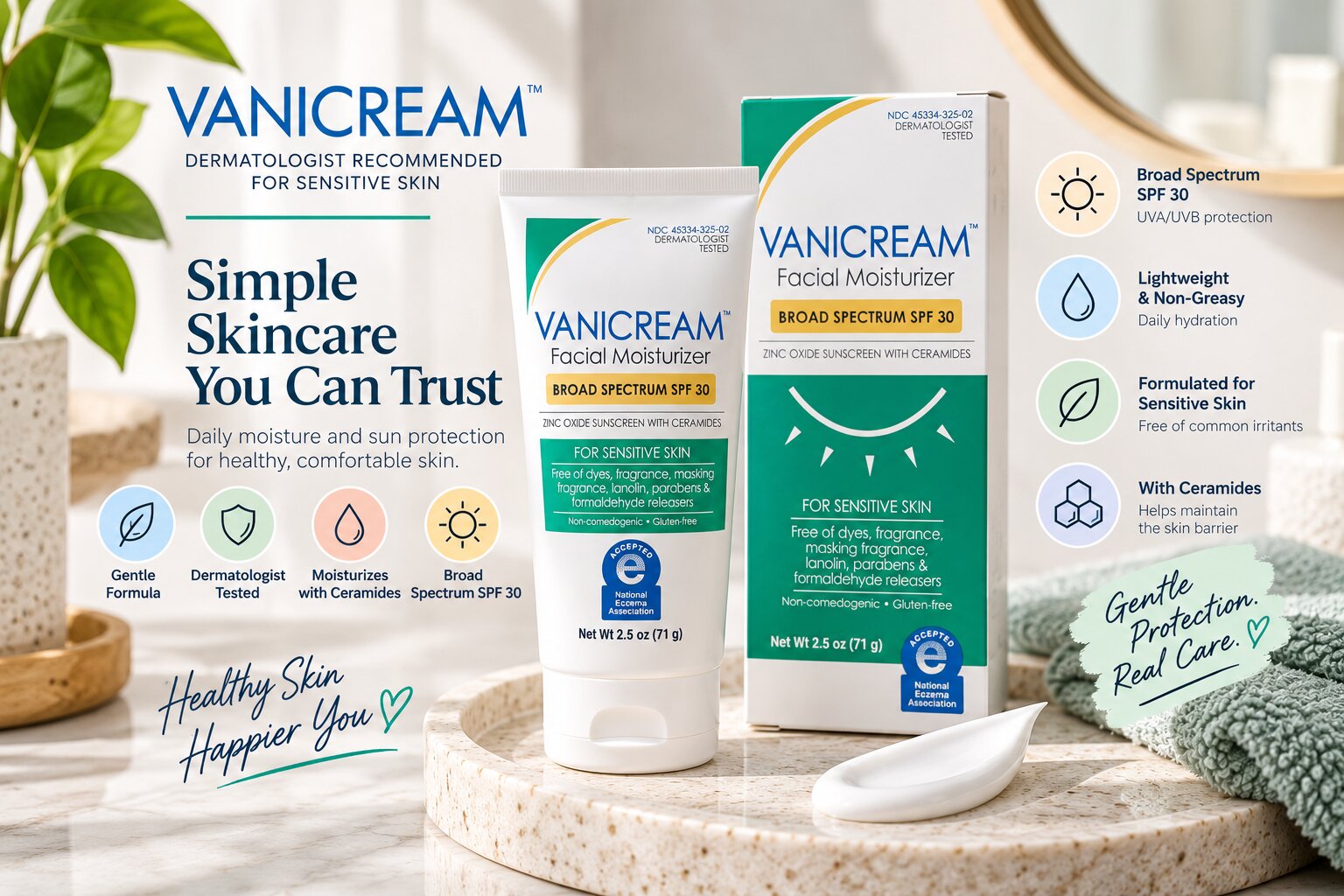
Sensitive skin benefits from a simpler decision-making process. Instead of looking for the most elaborate formula, it can be more useful to focus on broad-spectrum protection, a comfortable base, and ingredients the individual already knows they tolerate.
Vanicream’s facial moisturizer format combines moisturizer and sunscreen into one step. That can be convenient for people who want fewer morning layers. The formula is also positioned as fragrance-free, which is relevant for shoppers who intentionally avoid fragrance in facial skincare.
SPF 30 is still a meaningful baseline. The number does not mean the product is suitable only for low-exposure days; rather, it means the sunscreen meets a common minimum recommendation when used as directed. Outdoor intensity, water exposure, and reapplication remain important.
For more sensitive-skin routine ideas, see AhemBeauty’s coverage of bakuchiol serums for sensitive skin and fragrance-free cleansing balms.
Best Sunscreen for Acne-Prone Skin — La Roche-Posay Anthelios Clear Skin Dry Touch SPF 60
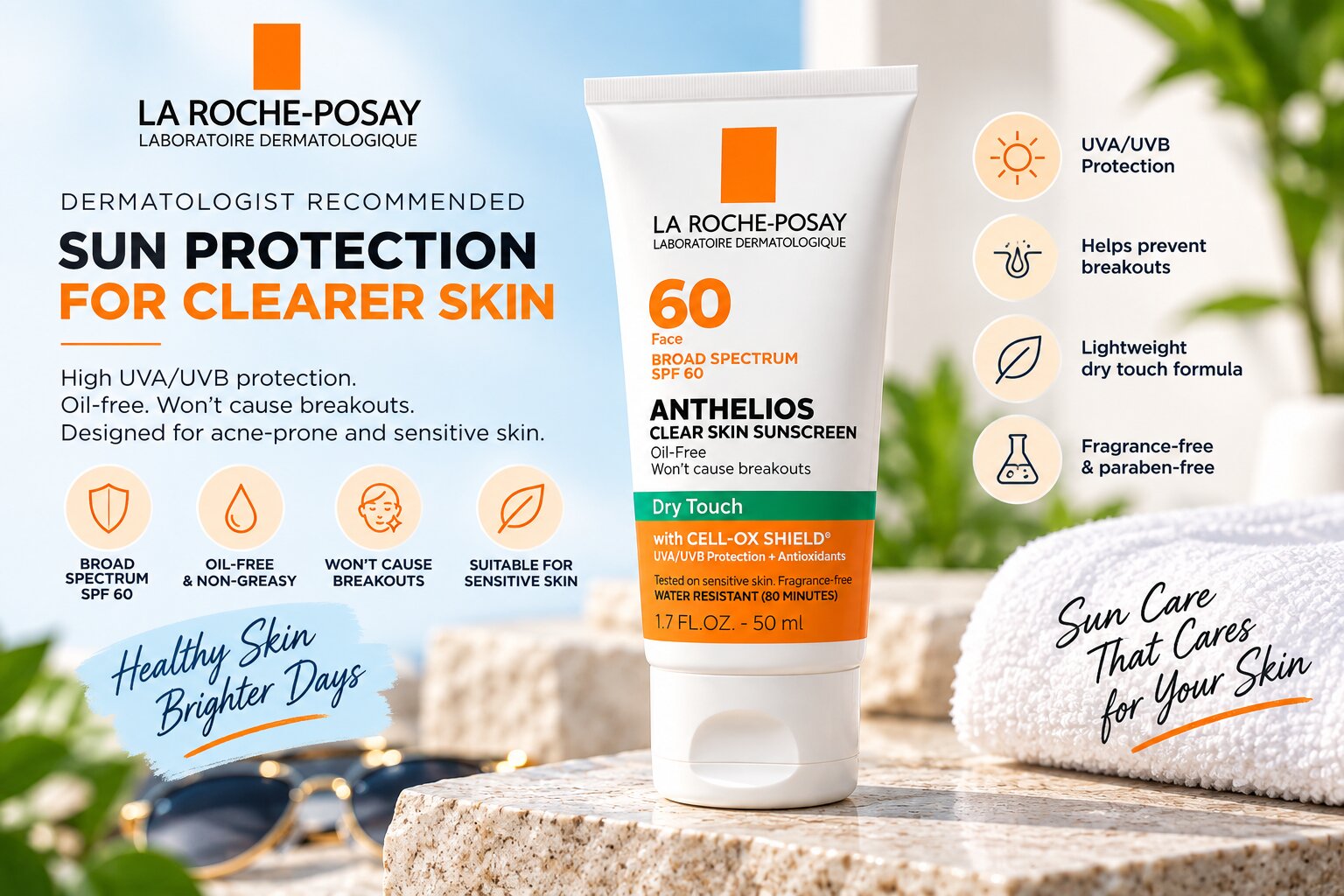
Acne-prone skin often needs sunscreen that does not feel like another heavy layer. A dry-touch, oil-conscious texture can therefore be a practical advantage even though sunscreen itself is not an acne treatment.
The most useful way to think about this category is consistency. If a sunscreen is comfortable enough to use every morning and does not make the person feel excessively greasy, it may fit better into an acne-focused routine.
People using prescription acne treatments should also pay attention to dryness and irritation. A sunscreen that feels excellent on oily skin in summer may be less comfortable during periods of retinoid-related dryness or barrier disruption.
Best Tinted Sunscreen for Dark Spots — EltaMD UV Clear Tinted Face Sunscreen SPF 46
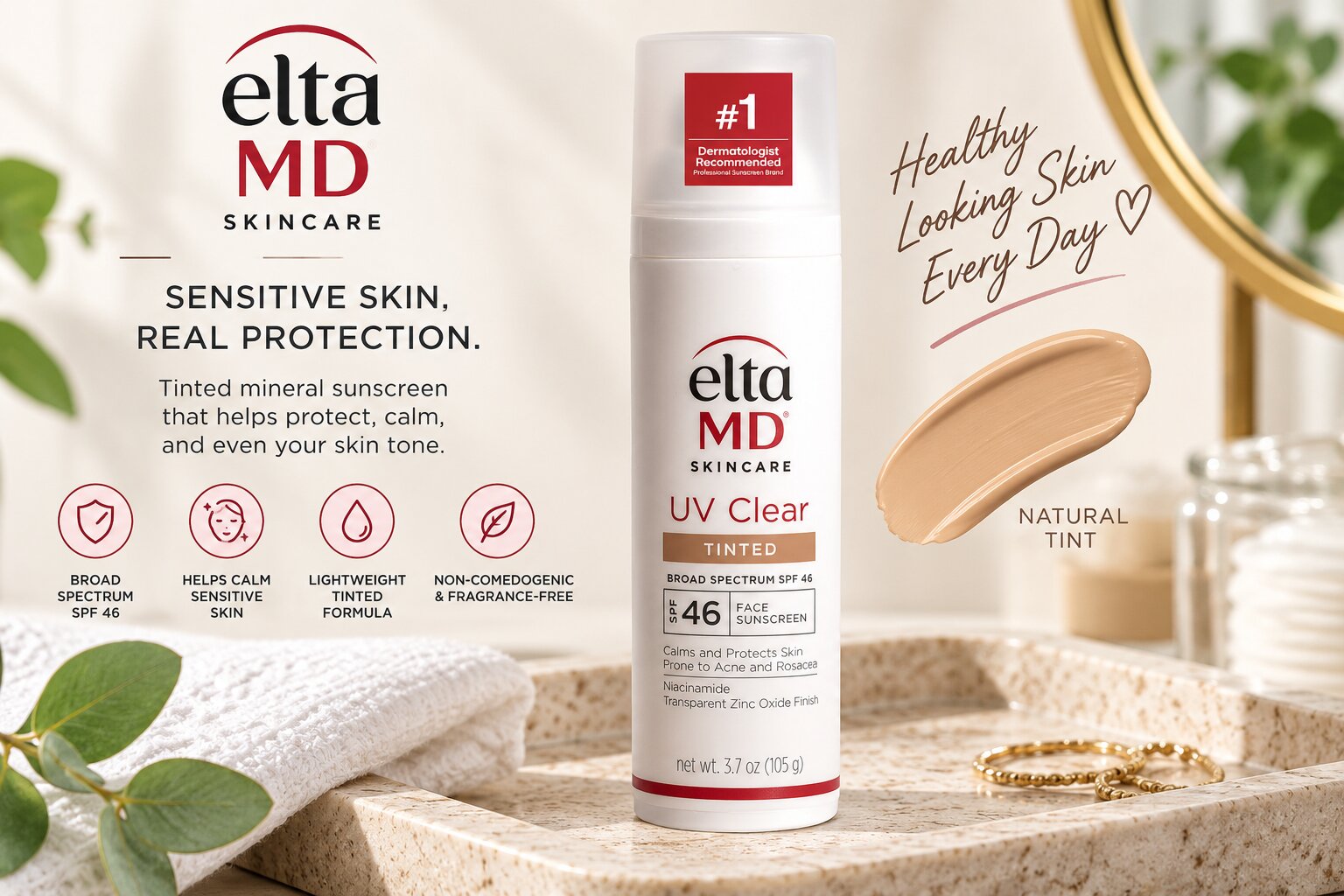
Dark spots change the sunscreen conversation because UV exposure is not the only part of the picture. Dermatology guidance notes that visible light can also contribute to hyperpigmentation, particularly in darker skin tones. Tinted sunscreens containing iron oxides can provide additional visible-light protection.
The tint also changes the cosmetic experience. It can reduce the stark appearance of some mineral or sunscreen residue and may work as a light complexion-evening step. Shade matching matters, though, and one tint will not necessarily work across every skin tone.
For a deeper explanation, the American Academy of Dermatology’s melasma guidance discusses broad-spectrum sunscreen, SPF 30+, reapplication, and tinted sunscreen with iron oxide as part of sun-protection habits for hyperpigmentation.
AhemBeauty also covers brightening serums and eye serums if you are building a broader pigmentation-focused skincare routine.
Best Lightweight Sunscreen for Makeup — Supergoop! Unseen Sunscreen SPF 50
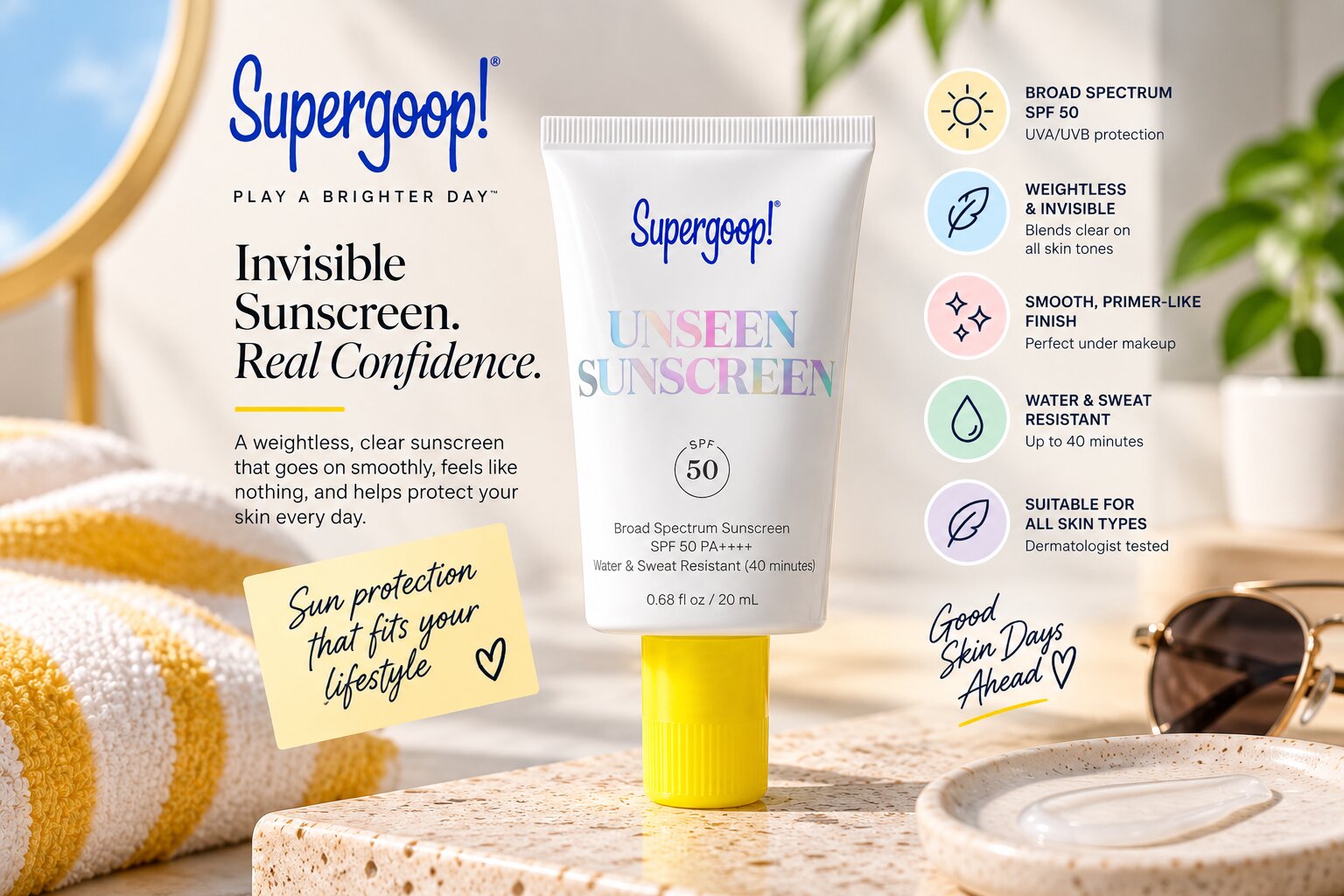
Makeup users often judge sunscreen by what happens five minutes later. Does foundation move? Does the sunscreen pill? Does the face become unusually shiny? A clear, primer-like sunscreen is designed around those practical questions.
The biggest advantage of an invisible texture is that it can fit into routines where visible sunscreen residue would be distracting. It can also make the transition from skincare to makeup more straightforward.
Application technique still matters. Using too little sunscreen simply to avoid pilling defeats the purpose. Apply enough for the intended protection, allow layers to settle, and remember that reapplication can be difficult over makeup during a long outdoor day.
Best Affordable Daily Sunscreen — Neutrogena Ultra Sheer Dry-Touch Sunscreen SPF 50
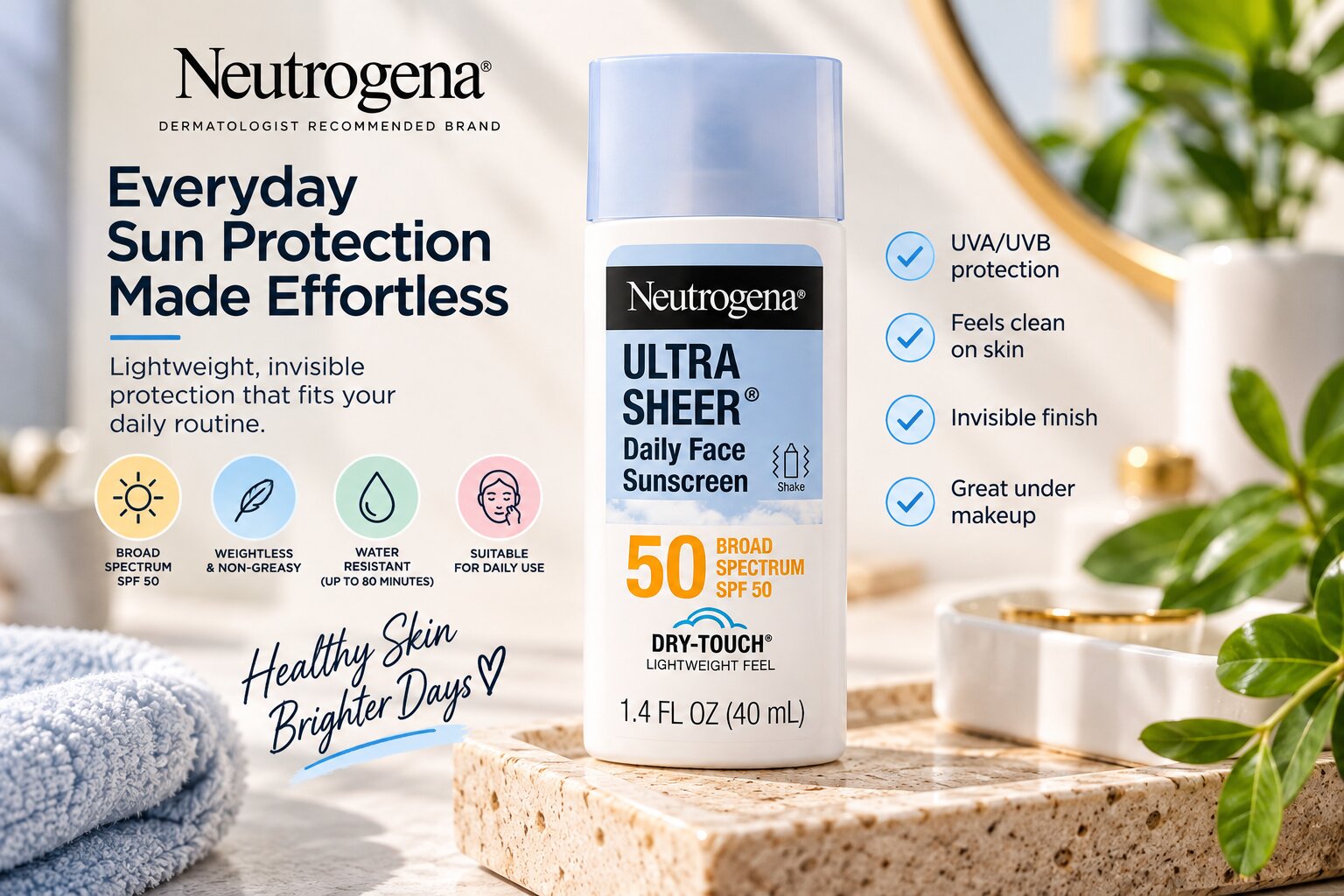
Price matters because sunscreen is a repeat-purchase product. An affordable option can make it easier to use enough product on the face, neck, ears, and exposed body areas instead of rationing a premium bottle.
The Ultra Sheer line is built around a lighter-feeling sunscreen experience compared with old-fashioned thick formulas. The exact formula can change over time, so always compare the current package with the listing before purchase.
The important distinction is that “affordable” should not be confused with “less important.” Sunscreen is most useful when it is used consistently and according to the label, and a product that fits a realistic budget can support that consistency.
Best Water-Resistant Sunscreen — Supergoop! PLAY Everyday Lotion SPF 50
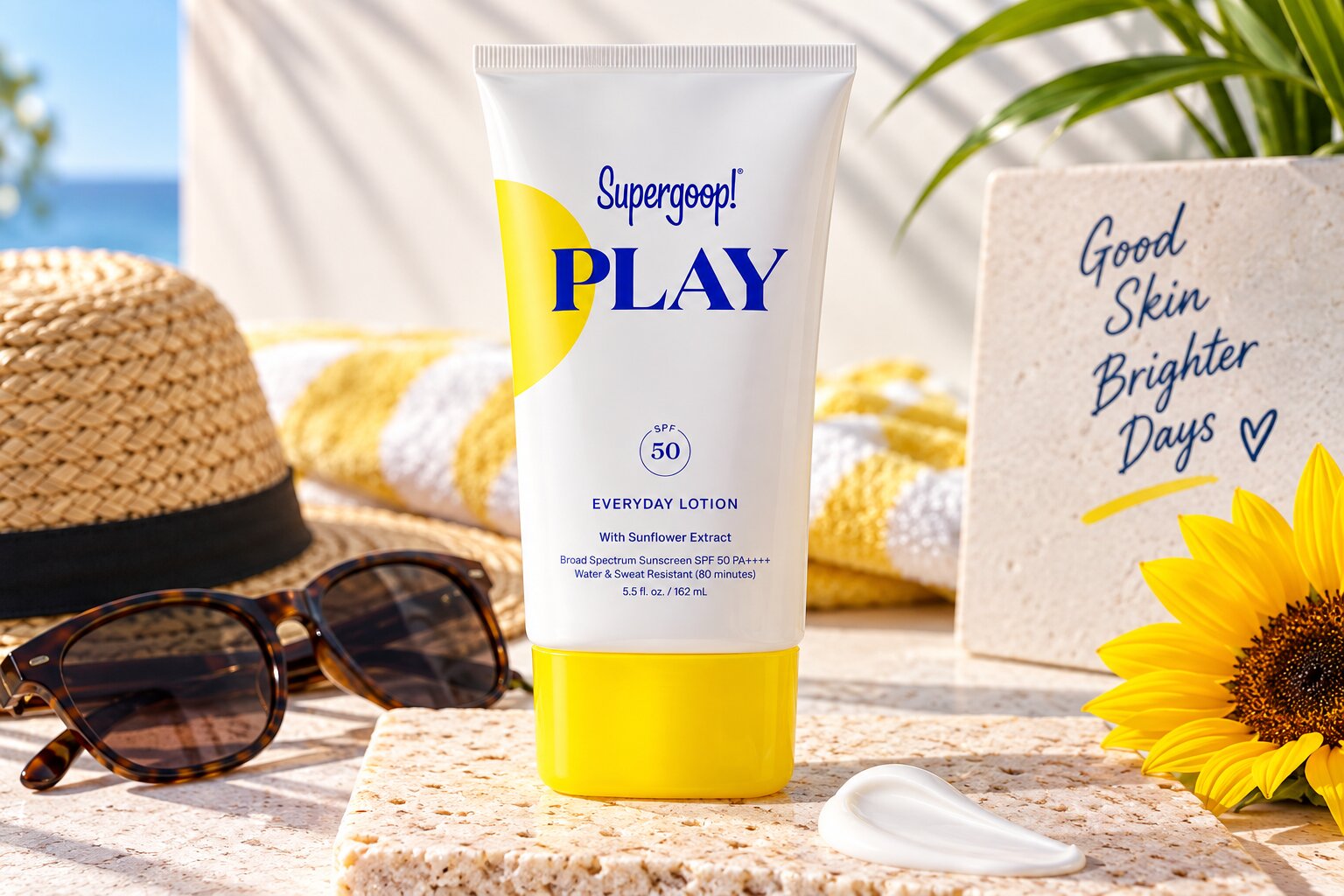
Water resistance is not a feature you need equally every day. It becomes much more relevant when you are swimming, exercising outdoors, sweating heavily, or spending a long period in the sun.
Supergoop! PLAY is positioned as a face-and-body lotion and is designed for active use. For people who want one sunscreen format for a beach day or outdoor trip rather than a small facial formula, that can be convenient.
Remember that “water resistant” does not mean waterproof. The FDA does not allow sunscreen products to claim they are waterproof or sweatproof, and water-resistance claims are tied to specific test durations. Follow the product label for reapplication after swimming, sweating, or towel drying.
The FDA’s sunscreen guidance explains the distinction between water-resistant labeling and unsupported waterproof or sweatproof claims.
Best Sunscreen for Outdoor Use — Neutrogena Beach Defense Water + Sun Protection SPF 70
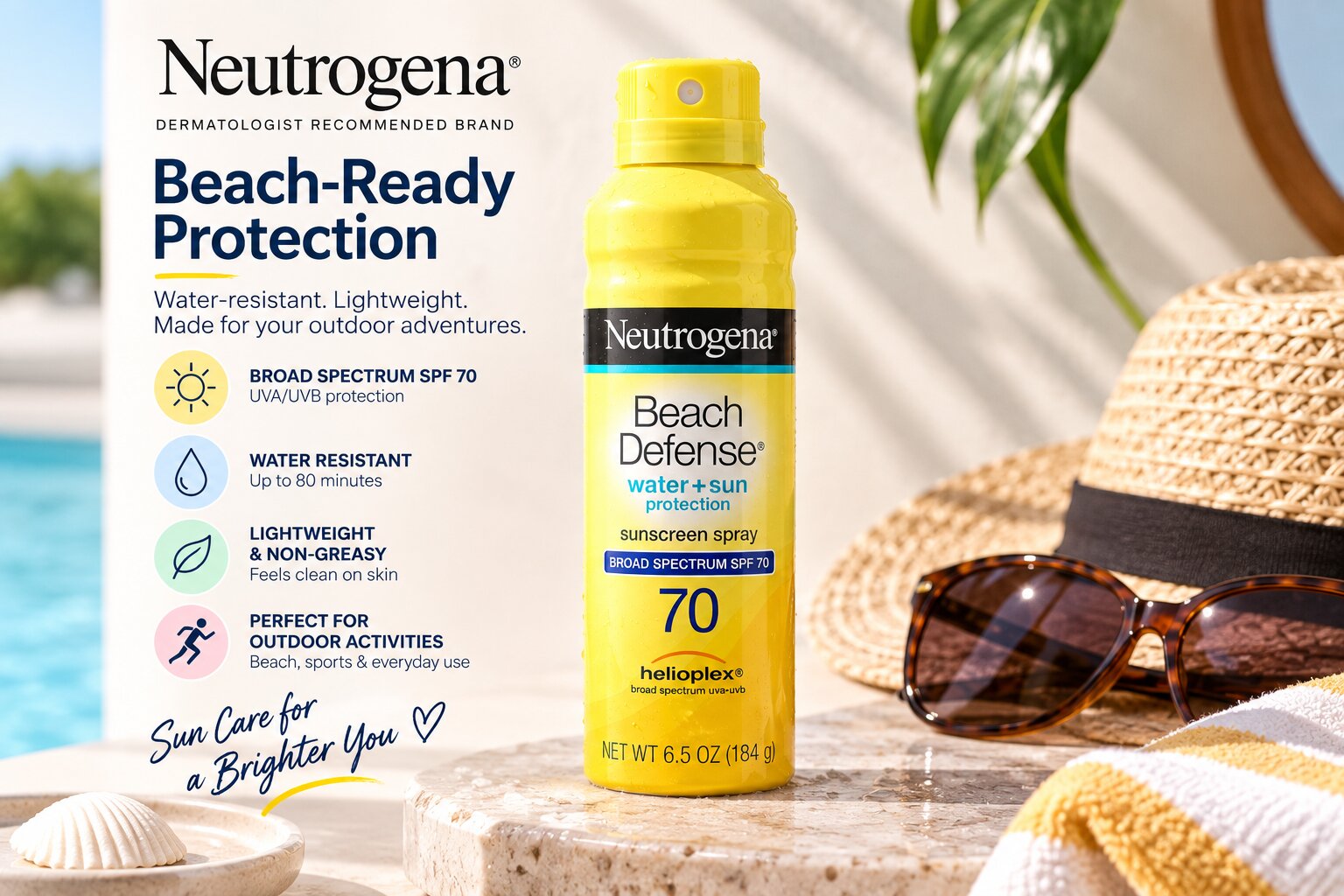
Outdoor sunscreen has a different job from the SPF you wear during a short indoor workday. The relevant questions become water resistance, coverage, application amount, and whether you are willing to reapply as exposure continues.
The SPF 70 rating provides a higher labeled protection level than SPF 30 or 50, but it should not be interpreted as permission to stay outside longer or reapply less often. SPF is not a timer.
For outdoor days, sunscreen should be one layer of a larger sun-protection strategy that can include shade, clothing, hats, sunglasses, and planning around intense sun exposure.
Specs Compared
The table below is designed as a quick comparison, not a ranking system. “Best for” describes the use case this guide emphasizes; it does not mean the product is universally superior for that skin type.
| Product | Category | SPF | Format / Filter Focus | Key Practical Consideration |
|---|---|---|---|---|
| EltaMD UV Clear Face | Overall | 46 | Facial sunscreen | Lightweight daily wear |
| La Roche-Posay Anthelios Clear Skin | Oily skin | 60 | Dry-touch facial sunscreen | Less shiny finish |
| CeraVe Hydrating Mineral | Dry skin | 50 | Mineral | Hydrating skincare profile |
| Vanicream Facial Moisturizer | Sensitive skin | 30 | Zinc oxide mineral | Simple moisturizer-SPF format |
| La Roche-Posay Clear Skin | Acne-prone skin | 60 | Dry-touch facial sunscreen | Oil-conscious texture |
| EltaMD UV Clear Tinted | Dark spots | 46 | Tinted facial sunscreen | Visible-light consideration |
| Supergoop! Unseen | Makeup | 50 | Clear primer-like sunscreen | Cosmetic compatibility |
| Neutrogena Ultra Sheer | Value | 50 | Dry-touch sunscreen | Practical everyday format |
| Supergoop! PLAY | Water-resistant | 50 | Face/body lotion | Active and outdoor use |
| Neutrogena Beach Defense | Outdoor | 70 | Face/body sunscreen | Higher SPF and outdoor use |
What We Learned From the Research
SPF is important, but it is not a timer
SPF describes protection against sunburn from UVB under standardized testing conditions. It should not be interpreted as “SPF 50 lasts longer than SPF 30.” Reapplication is still necessary, particularly during outdoor exposure.
The American Academy of Dermatology recommends choosing a sunscreen that is broad-spectrum, SPF 30 or higher, and water resistant when appropriate. The AAD also recommends applying sunscreen about 15 minutes before going outdoors and reapplying approximately every two hours when outdoors, as well as after swimming or sweating.
Broad-spectrum protection covers UVA and UVB
UVB is strongly associated with sunburn, while UVA contributes to photoaging and can pass through window glass. A broad-spectrum label indicates protection against both UVA and UVB.
That distinction is why “SPF 70” by itself is not enough information. The word broad-spectrum and the product’s directions matter too.
Tinted sunscreen can matter for hyperpigmentation
Visible light can contribute to hyperpigmentation, particularly in darker skin tones. The AAD notes that tinted sunscreens containing iron oxide can provide additional visible-light protection. This makes tint a functional consideration for some people, not merely a cosmetic preference.
Mineral versus chemical is not a universal safety contest
Mineral sunscreens generally use zinc oxide and/or titanium dioxide as UV filters, while chemical sunscreens use organic UV-filter ingredients. Both categories can provide broad-spectrum protection when properly formulated and used according to the label.
The practical question is often which formula gives you the protection you need without causing irritation, excessive dryness, visible residue, or a texture you stop using.
Water resistance has a specific meaning
The FDA permits water-resistance claims tied to 40 or 80 minutes under testing conditions. Sunscreens cannot legitimately be described as waterproof or sweatproof. After swimming or heavy sweating, follow the label’s reapplication instructions.
Daily use at home depends on exposure
“Daily sunscreen” does not mean every person needs identical protection every minute indoors. UVA can pass through window glass, so exposure is more relevant for someone sitting beside bright windows than for someone spending most of the day away from direct sunlight. Outdoor exposure, driving, and time near windows can all change the practical need.
The useful habit is to assess your actual exposure rather than treating “indoors” as a universal zero-UV environment.
Application amount is part of the product’s performance
Sunscreen testing uses a standardized application amount. Using much less than the tested amount can reduce the protection you actually receive. This is one reason a comfortable formula matters: people are more likely to apply enough when the product feels acceptable.
Face, neck, ears, and exposed areas count
A facial sunscreen routine should not stop at the center of the face. The neck, ears, hairline, and other exposed areas can also receive sunlight. For body exposure, choose a product format that makes applying enough product realistic.
How to Choose
1. Start with broad-spectrum SPF 30+
For general daily use, broad-spectrum SPF 30 or higher is a useful baseline. If you spend significant time outdoors, your product choice may also need water resistance and a texture that makes generous application practical.
2. Match the finish to your skin
Oily skin often prefers lighter or dry-touch textures. Dry skin may prefer moisturizing formulas. Sensitive skin may benefit from simpler, fragrance-free options. None of these categories is absolute, but they are useful starting points.
3. Consider mineral filters if that fits your routine
If you prefer mineral sunscreen, look for zinc oxide and/or titanium dioxide and pay attention to the finish. Mineral does not automatically mean invisible, and the cosmetic result varies between formulas.
4. If dark spots are a concern, consider tint
Look for a tinted broad-spectrum sunscreen that contains iron oxides if visible-light protection is relevant to your pigmentation routine. A shade that blends well is important because poor cosmetic fit can reduce consistent use.
5. If you wear makeup, prioritize layering behavior
Look for a sunscreen described as lightweight, clear, primer-like, or makeup-compatible, but still apply an adequate amount. Give skincare layers a moment to settle if pilling is a problem.
6. If you swim or sweat, check the water-resistance time
Do not stop at the words “water resistant.” Check whether the label specifies 40 or 80 minutes and follow reapplication instructions after swimming, sweating, or towel drying.
7. Do not choose SPF solely by the largest number
SPF 70 is not a replacement for reapplication, shade, clothing, or adequate application. For many everyday routines, a well-tolerated SPF 30–50 broad-spectrum sunscreen may be easier to use consistently.
8. Think about climate and humidity
In hot and humid climates, a sunscreen that feels comfortable after several hours can be easier to maintain. If sweat and shine are major concerns, dry-touch textures may be more appealing; if the skin is dry or irritated, a more moisturizing base may make more sense.
9. Consider your neck and body routine
A small facial tube may be excellent for the face but impractical for arms, shoulders, chest, or legs. For outdoor days, a larger face-and-body lotion can make consistent coverage easier.
Common Sunscreen Mistakes That Can Undermine a Good Product
- Using too little because the texture feels heavy.
- Applying sunscreen only to the face while leaving the neck and ears exposed.
- Waiting until after going outside to apply it.
- Assuming a high SPF means reapplication is unnecessary.
- Treating “water resistant” as “waterproof.”
- Ignoring sunscreen around windows or during long drives when sunlight exposure is substantial.
- Choosing a product that looks good in a bottle but is uncomfortable enough that you stop using it.
- Relying on sunscreen alone instead of combining it with shade, clothing, hats, and sunglasses during prolonged outdoor exposure.
What Reddit Can—and Cannot—Tell You About Sunscreen
Online communities can be useful for identifying practical issues that product descriptions may not emphasize: pilling, eye sting, white cast, makeup compatibility, texture in humidity, or how a formula behaves after several skincare layers.
Those experiences are anecdotal rather than controlled evidence. A person reporting that a sunscreen caused breakouts or worked perfectly for them does not establish how it will perform for everyone. For safety, SPF, water-resistance, and label claims, manufacturer information and authoritative dermatology or regulatory guidance are more appropriate reference points.
Face Sunscreen vs. Body Sunscreen
Facial sunscreens often prioritize cosmetic elegance because they are worn every morning and may be layered with skincare or makeup. Body sunscreens tend to prioritize coverage, spreadability, and practical packaging.
Neither category is inherently more protective simply because it is labeled “face” or “body.” The more important questions are whether it provides the protection claimed on the label and whether you can apply enough to the exposed area.
How We Evaluate
AhemBeauty’s approach for this guide is research-led rather than a claim of laboratory performance testing. We compare products according to several editorial factors:
- Sun-protection information: SPF, broad-spectrum labeling, and water-resistance claims where applicable.
- Intended use: daily facial wear, oily skin, dry skin, sensitive skin, makeup, active outdoor use, or pigmentation-focused routines.
- Texture and routine fit: whether the product category is designed around dry-touch, hydrating, clear, tinted, or face-and-body use.
- Ingredient and formula context: mineral versus chemical filter approach and notable skincare ingredients when reliably documented.
- Practical limitations: possible white cast, heaviness, shade limitations, water-exposure considerations, or the need to reapply.
- Source quality: preference for authoritative dermatology and regulatory guidance when making general sunscreen claims.
This approach is intentionally transparent. We do not present an editorial research comparison as if it were a laboratory test, clinical trial, or personal-use diary. Product formulations can change, so readers should verify the current label before use.
FAQ: Best Sunscreens for Daily Use
What SPF is best for everyday use?
The American Academy of Dermatology recommends broad-spectrum SPF 30 or higher for routine sun protection. The right choice also depends on how much time you spend outdoors, whether you swim or sweat, and whether you can comfortably apply enough product.
Is SPF 50 better than SPF 30 for daily use?
SPF 50 provides a higher labeled level of UVB protection than SPF 30 under standardized testing, but it is not a license to stay in the sun longer or skip reapplication. Both can be appropriate depending on exposure and personal preference.
Should I wear sunscreen indoors?
It depends on your exposure. UVA can pass through window glass, so sunscreen can be more relevant if you spend significant time near bright windows or drive regularly. Someone who stays away from sunlight indoors has a different exposure pattern.
Is mineral sunscreen safer than chemical sunscreen?
There is no universal rule that one category is safer or better for every person. Mineral and chemical sunscreens use different UV-filter systems. Skin tolerance, cosmetic finish, broad-spectrum protection, and consistent use are all relevant.
Is tinted sunscreen better for dark spots?
Tinted sunscreen can be particularly useful for hyperpigmentation because formulas containing iron oxides can add protection against visible light. The AAD specifically discusses tinted sunscreen with iron oxide as a useful consideration for melasma and darker skin tones.
How often should I reapply sunscreen?
When outdoors, the AAD generally recommends reapplying approximately every two hours and after swimming or sweating. Always follow the specific product label, especially for water-resistant sunscreens.
Can I use the same sunscreen on my face and body?
Yes, if the product is labeled for that use and you find the texture comfortable. Facial sunscreens often emphasize cosmetic finish, while body formulas may prioritize spreadability and larger packaging.
Does higher SPF mean I can apply less?
No. Higher SPF does not compensate for inadequate application. Sunscreen should be applied according to the product directions and reapplied as recommended.
Can sunscreen prevent dark spots from getting worse?
Sun protection is an important part of managing hyperpigmentation because UV and visible-light exposure can worsen pigmentation. Tinted sunscreen with iron oxide may offer additional visible-light protection. Persistent pigmentation should be discussed with a qualified healthcare professional.
What should I look for if sunscreen pills under makeup?
Try simplifying the layers underneath, allow skincare to settle, and choose a sunscreen with a texture designed for cosmetic layering. Avoid deliberately using too little sunscreen just to make makeup look smoother.
Final Thoughts
The best sunscreen is rarely determined by SPF number alone. For everyday use, the more useful question is whether the formula gives you broad-spectrum protection and fits naturally into the routine you can maintain.
Oily skin may prefer a dry-touch finish. Dry skin may appreciate a moisturizing base. Sensitive skin may benefit from a simpler fragrance-free approach. People concerned about dark spots may want a tinted formula containing iron oxides. And anyone spending significant time swimming, sweating, or outdoors should pay particular attention to water-resistance labeling and reapplication.
In other words, choosing among the Best Sunscreens for Daily Use is less about finding one universal winner and more about matching protection requirements to real-life behavior.