
A closer look at the skincare ingredients and products worth considering this winter, from barrier-repair moisturizers to PDRN, peptides, vitamin C and tinted sunscreen.
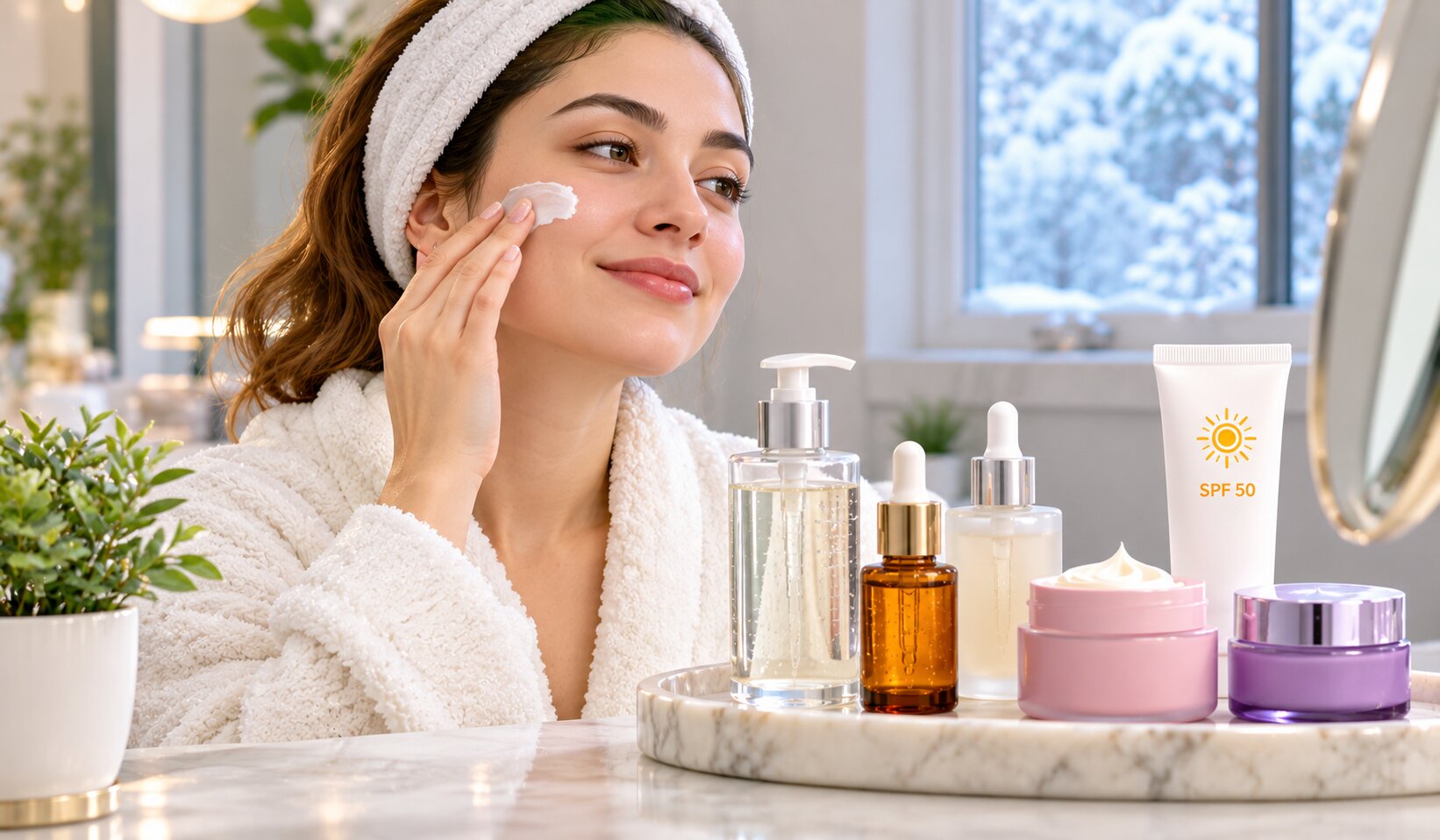
Imagine stepping onto a crowded New York subway on a cold November morning. A woman checks her reflection in her phone, smooths a layer of moisturizer over her cheeks, and scrolls past another video promising glass skin in seven days. The next clip promotes a salmon DNA serum. Another recommends a ten-step routine.
That is the kind of skincare noise consumers face this winter. New ingredients arrive with impressive names, established products get repackaged as discoveries, and social media turns individual routines into universal advice.
The more useful question is simpler: which products and ingredients have enough evidence to justify a place in a winter skincare routine?
Recent US beauty sales figures suggest consumers are still spending on skincare, while dermatology research offers a more measured way to assess the ingredients attracting attention. The evidence points toward a practical approach: protect the skin barrier, choose treatments for a clear concern, and be selective about expensive trends.
US skincare sales remain strong, but sales data has limits
Circana reported that US prestige skincare sales reached $7.4 billion through September 2026, up 7% from the same period a year earlier. Prestige skincare unit sales also recorded double-digit growth. In the mass market, skincare dollar sales rose nearly 8%, while unit sales increased by a mid-single-digit rate.
The figures suggest that consumers continue to buy skincare across price categories. They do not tell us which ingredients are selling fastest, whether customers are buying more products per routine, or whether women are responsible for the growth. Circana’s figures cover the wider market, not a gender-specific survey.
For shoppers, the more relevant point is that a higher price does not automatically mean a better formula. A well-made moisturizer from a drugstore can meet a basic hydration need just as effectively as a prestige product. The right choice depends on the formula, skin type, tolerance, and price.
Skin barrier repair is a sensible winter priority
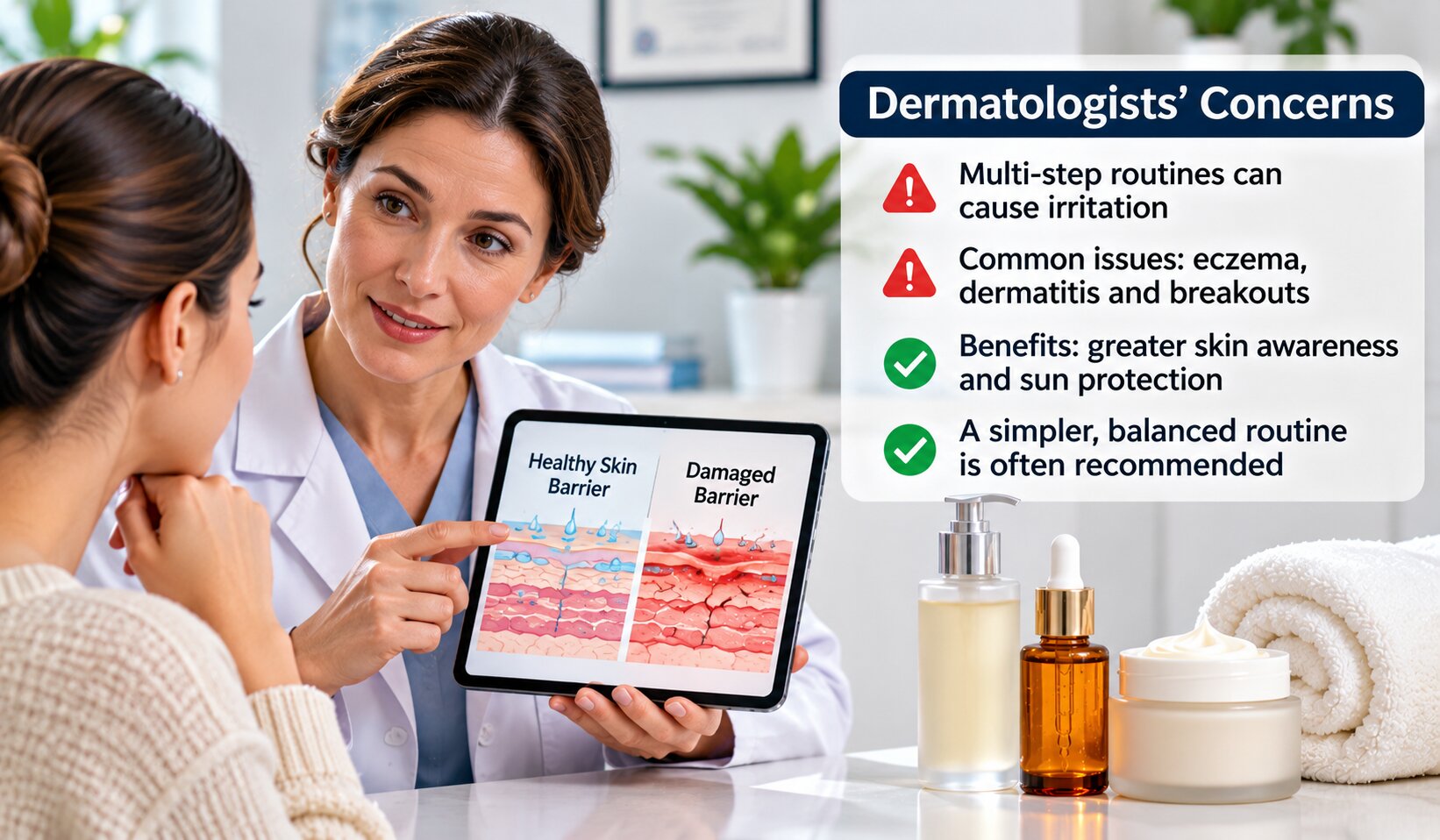
Cold outdoor air, indoor heating, wind, and frequent temperature changes can leave skin feeling tight or dry. People who already use retinoids or exfoliating acids may notice more irritation during winter.
The skin barrier helps limit water loss and protects against external irritants. When it is disrupted, skin can become dry, flaky, sensitive, or uncomfortable. Adding more active ingredients is unlikely to solve that problem.
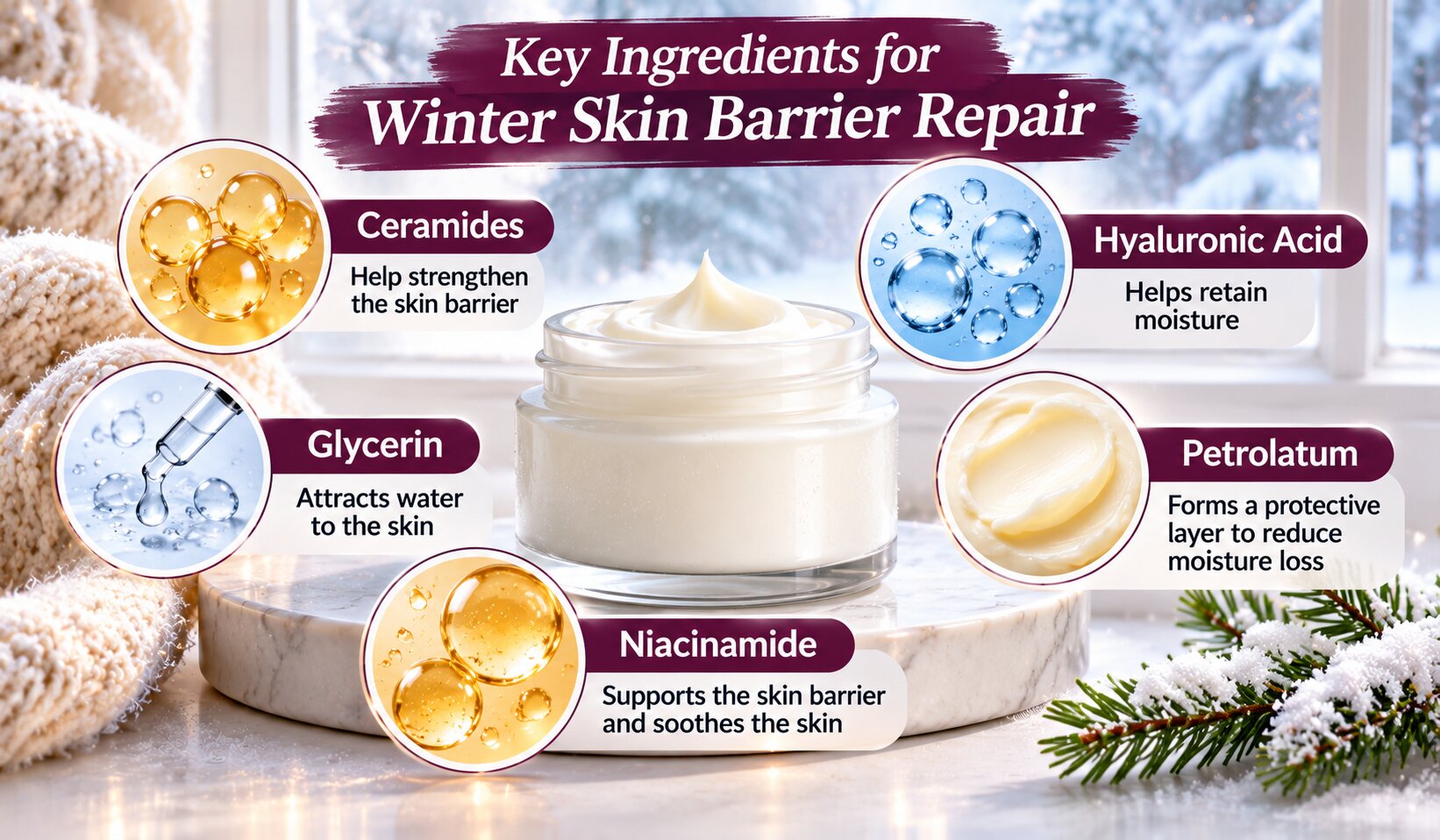
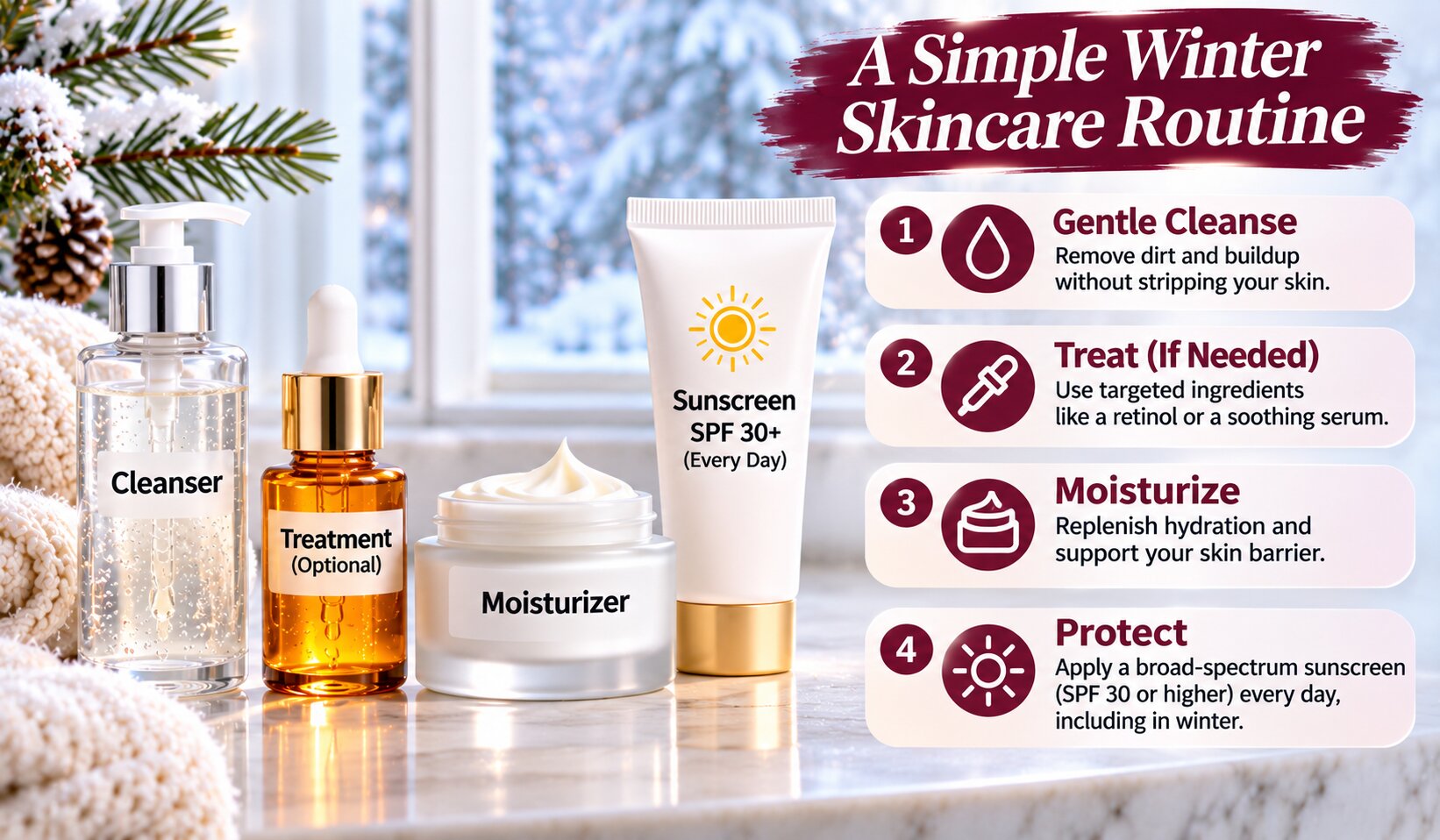
A basic routine built around a gentle cleanser and a moisturizer may be enough for many people. Look for ingredients such as ceramides, glycerin, hyaluronic acid, petrolatum, and dimethicone. These ingredients work in different ways to support hydration and reduce moisture loss.
A few real products illustrate the range of options:
AhemBeauty may earn a commission if you buy through the Amazon links below, at no additional cost to you. Product descriptions are based on published ingredient information; these products have not been independently tested by AhemBeauty.
CeraVe Moisturizing Cream
A richer face-and-body cream containing ceramides, hyaluronic acid, dimethicone, and petrolatum. It may suit people who prefer a thicker moisturizer.
La Roche-Posay Toleriane Double Repair Face Moisturizer
A lighter facial moisturizer with ceramide-3, niacinamide, and glycerin.
Vanicream Daily Facial Moisturizer
A lightweight option containing hyaluronic acid and five ceramides, made for sensitive skin.
These are product examples based on their published ingredient lists, not products independently tested by AhemBeauty. Formulas can change, so shoppers should check the packaging before buying.
PDRN serums: an interesting ingredient with unanswered questions
PDRN, short for polydeoxyribonucleotide, has become a popular ingredient in skincare discussions. It is often associated with salmon-derived DNA fragments and products marketed around skin repair, hydration, and a smoother appearance.
The ingredient has a history in medical and aesthetic research, but that does not mean every topical serum containing PDRN has been proven to deliver the same results as an injectable treatment.
A 2026 systematic review published in Cureus examined seven randomized controlled trials involving 183 participants. The review reported findings related to skin quality and repair, but the number of studies and participants remains limited.
That distinction matters when shopping. Evidence from injections cannot automatically be applied to a serum used at home. Product concentration, formulation, delivery, and the way an ingredient is used all affect what it can realistically do.
A PDRN serum may appeal to someone who enjoys trying newer skincare ingredients, but it should not replace a moisturizer, sunscreen, or a treatment with stronger evidence for a specific concern. Be cautious of products promising dramatic regeneration or results comparable to clinical procedures.
Peptides: promising research, but check what was studied
Peptides are short chains of amino acids used in skincare products with claims around firmness, wrinkles, and skin texture. Different peptides have different functions, and the word itself does not tell shoppers how well a particular formula has been studied.
A 2026 systematic review and meta-analysis published in Frontiers in Medicine examined 19 randomized controlled trials involving 1,341 participants. Seventeen studies investigated oral peptide supplements, while only two examined topical formulations.
The review reported potential benefits across some measures, but the evidence for topical peptide products was much thinner. Results from oral supplements should not be used to prove that a peptide serum applied to the face will reduce wrinkles.
For shoppers, the takeaway is to look beyond the word “peptide” on a label. Check which peptide is included, what the manufacturer claims it does, and whether there is relevant research on that particular type of use. A high price and a long ingredient list do not establish effectiveness.
Vitamin C remains a useful option for uneven tone
Vitamin C has been studied for its antioxidant properties and its role in supporting a more even-looking skin tone. It is often used in morning routines, although the quality of the formulation matters.
A 2026 review indexed in PubMed examined 44 studies on topical vitamin C. It discussed how concentration, pH, stability, and delivery systems affect the ingredient’s performance.
That helps explain why two products with “vitamin C” on the front label may not perform alike. Vitamin C can be unstable in some formulations, and a product’s packaging and storage conditions matter.
People with sensitive skin may find some formulas irritating, particularly when they combine vitamin C with several exfoliating products. Starting with a lower-strength formula and introducing one new product at a time is a more cautious approach.
Vitamin C is not a substitute for sun protection, and it will not remove every form of pigmentation. Persistent dark patches or melasma may need a dermatologist’s assessment.
Retinol still has a place, but winter is not a reason to overuse it
Retinol remains a familiar over-the-counter ingredient for concerns such as fine lines, uneven texture, and acne. It can cause dryness, peeling, redness, and irritation, especially when someone starts too quickly or combines it with several other active ingredients.
A simple routine is often easier to tolerate. Introduce retinol gradually, follow the product directions, and use a moisturizer. If irritation develops, reduce use or pause the product rather than pushing through persistent discomfort.
People who are pregnant or planning pregnancy should ask their healthcare professional about retinoid use and avoid starting a retinoid without medical advice.
There is little benefit in using retinol, strong exfoliating acids, vitamin C, and several new serums all at once. When irritation appears, it becomes difficult to identify which product caused it.
The US sunscreen update shoppers should know about
In June 2026, the US Food and Drug Administration took a significant step in its regulation of over-the-counter sunscreen ingredients. The agency announced that bemotrizinol would be added to the US sunscreen framework, with a permitted concentration of up to 6% under the relevant final administrative order.
The FDA described it as the first new sunscreen active ingredient added to the US OTC sunscreen monograph since the late 1990s. The announcement and the final administrative order have different dates: the FDA press release was issued on June 9, 2026, and the final order followed on June 10.
This does not mean every sunscreen sold in Europe, Asia, or Australia can automatically be marketed in the United States. US sunscreen products remain subject to FDA requirements.
For everyday shopping, consumers should continue to check the product label for broad-spectrum protection and an SPF of at least 30. Apply enough to cover exposed skin and reapply at least every two hours when outdoors, and after swimming or sweating, following the product’s directions.
Explore AhemBeauty’s guide to the best sunscreens for daily use for more product options.
South Asian skin tones, pigmentation, and the sunscreen problem
Hyperpigmentation is a common concern for people with South Asian skin tones. Dark marks can follow acne, irritation, eczema, or an aggressive skincare treatment. Melasma can also cause brown or gray-brown patches, often across the cheeks, forehead, or upper lip.
The challenge is that a treatment that irritates the skin can make discoloration more noticeable. Strong exfoliation, harsh scrubs, and introducing several active ingredients together may worsen inflammation and leave darker marks behind.
Dr. Muneeb Shah, a board-certified dermatologist known as DermDoctor, has spoken publicly about this issue. In a 2023 interview with People Chica, he said: “I’m South Asian so my family and I struggle with hyperpigmentation as well.” He discussed tinted sunscreen as a useful form of protection because iron oxides can help block visible light.
“I’m South Asian so my family and I struggle with hyperpigmentation as well.”Dr. Muneeb Shah, board-certified dermatologist, in an interview with People Chica.
The American Academy of Dermatology also recommends tinted sunscreen containing iron oxide for people with melasma, particularly those with darker skin tones. Visible light can worsen melasma, and a standard sunscreen may not provide the same visible-light protection as a suitable tinted formula.
This is especially relevant for shoppers who find that many mineral sunscreens leave a gray or white cast. A tinted formula may blend more naturally, but shade matching matters. A product that looks suitable in its online photograph may appear very different on the face.
South Asian skin is not one single skin type or shade. Skin tone, oil production, sensitivity, acne history, and pigmentation patterns vary widely. Someone with oily, acne-prone skin may prefer a lighter sunscreen, while someone with dry skin may want a more moisturizing formula. The label and texture should match the person’s needs.
For persistent melasma, acne-related dark marks, or pigmentation that keeps returning, a dermatologist familiar with treating darker skin tones can help reduce the risk of irritation and unwanted discoloration. Treatments such as prescription creams, chemical peels, or laser procedures need to be selected carefully for the individual’s skin.
See AhemBeauty’s mineral sunscreen guide for more options to compare.
Buying skincare in the US: where to be careful
US shoppers can compare skincare at Sephora, Ulta Beauty, Target, CVS, and brand websites. The same product may be available at different prices, and promotions can make a prestige item temporarily more affordable.
Online marketplaces require extra care. On Amazon and TikTok Shop, check who is actually selling the product, whether the seller is authorized, and whether the packaging and product details match the manufacturer’s official listing. A familiar brand name does not guarantee that every third-party listing is genuine.
Be wary of unusually low prices, misspelled packaging, missing batch information, broken seals, or sellers with little history. If a product causes an unexpected reaction or seems different from the one previously purchased, stop using it and contact the manufacturer.
Cosmetics also have a shelf life. Heat, sunlight, air exposure, and contamination can affect some products over time. The FDA explains that cosmetics may deteriorate even when an expiration date is not printed on the package. Follow storage instructions and discard products that change in smell, color, or texture.
What is worth buying this winter?
For most people, the sensible winter purchase is a moisturizer that suits their skin, rather than another expensive serum chosen because it is trending.
A practical shopping order looks like this:
- Replace a cleanser that leaves skin tight or uncomfortable.
- Choose a moisturizer that matches your skin type and the level of dryness you experience.
- Keep a broad-spectrum sunscreen in your daily routine.
- Add one treatment ingredient only if it addresses a specific concern.
- Give a new product time before deciding whether it suits your skin.
People with dry skin may prefer a richer cream. Those with combination or oily skin may find a lighter lotion more comfortable. Sensitive skin often benefits from fragrance-free formulas and fewer active ingredients.
A routine does not need to be expensive or complicated to be useful. The best product is one that meets a real need, suits the person’s skin, and can be used consistently.
AhemBeauty’s editorial verdict
The skincare market has plenty of new ingredients to talk about in 2026. PDRN and peptides are worth following as research develops, while vitamin C and retinol remain familiar options for specific concerns. The evidence is not equally strong for every product or every way an ingredient is used.
For winter, AhemBeauty’s recommendation is to start with the basics: a gentle cleanser, a suitable moisturizer, and daily sun protection. If pigmentation, acne, or persistent irritation is the main concern, choose a treatment with evidence for that issue and seek professional advice when needed.
A viral serum may be interesting. A comfortable, consistent routine is more likely to earn its place on the bathroom shelf.
Frequently asked questions
What is the biggest skincare trend in 2026?
Skin barrier care remains a major focus, alongside interest in ingredients such as PDRN and peptides. The evidence varies, so consumers should assess each product claim separately.
Is PDRN serum worth buying?
It may interest shoppers who want to try newer ingredients, but research on topical PDRN is still limited. Evidence from injectable treatments should not be treated as proof that an over-the-counter serum will produce the same results.
Are peptides effective for wrinkles?
Some research suggests potential benefits, but much of the 2026 evidence reviewed involved oral supplements. There are fewer strong studies on topical peptide products, so claims about peptide serums should be viewed cautiously.
Should I use vitamin C and retinol together?
Some people can use both in the same routine, but introducing them at the same time may increase irritation. A simpler approach is vitamin C in the morning and retinol in the evening, introduced gradually. Use sunscreen during the day.
What should people with South Asian skin look for in sunscreen?
People concerned about melasma or dark spots may benefit from a tinted sunscreen containing iron oxides, alongside broad-spectrum UV protection. Finding a shade that blends with the skin tone is important.
Is expensive skincare better than drugstore skincare?
No. Price alone does not establish how well a product works. Compare the ingredient list, formulation, packaging, and whether the product addresses your actual skin concern.
Sources and further reading
- Circana: US beauty industry sales update, November 2026
- American Academy of Dermatology: National Healthy Skin Month
- American Academy of Dermatology: Melasma self-care
- American Academy of Dermatology: How to fade dark spots in darker skin tones
- Dr. Muneeb Shah interview, People Chica
- PDRN systematic review, PubMed
- Peptide systematic review and meta-analysis, Frontiers in Medicine
- Topical vitamin C review, PubMed
- FDA: First new sunscreen active ingredient in more than 20 years
- FDA final administrative order OTC000039
- FDA: Cosmetics shelf life and expiration dating
This article is for general information and is not a substitute for personal medical advice. Product examples are based on publicly available ingredient information and have not been independently tested by AhemBeauty. Always check current product packaging and consult a qualified healthcare professional about individual skin concerns.