
What cat owners should know in 2026
This guide brings together practical advice on litter box hygiene, automatic cleaning systems, seasonal heat and cold safety, air travel and cat clothing. It separates veterinary guidance from product considerations and explains where individual cats may need different solutions.
- Veterinary guidance recommends one litter box per cat plus one extra.
- Daily scooping remains central to odour control.
- Automatic litter boxes need safe sensors, gradual introduction and regular checks.
- Cooling mats and outdoor shelters can help with comfort, but they do not replace proper care.
- Airline rules vary, so confirm carrier dimensions and pet policies before booking.
Ask a veterinary behaviourist what keeps cat owners phoning the clinic or lurking on forums, and the answer is rarely dramatic. It is the litter box. Fear Free, the veterinary-focused low-stress care programme, describes elimination problems as one of the biggest behavioural complaints vets hear from clients.
That makes mid-November a useful moment to take stock. In the US and Canada, the first hard frosts are pushing community cats towards porch shelters, while indoor cats spend longer stretches close to their trays. In the UK, the heatstroke advice that veterinary charities were publishing as recently as July is still fresh, and the holiday travel season, with its carriers, airport queues and unfamiliar rooms, is about to begin.
This guide pulls those threads into one place: how to choose and place a litter box, what actually controls odor, whether an automatic or self-cleaning model is worth it, how to keep a cat cool in summer and warm outdoors in winter, how to fly with one, and whether a cat dress belongs anywhere near your pet. It leans on veterinary guidelines, shelter-group advice and independent testing, and it says plainly where the evidence is thin. None of it replaces your own vet, who knows your cat.
Why the litter box is the quiet centre of cat health
A litter box is more than a chore station. It is the one place where a cat's health, stress levels and household politics all leave evidence. The University of Illinois veterinary teaching hospital lists number, size and location of boxes among the common environmental causes when a cat starts toileting outside the tray, alongside medical problems that a vet needs to rule out first (Illinois VTH handout).
That order of operations matters. A cat who suddenly avoids the box is not being spiteful. Pain, a urinary problem, arthritis that makes a high-sided box hard to climb into, or a fight with a housemate can all look identical from the doorway. If your cat strains, cries in the tray, passes blood, or produces little or no urine, call a vet the same day. A male cat who cannot pass urine is an emergency.
Many owners start with a search like "best cat litter box reddit" to hear from people who have lived with a model for years. That instinct is sound for everyday details such as noise, cleanup and whether a lid pops off. But peer threads cannot diagnose a cat, and they tend to reward whatever worked for one particular animal. The sections below stick to what vets and behaviourists broadly agree on, then flag where it comes down to your cat's temperament.
How many boxes, how big, and the best place to put a cat litter box
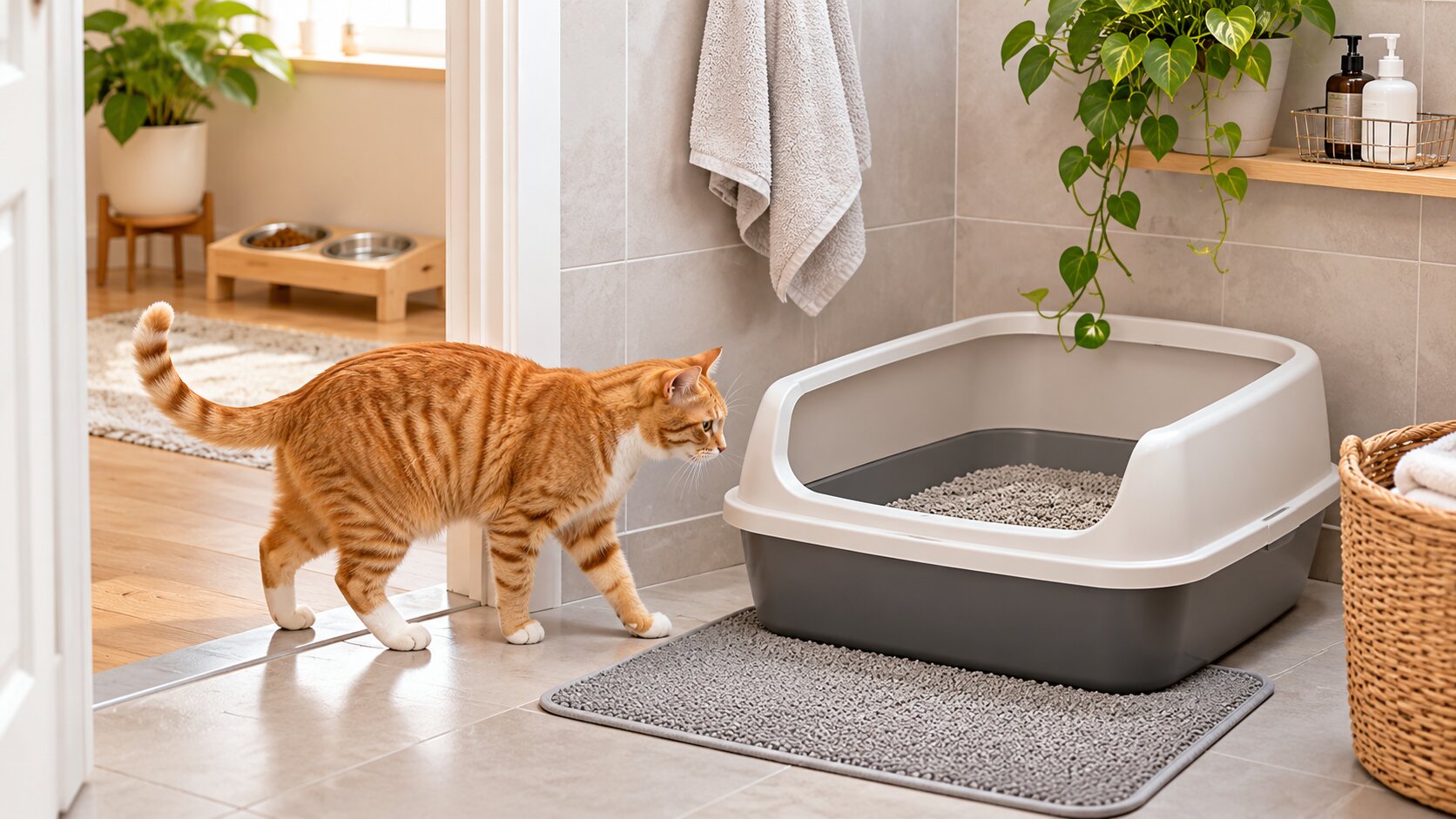
Start with the rule almost every source repeats. The joint AAHA/AAFP feline life stage guidelines recommend one litter box per cat plus one extra. Two cats, three boxes. That is the answer to "what is the best cat litter box for multiple cats" before any brand comes into it: a household with enough boxes in the right places beats a premium unit that has to serve everyone.
Size is the second thing most people get wrong. The same guidelines say a box should be at least one and a half times the length of the cat, and note that most manufactured boxes fall short. Their practical workaround is a large storage tub. Veterinary behaviourist Christine Calder, speaking to NBC Select, points out that size, depth and accessibility all affect whether a cat uses the box as intended. For that reason, the picks in that roundup start at roughly 22 inches long and deep enough for several inches of litter.
Placement is where homes tend to slip. The advice that keeps coming up:
- Keep it away from food. One veterinary resource suggests at least five feet between litter and food or water bowls (GeniusVets).
- Spread boxes out. Two trays side by side behave like one large tray, according to a vet quoted in Discover Magazine. In a multi-storey home, put one on each floor.
- Choose calm, not remote. Another vet in the same piece asked whether you would want "a porta-potty in the middle of a highway". Skip the washing-machine corner and the busiest hallway, but do not bury the box so far away that an older cat gives up the trip.
- Offer more than one way in. Illinois advises boxes that cats can approach from several angles, so a nervous cat is not cornered by a housemate.
So the best place to put a cat litter box is a quiet, easy-to-reach spot with an exit, away from the feeding area, repeated across the house if you have more than one cat.
Odor control: what actually works
If you want the best cat litter box for odor control, the unglamorous answer is scooping. Adoption and rescue guidance puts daily cleaning at the top of the list for managing smell and keeping cats willing to use the box. The Illinois handout and the AAHA/AAFP guidelines both note that cats can be sensitive to dirty trays, and that a smell you tolerate may be one your cat refuses.
Litter choice matters almost as much as the box. Veterinary resources generally favour traditional clumping litter, especially for a cat who is ill or stressed. On scent, the vets interviewed by Discover mostly leaned unscented. One of them said all that "perfumy stuff" can be annoying, though the magazine notes some studies suggest cats may not mind it. The practical lesson is that a fragrance sold to please your nose is not necessarily a feature for the cat.
Covered or open? Owners often assume a hood is the best cat litter box for odor, because it hides the tray. Cats see it differently. Fear Free reports that most cats prefer open boxes, and rescue guidance adds that in multi-cat homes a covered box can become an ambush spot. If you want a lid for your own reasons, watch how your cat behaves for the first week and be ready to remove it. Carbon-filter drawers, like the one in a model highlighted by NBC Select, are a reasonable middle path.
What about stainless steel? Owners and manufacturers argue that a stainless steel litter box does not scratch or hold odor the way worn plastic can. That is plausible, since scratches are hard to clean, but I could not find an independent trial that tests it. If you are tempted, treat it as a durability and cleaning-convenience upgrade, not an odor guarantee, and still choose a size that is one and a half times your cat's length.
And litter box furniture? Cabinets and benches that hide the tray are the stylish answer to "best cat litter box furniture", and they can genuinely help small flats look calmer. The trade-offs are practical. Many are too small, entrances can be awkward for older cats, and a closed cabinet traps smell and can make daily scooping feel like a hassle. A good test: if you can fit a full-size tray inside, reach every corner with a scoop, and your cat enters without hesitating, it is a keeper. If not, put the furniture around the box rather than the box inside the furniture.
Automatic, self-cleaning, robot and electric litter boxes
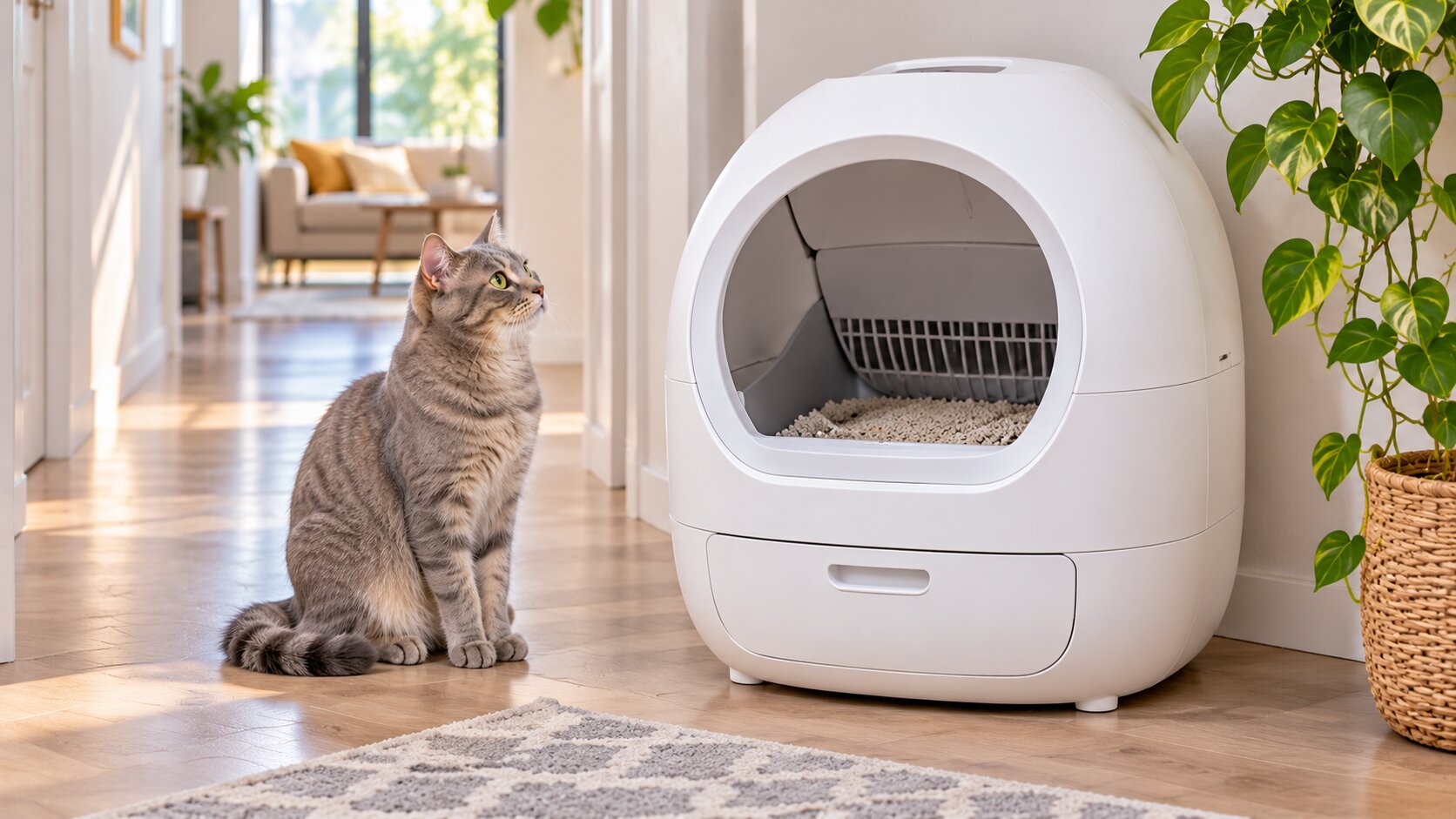
The best automatic cat litter box is a popular search for good reason: scooping is nobody's favourite chore. Independent testing has become more serious lately. Cats.com says it tested 45 automatic models, naming the Litter-Robot 5 Pro as its top pick, with the Litter-Robot 4 close behind. Other roundups, such as Kinship's, highlight models that analyse waste for health tracking, which is useful if you want early notice of changes in your cat's habits.
A few honest caveats before you buy a robot cat litter box or any electric model:
- Many rankings are commercial. A large share of "best self cleaning cat litter box" pages carry affiliate links, and the winners differ from site to site. Look for testers who describe cats, methodology and long-term use, and be wary of a page where every pick is a different Amazon listing.
- Automation does not replace the extra box. A retailer's multi-cat guide notes that one machine means more competition and no backup if it jams. That is a seller's view, but it squares with the vet rule of one box per cat plus one.
- Check the safety systems. Look for sensors that stop the cycle when a cat is inside, and read what owners say about reliability over months rather than days.
- Introduce it slowly. A moving, humming object in the cat's bathroom can frighten a shy animal. Leave the old tray available during the changeover.
For the best rated automatic cat litter box for multiple cats, prioritise capacity, cat-recognition features if you have cats of very different weights, and whether the machine can handle your litter. Some systems prefer clumping litter and reject others. Self-cleaning is a convenience, not a health policy, and you still need to look in the waste drawer regularly, because that is where a changed stool or urine pattern shows up.
Summer: heatstroke, and the best cooling mat for a cat
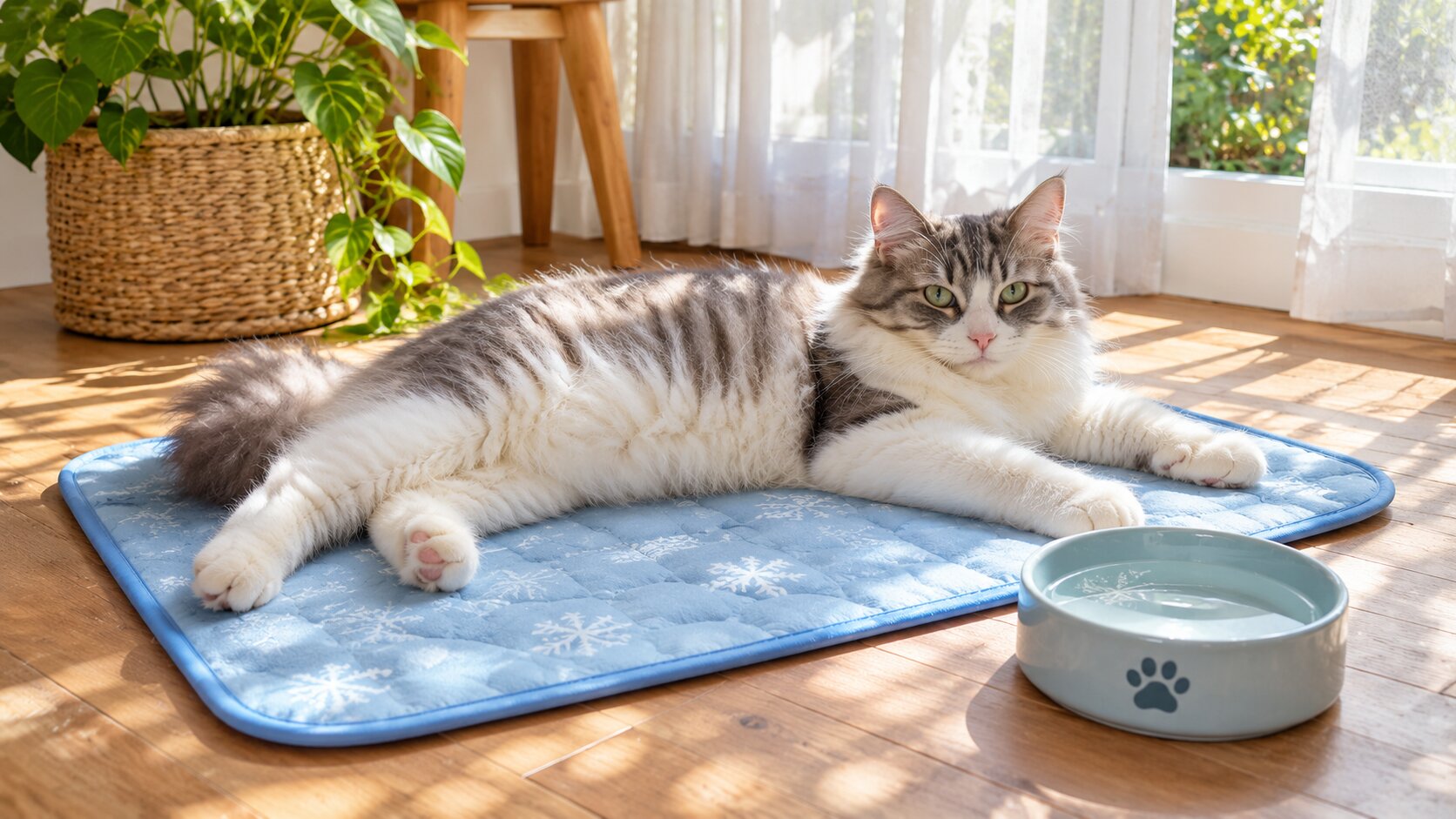
Cats seem built for warm windowsills, which is why owners underestimate heat. A cat's normal temperature sits between about 38.1°C and 39.2°C (100.6°F to 102.6°F). Veterinary guidance published by Vet Verified treats anything above 40°C (104°F) as dangerous. Petplan lists the warning signs: heavy breathing or panting, drooling, lethargy, a bright red tongue or gums, restlessness, vomiting and wobbliness, with collapse and seizures if it progresses.
Short-nosed breeds, overweight cats, kittens and seniors are at higher risk (Pet Health C