Affiliate disclosure: This article may contain affiliate links. If you buy through qualifying links, AhemBeauty may earn a commission at no extra cost to you.
Price note: Prices shown were checked on November 25, 2026. Retailer prices may change at any time, and availability or promotions can affect the final cost. Check the retailer listing for the latest price before purchasing.
A practical, ingredient-led guide to choosing a vitamin C serum by skin type, formula strength and tolerance—covering affordable daily options and higher-strength formulas.
The best vitamin C serum is the one that suits your skin, fits your routine and is formulated in a way you can tolerate consistently. Vitamin C is widely used in skincare for its antioxidant properties and its ability to improve the appearance of dullness and uneven tone. However, serums differ considerably: some use pure L-ascorbic acid, while others use more stable vitamin C derivatives.
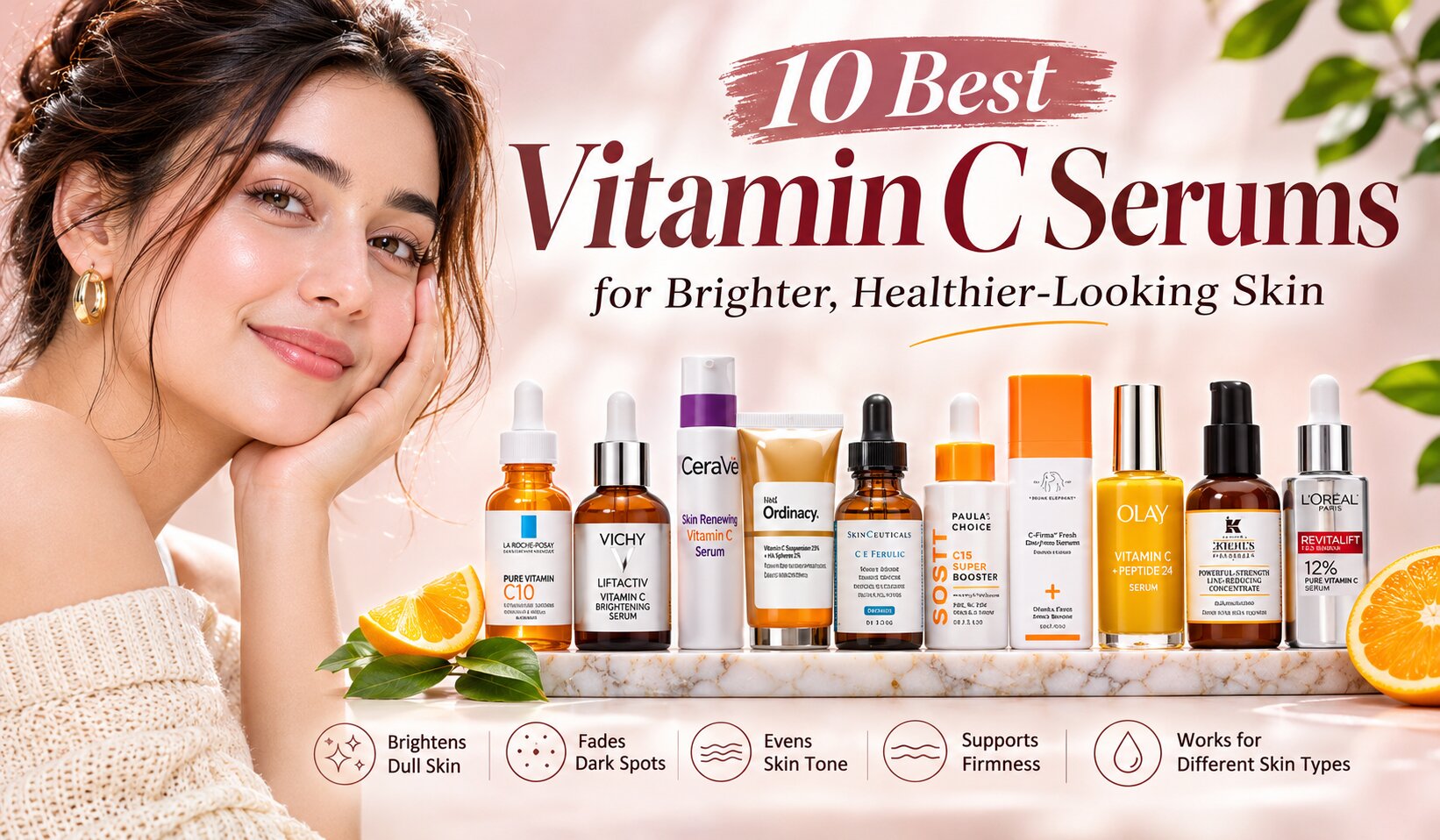
This guide compares 10 widely available vitamin C serums across drugstore and premium price tiers. It explains what each formula contains, who may prefer it and what to consider before buying. The recommendations are based on published ingredient information, manufacturer descriptions and relevant skincare research. AhemBeauty has not independently conducted laboratory testing or clinical trials on these products, and this is not a report of hands-on product testing.
Quick Picks: 10 Vitamin C Serums to Consider
| Product | Best for | Vitamin C type / strength | Price |
|---|---|---|---|
| CeraVe Skin Renewing Vitamin C Serum | Daily use and a barrier-conscious routine | 10% pure L-ascorbic acid | $21.74 · Price checked November 25, 2026 |
| The Ordinary Ascorbyl Glucoside Solution 12% | People seeking a vitamin C derivative | 12% ascorbyl glucoside | $14.80 · Price checked November 25, 2026 |
| Naturium Vitamin C Complex Serum | Multi-ingredient brightening routines | Vitamin C complex; derivative-based ingredients | $16.79 · Price checked November 25, 2026 |
| Timeless 20% Vitamin C + E Ferulic Acid Serum | Experienced users of stronger L-ascorbic acid | 20% L-ascorbic acid | $25.17 · Price checked November 25, 2026 |
| Mad Hippie Vitamin C Serum | A derivative-based antioxidant routine | Sodium ascorbyl phosphate (SAP) | $23.78 · Price checked November 25, 2026 |
| Vichy LiftActiv 16% Pure Vitamin C Brightening Serum | High-strength brightening care | 16% pure vitamin C | $24.49 · Price checked November 25, 2026 |
| The Ordinary Multi-Antioxidant Radiance Serum | Broader antioxidant-focused care | Ascorbyl glucoside plus other antioxidants | $14.00 · Price checked November 25, 2026 |
| medicube Deep Vitamin C Capsule Serum | Layered brightening ingredients | Vitamin C-focused capsule formula | $26.92 · Price checked November 25, 2026 |
| La Roche-Posay Vitamin C12 Serum | Pure vitamin C with a multi-active formula | 12% pure L-ascorbic acid (US formula) | $33.73 · Price checked November 25, 2026 |
| L’Oreal Paris Revitalift 12% Pure Vitamin C Serum | 12% pure L-ascorbic acid with vitamin E and salicylic acid | Pure vitamin C plus ingredients aimed at uneven tone and visible pores | $28.40 · Price checked November 25, 2026 |
All prices shown were checked on November 25, 2026. Retailer prices may change at any time, so confirm the current listing before you buy.
10 Best Vitamin C Serums: Detailed Reviews
01 · Barrier-conscious daily option
CeraVe Skin Renewing Vitamin C Serum
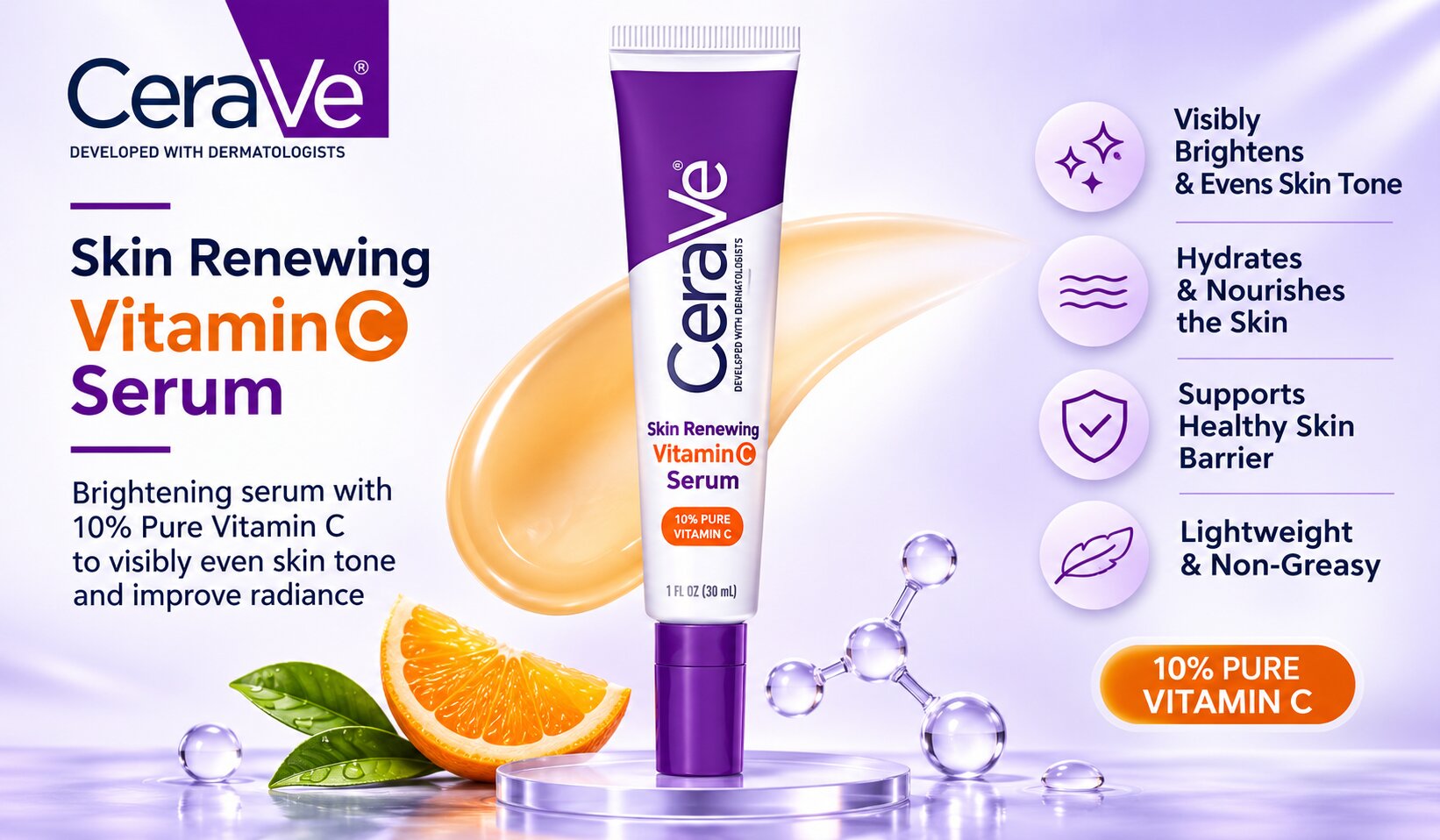
CeraVe Skin Renewing Vitamin C Serum combines 10% pure L-ascorbic acid with ingredients commonly used to support skin hydration and the moisture barrier. The formula includes three essential ceramides, hyaluronic acid and vitamin B5. Its airless-style protective packaging is intended to limit unnecessary exposure to air and light.
Key ingredients
- 10% pure L-ascorbic acid
- Three essential ceramides
- Hyaluronic acid
- Vitamin B5 (panthenol)
Why consider it
The formula pairs a clearly stated concentration of pure vitamin C with moisturising and barrier-supporting ingredients. That combination may appeal to someone who wants an antioxidant serum without building an entirely separate hydrating routine.
Who may prefer it
Normal, combination or dry skin types that already tolerate L-ascorbic acid may find this a practical daily option. People with very reactive skin should still patch-test because pure vitamin C can cause temporary stinging or irritation.
Potential drawback
Even at 10%, L-ascorbic acid may not be comfortable for every sensitive-skin user. Stop using it if persistent burning, swelling or a rash develops.
Price: $21.74 (Price checked November 25, 2026)
Manufacturer information: Official product information: CeraVe
02 · Derivative-based choice
The Ordinary Ascorbyl Glucoside Solution 12%
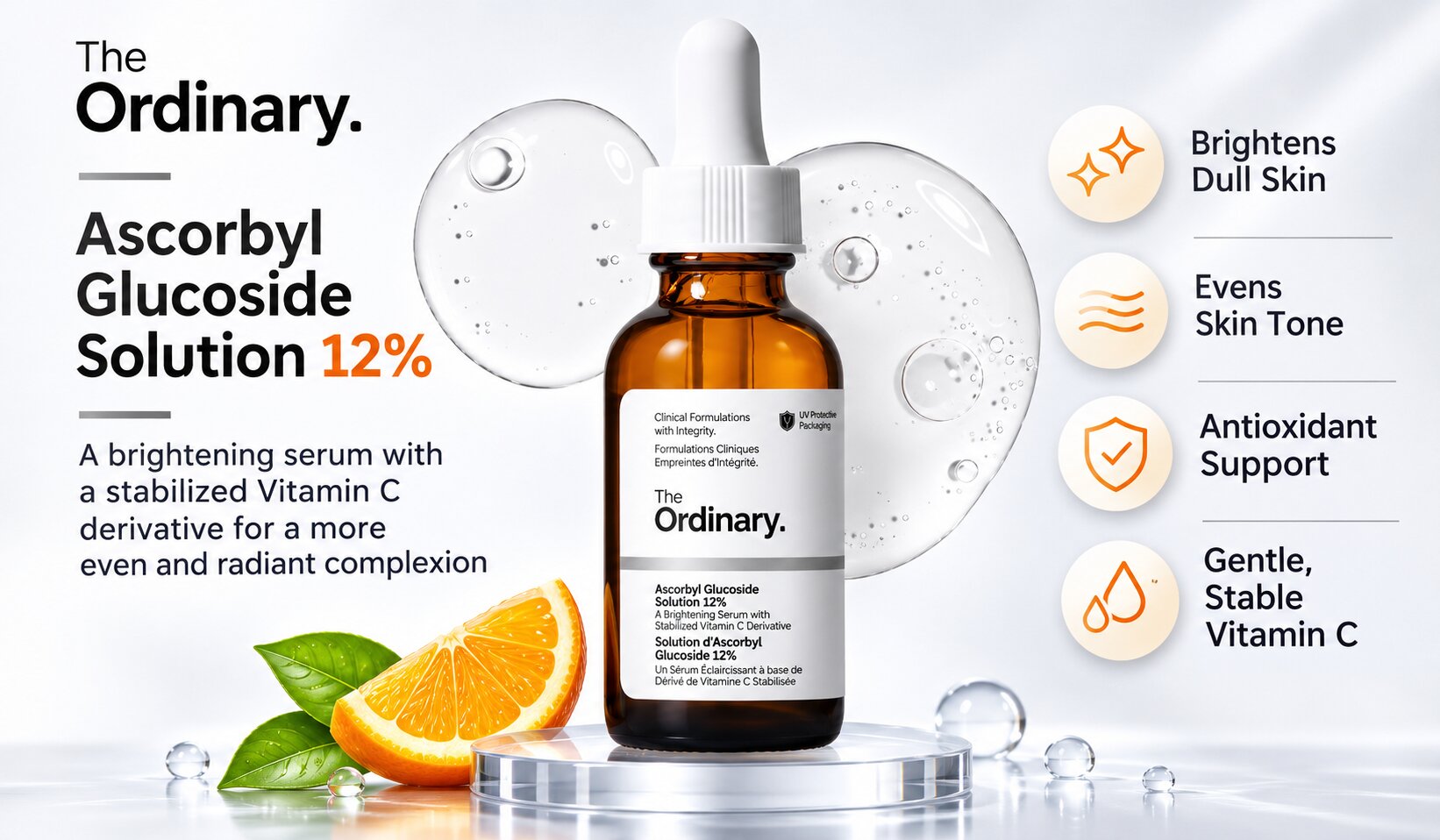
The Ordinary Ascorbyl Glucoside Solution 12% uses ascorbyl glucoside, a vitamin C derivative. It is important to distinguish this from a 12% pure L-ascorbic acid serum: the percentage describes the derivative in the formula, not an equivalent concentration of L-ascorbic acid.
Key formula detail
- 12% ascorbyl glucoside
- Water-based serum texture
- Designed as a brightening-focused vitamin C derivative formula
Why consider it
Some people prefer a vitamin C derivative because they do not want to start with a strong, low-pH L-ascorbic acid product. Ascorbyl glucoside is used in cosmetic formulations as a more stable vitamin C derivative, although individual results and tolerance still vary.
Who may prefer it
It may suit people who want to explore a derivative-based brightening serum or who find some pure vitamin C formulas uncomfortable. It is not a guarantee against irritation, so patch testing remains sensible.
Potential drawback
People expecting the same formulation behaviour or evidence base as a pure L-ascorbic acid serum may find the distinction important. Do not compare the 12% figure directly with 10%, 15% or 20% L-ascorbic acid products.
Price: $14.80 (Price checked November 25, 2026)
03 · Multi-ingredient brightening formula
Naturium Vitamin C Complex Serum
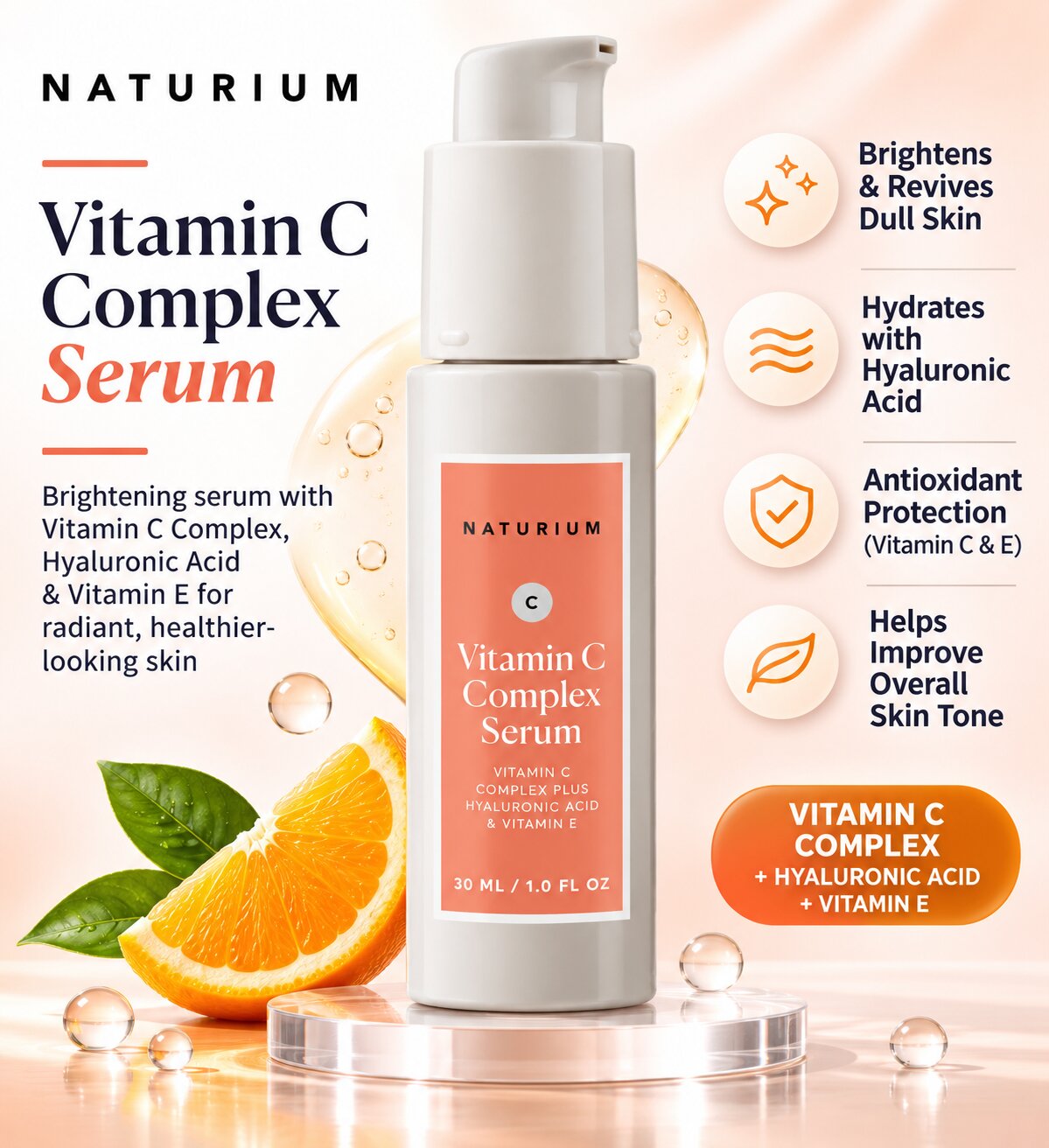
Naturium Vitamin C Complex Serum uses a combination of vitamin C ingredients rather than relying on a single high percentage of pure L-ascorbic acid. The reviewed formula includes sodium ascorbyl phosphate, ascorbic acid and glutathione, alongside botanical and fruit-derived ingredients. The brand lists a formula pH of 5.50–6.50.
Key ingredients
- Sodium ascorbyl phosphate
- Ascorbic acid
- Glutathione
- Botanical and fruit extracts
Why consider it
The multi-ingredient approach may appeal to shoppers who want a vitamin C product with several antioxidant-related ingredients. Its stated pH range also distinguishes it from many low-pH L-ascorbic acid serums.
Who may prefer it
It may be worth considering for normal or combination skin looking for a multi-active brightening product. Skin type alone does not establish whether a formula will feel comfortable; check the full ingredient list if you react to plant extracts.
Potential drawback
The product’s name does not tell you the concentration of each vitamin C form. The listed pH alone also cannot prove that a serum is non-greasy, suitable for oily skin or irritation-free.
Price: $16.79 (Price checked November 25, 2026)
04 · High-strength L-ascorbic acid
Timeless 20% Vitamin C + E Ferulic Acid Serum
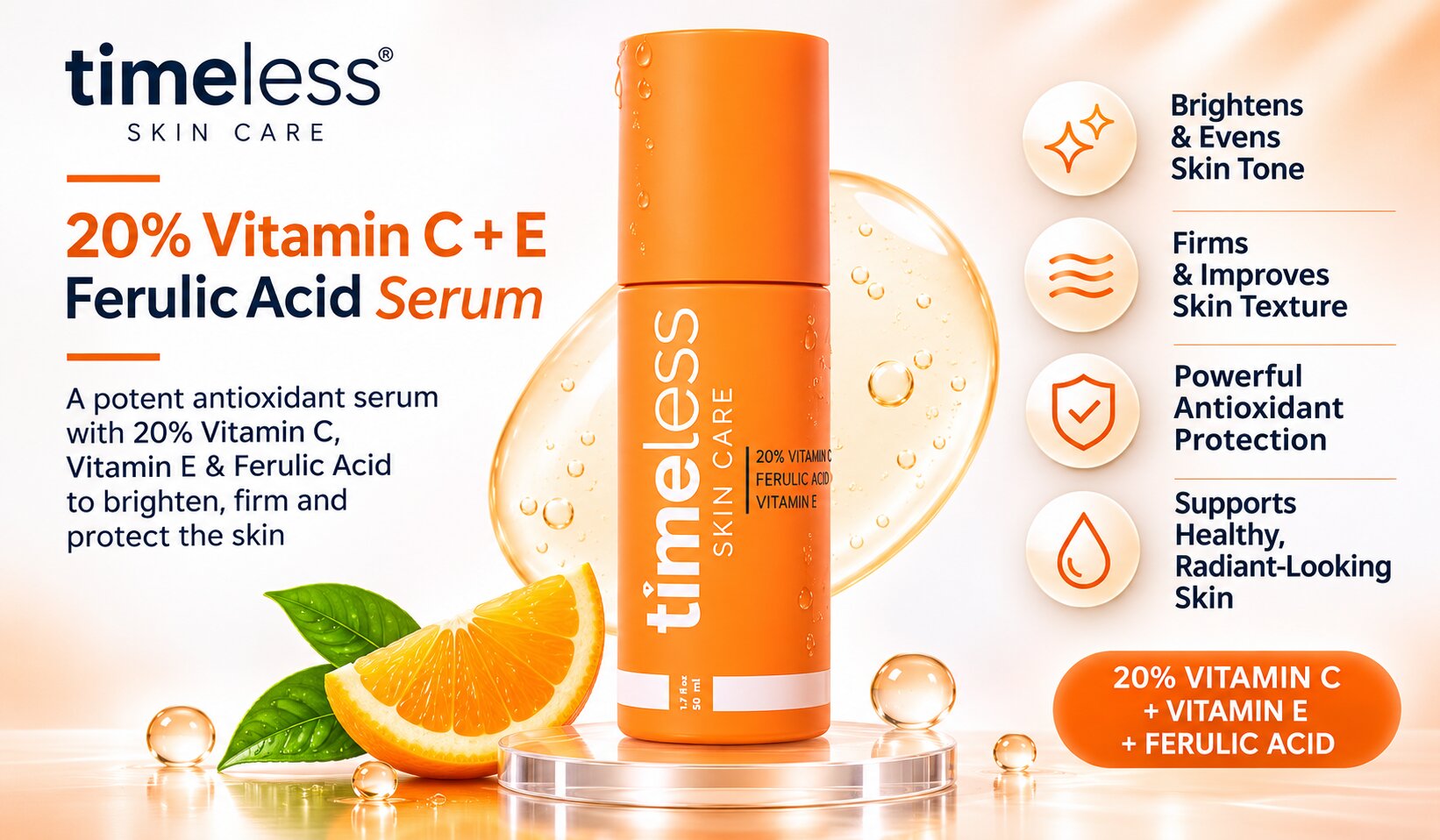
Timeless 20% Vitamin C + E Ferulic Acid Serum is a high-strength option built around 20% L-ascorbic acid. The formula also includes vitamin E and ferulic acid, a combination studied for antioxidant and photoprotective effects in experimental skin research. The product information also lists hydrating and soothing ingredients such as hyaluronic acid and panthenol.
Key ingredients
- 20% L-ascorbic acid
- Vitamin E
- Ferulic acid
- Hyaluronic acid
- Panthenol
Why consider it
The concentration is clearly stated, and the vitamin C, vitamin E and ferulic acid combination has a research background as an antioxidant formulation concept. Timeless has also offered single-use packaging options in some markets, which may help limit repeated exposure of the formula to air.
Who may prefer it
People who already tolerate L-ascorbic acid and specifically want a stronger formula may consider it. It is generally a poor starting point for someone who has never used vitamin C or who has a compromised skin barrier.
Potential drawback
A higher percentage does not automatically mean better results. A 20% formula can be more irritating, and consistent use of a lower-strength product may be a better fit for some people.
Price: $25.17 (Price checked November 25, 2026)
05 · SAP derivative option
Mad Hippie Vitamin C Serum
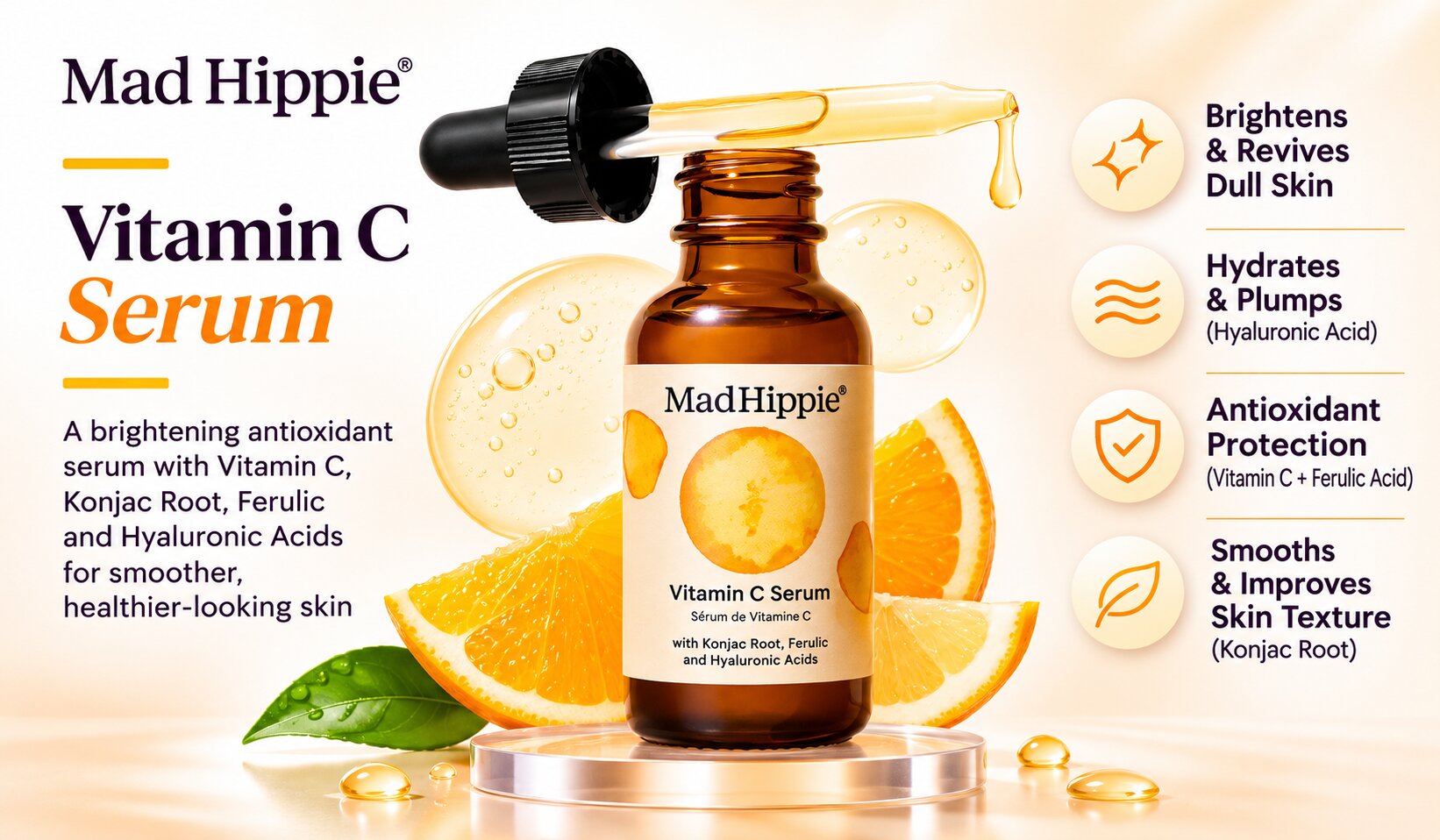
Mad Hippie Vitamin C Serum uses sodium ascorbyl phosphate (SAP), a vitamin C derivative, alongside vitamin E, ferulic acid, hyaluronic acid and aloe. Its ingredient list also includes botanical ingredients such as clary sage and grapefruit seed extract. The brand’s directions recommend applying a few drops to clean skin.
Key ingredients
- Sodium ascorbyl phosphate (SAP)
- Vitamin E
- Ferulic acid
- Hyaluronic acid
- Aloe
Why consider it
This is a derivative-based formula with several supporting ingredients. It may appeal to shoppers who prefer not to begin with a high-percentage pure L-ascorbic acid serum.
Who may prefer it
People interested in a multi-ingredient antioxidant serum and a vitamin C derivative may want to compare it with other SAP products. The formula’s botanical components should be considered by anyone with known plant-extract sensitivities.
Potential drawback
The SAP percentage is not disclosed in the product information reviewed, so it cannot be compared numerically with products that state a vitamin C concentration.
Price: $23.78 (Price checked November 25, 2026)
06 · High-strength brightening pick
Vichy LiftActiv 16% Pure Vitamin C Brightening Serum
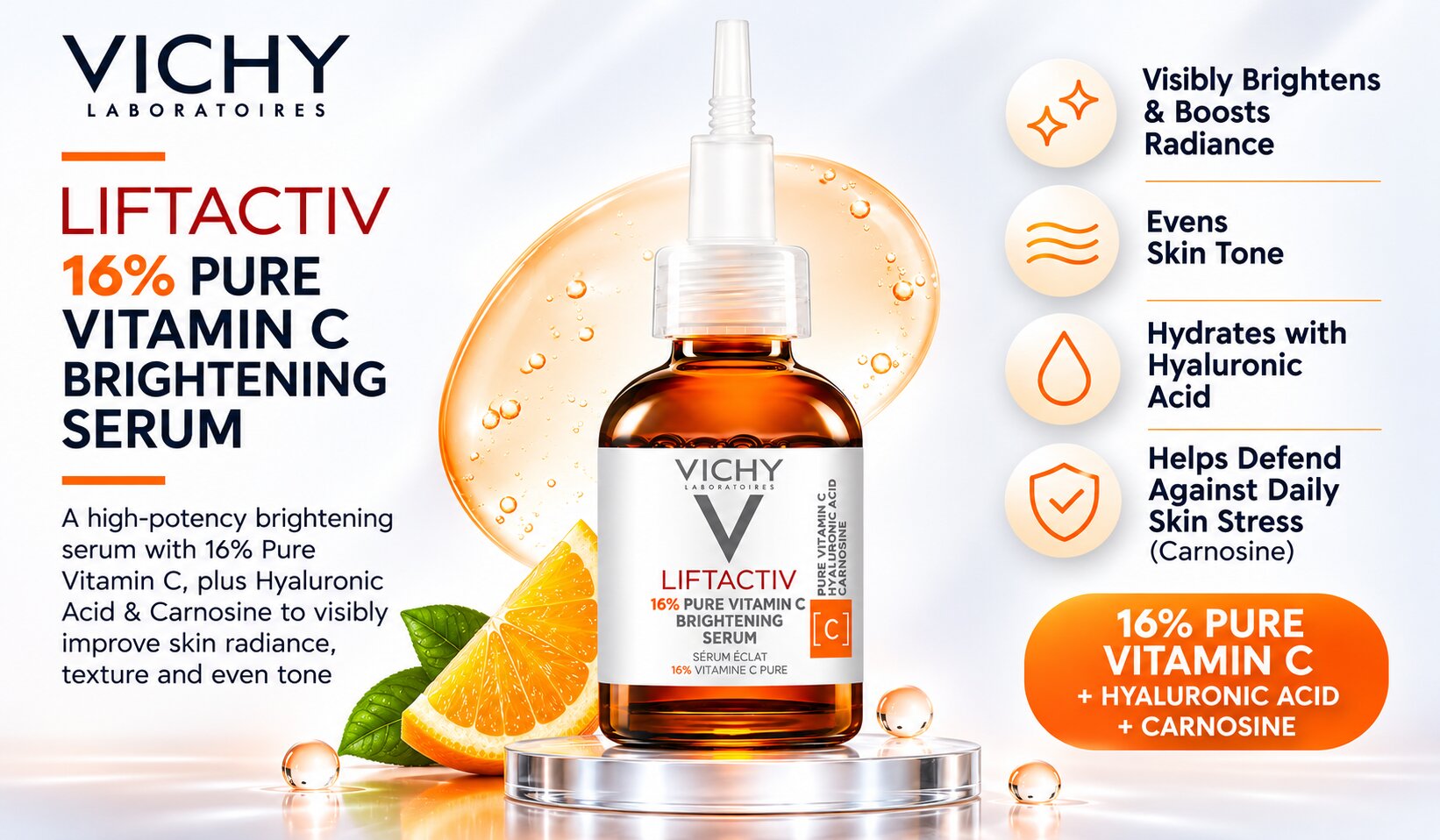
Vichy LiftActiv 16% Pure Vitamin C Brightening Serum is the brand’s newer US formula, featuring 16% pure vitamin C. The official US product page lists a 20ml bottle and describes the serum as a brightening formula designed to improve the appearance of radiance and visible discoloration.
Key ingredients and formula details
- 16% pure vitamin C
- Vitamin E
- Carnosine
- Vichy Volcanic Water
- Fragrance-free, alcohol-free and silicone-free, according to the US product information
Why consider it
The formula has a clearly stated 16% pure vitamin C concentration and includes vitamin E and carnosine. Vichy describes its texture as lightweight and quick-absorbing. The brand also says the bottle design uses inert gas in the space above the formula to reduce oxygen exposure and help protect the vitamin C formula.
Who may prefer it
It may suit people who already tolerate pure L-ascorbic acid and want a stronger brightening serum. Beginners and people with reactive skin should introduce it carefully.
Potential drawback
At 16%, it may be too strong for some sensitive-skin users. Product names and formulas can differ by country, so check the packaging and ingredient list for the exact market where you shop. Older listings may refer to a previous 15% version; this review refers to the current US 16% product page.
Price: $24.49 (Price checked November 25, 2026)
Manufacturer information: Official product information: Vichy USA
07 · Multi-antioxidant formula
The Ordinary Multi-Antioxidant Radiance Serum
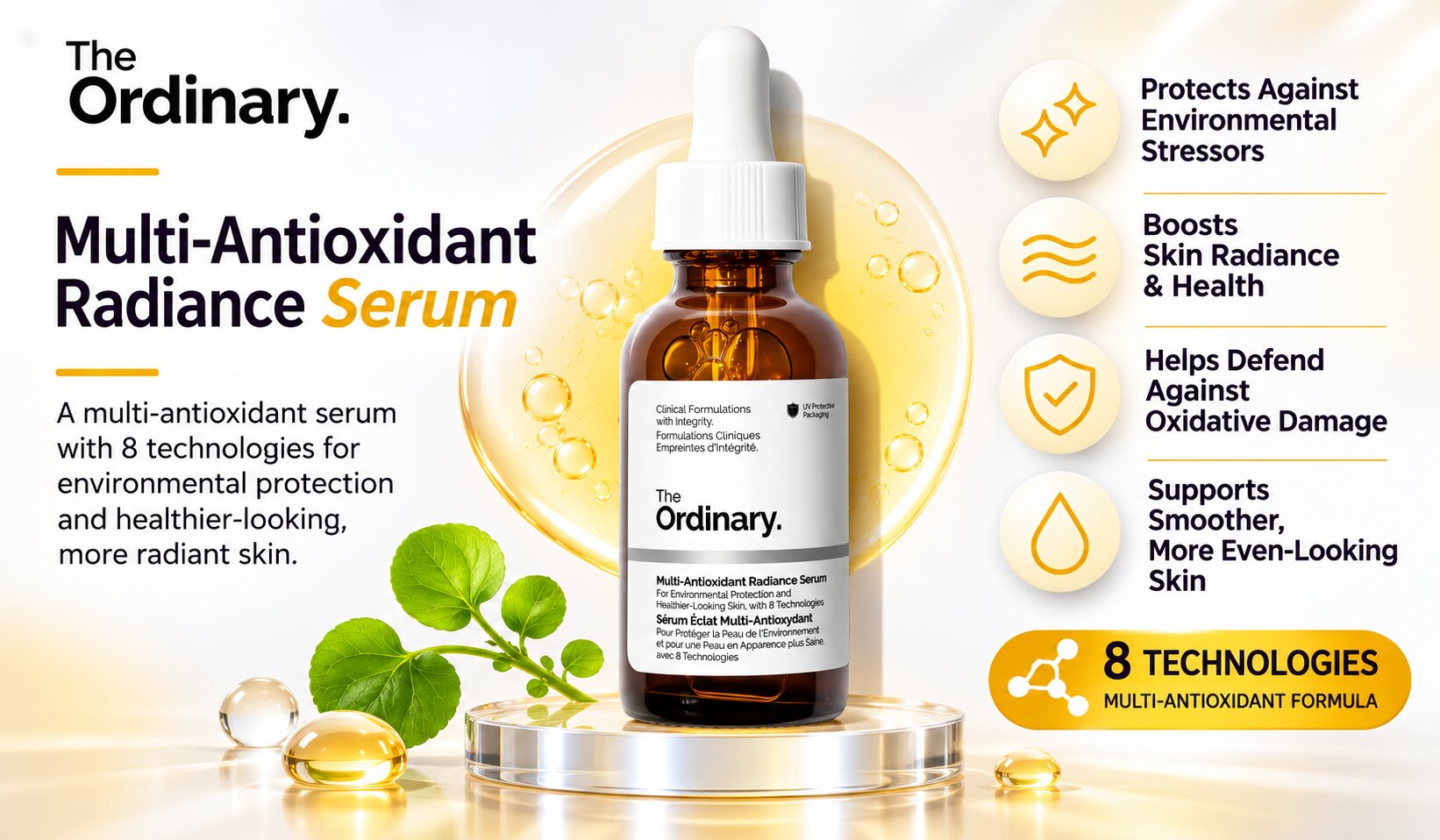
The Ordinary Multi-Antioxidant Radiance Serum takes a broader antioxidant approach. Its formula includes ascorbyl glucoside alongside ingredients such as ergothioneine, an EGCG-related antioxidant ingredient, peptides and tocotrienols. The brand lists a pH range of 5.0–6.0 for the formula.
Key formula features
- Ascorbyl glucoside
- Ergothioneine
- EGCG-related antioxidant ingredient
- Peptides
- Tocotrienols
Why consider it
It may appeal to someone who wants a multi-antioxidant serum rather than a product focused on a high percentage of pure vitamin C. The water-based formula and combination of antioxidant ingredients give it a different profile from traditional L-ascorbic acid serums.
Who may prefer it
Consider it if your priority is a broader antioxidant routine and you are not specifically looking for a high-strength L-ascorbic acid product.
Potential drawback
It is not a like-for-like alternative to a 10%, 16% or 20% pure L-ascorbic acid serum. Compare the formula’s overall purpose and ingredient list rather than judging it by a percentage that is not stated in the same way.
Price: $14.00 (Price checked November 25, 2026)
08 · Capsule-style brightening serum
medicube Deep Vitamin C Capsule Serum
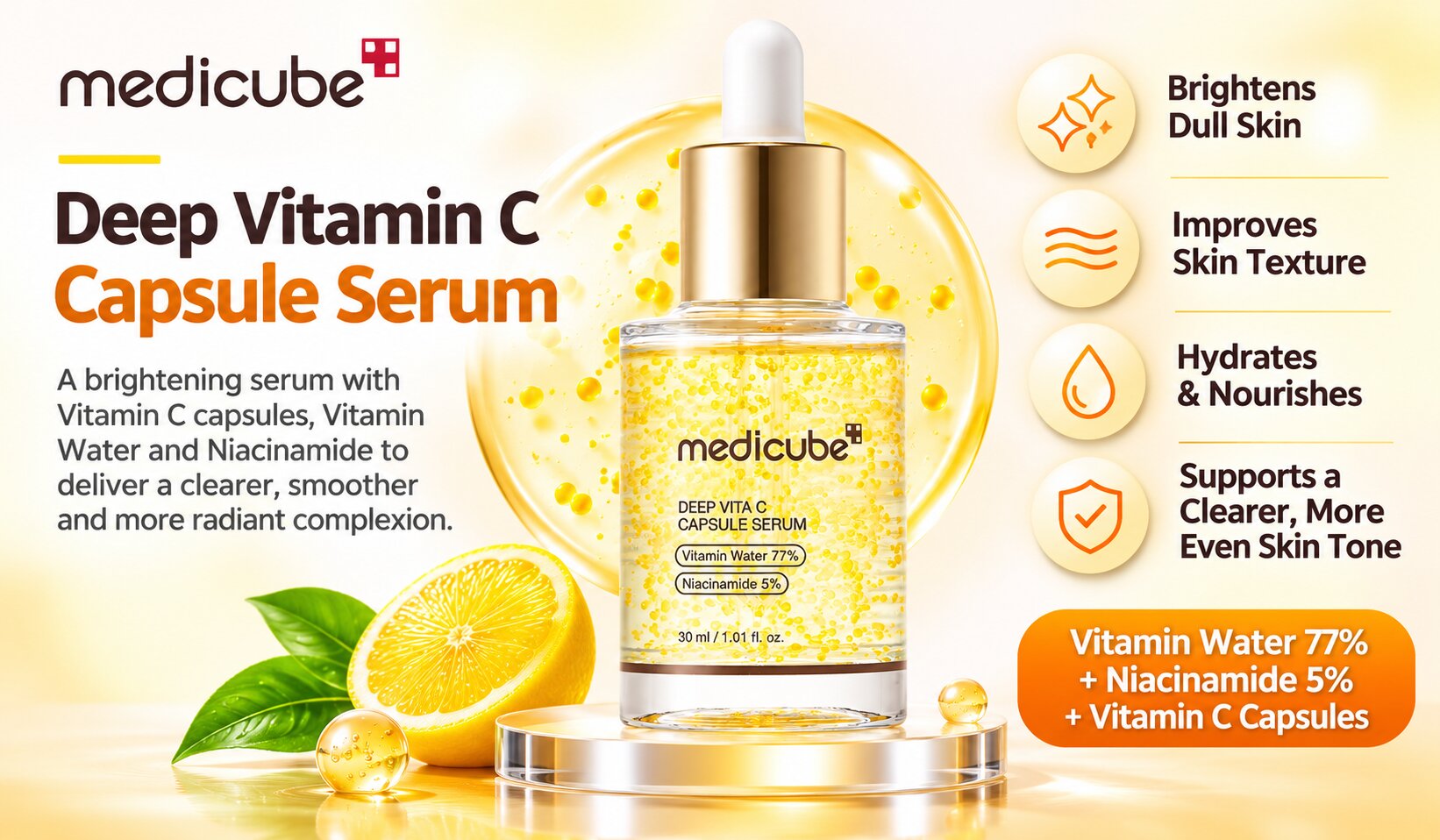
medicube Deep Vitamin C Capsule Serum combines a vitamin C-focused formula with niacinamide and sea-buckthorn-derived ingredients. The brand highlights 99% high-purity vitamin C and 77% Hippophae Rhamnoides water in its product messaging, alongside 5% niacinamide.
What the percentages mean
These advertised figures should not be interpreted as meaning that the finished serum contains 99% vitamin C or 77% pure sea-buckthorn extract. Raw-material purity and the percentage of a botanical water ingredient are different from the concentration of active vitamin C in the complete finished formula.
Why consider it
The combination of vitamin C-focused ingredients and niacinamide may appeal to shoppers interested in a multi-active brightening routine. As with any product containing several actives, introduce it gradually if your skin is easily irritated.
Potential drawback
Do not compare its marketing percentages directly with products that disclose a finished-formula concentration of L-ascorbic acid. Check the current packaging and full ingredient list for your market.
Price: $26.92 (Price checked November 25, 2026)
09 · Pure vitamin C with additional actives
La Roche-Posay Vitamin C12 Serum
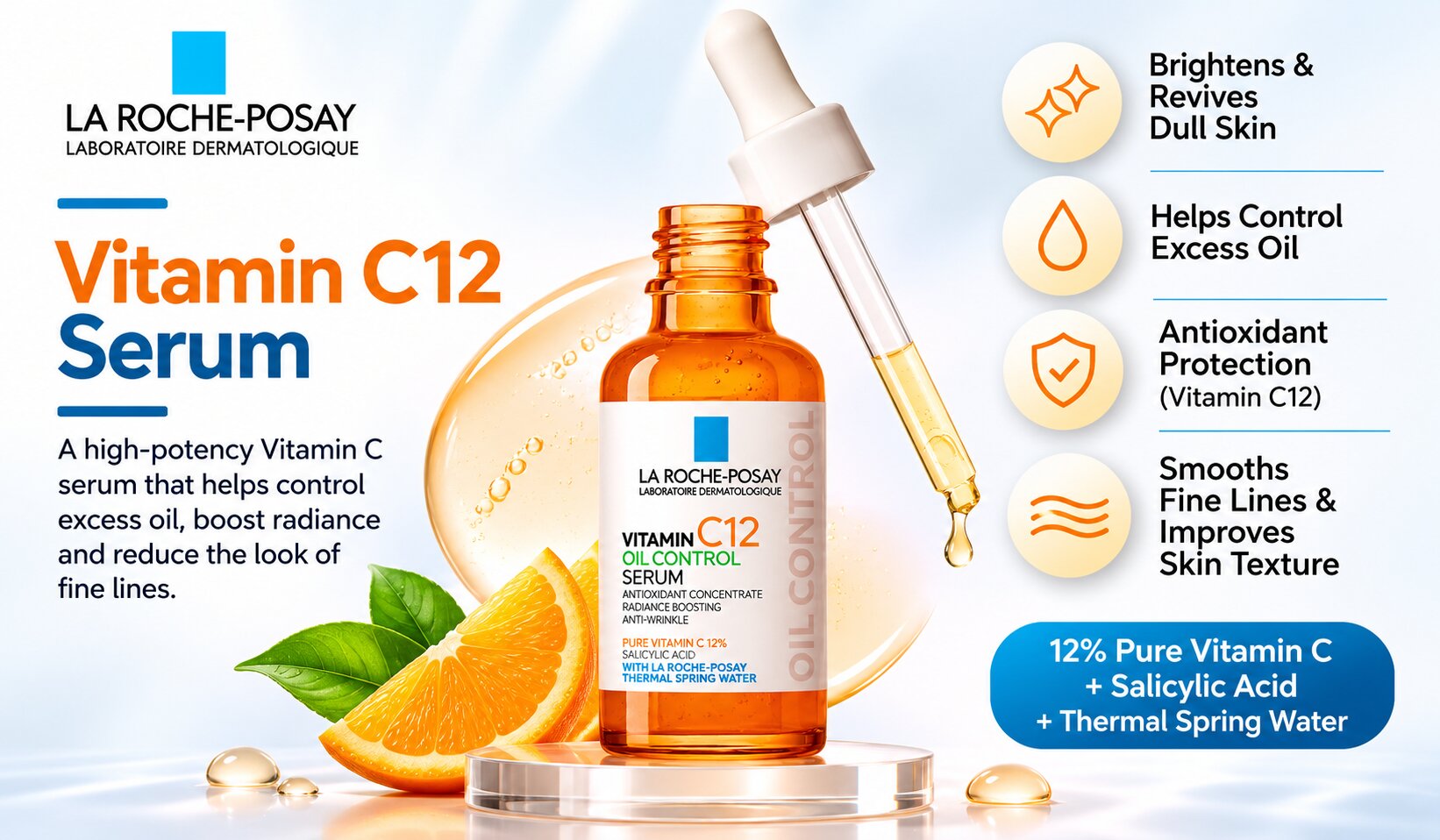
La Roche-Posay Vitamin C12 Serum uses 12% pure L-ascorbic acid in the US formula. Its ingredient list also includes salicylic acid, hyaluronic acid and glycerin. This gives the product a more complex active-ingredient profile than a simple vitamin C and moisturiser combination.
Key ingredients in the US formula
- 12% pure L-ascorbic acid
- Salicylic acid
- Hyaluronic acid
- Glycerin
Why consider it
It may appeal to people who already tolerate vitamin C and want a formula that also includes ingredients commonly used in routines for uneven texture and congestion. Hyaluronic acid and glycerin contribute to the formula’s humectant profile.
Who should be cautious
People with sensitive skin should inspect the full ingredient list carefully. The US formula includes alcohol denat. and fragrance, and salicylic acid may be drying or irritating for some users. Regional formulas may differ.
Potential drawback
The combination of several active ingredients may be too much for a compromised skin barrier or someone already using exfoliating acids. Introduce it slowly and avoid layering multiple irritating products at the beginning.
Price: $33.73 (Price checked November 25, 2026)
10 · Pure vitamin C with vitamin E and salicylic acid
L’Oreal Paris Revitalift 12% Pure Vitamin C Serum
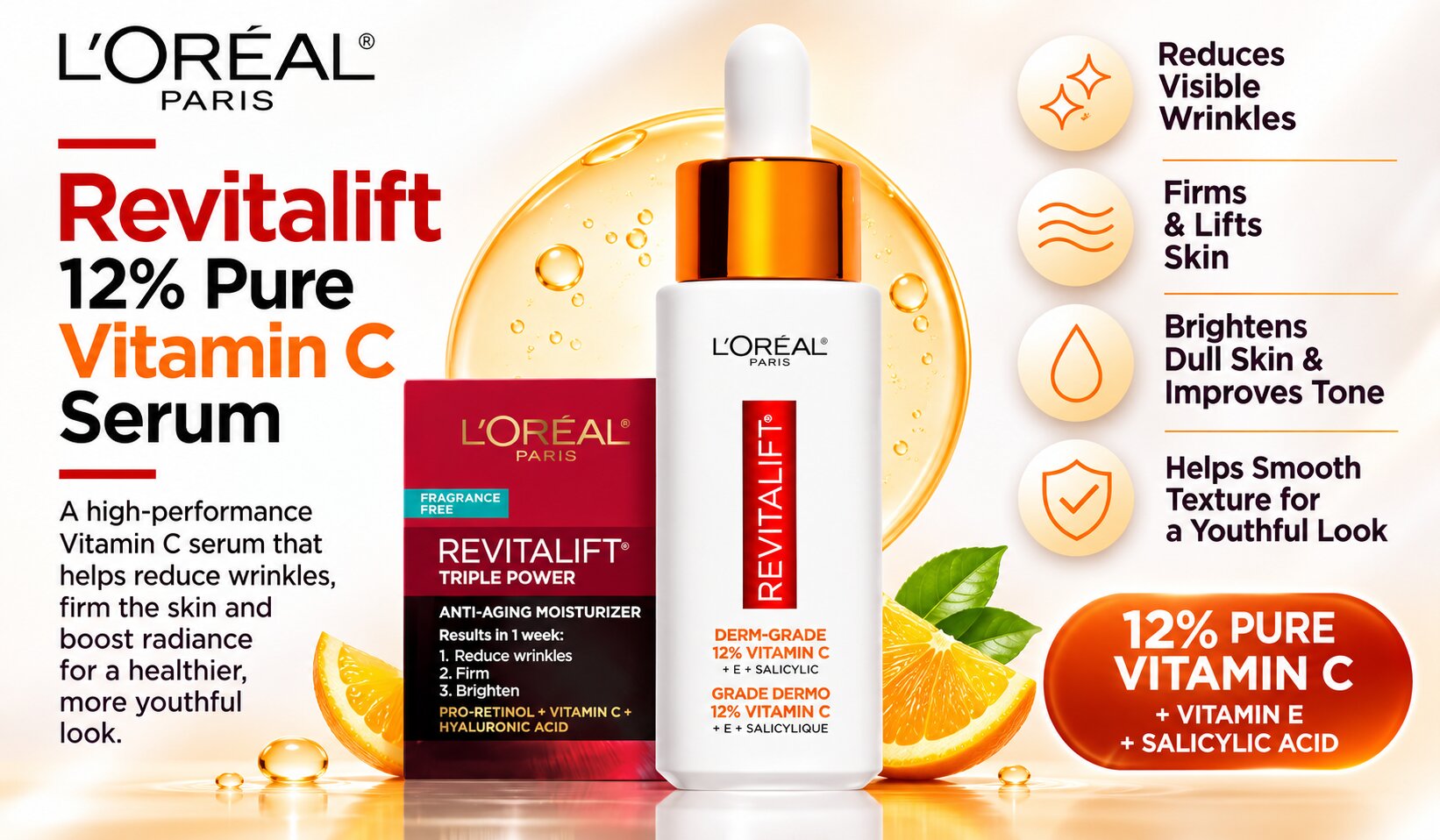
L’Oreal Paris Revitalift 12% Pure Vitamin C Serum combines 12% pure L-ascorbic acid with vitamin E and salicylic acid. The manufacturer describes it as a brightening serum designed to improve the look of uneven tone, visible pores and early fine lines. Its ingredient list also includes glycerin and sodium hyaluronate, which are commonly used to support hydration.
Key ingredients
- 12% pure L-ascorbic acid
- Vitamin E (tocopherol)
- Salicylic acid
- Glycerin
- Sodium hyaluronate
Why consider it
The formula combines a clearly stated 12% concentration of pure vitamin C with vitamin E and salicylic acid. It may appeal to shoppers who want a vitamin C serum that also includes an exfoliating ingredient commonly used to help refine the look of pores and uneven texture.
Who may prefer it
It may suit people who already tolerate pure L-ascorbic acid and want a multi-active brightening formula. Because it also contains salicylic acid, introduce it gradually if your routine already includes exfoliating acids or other potentially irritating actives.
Potential drawback
The US ingredient list includes alcohol denat. and fragrance, which may be uncomfortable for some sensitive-skin users. Salicylic acid can also add to dryness or irritation when layered with other exfoliating products. Check the ingredient list on the package because formulas may vary by market.
Price: $28.40 (Price checked November 25, 2026)
Manufacturer information: Official product information: L’Oréal Paris USA
Vitamin C Serum Comparison
| Serum | Formula notes | Potential advantage | Consider before buying |
|---|---|---|---|
| CeraVe Skin Renewing Vitamin C Serum | 10% L-ascorbic acid, ceramides, hyaluronic acid and vitamin B5 | Combines pure vitamin C with moisturising and barrier-supporting ingredients | Pure L-ascorbic acid may sting reactive skin |
| The Ordinary Ascorbyl Glucoside Solution 12% | 12% ascorbyl glucoside derivative | Derivative format for those avoiding a strong low-pH L-ascorbic acid serum | 12% refers to the derivative, not 12% pure L-ascorbic acid |
| Naturium Vitamin C Complex Serum | Vitamin C complex including sodium ascorbyl phosphate and ascorbic acid, plus glutathione | Combines several antioxidant-related ingredients | Check the full ingredient list if you are sensitive to botanical extracts |
| Timeless 20% Vitamin C + E Ferulic Acid Serum | 20% L-ascorbic acid with vitamins E and ferulic acid | High-strength classic antioxidant combination | May be too strong for beginners or easily irritated skin |
| Mad Hippie Vitamin C Serum | SAP with vitamin E, ferulic acid, hyaluronic acid and aloe | Derivative-based formula with supporting ingredients | SAP percentage is not disclosed in the reviewed product information |
| Vichy LiftActiv 16% Pure Vitamin C | 16% pure vitamin C with vitamin E and carnosine | High-strength formula with a defined vitamin C percentage | May not suit sensitive-skin beginners; regional formulas can differ |
| The Ordinary Multi-Antioxidant Radiance Serum | Ascorbyl glucoside, ergothioneine, EGCG-related antioxidant, peptides and tocotrienols | Broader antioxidant blend rather than a single high-strength vitamin C focus | Not directly comparable with a 10–20% L-ascorbic acid serum |
| medicube Deep Vitamin C Capsule Serum | Vitamin C-focused formula with niacinamide and sea-buckthorn water | Pairs brightening-focused ingredients in a capsule-style format | Brand raw-material percentages should not be mistaken for finished-product vitamin C concentration |
| La Roche-Posay Vitamin C12 Serum | 12% pure L-ascorbic acid in the US formula, with salicylic acid and hyaluronic acid | Combines vitamin C with additional skincare actives | Contains alcohol denat. and fragrance in the US ingredient list; check regional packaging |
| L’Oreal Paris Revitalift 12% Pure Vitamin C Serum | 12% L-ascorbic acid with vitamin E and salicylic acid | Combines pure vitamin C with vitamin E and a pore-refining exfoliating active | Contains alcohol denat. and fragrance in the US formula; salicylic acid may not suit every sensitive-skin routine |
How to Choose the Best Vitamin C Serum for Your Skin Type
Skin type can help narrow the options, but it cannot predict your tolerance on its own. Formula strength, vitamin C form, fragrance, supporting ingredients and the condition of your skin barrier all matter. Start with the product’s complete ingredient list rather than relying only on a label such as “for sensitive skin.”
Best vitamin C serum for sensitive skin
Look for a formula that avoids unnecessary irritants and consider starting with a vitamin C derivative rather than a high-strength L-ascorbic acid serum. The Ordinary Ascorbyl Glucoside Solution 12% is one derivative-based option in this list. Patch-test first and introduce it on a limited schedule. “Derivative-based” does not mean irritation-free.
Best vitamin C serum for oily skin
Oily skin may prefer a light serum texture that layers comfortably under moisturiser and sunscreen. Naturium Vitamin C Complex Serum is one multi-ingredient formula to compare, but its pH does not prove that it controls oil or will feel non-greasy on every person. Look for a texture you can comfortably use every day.
Best vitamin C serum for dry skin
Dry skin may benefit from a vitamin C serum paired with humectants and barrier-supporting ingredients. CeraVe Skin Renewing Vitamin C Serum includes hyaluronic acid, ceramides and vitamin B5 alongside 10% L-ascorbic acid. Follow with a moisturiser to reduce moisture loss.
Best vitamin C serum for acne-prone skin
Choose a formula that fits your existing acne routine and does not add too many irritating actives at once. A SAP-based serum such as Mad Hippie or other derivative-based options may be worth comparing, but neither should be treated as an acne medication. If you use benzoyl peroxide, prescription retinoids or exfoliating acids, introduce vitamin C separately and watch for irritation.
Best vitamin C serum for combination skin
Combination skin often does well with a serum that layers easily and does not leave the drier areas feeling tight. CeraVe or Naturium may be options to compare based on their ingredient lists and texture preferences. You can use a lighter moisturiser on the T-zone and a richer one on dry areas.
Best vitamin C serum for mature skin
For mature skin, consider a formula that fits comfortably alongside moisturiser, sunscreen and any retinoid you already use. Timeless 20% Vitamin C + E Ferulic Acid Serum and Vichy LiftActiv 16% are stronger pure vitamin C options for experienced users. A high percentage is not required for everyone, and tolerance should guide the choice.
Best vitamin C serum for dark skin and melanin-rich skin
Vitamin C may help improve the appearance of uneven tone, but irritation can trigger post-inflammatory hyperpigmentation in deeper skin tones. A well-tolerated, lower-strength or derivative-based formula may be a more sensible starting point than a strong serum. Use broad-spectrum sunscreen daily and avoid pushing through burning or persistent redness.
Best vitamin C serum for rosacea-prone skin
Rosacea-prone skin can react to acidic formulas, fragrance and multiple active ingredients. There is no vitamin C serum in this list that should be considered a rosacea treatment. If you want to try one, discuss it with your dermatologist, choose a cautious starting formula and patch-test on a small area. Stop if flushing, burning or irritation worsens.
Best vitamin C serum for aging skin
For visible signs of photoaging, vitamin C can be one part of a broader routine that includes daily sunscreen and, where appropriate, a retinoid. A pure L-ascorbic acid product may be suitable if tolerated. Do not expect a serum to replace sun protection or professional treatment.
Best vitamin C serum for normal skin
Normal skin has flexibility to choose between pure L-ascorbic acid and derivatives. Start with a moderate strength and assess comfort over several weeks. CeraVe, The Ordinary Ascorbyl Glucoside or Naturium are different formula styles to compare.
Vitamin C serum for dehydrated skin
Dehydrated skin lacks water and can occur alongside oily or dry skin. Look for humectants such as glycerin and hyaluronic acid, then seal in hydration with moisturiser. If your skin feels tight or stings after cleansing, restore comfort before adding a strong vitamin C serum.
Vitamin C serum for textured skin and enlarged pores
Vitamin C may support a more even-looking complexion, but it does not permanently shrink pores or replace ingredients designed for comedones and rough texture. Salicylic acid may be more directly relevant to clogged pores, while retinoids can help with some forms of uneven texture. Introduce these ingredients carefully rather than starting several at once.
Vitamin C serum for a damaged skin barrier
If your skin is stinging, peeling, unusually dry or inflamed, pause strong actives. Focus on a gentle cleanser, a bland moisturiser and sunscreen until the skin feels settled. A high-strength vitamin C serum is not the right first step while the barrier is compromised.
Vitamin C serum for redness
Redness has several possible causes, including irritation, rosacea and environmental triggers. Vitamin C is not a universal redness treatment. Choose a formula only after considering the cause of redness, and stop if the product increases discomfort.
L-Ascorbic Acid vs Vitamin C Derivatives
L-ascorbic acid is the direct, active form of vitamin C used in many classic topical vitamin C serums. It is widely studied, but it can be unstable in water-based formulas and may require a low pH for effective skin penetration. This can make some formulas uncomfortable for reactive skin.
Vitamin C derivatives, such as ascorbyl glucoside and sodium ascorbyl phosphate, are modified forms used in cosmetic formulations. They can offer formulation and stability advantages, although the evidence base and conversion behaviour differ by derivative. A derivative’s percentage should not be treated as directly equivalent to the same percentage of L-ascorbic acid.
| Form | What to know | Example in this guide |
|---|---|---|
| L-ascorbic acid | Direct form; commonly formulated at an acidic pH; can be less stable and more irritating for some users | CeraVe, Timeless, Vichy, La Roche-Posay |
| Ascorbyl glucoside | A vitamin C derivative used in water-based cosmetic formulas | The Ordinary Ascorbyl Glucoside Solution 12% |
| Sodium ascorbyl phosphate | A water-compatible vitamin C derivative used in a range of cosmetic products | Naturium, Mad Hippie, other derivative-based options |
What Percentage of Vitamin C Serum Is Best?
There is no single percentage that is best for everyone. Many L-ascorbic acid products are formulated in the 10–20% range, but a higher concentration does not guarantee better visible results. It may increase the chance of irritation, especially for people who are new to vitamin C or have a sensitive skin barrier.
- Beginner: Consider a lower-strength product or a derivative-based formula and introduce it gradually.
- Experienced user: A 10–15% L-ascorbic acid formula may be suitable if your skin tolerates it.
- Experienced, tolerant user: A 15–20% formula may be an option, but there is no need to move up if your current product works well.
- Reactive or compromised skin: Focus on barrier comfort first; a strong vitamin C serum may not be appropriate right now.
One often-cited penetration study found that L-ascorbic acid absorption in its experimental skin model depended on formulation pH and concentration. That research should not be interpreted as proof that every consumer needs a very acidic or high-strength serum.
When to Apply Vitamin C in Your Skincare Routine
Many people use vitamin C in the morning because its antioxidant activity can complement daily sun protection. It does not replace sunscreen. A simple morning skincare routine with vitamin C can look like this:
- Cleanser: Wash with a gentle cleanser suited to your skin.
- Vitamin C serum: Apply the amount directed on the product label to dry or slightly damp skin, depending on the manufacturer’s instructions.
- Moisturiser: Apply a moisturiser to support hydration.
- Sunscreen: Finish with broad-spectrum SPF 30 or higher. Reapply as directed when outdoors.
You can use vitamin C at night if that fits your routine better. Consistency and tolerability matter more than forcing it into a particular time of day.
Can you use vitamin C serum under makeup?
Yes, many people apply vitamin C before moisturiser, sunscreen and makeup. Allow each layer to settle before applying the next. Pilling depends on the serum’s base, the amount used and the other products layered over it. We have not independently tested every product in this guide under makeup, so there is no guarantee that a particular combination will remain smooth.
How to Stop Vitamin C Serum from Oxidizing
Pure L-ascorbic acid can oxidize when exposed to air, light and heat. Oxidation may reduce product performance and can change the serum’s colour. These steps can help reduce unnecessary exposure:
- Close the cap tightly after every use.
- Store the bottle away from direct sunlight and heat.
- Follow the manufacturer’s storage instructions; refrigerate only if the brand recommends it.
- Choose packaging that limits air and light exposure when possible.
- Pay attention to major changes in colour, smell or texture and follow the product’s expiry and period-after-opening guidance.
A slight colour change does not always mean a product is unusable, and colour alone cannot confirm whether a formula remains effective. When in doubt, contact the manufacturer or replace the product.
Can You Mix Vitamin C with Other Skincare Ingredients?
Vitamin C can be part of a routine that includes other active ingredients, but introducing several strong products at once makes irritation harder to identify. Keep the routine simple when starting a new serum.
- Niacinamide: These ingredients can be used in the same routine if your skin tolerates both. There is no general requirement to separate them.
- Hyaluronic acid: Commonly layered with vitamin C to support hydration.
- Retinoids: They can be part of the same overall routine, but beginners may prefer vitamin C in the morning and a retinoid at night to reduce the number of actives layered together.
- AHA/BHA exfoliants: Combining them may increase irritation. Consider alternating routines until you know your tolerance.
- Benzoyl peroxide: It can be irritating when combined with other actives. Use a separate routine or seek clinician guidance if you are unsure how to schedule it.
How Long Does Vitamin C Serum Take to Work?
Results depend on the formula, concentration, frequency of use, the concern being addressed and daily sun exposure. A serum cannot guarantee a particular timeline. The following is a practical expectation guide, not a promise of results:
| Timeframe | What you may notice |
|---|---|
| First few uses | You can assess texture, layering and whether the product causes irritation. Visible brightening may not be apparent. |
| Several weeks | Some users may notice a more even-looking or less dull complexion with consistent use. |
| 8–12 weeks and beyond | Changes in the appearance of uneven tone may become easier to assess, although results vary and some pigmentation concerns need professional treatment. |
Take progress photos in consistent lighting if you want to compare changes. Do not increase the amount or frequency simply because results are not immediate.
Frequently Asked Questions
Can I use vitamin C serum every day?
Many people can use vitamin C daily, but frequency depends on the formula and personal tolerance. Start two or three times a week if you are new to it, then increase only if your skin remains comfortable and the product label allows daily use.
Can vitamin C serum cause side effects on sensitive skin?
Yes. Stinging, dryness, redness and irritation can occur, especially with acidic or high-strength L-ascorbic acid formulas. Patch-test first and stop using the product if irritation persists or becomes severe.
Should I use vitamin C serum in the morning or at night?
Either is possible. Morning use is popular because vitamin C’s antioxidant activity can complement sunscreen, but it does not replace SPF. Use it at the time that best fits your routine and skin tolerance.
Can vitamin C serum help with dark spots?
Topical vitamin C may improve the appearance of uneven tone and some forms of discoloration over time. Results vary, and persistent or changing pigmentation should be assessed by a dermatologist. Daily sunscreen is important.
Can I use vitamin C serum if I have acne?
Many people with acne can use a vitamin C serum, but it is not an acne treatment. Choose a formula that fits your existing routine and avoid introducing it at the same time as several other active ingredients.
Can I use vitamin C with retinol?
They can be included in the same overall skincare routine. If you are new to either ingredient, use vitamin C in the morning and retinol at night, or alternate days, to make irritation easier to manage.
Can vitamin C serum be used around the eyes?
Only apply it around the eye area if the product label specifically permits that use. The skin around the eyes can be sensitive, and serum should not enter the eyes.
How do I know if my vitamin C serum has oxidized?
Some L-ascorbic acid formulas darken as they oxidize. Check the manufacturer’s guidance and look for significant changes in colour, smell or texture. Colour alone cannot establish whether a product is still effective.
Can I use vitamin C serum during pregnancy?
Topical vitamin C is commonly used in skincare, but pregnancy skincare choices should be discussed with your healthcare professional, especially if you are combining several active ingredients or using prescription products.
Does vitamin C serum boost collagen?
Vitamin C plays a role in normal collagen synthesis in the skin. However, that biological role does not mean every retail vitamin C serum has been clinically proven to boost collagen or reverse wrinkles. Consider product-specific evidence and keep expectations realistic.
Research, Review Methodology and Editorial Standards
AhemBeauty selected these products by reviewing publicly available product information, ingredient lists, manufacturer descriptions and relevant published research on topical vitamin C. We considered the vitamin C form, disclosed concentration where available, supporting ingredients, packaging information and practical suitability for different skincare routines.
Hands-on testing disclosure: AhemBeauty did not conduct independent laboratory testing, controlled consumer trials or a hands-on comparative test of all 10 products for this article. Product descriptions and recommendations are based on the information available at the time of writing. Formulas, availability and packaging can change, so readers should confirm the current product label before purchasing.
Medical note: This article is for general skincare education and is not medical advice. It does not diagnose or treat acne, rosacea, melasma or other skin conditions. Consult a qualified dermatologist for persistent irritation, pigmentation or other skin concerns.
Research references
- Al-Niaimi F, Chiang NYZ. “Topical Vitamin C and the Skin: Mechanisms of Action and Clinical Applications.” Journal of Clinical and Aesthetic Dermatology. 2017;10(7):14–17. PubMed.
- Pinnell SR, et al. “Topical L-Ascorbic Acid: Percutaneous Absorption Studies.” Dermatologic Surgery. 2001;27(2):137–142. PubMed. This was an experimental skin-model study, not a direct consumer clinical trial.
- Lin FH, et al. “Ferulic Acid Stabilizes a Solution of Vitamins C and E and Doubles its Photoprotection of Skin.” Journal of Investigative Dermatology. 2005;125(4):826–832. PubMed. The findings concern experimental photoprotection and should not be presented as a clinical trial of the retail products listed here.
- Humbert P, et al. “Topical Ascorbic Acid on Photoaged Skin. Clinical, Topographical and Ultrastructural Evaluation: Double-Blind Study vs. Placebo.” Experimental Dermatology. 2003;12(3):237–244. PubMed. This study evaluated a 5% vitamin C cream for photoaged skin.
- Vichy Laboratoires. “LiftActiv 16% Pure Vitamin C Brightening Serum.” Official US product information, including current concentration, formula details and directions. Vichy official product page
The Final Word: Which Vitamin C Serum Should You Choose?
If you are new to vitamin C, start with a formula and schedule your skin can tolerate. CeraVe offers 10% pure L-ascorbic acid with ceramides and hyaluronic acid. The Ordinary Ascorbyl Glucoside Solution 12% is a derivative-based option. If you already tolerate stronger formulas, Timeless 20% and Vichy LiftActiv 16% are higher-strength choices to compare.
For a multi-ingredient approach, Naturium, Mad Hippie and other derivative-based options use derivative-based or combination formulas. The Ordinary Multi-Antioxidant Radiance Serum takes a broader antioxidant approach, while medicube and La Roche-Posay offer more complex active-ingredient blends. Check the current formula, market-specific label and price before buying.
The best daily vitamin C serum is ultimately the one you can use consistently without irritation. Pair it with moisturiser and broad-spectrum sunscreen, and give your routine time before judging the result.

About the author
Maya Rezwan
Maya Rezwan is a skincare and beauty writer at AhemBeauty, covering ingredient-focused skincare, product formulations and practical routines. Her editorial approach centres on reading ingredient lists, checking manufacturer information and translating skincare research into clear guidance readers can use when comparing products. She aims to distinguish established evidence from marketing language, explain where formulas differ and make product information easier to assess across skin types. Her work is written for readers who want informed, realistic skincare choices without exaggerated promises or one-size-fits-all advice.
Follow Maya: Facebook profile
Editorial review: AhemBeauty Editorial Team · Last updated: November 25, 2026