There is a particular morning every winter when you look in the mirror and notice that your skin does not look or feel quite the same. Your cheeks feel tight after washing. The skin around your nose starts to flake. Your usual foundation settles into dry patches, and even a familiar skincare routine seems less effective than it did a few months ago.
For women living in the United States, the United Kingdom and Canada, winter brings a familiar combination of challenges. Cold outdoor air, strong winds, indoor heating and low humidity can leave facial skin feeling uncomfortable. Even women who rarely experience dryness during warmer months may notice roughness, tightness, redness or a dull appearance once temperatures fall.
The answer is not simply to apply more cream. A moisturizer that feels comfortable on oily skin may be too light for someone experiencing persistent dryness. A rich formula may feel uncomfortable for someone who prefers a lightweight finish. The most suitable product depends on your skin type, the ingredients it contains and how your skin responds to its surroundings.
That is why choosing the right winter moisturizer deserves a little attention.
This guide covers ten moisturizers organized around three everyday lifestyles: women managing busy households, students looking for affordable skincare and professional women who want comfortable hydration alongside their daily routines.
You will also find practical advice on winter skin protection, moisturizer ingredients, the differences between creams and gel moisturizers, and how to build a routine for colder weather.
How We Selected These 10 Winter Moisturizers
Choosing a moisturizer involves more than looking at popularity or price. A product that works well for one person may feel too heavy, too light or irritating to someone with a different skin type.
For this guide, we considered:
- Ingredient suitability: We reviewed manufacturer-published ingredient information for glycerin, hyaluronic acid, ceramides, niacinamide, squalane and oat-based ingredients.
- Texture and finish: We considered whether products are positioned as rich creams, lightweight lotions or gel-creams.
- Skin-type suitability: Recommendations take account of dry, oily, combination and sensitive skin.
- Everyday practicality: We considered how each product may fit into morning and evening routines, including use beneath sunscreen or makeup.
- Availability and value: We included established products sold in major markets, while noting that package sizes and prices vary.
- Potential drawbacks: We considered fragrance, formula richness and situations where another type of moisturizer may be more suitable.
Our skincare guidance draws on the American Academy of Dermatology (AAD) and the Canadian Dermatology Association (CDA). These organizations recommend gentle cleansing, suitable moisturizers and habits that reduce moisture loss during dry weather.
This is an editorial selection based on manufacturer information, ingredient suitability and dermatological guidance. It is not a clinical trial or a claim that we personally tested every product on every skin type.
One important shopping note: skincare companies sometimes update formulations and packaging. Regional versions may also differ. Always check the ingredient list on the product you are purchasing.
The Quick Picks: Which Winter Moisturizer Should You Consider?
The following price guide uses US retail listings in USD. Prices are indicative and can change with retailer, promotion and package size. They are not Amazon prices.
| Your skincare needs | Recommended product | Common size | Indicative US price |
|---|---|---|---|
| Very dry facial skin | CeraVe Moisturizing Cream | 8–16 oz | $7.49–$20.99 |
| Dry and sensitive skin | Cetaphil Moisturizing Cream | 8.8–20 oz | $10.97–$17.49 |
| Mild dryness and everyday use | NIVEA Soft | 2.6–6.8 oz | Around $7.99 for 6.8 oz |
| Minimalist skincare | The Ordinary Natural Moisturizing Factors + HA | 30–100 ml | From $6.70 for 30 ml |
| Oily and combination skin | Neutrogena Hydro Boost Gel-Cream | 0.5–1.7 oz | Around $19.99 for 1.7 oz |
| Affordable everyday skincare | e.l.f. Holy Hydration! Face Cream | 50 g | Around $13 |
| Sensitive skin under makeup | La Roche-Posay Toleriane Double Repair | 2.5 oz | Around $24.99 |
| Mature skin and fine lines | Olay Regenerist Micro-Sculpting Cream | 0.5–1.7 oz | $13.32–$36.65 |
| Very sensitive facial skin | Vanicream Daily Facial Moisturizer | 3 oz | $13.99–$18.99 |
| Redness-prone and sensitive skin | Aveeno Calm + Restore Oat Gel Moisturizer | 0.5–1.7 oz | $14.49–$26.99 |
Price sources: CeraVe retailer listings, Cetaphil retailer listings, NIVEA retailer listings, The Ordinary, Neutrogena, e.l.f., La Roche-Posay, Olay, Vanicream retailers and Aveeno retailers. Prices and available sizes can change.
Best Winter Moisturizers for Housewives
A busy household rarely leaves much time for a complicated skincare routine. Preparing meals, washing dishes, managing laundry, looking after children and stepping outside for everyday errands can make regular skincare difficult.
Frequent handwashing and contact with cleaning products can also contribute to dry skin. AAD dermatologists recommend wearing protective gloves for wet work and applying moisturizer after washing when the skin feels dry.
For women who prefer a practical routine, a dependable moisturizer should provide comfortable hydration without requiring several additional products.
The following three options offer different approaches to everyday winter skincare.
1. CeraVe Moisturizing Cream
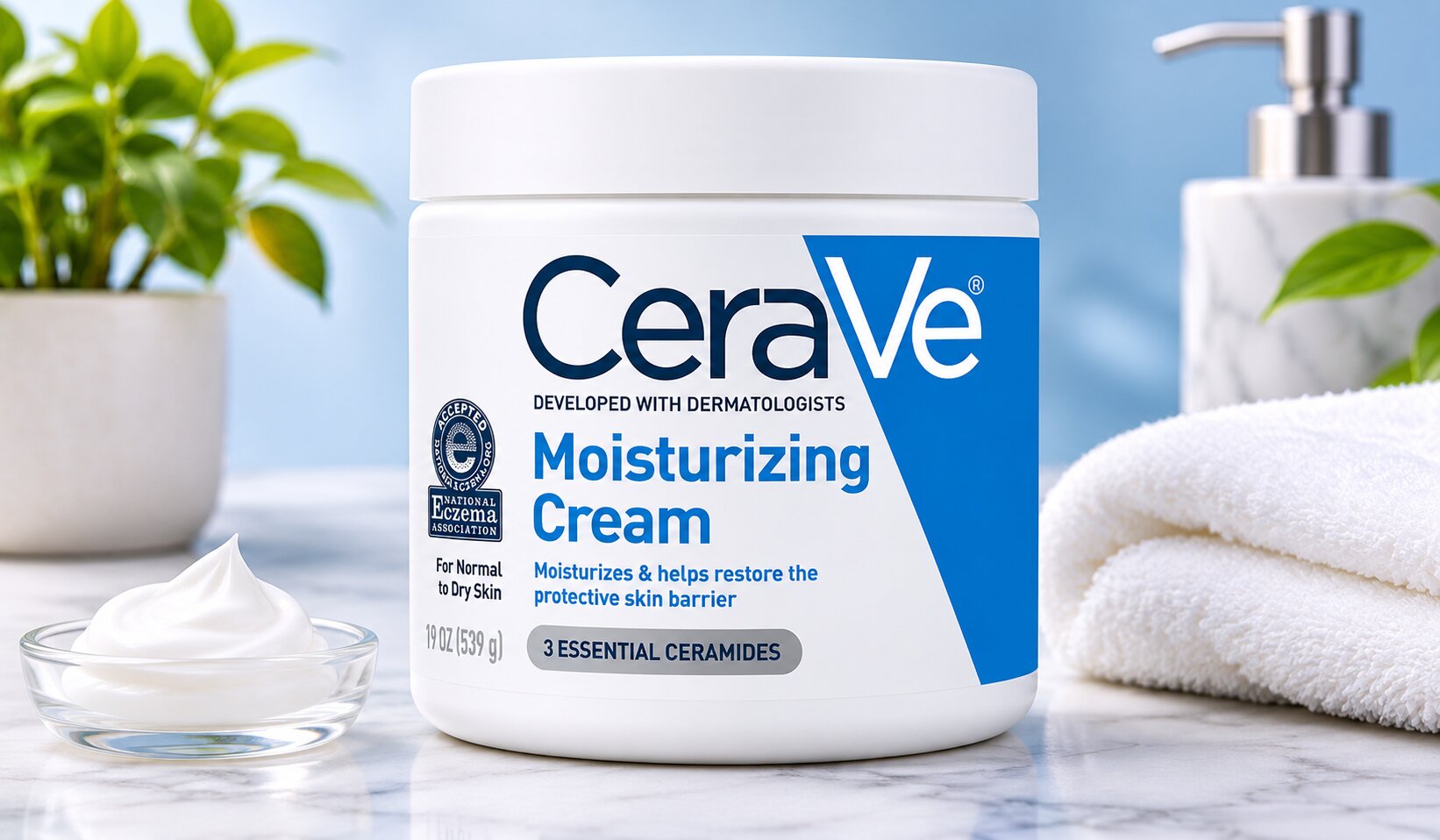
Best for: Dry to very dry skin, facial dryness and face-and-body moisturizing.
Texture: Rich, dense cream.
Finish: Moisturizing and substantial, rather than gel-like.
Key ingredients: Three essential ceramides, hyaluronic acid, dimethicone and petrolatum.
Fragrance: The commonly sold US Moisturizing Cream formula is fragrance-free.
Price positioning: Affordable to mid-range.
Packaging: Commonly available in 8 oz, 12 oz and 16 oz formats, including pump packaging.
When winter dryness becomes difficult to manage, a lightweight moisturizer may not provide enough comfort. CeraVe Moisturizing Cream is worth considering in this situation.
Its manufacturer lists three essential ceramides and hyaluronic acid among the formula's key ingredients. Ceramides are lipids naturally found in the skin barrier. Hyaluronic acid is a humectant that helps attract and retain water. The formula also includes dimethicone and petrolatum, which help reduce moisture loss.
This combination makes the cream a practical option for women experiencing persistent tightness, roughness and dry patches during colder weather.
Its texture is richer than most gel moisturizers. People who prefer a substantial nighttime moisturizer may find it particularly useful.
Another practical advantage is its versatility. CeraVe markets this cream for both face and body. It may also be useful for dry elbows, hands and legs, provided the formula suits your facial skin.
How it fits into a winter routine
Apply a moderate amount after cleansing while the skin is slightly damp. In the morning, allow it to settle before applying sunscreen. At night, use a little more on areas that feel particularly dry.
Makeup compatibility: It can be worn beneath makeup, although people with oily skin may prefer a smaller amount. Allow the cream to settle before applying foundation.
Who should avoid it?
The rich consistency may feel too heavy for people with very oily skin or those who dislike cream-based products. Anyone prone to clogged pores should introduce it carefully.
Final recommendation: CeraVe is a strong starting point for women looking for a winter moisturizer for dry facial skin, especially when dryness also affects other parts of the body.
Official manufacturer source: CeraVe Moisturizing Cream
2. Cetaphil Moisturizing Cream
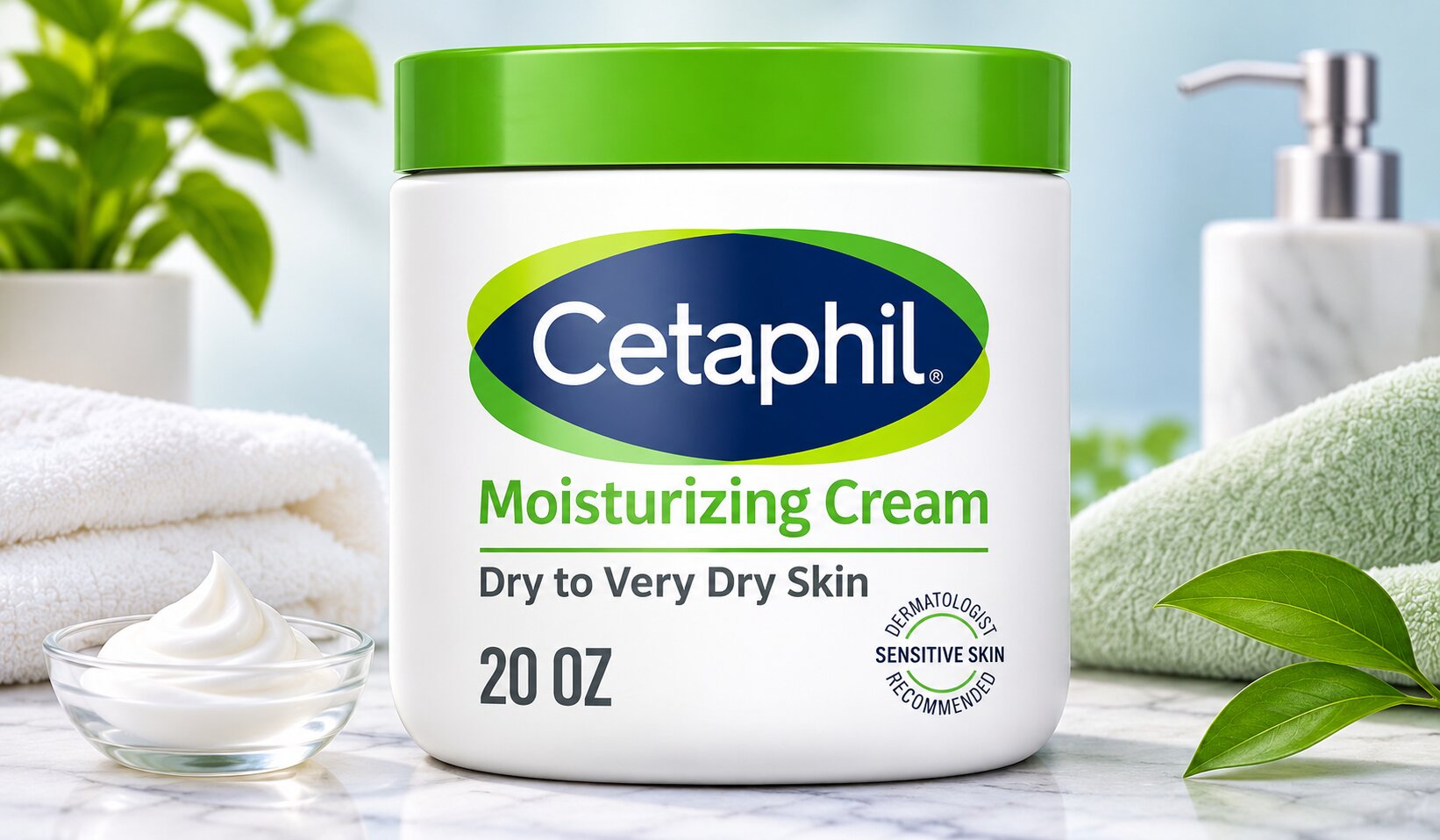
Best for: Dry, sensitive and easily irritated skin.
Texture: Rich, creamy consistency.
Finish: Soft, moisturizing finish.
Key ingredients: Glycerin, panthenol, niacinamide, sweet almond oil and vitamin E in the current US product information.
Fragrance: The commonly sold US cream is unscented; verify the local packaging.
Price positioning: Affordable to mid-range.
Packaging: Commonly available in 8.8 oz, 16 oz and 20 oz formats.
Not every woman wants a moisturizer with several active skincare ingredients. Sometimes a straightforward cream is a better choice, particularly when winter has made the skin feel uncomfortable.
Cetaphil Moisturizing Cream is designed for dry to very dry skin. Its manufacturer lists glycerin and panthenol among its moisturizing ingredients. Glycerin helps attract water to the outer layer of the skin, while panthenol helps condition and moisturize.
The formula also includes niacinamide, which is commonly used in skincare products to support skin conditioning and moisture-barrier care.
Its richer consistency makes it suitable for areas that need additional moisture during colder weather. People who find lightweight gel formulas insufficient may prefer this type of cream.
Texture and everyday use
Because it has a rich consistency, people with combination skin may prefer applying it mainly to the cheeks and other dry areas.
For a simple routine, apply it after gentle cleansing in the morning and evening. If you wear makeup, use a thin layer and allow it to settle before applying sunscreen and foundation.
Packaging and value
Larger tubs can offer practical value for households where several family members use the same moisturizer. Use clean hands or a clean spatula rather than repeatedly dipping unwashed fingers into a shared tub.
Who should avoid it?
People with very oily skin may find its texture too rich, particularly around the forehead, nose and chin. Those seeking a lightweight daytime moisturizer may prefer a gel-cream.
Final recommendation: Cetaphil Moisturizing Cream is worth considering for women who want a straightforward moisturizer for dry winter skin without making their routine unnecessarily complicated.
Official manufacturer source: Cetaphil Moisturizing Cream
3. NIVEA Soft Moisturizing Cream
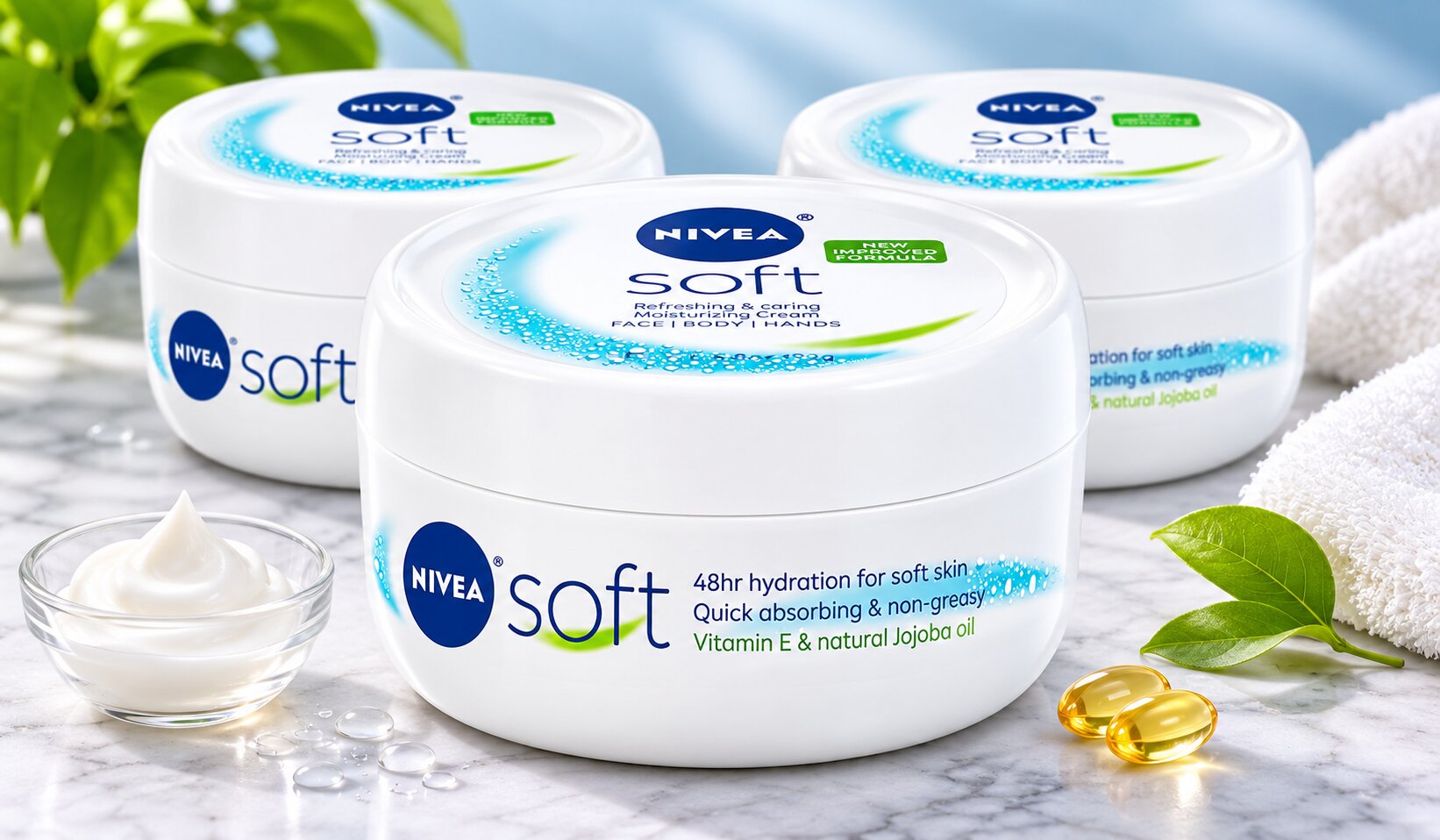
Best for: Mild to moderate dryness and everyday moisturizing.
Texture: Light, soft cream.
Finish: Smooth and relatively easy to spread.
Key ingredients: Jojoba oil, vitamin E, glycerin and emollients.
Fragrance: Contains fragrance.
Price positioning: Budget-friendly.
Packaging: Common US sizes include 2.6 oz and 6.8 oz.
Not everyone experiences severe winter dryness. Some women simply want their face to feel softer after washing and need an everyday cream that does not feel excessively heavy.
NIVEA Soft Moisturizing Cream is designed for this type of routine.
The US manufacturer lists jojoba oil and vitamin E among its featured ingredients. Glycerin is also included in the ingredient list. Jojoba oil helps soften the skin, while glycerin helps attract moisture.
The cream spreads easily and is convenient to use when you want a quick moisturizing step before starting the day.
Winter performance
NIVEA Soft can be a reasonable choice when dryness is mild rather than severe. It provides a moisturizing layer, but it may not be rich enough for skin that becomes flaky or cracked during particularly cold weather.
One practical approach is to use it during the day and choose a richer cream at night if necessary.
Makeup compatibility
Its lighter consistency may make it convenient beneath everyday makeup. Allow it to settle before applying foundation.
Who should avoid it?
The main consideration is fragrance. People with sensitive or fragrance-reactive skin may prefer a fragrance-free alternative.
It may also be insufficient for very dry skin that needs a richer barrier-supporting cream.
Final recommendation: NIVEA Soft is a convenient budget option for mild winter dryness. It is not the strongest choice for severe dryness, but it can fit a simple everyday skincare routine.
Official manufacturer source: NIVEA Soft
Best Winter Moisturizers for Students
Student life often means early mornings, long lectures, cold walks, busy libraries, late-night study sessions and limited spending money.
Skincare can easily become an afterthought.
The ideal moisturizer should be affordable, comfortable and easy to fit into a short morning and evening routine. These three products offer different textures and ingredient combinations.
4. The Ordinary Natural Moisturizing Factors + HA
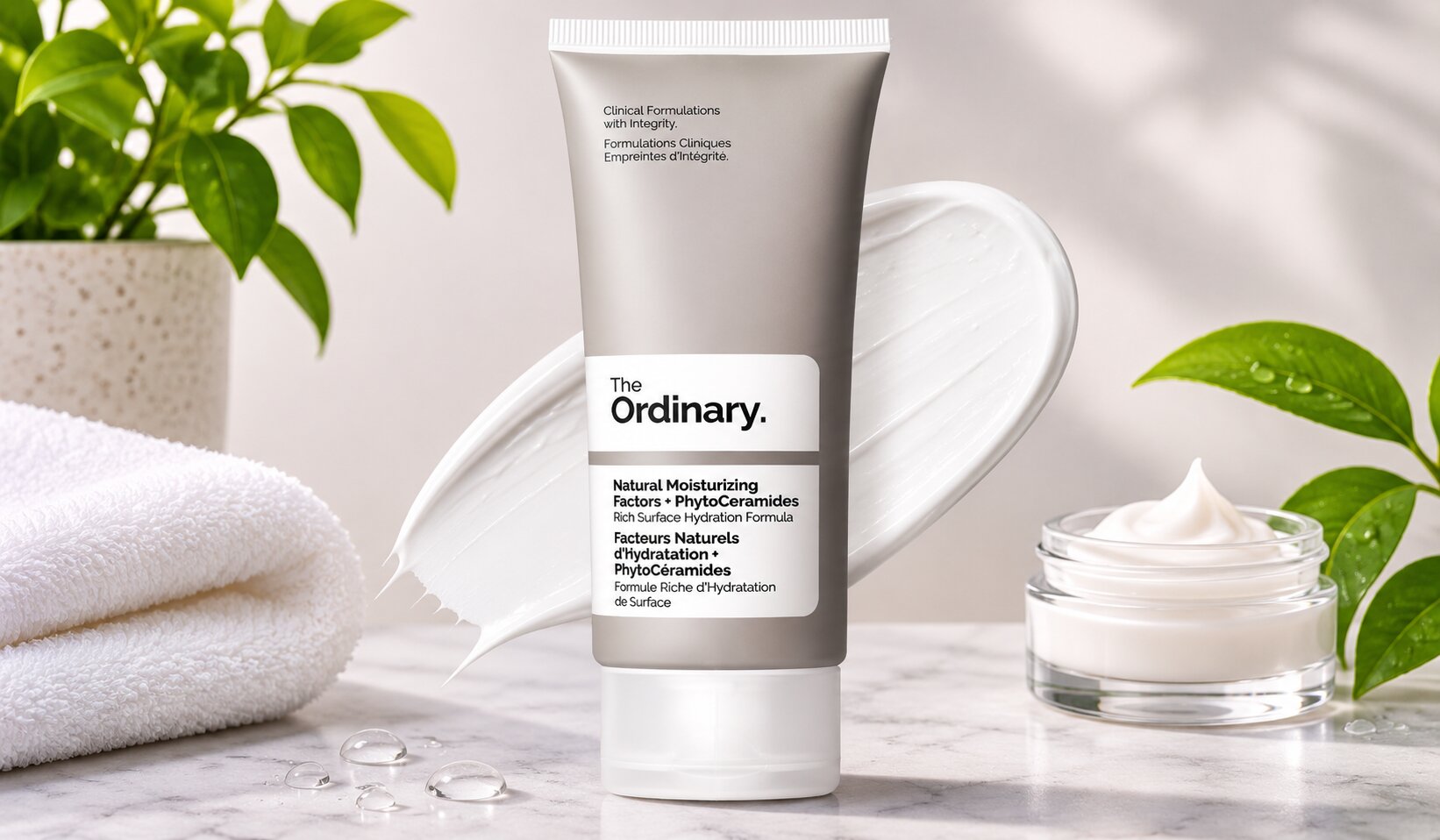
Best for: Normal, combination and mildly dry skin.
Texture: Cream-based moisturizer.
Finish: Comfortable, non-heavy moisturizing finish.
Key ingredients: Glycerin, hyaluronic acid, amino acids, urea and sodium PCA.
Fragrance: The standard formulation is fragrance-free.
Price positioning: Budget-friendly.
Packaging: Commonly available in 30 ml and 100 ml tubes.
Students who prefer minimalist skincare may appreciate The Ordinary Natural Moisturizing Factors + HA.
The product focuses on ingredients associated with the skin's natural moisturizing system. Natural moisturizing factors, often shortened to NMF, include substances naturally present in the outer layer of the skin. These help maintain hydration.
Its manufacturer lists glycerin, sodium hyaluronate, amino acids, urea and sodium PCA among the formula's ingredients.
This combination makes it useful for people who want a straightforward moisturizer without a complicated skincare routine.
Texture and application
The cream has a more traditional moisturizer consistency than a water-gel product. Apply it to slightly damp skin after cleansing.
On particularly cold days, people with dry cheeks may need a richer cream over the top.
Makeup compatibility
It can work as a basic moisturizing layer beneath makeup. Use a moderate amount and allow it to settle before layering other products.
Packaging and value
The compact 30 ml tube is convenient for students who carry skincare products in a bag. The 100 ml format may be more economical for regular use.
Who should avoid it?
People experiencing severe winter dryness may find it insufficient as their only moisturizer. It is not designed to provide the heavy protective feel of a thick cream.
Final recommendation: This is a sensible choice for students who want an uncomplicated moisturizer with a broad range of skin-conditioning ingredients.
Official manufacturer source: The Ordinary Natural Moisturizing Factors + HA
5. Neutrogena Hydro Boost Gel-Cream
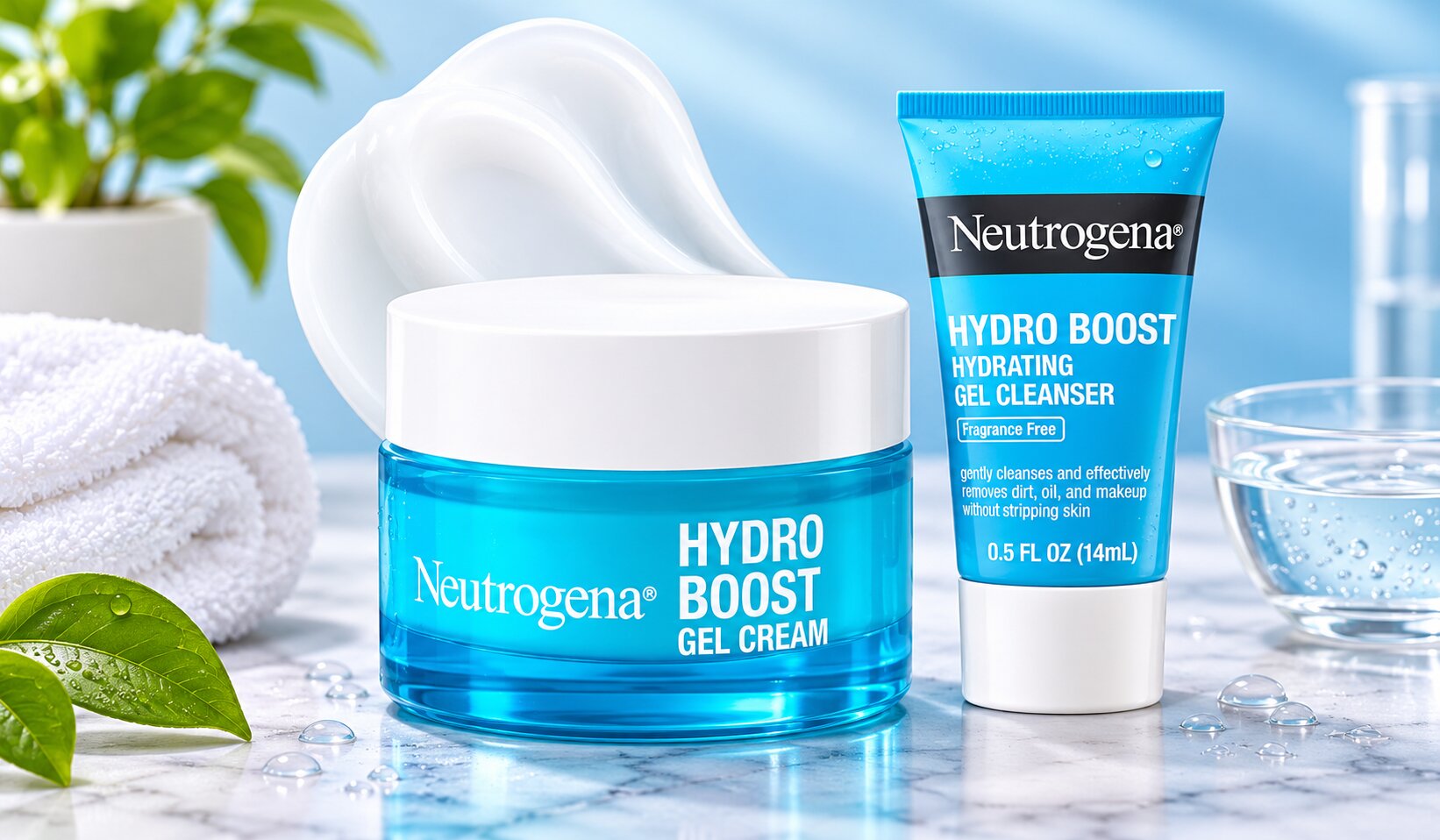
Best for: Normal, oily and combination skin.
Texture: Lightweight gel-cream.
Finish: Fresh, relatively non-greasy feel.
Key ingredients: Hyaluronic acid, glycerin, dimethicone and other moisturizing ingredients.
Fragrance: A fragrance-free version is available. Check the exact product name and packaging.
Price positioning: Affordable to mid-range.
Packaging: Common US sizes include 0.5 fl oz and 1.7 fl oz.
One common winter skincare mistake is assuming that everyone needs a thick cream once the temperature drops.
That is not necessarily true.
Women with oily or combination skin may still dislike heavy moisturizers, particularly when they spend long hours indoors or wear makeup during the day.
Neutrogena Hydro Boost Gel-Cream offers a lighter approach.
Its fragrance-free US formula includes hyaluronic acid, glycerin and dimethicone. Hyaluronic acid and glycerin are humectant ingredients, while dimethicone helps reduce moisture loss and improve the skin feel.
Texture and absorption
The gel-cream spreads easily and is designed for people who dislike a greasy finish. It can be particularly useful for combination skin, where the forehead and nose become oily but the cheeks feel dry.
Rather than applying a heavy layer across the whole face, use a moderate amount and add a richer moisturizer to dry areas if needed.
Makeup compatibility
Its lighter texture can make it convenient beneath foundation and other makeup products. Give it time to settle before layering additional products.
Packaging and value
The smaller formats are convenient for students. Prices vary between retailers and regional versions.
Who should avoid it?
People with very dry or damaged skin barriers may need something richer. Some Hydro Boost products have different formulas, so anyone sensitive to fragrance should choose a clearly labelled fragrance-free version.
Final recommendation: For students searching for a winter moisturizer for oily or combination skin, this is one of the more practical gel-cream options.
Official manufacturer source: Neutrogena Hydro Boost Hyaluronic Acid Gel Cream
6. e.l.f. Holy Hydration! Face Cream
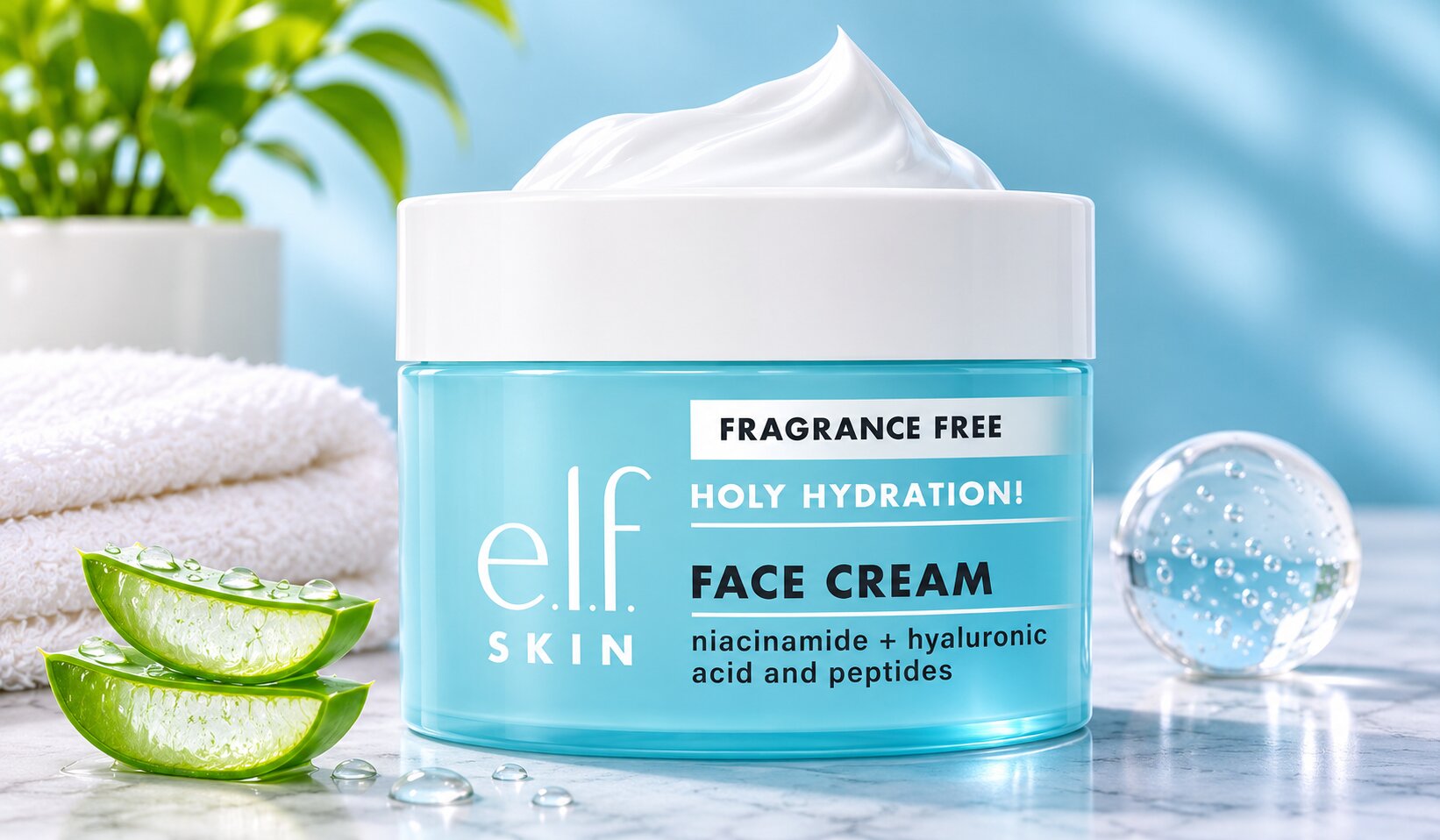
Best for: Students looking for affordable everyday hydration.
Texture: Lightweight cream.
Finish: Soft, smooth and relatively non-greasy.
Key ingredients: Hyaluronic acid, niacinamide, squalane, peptides and panthenol in the fragrance-free version.
Fragrance: A fragrance-free version is available.
Price positioning: Budget-friendly.
Packaging: 50 g / 1.7 oz; a smaller 15 g mini format is also listed for selected versions.
Students often have to balance skincare spending with books, transport, food and other everyday expenses. That makes an affordable moisturizer with several useful ingredients worth considering.
e.l.f. Holy Hydration! Face Cream is a convenient option for people who want hydration alongside ingredients that support the appearance and feel of the skin.
The fragrance-free version includes hyaluronic acid, niacinamide, squalane, peptides and panthenol.
Hyaluronic acid attracts water, squalane helps soften the skin, and niacinamide is commonly used to support skin conditioning. Panthenol is another moisturizing ingredient.
Texture and finish
The cream has a soft consistency and is designed to absorb without leaving an excessively greasy finish. It may suit people who prefer a cream rather than a gel but do not want something very heavy.
It can be used in the morning and evening. In the morning, follow it with sunscreen.
Makeup compatibility
The manufacturer describes the fragrance-free formula as a non-greasy base for makeup. Individual results will still depend on the foundation and other products in your routine.
Packaging and value
Its relatively accessible US price and compact 50 g format make it suitable for students who want a face-specific moisturizer without spending heavily.
Who should avoid it?
People with severe dryness may need a thicker cream. Also, fragrance-free does not mean allergy-proof. Any ingredient can cause an individual reaction.
Final recommendation: e.l.f. Holy Hydration! is a practical budget option for students looking for a moisturizer that combines everyday hydration with several additional skin-conditioning ingredients.
Official manufacturer source: e.l.f. Holy Hydration! Face Cream Fragrance Free
Best Winter Moisturizers for Professional Women
Professional women often have different skincare requirements.
A typical working day may involve getting ready early, commuting in cold weather, spending several hours in heated offices, attending meetings and wearing makeup for long periods.
Indoor heating can make facial skin feel dry even when the weather outside is not particularly severe. At the same time, many women want their skincare routine to support concerns such as uneven texture, fine lines and sensitivity.
The following four moisturizers offer different approaches to these needs.
7. La Roche-Posay Toleriane Double Repair Face Moisturizer
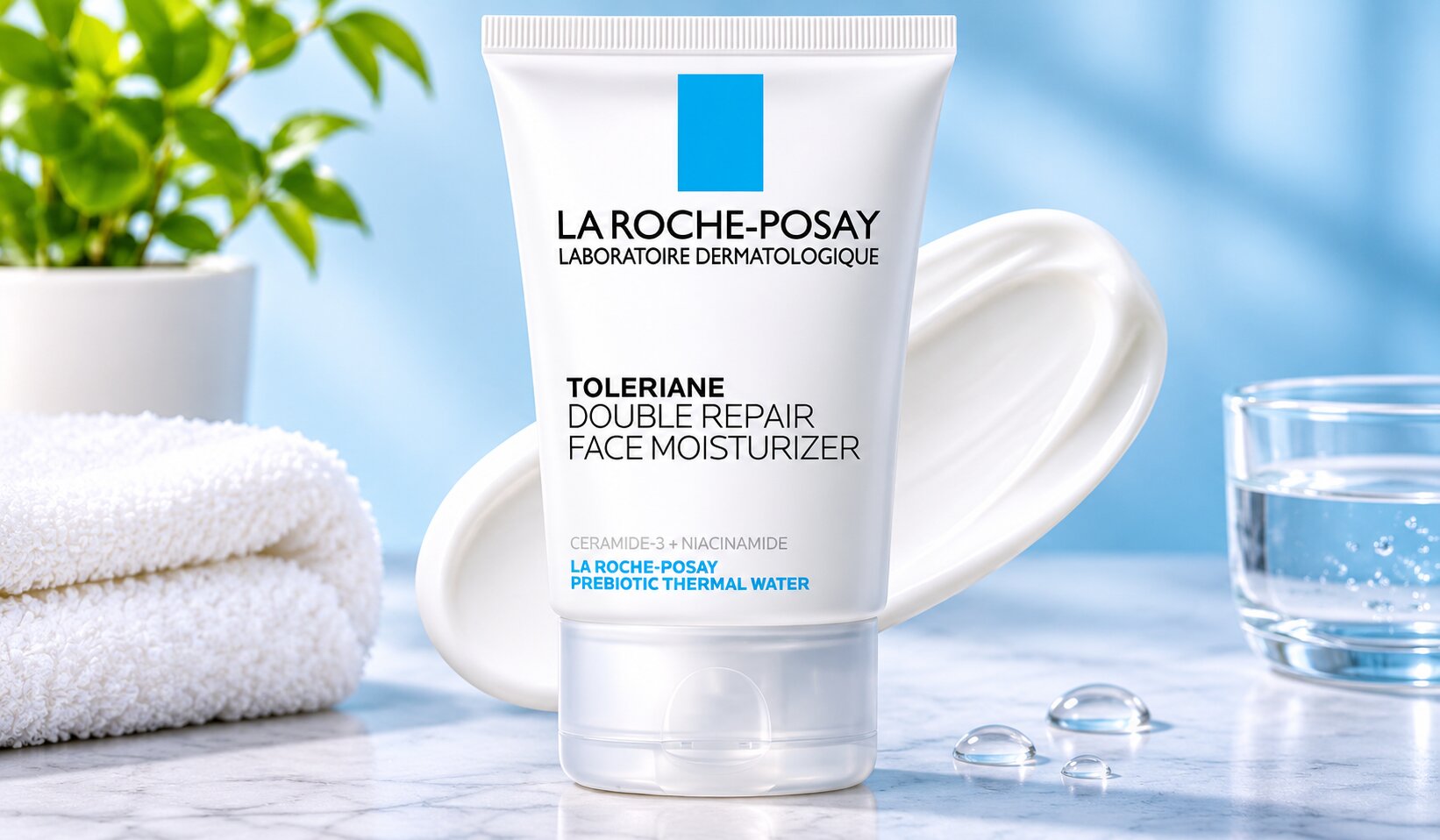
Best for: Sensitive, dry and combination skin.
Texture: Lightweight cream.
Finish: Comfortable, smooth finish.
Key ingredients: Ceramide-3, glycerin, niacinamide and squalane.
Fragrance: The standard US formula is fragrance-free.
Price positioning: Mid-range to premium drugstore skincare.
Packaging: Common US format is 2.5 fl oz.
A moisturizer used before a long working day should provide hydration without making the face feel excessively greasy.
La Roche-Posay Toleriane Double Repair Face Moisturizer is designed around that idea.
Its US manufacturer lists ceramide-3, glycerin, niacinamide and squalane among the formula's ingredients.
Ceramide-3 helps support the skin's moisture barrier. Glycerin attracts water, while squalane helps soften the skin. Niacinamide is commonly used in skincare for skin conditioning and barrier care.
Texture and absorption
Compared with heavy winter creams, this moisturizer has a relatively lightweight consistency. It is designed to absorb comfortably, making it suitable for people who prefer a moisturizer that does not dominate the rest of their skincare routine.
Makeup compatibility
Its lightweight cream texture can work beneath sunscreen and foundation. Apply a moderate amount and allow it to settle before continuing with makeup.
Packaging and value
It is generally more expensive than basic drugstore creams. However, people who prefer a dedicated facial moisturizer with ceramide and niacinamide may find the positioning reasonable.
Who should avoid it?
Budget-conscious buyers may prefer less expensive alternatives. People with very dry skin may also need a richer moisturizer at night.
Regional formulas should be checked carefully because product names and ingredients may differ.
Final recommendation: This is a good option for professional women who want comfortable daily hydration without the heavy feeling of some traditional winter creams.
Official manufacturer source: La Roche-Posay Toleriane Double Repair Face Moisturizer
8. Olay Regenerist Micro-Sculpting Cream
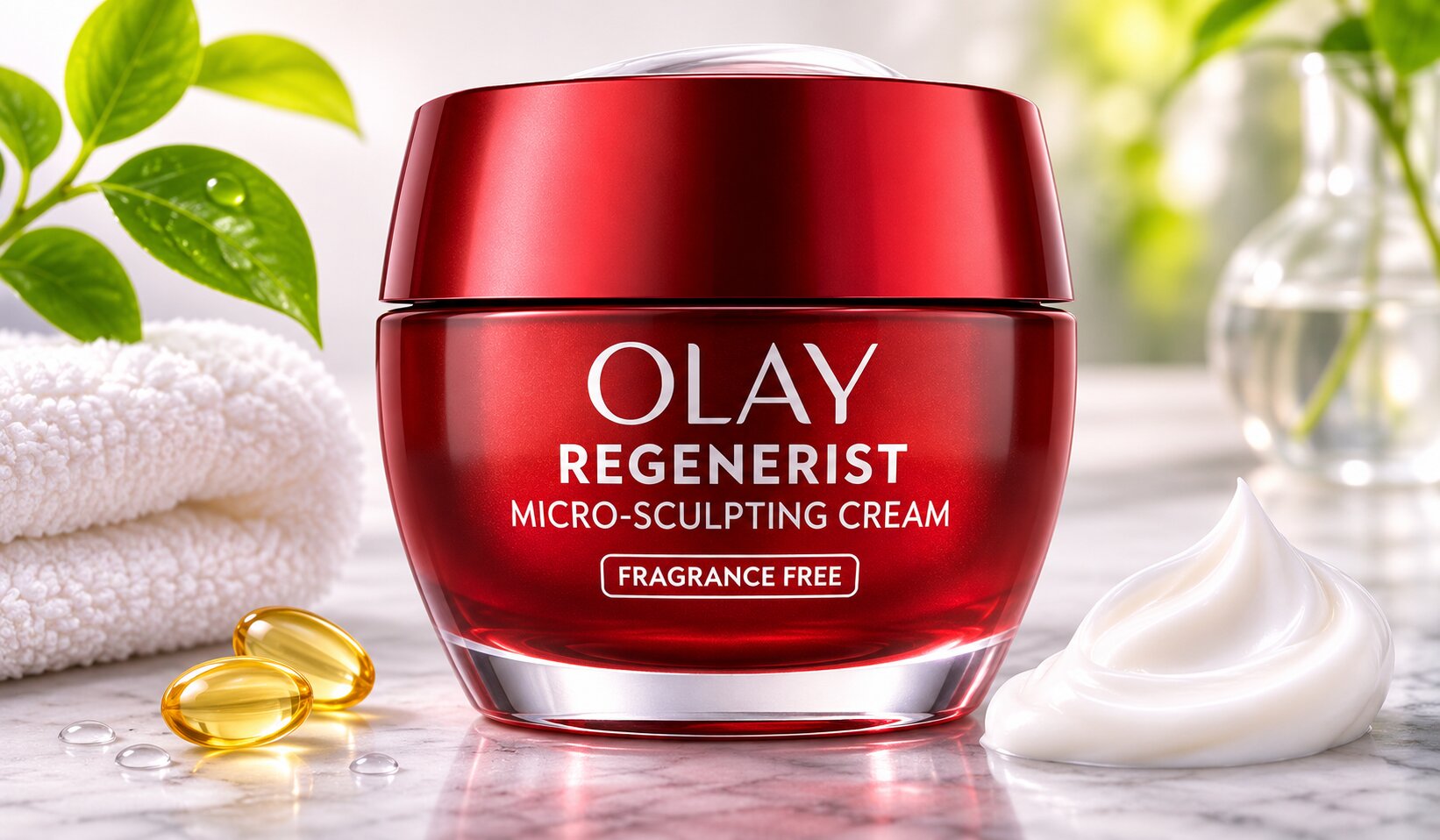
Best for: Mature skin, visible dryness and the appearance of fine lines.
Texture: Rich cream.
Finish: Smooth, cushiony moisturizing finish.
Key ingredients: Niacinamide, glycerin, panthenol and peptide ingredients in the commonly listed formula.
Fragrance: Some versions contain fragrance. Check the specific product.
Price positioning: Mid-range.
Packaging: Common US sizes include 0.5 oz and 1.7 oz.
As skin matures, it can become more prone to dryness. Winter conditions may make this more noticeable.
Fine lines can appear more pronounced when the outer layer of the skin is dehydrated. A moisturizer cannot erase wrinkles, but adequate hydration can improve the appearance of dryness-related lines.
Olay Regenerist Micro-Sculpting Cream is designed for people who want a richer moisturizer with additional skin-conditioning ingredients.
Its manufacturer describes the cream as a moisturizer for tighter, firmer-looking skin. The product page lists a full-size 1.7 oz jar and a smaller 0.5 oz option.
Texture and application
The cream has a richer consistency than many lightweight daytime moisturizers. It may suit women who prefer a comfortable evening moisturizer, particularly when their skin feels tight after cleansing.
Apply a moderate layer after cleansing. If using it during the day, follow with a separate broad-spectrum sunscreen.
Makeup compatibility
People with dry skin may appreciate its moisturizing feel beneath makeup. Those with oily skin may find it too rich for daytime use.
Packaging and value
The full-size jar is more expensive than basic drugstore moisturizers. Its value depends on whether you want a richer cream with additional skin-conditioning ingredients.
Who should avoid it?
People who react to fragrance should check the ingredient list carefully. Some versions contain added fragrance.
It is also important to keep expectations realistic. A moisturizer can improve hydration and the appearance of fine lines, but it cannot reproduce the effects of professional cosmetic procedures.
Final recommendation: Olay Regenerist is worth considering for women looking for a face moisturizer for aging skin, particularly when dryness and visible fine lines are among their main concerns.
Official manufacturer source: Olay Regenerist Micro-Sculpting Cream
9. Vanicream Daily Facial Moisturizer
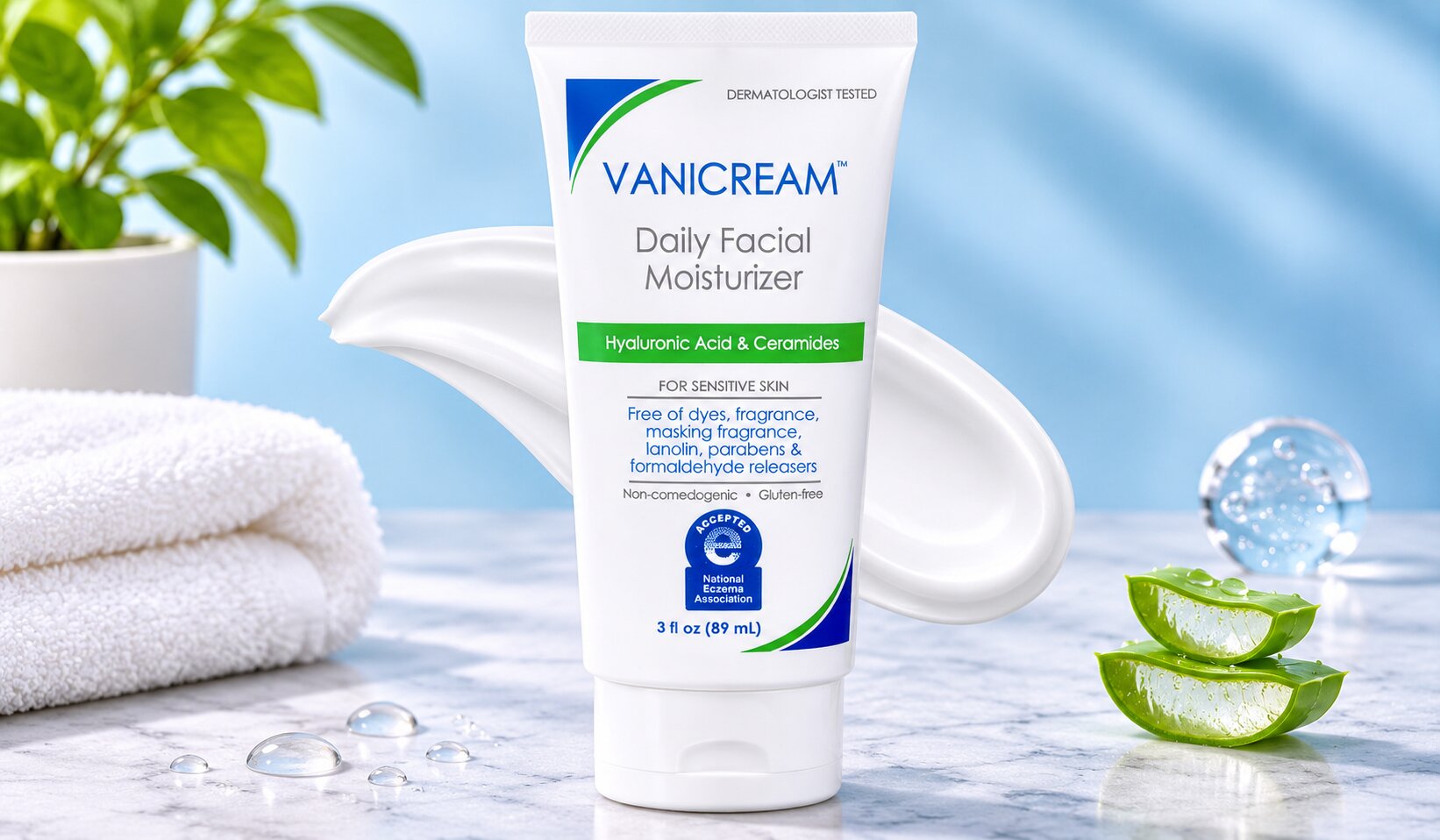
Best for: Sensitive, reactive and allergy-prone skin.
Texture: Lightweight lotion-cream.
Finish: Non-greasy and comfortable.
Key ingredients: Five ceramides, hyaluronic acid, glycerin and squalane.
Fragrance: Fragrance-free.
Price positioning: Affordable to mid-range.
Packaging: Common US size is 3 fl oz.
Some women find that their skin reacts to products containing fragrance, essential oils or numerous botanical ingredients.
Vanicream Daily Facial Moisturizer takes a relatively simple approach.
Its manufacturer lists five ceramides, hyaluronic acid, glycerin and squalane in the formula. These ingredients support hydration and help maintain the skin's moisture barrier.
The product is also described as non-comedogenic and suitable for sensitive skin. Its manufacturer notes that the formula contains no botanical extracts or essential oils.
Texture and absorption
Despite being intended for sensitive skin, it has a relatively lightweight feel. It spreads easily and is designed to absorb without leaving a heavy greasy layer.
This makes it suitable for women who want a daily facial moisturizer that can be used both morning and evening.
Makeup compatibility
Its non-greasy texture makes it suitable for layering under sunscreen and makeup. It may also appeal to people who want a simple moisturizer that does not compete with other skincare products.
Packaging and value
The pump packaging makes it convenient to dispense a controlled amount and reduces the need to repeatedly dip fingers into a container.
Who should avoid it?
Women looking for a luxurious, heavily fragranced cream may not enjoy its straightforward formulation. It may also feel insufficiently rich for people with severely dry skin who need an ointment-like protective layer.
Final recommendation: Vanicream is a sensible option for women who want a fragrance-free moisturizer with ceramides and hyaluronic acid, particularly when sensitive skin is a concern.
Official manufacturer source: Vanicream Daily Facial Moisturizer
10. Aveeno Calm + Restore Oat Gel Moisturizer
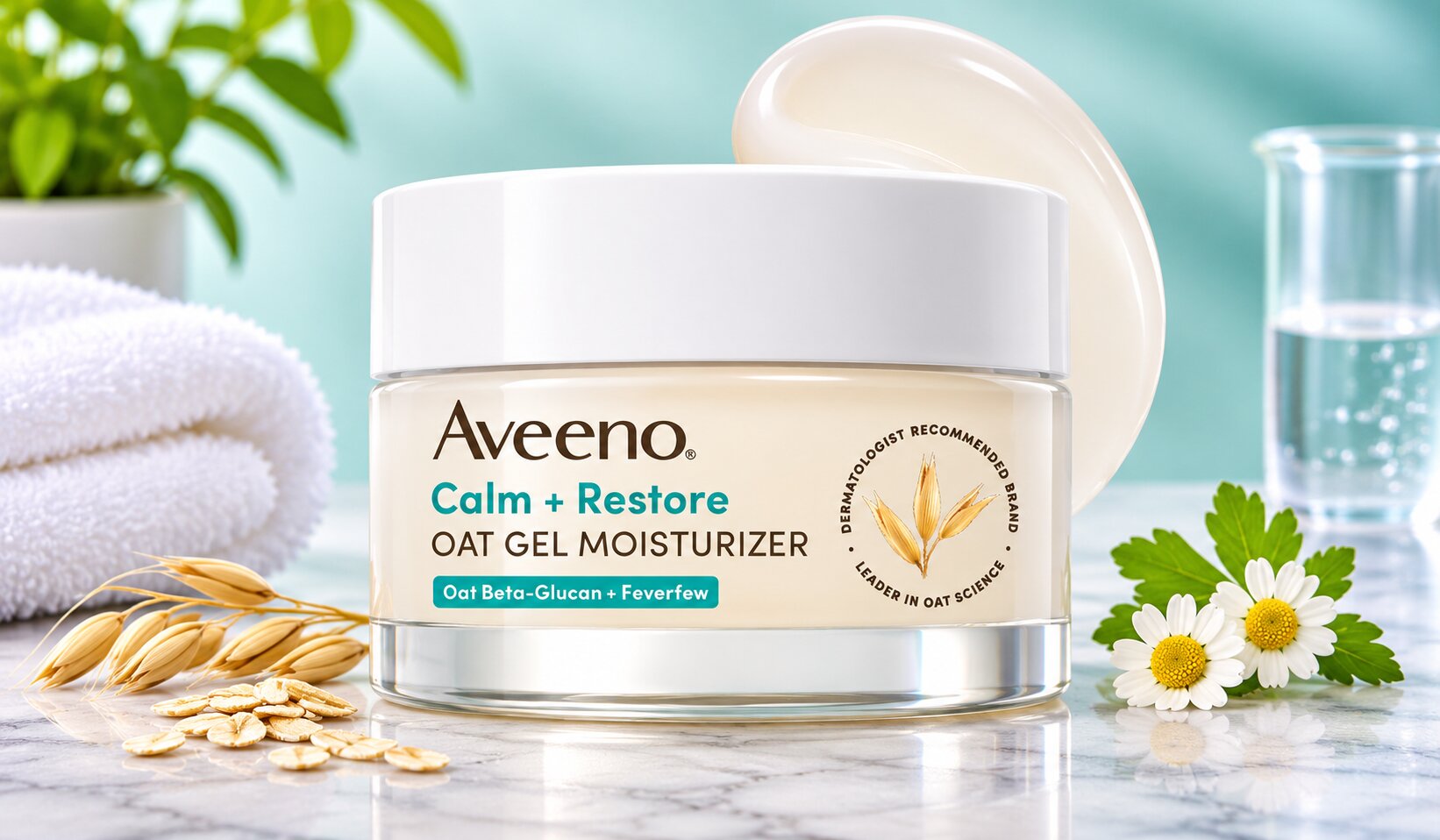
Best for: Sensitive, redness-prone and normal-to-dry skin.
Texture: Lightweight gel-cream.
Finish: Fresh, soft and relatively quick to absorb.
Key ingredients: Prebiotic oat, glycerin and feverfew in the US Oat Gel formula.
Fragrance: The commonly sold US Calm + Restore Oat Gel formula is fragrance-free.
Price positioning: Mid-range drugstore skincare.
Packaging: Common US sizes include 0.5 oz and 1.7 oz.
Winter can be particularly uncomfortable for people whose skin is easily irritated by changes in temperature.
The cheeks may become red after going outdoors, while indoor heating can leave the face feeling tight. For women who dislike heavy creams, Aveeno Calm + Restore Oat Gel Moisturizer offers a lighter alternative.
The manufacturer highlights prebiotic oat and feverfew in this formula. Oat-based ingredients are widely used in skincare products designed for dry or sensitive skin. Glycerin also appears in the ingredient list and helps attract moisture.
Texture and everyday use
Its gel-cream consistency is designed to absorb relatively quickly without the heavy feel of a rich facial cream. This can be useful during the daytime, especially when wearing makeup.
Women with combination skin may appreciate its lighter finish.
Makeup compatibility
The lightweight consistency makes it a practical option beneath sunscreen and makeup. Allow it to settle before applying foundation.
Packaging and value
Its face-specific packaging is convenient for keeping on a dressing table or carrying in a handbag. Prices vary across retailers.
Who should avoid it?
People with very dry or cracked skin may find that a gel moisturizer does not provide enough protection on its own. Anyone with a known sensitivity to oat or other botanical ingredients should check the formulation and patch test first.
Final recommendation: Aveeno Calm + Restore is a useful choice for women who prefer lightweight hydration and want a moisturizer designed with sensitive skin in mind.
Official manufacturer source: Aveeno Calm + Restore Oat Gel Moisturizer
Why Winter Is So Hard on Your Face
A moisturizer becomes easier to choose when you understand what happens to your skin during colder weather.
The outermost layer of your skin is known as the stratum corneum. It acts as a protective barrier that helps prevent excessive water loss and protects the body from environmental irritants.
Think of it as a brick wall. Skin cells are the bricks, while natural lipids help form the mortar between them. The Canadian Dermatology Association uses this type of barrier explanation to describe how the outer layer helps retain hydration and protect against irritants. CDA dry skin guidance.
Winter conditions can make maintaining that balance more difficult.
1. Cold Air and Low Humidity
Cold weather and low outdoor humidity are common contributors to dry skin. The Canadian Dermatology Association also identifies indoor heating as a factor because heated indoor air can be dry.
Women with naturally dry skin may notice these changes sooner, but oily and combination skin can experience dehydration too. CDA.
2. Indoor Heating
Central heating, radiators and other heating systems make indoor spaces more comfortable during winter. Unfortunately, heated indoor air can also have low humidity.
This creates an unusual situation: your skin may experience dryness both outdoors and indoors.
Using a clean humidifier in the bedroom may help improve indoor humidity. The AAD recommends using a humidifier as one way to increase moisture in dry indoor air. AAD winter skin guidance.
3. Wind Exposure
Cold wind can irritate exposed facial areas, particularly the cheeks, nose and lips.
Protective clothing, a suitable moisturizer and lip balm can help reduce discomfort.
4. Hot Showers and Cleansing
Hot water and harsh cleansers can make dry skin worse. The AAD recommends short showers using warm rather than hot water, gentle cleansing and applying moisturizer immediately after washing. AAD dermatologist tips.
5. Changes in Skin Oil and Moisture
Some people notice that their skin feels less comfortable or more dry during colder months. Low humidity, indoor heating and frequent cleansing can make that dryness more noticeable.
6. Winter Sun Exposure
Sunscreen remains part of a winter skincare routine. The AAD recommends broad-spectrum, water-resistant sunscreen with SPF 30 or higher for exposed skin. AAD guidance.
Winter skincare should therefore include both moisturizer and sun protection.
What Can Happen If You Ignore Facial Skincare During Winter?
Skipping moisturizer occasionally will not automatically damage your skin. However, consistently ignoring dryness and irritation can allow uncomfortable symptoms to develop.
Here are some problems worth recognizing:
- Persistent tightness: Your face may feel uncomfortable after washing or cleansing.
- Flaking and rough patches: Dry skin may begin to shed visibly, especially around the nose, forehead and cheeks.
- Dull appearance: Dehydrated skin can look less smooth and may reflect light unevenly.
- Increased sensitivity: Dry or irritated skin may become more reactive to products.
- More noticeable fine lines: Dehydration can temporarily make existing lines appear more pronounced.
- Itching and cracking: Severe dryness can cause itching and small cracks.
- Eczema and dermatitis flare-ups: Cold weather and low humidity can worsen symptoms in people who already have inflammatory skin conditions.
- Discomfort around the lips: Lips can become dry, flaky and cracked during cold weather.
The AAD notes that dry skin can flake, itch, crack and even bleed. Persistent dryness may sometimes be related to an underlying condition such as eczema or psoriasis. AAD dry skin overview.
A moisturizer can help manage ordinary dryness, but it cannot treat every cause of redness, itching or inflammation. If your skin becomes painful, bleeds, develops persistent rashes or fails to improve with gentle skincare, consult a qualified healthcare professional.
How Moisturizers Actually Work
Understanding moisturizer ingredients helps you make better purchasing decisions.
Most moisturizers use a combination of three ingredient categories: humectants, emollients and occlusives. They work in different ways.
Humectants: Ingredients That Attract Water
Humectants help attract and retain water in the outer layers of the skin.
Common examples include:
- Glycerin
- Hyaluronic acid
- Urea
- Panthenol
- Sodium PCA
Glycerin is common in facial moisturizers because it is an effective humectant. Hyaluronic acid is another popular ingredient used to support hydration.
However, humectants alone may not provide enough protection for very dry winter skin. They are often combined with ingredients that soften the skin and reduce water loss.
Emollients: Ingredients That Soften Skin
Emollients improve the feel and texture of dry skin. They help make the surface feel smoother.
Common examples include:
- Ceramides
- Squalane
- Fatty acids
- Shea butter
- Certain plant oils
Ceramides are particularly relevant to winter skincare because they are part of the skin's natural protective barrier.
Occlusives: Ingredients That Reduce Water Loss
Occlusives form a protective layer on the skin's surface. This helps slow the evaporation of water.
Examples include:
- Petrolatum
- Dimethicone
- Mineral oil
- Certain waxes
- Shea butter
A thick winter moisturizer may contain ingredients from several of these categories. This helps explain why a rich cream often feels more protective than a lightweight lotion.
The AAD recommends creams or ointments rather than lotions for very dry skin and lists ingredients such as glycerin, hyaluronic acid, dimethicone, mineral oil, petrolatum and shea butter among useful options. AAD moisturizer guidance.
Which Ingredients Should You Be Careful With?
A stressed winter skin barrier may become more sensitive to certain products.
Fragrance and essential oils can trigger irritation in some people. Strong exfoliating products may also cause discomfort when the skin is already dry.
If your skin is becoming irritated, reduce unnecessary exfoliation and introduce new products gradually.
Also remember that fatty alcohols, such as cetyl alcohol and cetearyl alcohol, are different from drying alcohols. They are commonly used as emollients and texture-supporting ingredients in moisturizers.
Five Winter Skincare Questions Most Women Should Consider
Choosing a product is only part of winter skincare. Knowing how to adjust your routine is equally important.
1. Why Can the Same Moisturizer Feel Less Effective in Winter Than in Summer?
A moisturizer that works well in summer may feel insufficient when temperatures fall. This does not necessarily mean the product has stopped working. Your surroundings have changed.
Cold outdoor air and indoor heating can contribute to dry skin. A lightweight summer lotion may therefore feel less comfortable in winter. CDA dry skin guidance.
The first step should be to assess your skin rather than immediately buying several new products.
If your skin feels dry but otherwise healthy, try applying your existing moisturizer more consistently. If that is not enough, consider moving to a richer cream.
2. When Should You Switch From a Gel Moisturizer to a Cream?
There is no fixed temperature at which everyone should change products. Your skin provides better guidance than the weather forecast.
Consider switching to a cream when:
- Your cheeks feel tight shortly after applying a gel.
- Dry patches appear despite regular moisturizing.
- Your skin becomes uncomfortable after cleansing.
- Makeup begins catching on flaky areas.
- You need to reapply moisturizer repeatedly during the day.
You do not necessarily need to abandon your gel moisturizer. Use a lightweight gel on oily areas and a richer cream on dry cheeks if that feels more comfortable.
3. Why Should Dry Cheeks and an Oily T-Zone Receive Different Amounts of Moisturizer?
Combination skin does not produce the same amount of oil across the entire face.
The forehead, nose and chin may become oily, while the cheeks remain dry. Applying a thick layer of cream everywhere can make the T-zone feel unnecessarily heavy.
A practical approach is to apply a thin layer across the face and add more to the dry areas.
4. Why Can Your Face Still Feel Tight After Applying Moisturizer?
Several factors may explain this:
The formula may be too lightweight. A gel moisturizer may not provide enough protection for severely dry skin.
Your cleanser may be too harsh. A strong cleanser can contribute to dryness.
You may be applying moisturizer too late. Applying it while the skin is slightly damp helps retain existing moisture.
You may be using too many active products. Exfoliating acids and retinoids can contribute to irritation or dryness.
Your skin may have an underlying condition. Persistent redness, itching and scaling can indicate something more than ordinary winter dryness.
If a moisturizer repeatedly causes burning or discomfort, stop using it and assess the ingredients. Seek medical advice if symptoms persist.
5. When Should You Change Your Skincare Routine Instead of Changing Your Moisturizer?
Buying a new cream is not always the solution. Sometimes the problem comes from the other products in your routine.
Before purchasing another moisturizer, consider:
- Switching to a gentle cleanser.
- Using lukewarm rather than hot water.
- Temporarily reducing strong exfoliating products if your skin is irritated.
- Applying moisturizer immediately after washing.
- Using sunscreen during the day.
- Allowing irritated skin time to recover.
A simpler routine is often more useful than adding another serum or treatment.
Choosing the Best Winter Moisturizer by Skin Type
The most expensive moisturizer is not automatically the best one. Your skin type, personal preferences and the severity of winter dryness should determine your choice.
Dry Skin
For dry skin, look for a richer cream containing ceramides, glycerin, petrolatum, squalane or other suitable emollients.
CeraVe Moisturizing Cream and Cetaphil Moisturizing Cream are two options worth considering.
Apply moisturizer after washing, preferably while the skin is slightly damp. If your face becomes severely dry or cracked, a dermatologist may recommend a more protective ointment.
Oily Skin
Oily skin still needs hydration.
A lightweight, non-comedogenic gel-cream or lotion may be more comfortable than a dense cream.
Look for glycerin and hyaluronic acid. Neutrogena Hydro Boost Gel-Cream is one option, particularly when you prefer a lighter finish.
Combination Skin
The best moisturizer for combination skin should provide hydration without making oily areas uncomfortable.
A medium-weight cream or gel-cream is often a practical starting point. You can apply a richer moisturizer to the cheeks and a thinner layer around the T-zone.
Neutrogena Hydro Boost and La Roche-Posay Toleriane Double Repair are worth considering.
Sensitive Skin
Sensitive skin benefits from a simpler approach.
Look for fragrance-free products and avoid introducing several new ingredients simultaneously.
Vanicream Daily Facial Moisturizer, Cetaphil Moisturizing Cream and La Roche-Posay Toleriane Double Repair are possible choices.
Patch test new products before applying them across your entire face. The AAD recommends fragrance-free skincare products for people with dry, sensitive skin. AAD guidance.
All Skin Types
There is no single moisturizer that will suit every person.
A fragrance-free, non-comedogenic moisturizer with ingredients such as glycerin or ceramides can be a sensible starting point for many people. The final choice should depend on your skin's response.
Men
The best winter moisturizer for men does not have to come from a product line marketed specifically to men.
The same moisturizing ingredients can be considered regardless of gender. Men who shave regularly may experience additional irritation, particularly when cold weather makes the skin dry.
A fragrance-free moisturizer containing glycerin, ceramides or squalane can be a practical choice.
For dry skin, CeraVe, Cetaphil and Vanicream are reasonable options to investigate. Apply moisturizer after shaving, once the skin has been gently rinsed and patted dry.
Women
The best winter moisturizer for women depends on skin type, lifestyle and personal preferences.
Women with dry skin may prefer a richer cream, while those with oily skin may be more comfortable with a lightweight gel-cream.
Ingredient selection should come before packaging or marketing claims.
Aging Skin
Mature skin may become drier and more sensitive to environmental changes.
A moisturizer for aging skin should prioritize hydration and barrier support. Look for ingredients such as:
- Ceramides
- Glycerin
- Hyaluronic acid
- Niacinamide
- Peptides
- Squalane
Olay Regenerist Micro-Sculpting Cream is one product to consider.
Hydration can improve the appearance of fine lines, but moisturizer alone cannot reverse structural changes associated with aging. Daily sunscreen remains important for long-term skin protection.
Natural and Organic Preferences
Some women prefer a natural moisturizer because they want products containing plant-derived ingredients. Others specifically search for organic skincare.
However, natural and organic are not guarantees of safety or effectiveness. Plant oils, essential oils and botanical extracts can also cause irritation or allergic reactions.
If you prefer plant-based ingredients, consider products containing suitable ingredients such as jojoba oil or oat. Check the ingredient list and certification claims rather than relying only on the words natural or organic on the packaging.
What About Pond's?
Pond's remains a familiar name in facial skincare, particularly among people who grew up using traditional cold creams.
Readers searching for a winter moisturizer from Pond's may come across several products with different formulations. Some classic cold creams have a richer consistency and are designed to soften the skin while helping reduce moisture loss.
However, Pond's products vary by market and product line. Check the exact formulation before buying, especially if you have sensitive or acne-prone skin.
How to Build a Winter Skincare Routine That Works
A suitable moisturizer will work best when the rest of your routine supports comfortable skin.
You do not need ten different products. A simple routine with gentle cleansing, moisturizing and sun protection is a good starting point.
Morning Routine
Step 1: Cleanse gently.
Use lukewarm water and a gentle cleanser. If your face is not oily or dirty in the morning, a simple water rinse may be sufficient for some people.
Step 2: Apply moisturizer.
Use your selected moisturizer on slightly damp skin. Pay attention to dry areas, particularly around the cheeks and nose.
Step 3: Apply sunscreen.
Use a broad-spectrum sunscreen with SPF 30 or higher on exposed facial skin. Do not skip this step simply because the weather is cloudy or cold. AAD sunscreen guidance.
Step 4: Protect your lips.
Apply a suitable lip balm and reapply when necessary.
Evening Routine
Step 1: Remove makeup and sunscreen.
Use a gentle cleanser or suitable cleansing balm. Avoid rubbing the skin aggressively.
Step 2: Pat your face dry.
Use a clean, soft towel and leave the skin slightly damp.
Step 3: Apply moisturizer.
Use a richer formula if your skin feels dry. You do not need to apply an excessive amount.
Step 4: Add extra protection if needed.
For particularly dry patches, a thin layer of a suitable occlusive product may help reduce water loss.
Weekly Skincare
Keep exfoliation gentle. If your skin is already flaky, red or irritated, temporarily stop exfoliating until it feels comfortable again.
A hydrating mask can be an optional addition, but it should not replace your everyday moisturizer.
Winter Skincare Mistakes Women Should Avoid
Even a good moisturizer cannot compensate for habits that repeatedly irritate the skin.
Using very hot water: Hot showers may feel relaxing, but they can worsen dryness. Choose warm water instead.
Over-cleansing: Washing your face repeatedly can remove natural oils and make dryness more noticeable.
Skipping sunscreen: Winter does not eliminate UV exposure. Continue using broad-spectrum protection.
Using too many active ingredients: Combining several strong exfoliating products can irritate an already dry skin barrier.
Applying moisturizer to completely dry skin: Applying it while the skin is slightly damp can help retain moisture.
Ignoring the neck and ears: These areas are also exposed to cold air and sunlight.
Forgetting lip protection: Lips can become cracked and uncomfortable during cold weather.
Keeping indoor air excessively dry: Consider a clean humidifier if indoor heating makes the skin uncomfortable.
Changing products too frequently: Give a new, suitable moisturizer time to show whether it improves everyday comfort. Stop sooner if it causes irritation.
The AAD recommends short warm showers, gentle cleansing, moisturizing damp skin and using a humidifier when indoor air is dry. AAD dermatologist tips.
Face and Body: Can One Moisturizer Do Both?
Many women prefer buying one product that can be used on both the face and body. This can be practical, particularly when winter dryness affects several areas.
CeraVe Moisturizing Cream and Cetaphil Moisturizing Cream are examples of products commonly marketed for both facial and body use.
However, facial skin can respond differently from the skin on your arms and legs. A rich body cream may feel uncomfortable on oily or acne-prone facial skin.
When choosing a combined face-and-body moisturizer, consider:
- Whether the product is labelled for facial use.
- Whether it contains fragrance.
- Whether its consistency suits your facial skin.
- Whether you are prone to clogged pores.
- Whether it feels comfortable beneath sunscreen.
A product that works well on your hands may not necessarily be the best choice for your face.
Moisturizers and the Search for Healthy, Glowing Skin
Many women search for the best moisturizer for glowing skin because winter can leave their complexion looking dull.
It is worth understanding what moisturizer can realistically achieve.
Healthy-looking skin often appears smoother and more luminous when adequately hydrated. When the outer skin layer becomes dry, its surface can look rough and uneven. Hydration helps improve its appearance.
Some moisturizers also contain ingredients such as niacinamide, which is used in skincare formulations to support skin conditioning and improve the appearance of uneven skin tone.
However, no ordinary moisturizer should be expected to produce dramatic skin-brightening results overnight.
A practical approach includes:
- Using a moisturizer suitable for your skin type.
- Applying sunscreen every morning.
- Avoiding excessive exfoliation.
- Keeping the skin barrier comfortable.
- Maintaining a consistent skincare routine.
A healthy-looking glow is generally better supported by regular care than by repeatedly changing products.
What Dermatologists Recommend for Winter Skin Protection
Reliable skincare advice should come from sources that explain why a recommendation is useful.
Several established dermatology organizations provide practical guidance for managing winter dryness.
American Academy of Dermatology (AAD)
The AAD recommends using creams or ointments rather than lightweight lotions when dealing with very dry skin. It also advises applying moisturizer while the skin is still damp after washing, using warm rather than hot water and choosing gentle, fragrance-free products.
Its guidance also discusses protecting exposed skin and using a humidifier when indoor air is dry.
Read the AAD's dermatologist tips for relieving dry skin.
Canadian Dermatology Association (CDA)
The CDA identifies cold weather and indoor heating as common contributors to dry skin.
Its recommendations include using warm rather than hot water, choosing fragrance-free moisturizers, applying cream immediately after washing and protecting exposed skin from cold weather.
Read the CDA's dry skin guidance.
These recommendations are useful because they focus on skin protection and everyday habits rather than relying on expensive skincare products.
Frequently Asked Questions
1. How often should I moisturize my face during winter?
Most people benefit from moisturizing after washing their face and whenever their skin feels dry. Some people with dry skin may need to apply moisturizer several times a day. AAD guidance.
2. Is a thick moisturizer better for winter?
A thick cream can be more suitable for dry skin because creams and ointments generally provide more moisture protection than lotions. However, oily and acne-prone skin may feel more comfortable with a gel-cream.
3. Can I use my summer moisturizer during winter?
Yes, if it continues to keep your skin comfortable. If you notice tightness, flaking or dryness, consider moving to a richer formula.
4. Which moisturizer is best for very dry facial skin?
CeraVe Moisturizing Cream and Cetaphil Moisturizing Cream are two options worth considering because of their richer textures and moisturizing ingredients.
5. Can oily skin become dry in winter?
Yes. Oily skin can still experience dehydration and irritation during colder months. A lightweight moisturizer containing humectants may help.
6. Should I apply moisturizer before or after sunscreen?
Apply moisturizer first, allow it to settle and then apply sunscreen as the final step of your morning skincare routine.
7. Can I wear makeup after applying winter moisturizer?
Yes. Allow the moisturizer to settle before applying sunscreen and makeup. Using too much product may cause foundation to move or pill.
8. Is fragrance-free moisturizer better for sensitive skin?
Fragrance-free products are often a sensible starting point for sensitive skin because fragrance can cause irritation in some people. However, fragrance-free products can still trigger individual reactions.
9. Can men use these winter moisturizers?
Absolutely. All ten products can be considered by men, depending on their skin type and individual preferences. A product does not need to be marketed specifically to men to provide hydration.
10. Does moisturizer prevent wrinkles?
Moisturizer does not prevent all wrinkles. Hydration can temporarily make fine lines caused by dryness less noticeable. Daily sunscreen is important for reducing long-term UV-related skin damage.
11. Is a gel moisturizer enough during winter?
It can be enough for oily and combination skin. If your face continues to feel tight or develops flaky patches, consider adding a richer cream to the dry areas.
12. Can I use face moisturizer on my body?
Some products, including CeraVe and Cetaphil Moisturizing Cream, are marketed for both face and body. Always check the product label and consider whether the texture suits the area where you intend to use it.
13. Is natural moisturizer always better?
No. Natural ingredients can still cause irritation or allergic reactions. Ingredient suitability matters more than whether a product is labelled natural or organic.
14. Why does my face feel tight after washing even when I use moisturizer?
Your cleanser may be too harsh, your moisturizer may be too lightweight or your skin may be irritated. Consider simplifying your routine and using a gentler cleanser.
15. When should I see a dermatologist about winter dryness?
Seek professional advice if dryness becomes painful, persistent, severely itchy, cracked or inflamed, or if your skin does not improve with gentle skincare. AAD dry skin guidance.
Final Thoughts: Give Your Skin the Care It Needs This Winter
Winter skincare does not have to be complicated.
For most women, the starting point is understanding their skin type, choosing a suitable moisturizer and maintaining a consistent routine.
A woman with very dry skin may benefit from a richer cream such as CeraVe or Cetaphil. A student with oily or combination skin may prefer Neutrogena Hydro Boost or The Ordinary. Professional women who want a lightweight daily moisturizer may find La Roche-Posay Toleriane or Vanicream worth considering.
For women concerned about mature skin, Olay Regenerist offers an option with additional skin-conditioning ingredients, while Aveeno Calm + Restore may appeal to those who prefer a lightweight oat-based moisturizer.
The most expensive product is not necessarily the best choice. What matters is how well a formula suits your skin and whether you can use it comfortably every day.
Remember to cleanse gently, moisturize while your skin is slightly damp, protect your face from cold wind and continue wearing sunscreen.
If you are unsure where to start, choose one suitable moisturizer and give your routine time to work. Avoid introducing several new products at once.
Your skin does not need an unnecessarily complicated collection of creams and serums. It needs consistent care, sensible product choices and protection from the conditions that make winter dryness worse.
Stay warm, protect your skin and enjoy the colder months with a skincare routine that works for you.
Disclaimer: This article is for general educational and informational purposes. It is not a substitute for professional medical advice, diagnosis or treatment. Product formulations, ingredients, packaging, sizes and availability may vary across the United States, United Kingdom and Canada. Prices are indicative US retail observations and may change. Always check the current product label before purchasing. Patch test new products, particularly if you have sensitive skin or a history of allergic reactions. Consult a qualified dermatologist or healthcare professional about persistent skin problems.
References & Sources
Dermatology guidance and product details were checked against the following primary sources. Product formulations and regional versions may change, so check the current packaging before purchase.
- American Academy of Dermatology — Dermatologists’ top tips for relieving dry skin
- American Academy of Dermatology — Dry skin overview
- American Academy of Dermatology — How to pick the right moisturizer for your skin
- American Academy of Dermatology — Cold weather and your skin
- Canadian Dermatology Association — Dry skin
- CeraVe Moisturizing Cream — Official manufacturer product information
- Cetaphil Moisturizing Cream — Official manufacturer product information
- NIVEA Soft — Official manufacturer product information
- The Ordinary Natural Moisturizing Factors + HA — Official manufacturer product information
- Neutrogena Hydro Boost Hyaluronic Acid Gel Cream — Official manufacturer product information
- e.l.f. Holy Hydration! Face Cream Fragrance Free — Official manufacturer product information
- La Roche-Posay Toleriane Double Repair Face Moisturizer — Official manufacturer product information
- Olay Regenerist Micro-Sculpting Cream — Official manufacturer product information
- Vanicream Daily Facial Moisturizer — Official manufacturer product information
- Aveeno Calm + Restore Oat Gel Moisturizer — Official manufacturer product information

Affiliate disclosure: AhemBeauty may earn a commission if you purchase through qualifying affiliate links in this article. This does not affect the price you pay or our editorial selection.