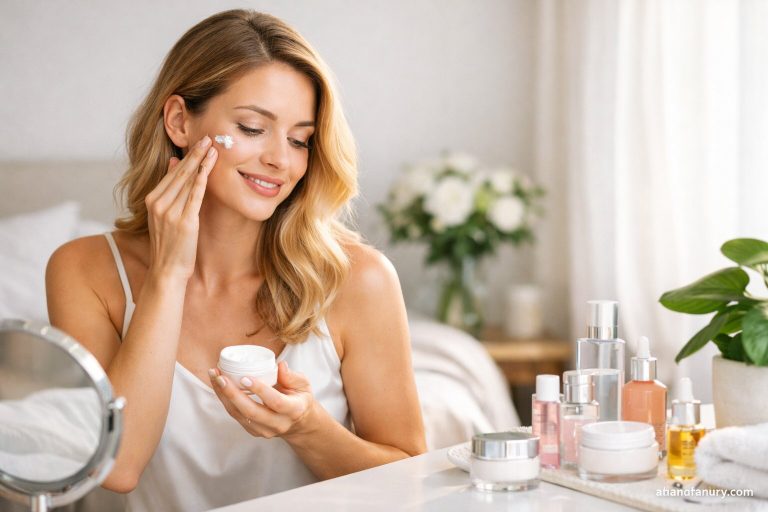
Key points for busy readers
- Korean glass skin describes smooth, hydrated, evenly toned skin with a soft, reflective glow. It is a beauty ideal, not a single product or treatment.
- A study presented at a European dermatology congress found that 94.7% of the 38 most viral Korean skincare TikTok videos examined contained at least one misleading claim.
- Hydration can improve the appearance of skin within days, but pores, acne scars and deeper pigmentation cannot be transformed in three or seven days.
- A Korean glass skin facial may provide a temporary glow. Its value depends on the treatment, your skin condition and your expectations.
- Dermatologists are increasingly discussing a softer alternative known as bloom skin, which focuses on healthy, hydrated skin rather than an excessively glossy finish.
At the end of September 2026, a group of Brazilian dermatologists presented research that raised questions about the skincare advice circulating on TikTok. Their findings suggested that almost 95% of the most viral Korean skincare videos they examined contained at least one misleading claim.
The study was small, and TikTok challenged its methodology. However, its findings have renewed an important discussion about the pressure to achieve flawless-looking skin and the risks of following complicated skincare routines without professional guidance.
The timing is significant. Interest in Korean glass skin has grown, with social media helping popularise routines promising smooth, luminous and almost poreless complexions. Korean skincare products have also become increasingly accessible in Western markets.
But what does glass skin actually mean? Why do so many people want it? Can you achieve it naturally at home, or is a professional facial worth the money? And how realistic are claims that you can get glass skin in just three or seven days?
This guide examines the trend, the available research, dermatologist recommendations and consumer experiences to separate practical skincare advice from social media promises.
What Is Korean Glass Skin?
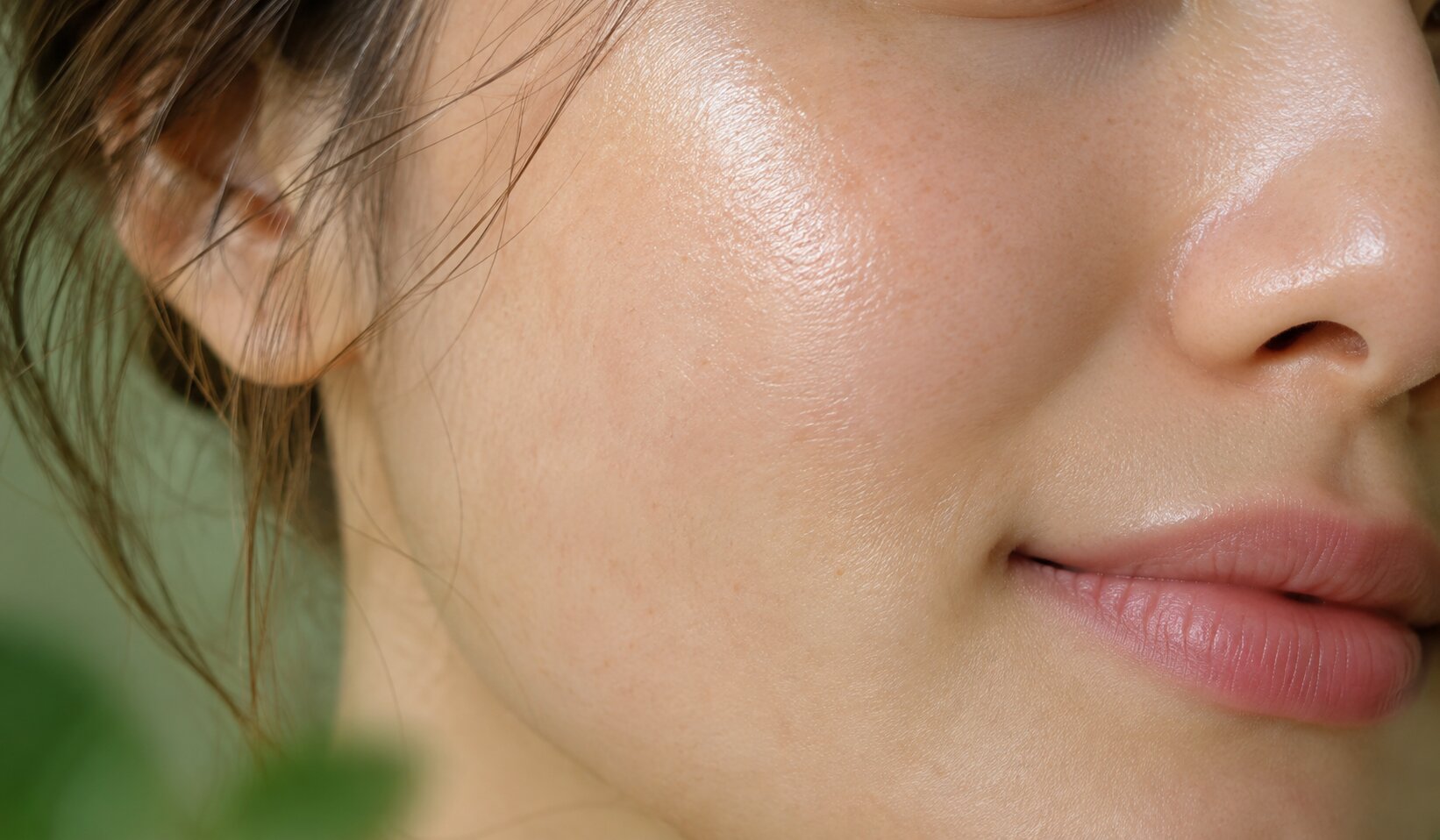
Korean glass skin describes a complexion that looks smooth, even, deeply hydrated and softly reflective, almost like a polished sheet of glass.
The expression comes from Korean beauty culture and has become widely recognised through the global popularity of K-beauty.
According to board-certified dermatologist Dr. Jane Yoo, the appearance depends on three main factors: a healthy skin barrier, adequate hydration in the outermost skin layer and an even skin tone.
When these factors work together, light reflects more evenly from the skin’s surface, creating a luminous appearance. Dry patches, irritation and uneven pigmentation can interrupt that reflection.
This is an important distinction. Glass skin is not simply about making the face shiny. It is about creating a smoother, more hydrated appearance.
What Does Glass Skin Look Like?
Glass skin typically looks:
- Smooth and plump, with a hydrated appearance.
- Even in tone, without prominent dry patches.
- Naturally dewy, with a soft reflection of light.
- Fresh and luminous, rather than covered in heavy makeup.
In photographs, pores may appear barely visible, but that does not mean they have disappeared.
Lighting, camera settings, makeup and digital filters can make the effect look more dramatic than it does in everyday life.
What Glass Skin Is Not
Glass skin does not mean having completely poreless skin.
Pores are a natural part of human skin, and their visible size is influenced largely by genetics. No serum can permanently eliminate them.
Good hydration, gentle exfoliation and daily sun protection can improve the appearance of skin texture, but they cannot remove normal skin structures.
It is also not a specific skincare product or a mandatory ten-step routine.
Soko Glam, a well-known Korean skincare retailer, described glass skin in its 2019 explainer as a clear, dewy complexion. The concept was presented as a desired appearance rather than a requirement to follow a complicated skincare ritual.
Source: Soko Glam – What I Learned About Glass Skin
Where Did Glass Skin Come From, and Why Is It Popular Now?
Glass skin developed from the broader Korean beauty approach, which places considerable emphasis on hydration, gentle skincare and consistency.
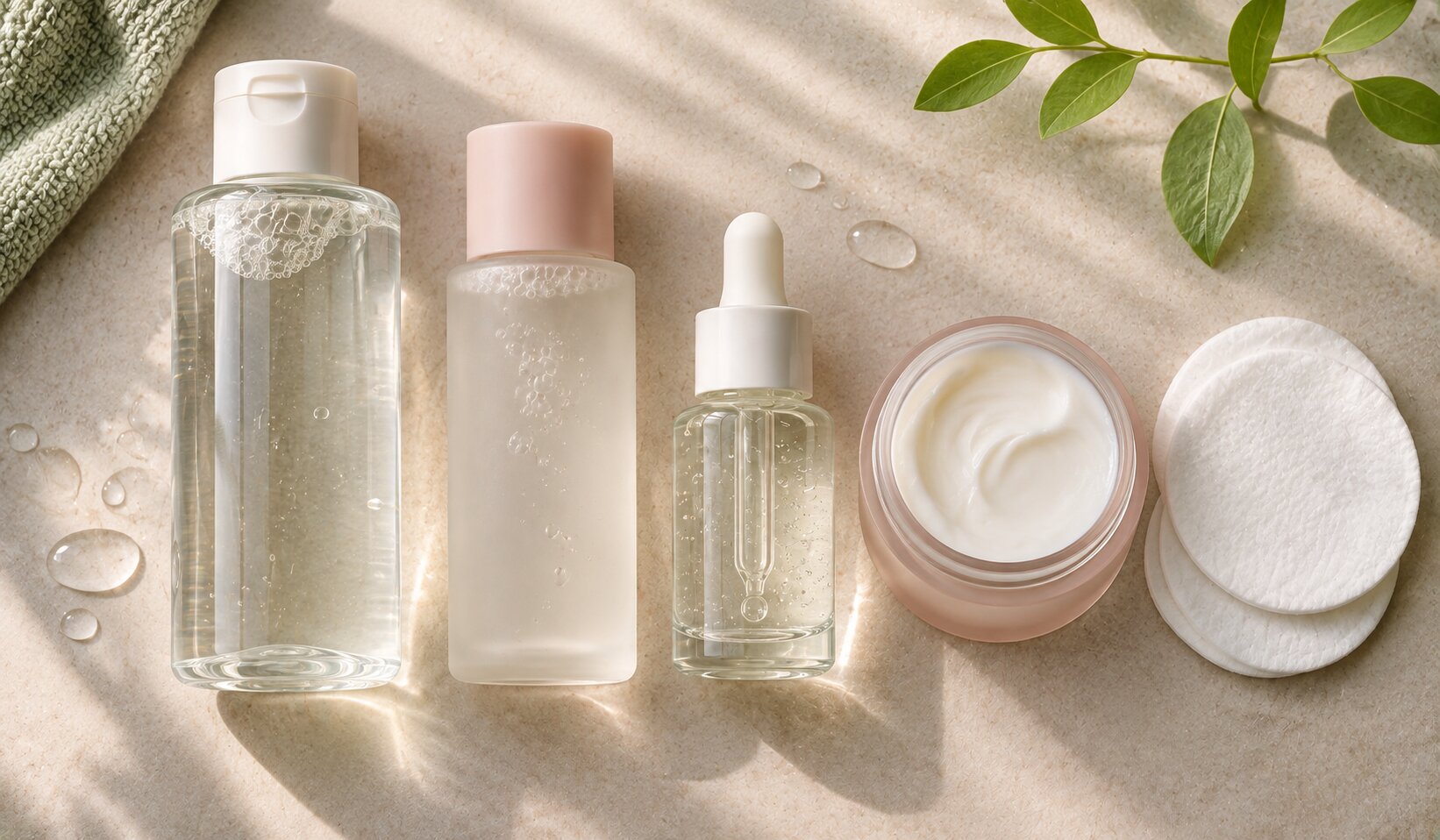
Lightweight toners, essences and serums are often layered to provide moisture, followed by moisturiser and sunscreen.
The look gained wider international attention around 2017 through beauty influencers and Instagram. By 2019, the phrase had become familiar enough to feature in mainstream beauty guides.
Social media has since helped give the trend another boost.
Short-form videos make skincare routines visually appealing. Layering toner, applying serum and using sheet masks create satisfying demonstrations that attract attention.
The growing availability of Korean beauty products has also helped bring the trend to international consumers.
According to Euromonitor’s August 2026 report, the global online K-beauty market reached approximately $15 billion in 2025, compared with $12.5 billion in 2024. The United States accounted for 54% of overseas online sales, while Western Europe’s share increased from 3% to 10%.
TikTok Shop also rose from 27th to seventh among US online beauty retailers over two years.
Canada experienced similar growth. NielsenIQ reported that K-beauty sales reached approximately $164 million in 2025, representing a 57% annual increase. Amazon and Sephora together accounted for nearly 40% of category spending.
These figures help explain why Korean skincare has become so visible in international beauty markets. Glass skin has grown alongside a wider commercial interest in K-beauty.
Sources: Euromonitor – K-Beauty Global Growth, August 2026 · NielsenIQ – K-Beauty in Canada
Why Do Women Want Glass Skin?
The appeal of glass skin goes beyond simply wanting a shiny complexion.
Smooth, hydrated and even-looking skin is commonly associated with a healthy and well-rested appearance. The trend also fits the growing preference for lighter makeup and skincare routines that allow natural skin texture to remain visible.
However, beauty expectations, social media and the commercial promotion of skincare products also play a role.
Why Women Want Glass Skin on Their Face
The face is one of the first things people notice during everyday interactions.
A complexion that looks hydrated and even can create the impression of healthy, well-cared-for skin. Glass skin takes this idea further by promising a luminous appearance without relying heavily on foundation.
For people who prefer minimal makeup, the idea of improving their skin’s appearance through a consistent routine can be particularly attractive.
Why Do People Like Glass Skin So Much? What Online Discussions Reveal
The popularity of glass skin does not mean everyone likes the appearance.
An online discussion on Mumsnet, for example, included users who described the extremely shiny look as greasy, sweaty or unnatural. Some felt that it looked attractive in photographs but less appealing in everyday lighting.
Other participants questioned how much of the appearance was created through filters, editing and genetics.
This discussion offers a useful example of differing consumer reactions, although one forum thread cannot represent public opinion.
We also did not directly review Reddit discussions for this article, so we are not treating Reddit commentary as evidence of wider consumer sentiment.
Source: Mumsnet – Discussion About the Shiny Skin Look
Why Women Want Glass Skin Naturally
Many people are interested in achieving the appearance without injections, lasers or expensive professional treatments.
The attraction is straightforward: a simple home skincare routine feels more accessible than repeated cosmetic procedures.
Gentle cleansing, moisturising and sun protection can genuinely improve hydration and the appearance of the skin. However, deeper pigmentation, acne scarring and other persistent concerns may require targeted treatment.
Why Women Want Glass Skin at Night
Evening skincare routines are an important part of the trend.
Some people enjoy using cleansing products, hydrating essences, serums and moisturisers before going to bed. Sheet masks and sleeping masks are also popular additions.
For many, the routine is as much about relaxation as skincare. It creates a regular evening ritual and offers the hope of waking up with fresher-looking skin.
The Pressure Behind the Glass Skin Ideal
The trend has also raised concerns about unrealistic beauty standards.
A Marie Claire UK feature by Anita Bhagwandas discusses how the pursuit of flawless skin can create pressure, particularly among younger consumers.
The article cites research by Roseway Labs suggesting that 93% of Gen Z respondents felt online beauty standards made them feel worse about their skin. It also reports that 77% of UK adults with a skin condition felt that social beauty trends contributed to feelings of inadequacy.
Dermatologist Dr. Anjali Mahto has also discussed how expectations have shifted towards increasingly demanding standards of luminous and apparently poreless skin.
The concern is that people may begin treating normal skin texture, visible pores and occasional blemishes as problems that must be corrected.
Glass skin can be an aesthetic preference, but it should not become a requirement for feeling confident about your appearance.
Source: Marie Claire UK – The Quiet Death of Skin Positivity
Does Glass Skin Look Oily?
It can, particularly when people confuse hydration with excess surface oil.
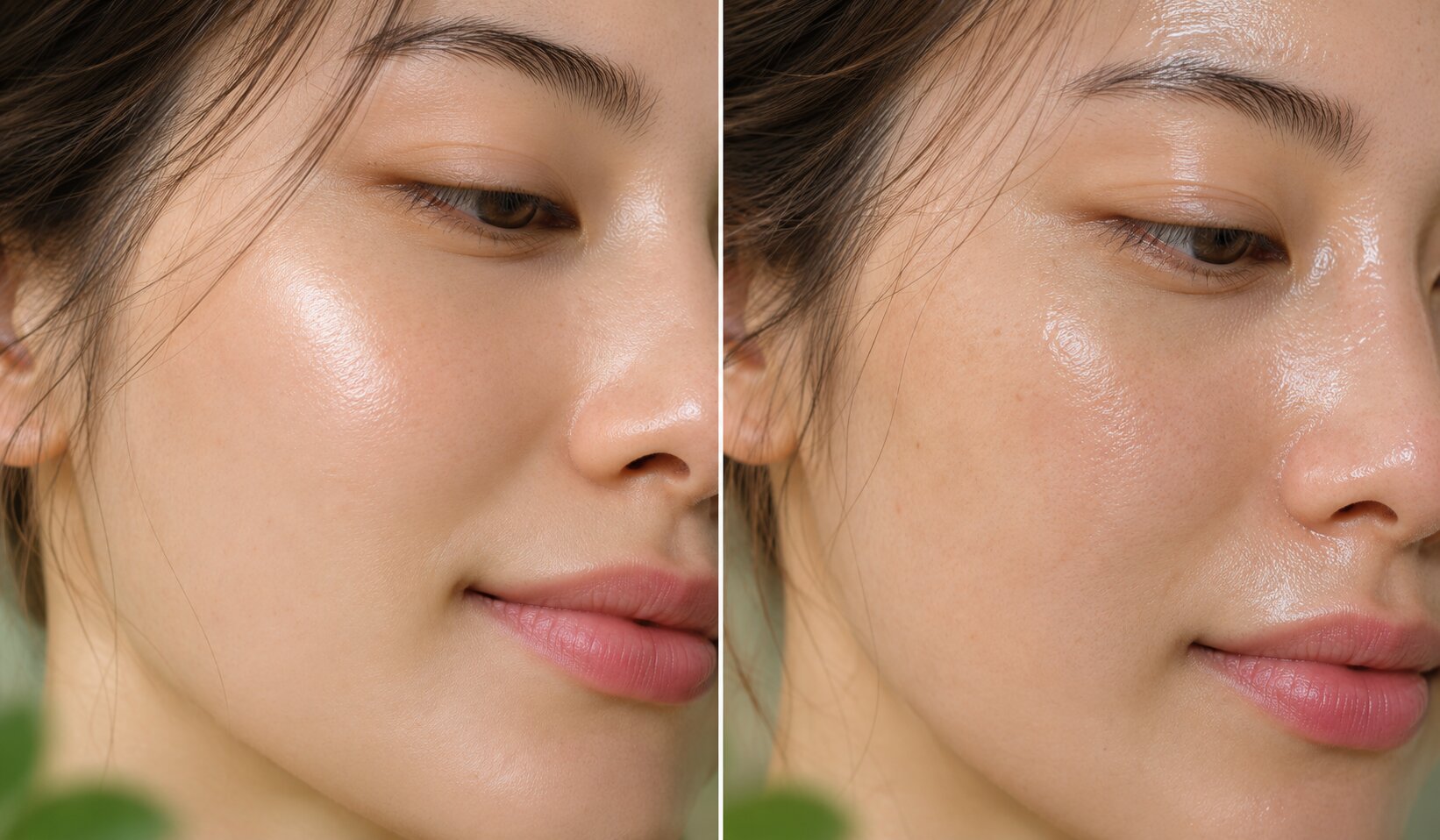
There is a difference between a healthy-looking glow and a greasy appearance.
Makeup artist Lisa Eldridge has discussed this distinction, explaining that a deliberate glow is often concentrated on areas such as the cheekbones and brow bones. Excessive shine, on the other hand, can appear unevenly across the face.
Dermatologist Dr. Jane Yoo also notes that people with oily and acne-prone skin can pursue a hydrated appearance, provided they adapt their products and routine.
For example, lighter moisturisers and suitable active ingredients may be more comfortable than applying several heavy creams.
How to Avoid an Oily Glass Skin Appearance
- Choose lightweight hydration: Water-based serums and gel moisturisers can provide moisture without leaving a heavy film.
- Adjust your routine: If your forehead, nose and chin become shiny quickly, avoid applying unnecessary layers to those areas.
- Avoid excessive layering: Too many products can irritate the skin and disrupt its barrier.
- Address active breakouts: If your skin is experiencing significant acne, prioritise appropriate acne care rather than chasing a glossy finish.
The goal is comfortable, hydrated skin rather than a permanently wet-looking complexion.
Sources: Marie Claire – Glass Skin and Oily Skin · Forefront Dermatology – Is Glass Skin Good or Bad?
What Is the Korean Glass Skin Routine?
There is no single official Korean glass skin routine.
Traditional K-beauty routines often involve several lightweight products, but viral social media versions can include considerably more steps than most people need.
A practical routine focuses on cleansing, hydration, moisturising and sun protection.
| Step | Traditional multi-step approach | Simplified approach |
|---|---|---|
| Cleanse | Oil cleanser followed by foam cleanser | One gentle cleanser; double cleanse when needed |
| Exfoliate | Acid or enzyme exfoliant | Optional, starting once weekly |
| Hydrate | Toner, essence and several serum layers | One hydrating essence or serum |
| Treat | Multiple active ingredients | One suitable active at a time |
| Moisturise | Cream and sometimes sleeping mask | One suitable moisturiser |
| Protect | Sunscreen | Broad-spectrum SPF 30 or higher |
Dermatologists Dr. Jane Yoo and Dr. Mona Gohara have recommended simpler approaches that prioritise skin tolerance and barrier health.
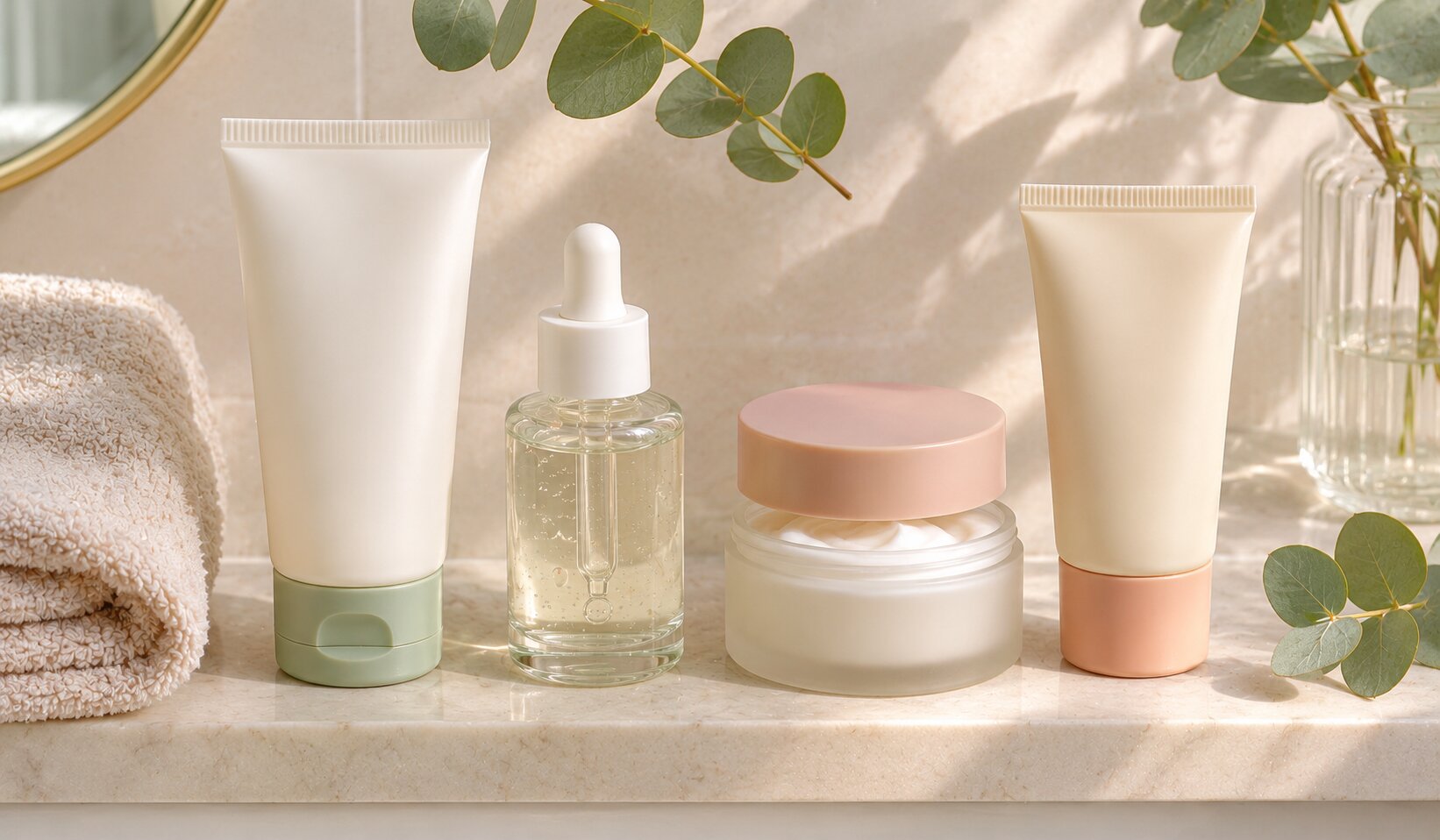
A Glass Skin Morning Routine
- Cleanse: Use a gentle cleanser or rinse with lukewarm water if your skin is dry and does not need another full cleanse.
- Hydrate: Apply a lightweight hydrating serum or essence.
- Moisturise: Use a moisturiser suited to your skin type.
- Protect: Finish with broad-spectrum SPF 30 or higher.
Daily sunscreen helps protect against UV damage, premature ageing and pigmentation. If you are choosing a daily formula, see our guide to mineral sunscreens for the face.
A Glass Skin Night Routine
- Remove makeup and sunscreen. Double cleansing can be useful when necessary.
- Apply a hydrating serum or essence.
- Use one suitable active ingredient if it is part of your routine.
- Finish with moisturiser.
A hydrating sheet mask can be an occasional addition if your skin tolerates it.
Esthetician Erica Choi has also discussed gentle exfoliation options, including PHAs, LHAs and lactic acid, rather than harsh physical scrubs.
A Simple Rule Before Adding Another Product
Ask yourself what each product is supposed to do.
If you cannot identify its purpose, it may not be necessary.
Adding more products does not automatically produce better results. A consistent routine that your skin tolerates is generally more useful than repeatedly experimenting with multiple active ingredients.
Source: Soko Glam – What I Learned About Glass Skin
What Is a Korean Glass Skin Serum?
A Korean glass skin serum is generally a lightweight product designed to improve hydration and create a dewy appearance.
There is no official regulatory definition or standard formula for a glass skin serum. The term is largely used for marketing purposes.
Common ingredients include:
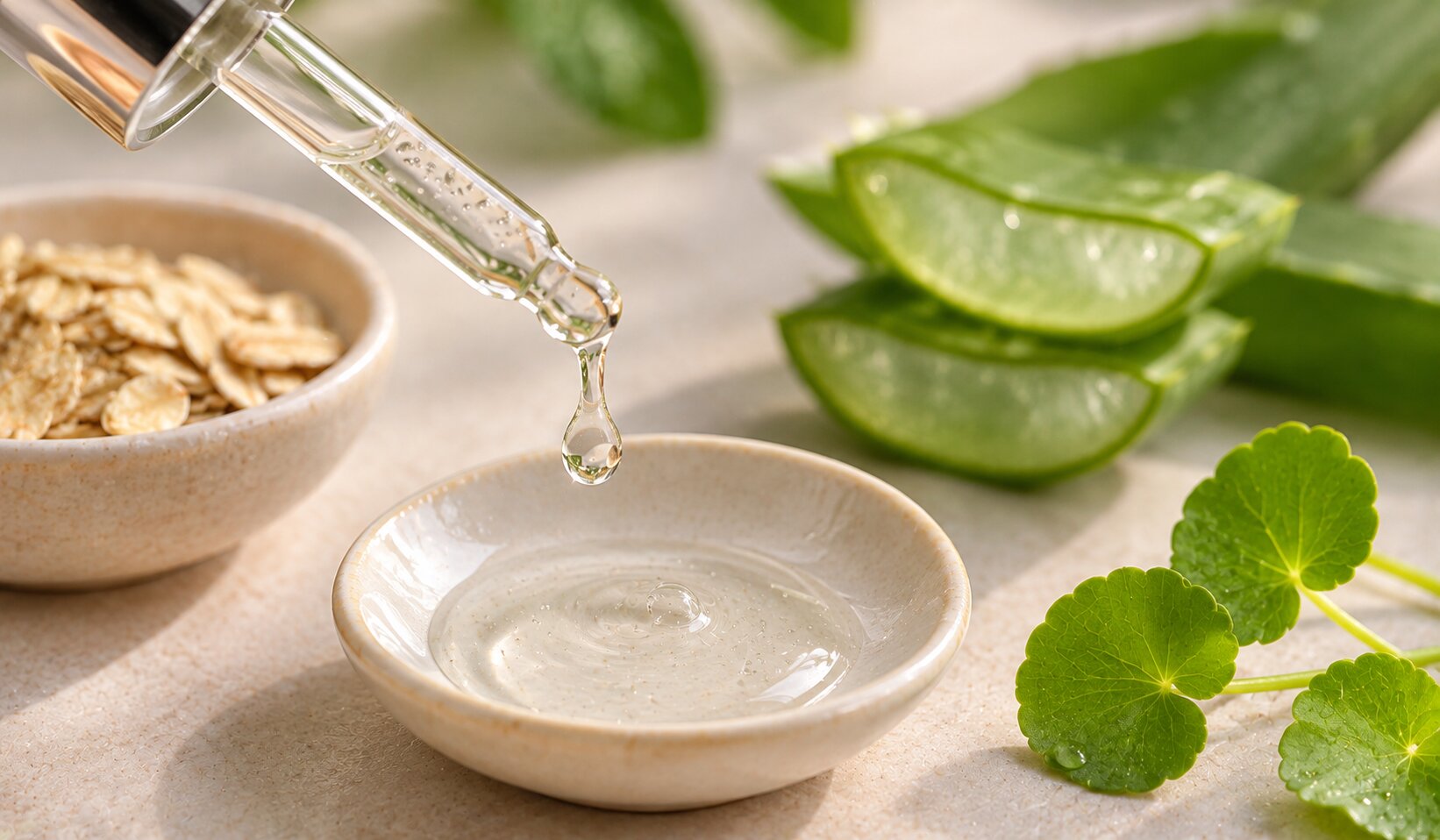
| Ingredient | Common skincare purpose |
|---|---|
| Hyaluronic acid | Helps attract and retain water in the outer skin layer |
| Niacinamide | Helps improve the appearance of uneven tone and pores |
| Centella asiatica | Commonly used in soothing and barrier-support products |
| Glycerin | Helps maintain skin hydration |
| Snail mucin | Used in hydrating and conditioning formulations |
| PDRN | An increasingly popular ingredient in skin-rejuvenation products |
| Vitamin C | Used to improve the appearance of uneven tone and dark spots |
Dr. Jane Yoo describes ingredients such as centella, snail mucin and PDRN as supporting ingredients rather than essential requirements for achieving glass skin.
The effectiveness of a serum depends on its formulation, concentration, suitability and how consistently it is used.
Be cautious of products promising an instant glass-like complexion after one application. For more product options, explore our guides to Korean serums for glass skin, Korean serums for glowing skin, hyaluronic acid serums for deep hydration and vitamin C serums for the face.
How to Get Korean Glass Skin Naturally at Home
Achieving a hydrated and healthy-looking complexion does not necessarily require expensive treatments.
A few consistent skincare habits can make a difference.
1. Protect Your Skin Barrier
The skin barrier helps retain moisture and protects against external irritants.
Over-cleansing, excessive exfoliation and combining too many active ingredients can cause irritation.
If your skin feels tight, red or uncomfortable after washing, simplify your routine. Products designed for sensitive skin may be a better fit; see our guide to bakuchiol serums for sensitive skin.
2. Use Hydrating Ingredients
Hyaluronic acid and glycerin are commonly used in moisturising products.
Applying a hydrating serum to slightly damp skin and following it with moisturiser can help maintain moisture.
Drinking enough water and maintaining healthy daily habits also support general wellbeing, although drinking extra water alone will not create glass skin.
3. Wear Sunscreen Every Day
Sun protection is one of the most important parts of maintaining an even-looking complexion.
Regular exposure to ultraviolet radiation contributes to pigmentation, premature ageing and other skin damage.
Choose broad-spectrum SPF 30 or higher and apply it as directed.
4. Exfoliate Carefully
Exfoliation can help improve the appearance of uneven surface texture, but doing it too frequently may cause irritation.
Starting once a week with a gentle exfoliant is a more cautious approach.
Stop if your skin develops redness, burning or persistent dryness.
5. Avoid Harsh DIY Remedies
Lemon juice, baking soda and coarse sugar scrubs are not reliable shortcuts to glass skin.
They can irritate the skin and damage its protective barrier.
A straightforward skincare routine is generally a better starting point than experimenting with harsh kitchen ingredients.
For a broader routine, you can also compare skincare sets for women.
How to Get Glass Skin in 3 Days (And in 7 Days)
Can you achieve glass skin in three days?
You may improve hydration and reduce the appearance of dullness within a few days, but a complete transformation is unrealistic.
Dermatologist Dr. Mona Gohara has explained that skin cell turnover takes approximately 28 days. Many active skincare ingredients require several weeks or longer to produce visible results.
For example, retinoids may take around four to six weeks to show results, while vitamin C can require roughly two months to improve the appearance of dark spots.
A Realistic 3-Day Glow Plan
Day 1
- Use a gentle cleanser.
- Apply a hydrating serum.
- Follow with moisturiser.
- Wear sunscreen during the day.
- Avoid strong exfoliants and unnecessary active ingredients.
Day 2
- Repeat the simple routine.
- Use a hydrating sheet mask in the evening if your skin tolerates it.
- Maintain normal hydration and get sufficient sleep.
Day 3
- Continue cleansing and moisturising.
- Consider gentle exfoliation only if your skin is comfortable and already tolerates it.
- Avoid any product that causes stinging or irritation.
You may notice a fresher, more hydrated appearance. Your pores will not disappear.
A Realistic 7-Day Glass Skin Plan
For the first three days, follow the simple routine above.
During days four to seven, continue the same steps. If your skin is tolerating everything well, you may introduce one suitable product, such as a niacinamide serum.
Avoid introducing several new products simultaneously.
By the end of the week, your skin may look more hydrated and less dull. However, seven days is not enough to remove acne scars, permanently reduce pore size or resolve deeper pigmentation.
Persistent concerns may require professional assessment and treatments such as laser procedures or microneedling. If uneven tone is your main concern, our guide to brightening serums may help you understand available skincare options.
What Are the Benefits of Korean Glass Skin?
When the exaggerated social media promises are removed, many of the benefits come from sensible skincare practices.
Improved hydration: Moisturisers and hydrating ingredients can help reduce dryness and improve the appearance of the skin.
Skin barrier support: A suitable routine can help maintain the protective barrier and reduce irritation.
Daily sun protection: Regular sunscreen use helps protect against UV damage, premature ageing and pigmentation.
Consistent skincare habits: Following a manageable routine can be more effective than frequently changing products or applying too many active ingredients.
Dermatologist Dr. Pearl Ugwu-Dike has also discussed the importance of consistency in skincare, rather than relying on excessive products.
What Is Glass Skin Good For?
A hydration-focused routine may be helpful for people concerned about:
- Dull-looking skin.
- Dehydration.
- Mild uneven surface texture.
- A lack of natural-looking radiance.
However, it is not a complete solution for cystic acne, rosacea, significant hyperpigmentation or established acne scars.
Those concerns may require targeted skincare or professional treatment.
Who May Not Benefit From the Trend?
People with sensitive, eczema-prone or rosacea-prone skin may find complicated routines irritating.
There are also concerns about applying Korean glass skin routines without considering differences in skin type, pigmentation and environmental conditions.
A feature by The Swaddle discusses why the traditional glass skin ideal may not suit every person, particularly when pigmentation and post-acne marks are major concerns.
People living in hot and humid climates may also find heavy product layering uncomfortable.
This does not mean Korean skincare is unsuitable for particular skin tones or populations. It means routines should be adapted to individual skin needs.
Anyone with a persistent skin condition should seek advice from a qualified dermatologist before introducing multiple active ingredients.
Source: The Swaddle – Why the Pursuit of Korean Glass Skin Might Be Scientifically Redundant for Indians
What Is a Glass Skin Facial, and Is It Worth It?
A Korean glass skin facial is a professional skincare treatment designed to leave the face looking smoother, cleaner and more hydrated.
Although the exact procedure varies between providers, it commonly includes cleansing, exfoliation, extractions, hydration and a finishing mask.
Some treatments also incorporate equipment-based procedures.
What Happens During a Glass Skin Facial?
A typical treatment may involve:
- Double cleansing.
- Gentle exfoliation.
- Steam or skin preparation.
- Extractions when appropriate.
- Application of hydrating products.
- Facial massage.
- A finishing mask and moisturiser.
The procedure and intensity depend on the clinic or spa.
How Much Does a Glass Skin Facial Cost?
Prices can vary considerably depending on the location, provider and treatment included.
Two examples illustrate the difference.
New York: A 60-minute glass skin facial listed on ResortPass at Savor Beauty + Spa in the West Village starts at $255. The treatment includes cleansing, diamond dermabrasion, a customised enzyme or acid peel, extractions, facial massage and a hydrating mask.
Source: ResortPass – Glass Skin Facial
London: A treatment advertised through Wowcher as an 11-step Korean glass HydraFacial lists a 60-minute session with consultation. Its advertised deal price was £39, reduced from a stated £150 list price. The advertised steps include cleansing, exfoliation, steam, HydraFacial, a booster with radiofrequency and a gel mask.
This is a discounted voucher example, not a typical market price, and the provider’s details have not been independently verified for this article.
Source: Wowcher – Korean Glass HydraFacial
We did not find reliable Canadian pricing for this treatment, so no Canadian price estimate is included.
Beyond the Spa: Clinical Glass Skin Treatments
The popularity of glass skin has also influenced aesthetic clinics.
Some providers associate the look with:
- Skin boosters, including injectable hyaluronic acid-based treatments.
- Laser and light-based procedures.
- Microneedling.
- Platelet-rich plasma treatments.
These procedures are different from ordinary facials and require appropriate professional assessment.
Source: Haute Living – The Glass Skin Evolution
Is a Korean Glass Skin Facial Worth It?
A glass skin facial may be worth considering if you want a relaxing treatment and a temporary improvement in hydration and appearance.
However, expectations matter.
- Worth considering as a treat: A suitable facial may leave skin feeling softer and looking fresher for several days.
- Not a permanent solution: One session cannot permanently remove pores, acne scars or deeper pigmentation.
- Not ideal for irritated skin: Intensive exfoliation or dermabrasion can make an already damaged skin barrier worse.
Before booking, ask the provider:
- What products and procedures are included?
- Is the treatment suitable for your skin type?
- What are the possible side effects?
- Is there a gentler alternative for sensitive skin?
Avoid booking an intensive peel or dermabrasion immediately before an important event. Redness and flaking can sometimes last longer than the temporary glow.
A treatment provider should explain what the procedure can realistically achieve. Be cautious of anyone promising permanent glass skin after one session.
What Can Go Wrong? The Risks Dermatologists Are Warning About
The research presented at the European Academy of Dermatology and Venereology (EADV) congress in 2026 has brought renewed attention to misleading skincare advice on TikTok.
Researchers from the Professor Rubem David Azulay Institute of Dermatology in Rio de Janeiro examined 38 English-language TikTok videos associated with five Korean skincare search terms.
The videos were selected from top search results using a fresh account, with the sample collected in May 2026.
The reported findings included:
| Research finding | Percentage |
|---|---|
| Videos containing at least one misleading claim | 94.7% |
| Videos that ignored skin type | 84.2% |
| Videos promoting combinations of multiple active ingredients without safety advice | 44.7% |
| Videos promising instant results | 31.6% |
| Videos created by non-physician influencers | 81.6% |
| Videos mentioning irritation risks | 2.6% |
| Videos mentioning sun protection | 5.3% |
None of the videos was created by a dermatologist. The researchers also reported that none suggested consulting a dermatologist or discussed contact dermatitis.
The findings attracted attention because skincare advice shared through social media can reach large audiences without the same level of medical review expected from professional sources.
However, TikTok disputed the study’s methodology. The company argued that examining 38 videos was not representative of a platform receiving more than 100 million posts daily and said it works to remove harmful health misinformation.
That criticism deserves consideration. The research was a small sample of highly ranked videos at one point in time, and the findings were reported through conference coverage rather than a full published research paper.
The results should therefore be treated as a warning about potentially misleading advice, not as proof that all Korean skincare content is unreliable.
The American Academy of Dermatology has also warned that using too many skincare products can cause problems, while moisturising and sun protection remain useful parts of everyday skincare.
The issue is not Korean skincare itself. The concern is the way complicated routines and unrealistic promises can spread through social media.
Sources: Healio – Most Viral Korean Glass Skin Videos on TikTok Include Misleading Claims · CNN via CP24 – The Korean Beauty Trend Has Risks, Experts Warn · Personal Care Insights – Glass Skin TikTok Skincare Safety Study
Signs Your Skincare Routine Is Damaging Your Skin
Dermatologist Dr. Mona Gohara identifies several warning signs associated with irritation and skin barrier damage.
These include:
- Tightness after cleansing.
- Persistent itching or tenderness.
- Redness or inflammation.
- Flaking or scaling.
- Unusual sensitivity to skincare products.
If these symptoms appear, pause exfoliating acids, scrubs and retinoids. Use a gentle cleanser and suitable moisturiser.
If irritation continues, consult a dermatologist.
A former glass skin content creator also told CNN that repeatedly layering skincare products damaged her skin barrier and caused small red bumps. Her experience is anecdotal, but it illustrates the problems that can arise from excessive product use.
Why Children Should Not Follow Complicated Glass Skin Routines
Dermatologist Dr. Anjali Mahto has raised concerns about children being encouraged to use complicated skincare routines and active ingredients they do not need.
Young skin generally does not require extensive cosmetic routines.
A gentle cleanser, moisturiser and sunscreen are usually sufficient for basic skincare. Persistent skin concerns should be assessed by an appropriate healthcare professional.
Where Is the Trend Heading? From Glass Skin to Bloom Skin
The beauty conversation is already moving towards another Korean-inspired concept: bloom skin.
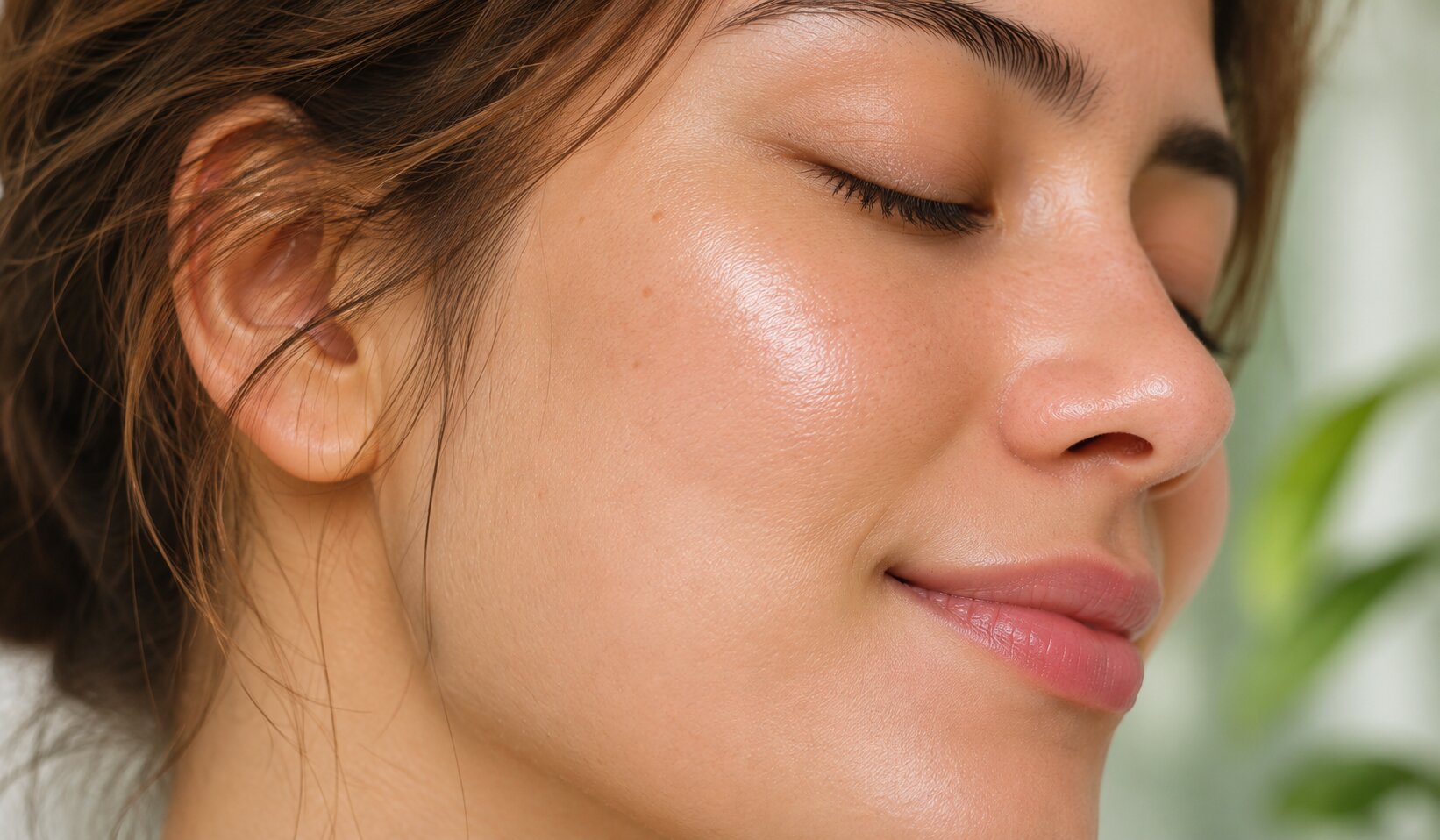
In a November 6, 2026 feature, NBC Select described bloom skin as an approach that focuses on plump, healthy-looking skin with a softer glow rather than an extremely glossy finish.
The idea puts hydration, skin barrier health and individual skin concerns ahead of the pursuit of a glass-like surface.
Dermatologists quoted in the article described the approach as a more realistic alternative, particularly for people with sensitive or acne-prone skin.
Dr. Pearl Ugwu-Dike discussed the appeal of naturally luminous skin without an excessively glossy appearance, while Dr. Jane Yoo emphasised the importance of a healthy, hydrated skin barrier.
However, bloom skin is also a beauty trend. Its name may change over time, and it could eventually become another marketing phrase.
The more useful lesson is to focus on skin health rather than constantly chasing a new appearance standard.
Source: NBC Select – What Is Bloom Skin?
Our Take: Glass Skin Is About Skin Health Before Appearance
Korean glass skin has become popular because it combines an attractive appearance with a skincare approach that many people find enjoyable.
But the trend needs a realistic explanation.
First, glass skin is partly influenced by lighting and photography. The same complexion can look luminous under soft natural light and noticeably different under harsh indoor lighting.
Second, the trend has become more complicated than its original skincare principles. Earlier explanations focused on a relatively simple combination of cleansing, hydration, moisturising and sun protection. Viral versions now frequently promote much longer routines.
Third, the useful part of glass skin is relatively straightforward. Gentle cleansing, suitable hydration, moisturiser, daily sunscreen and carefully selected active ingredients can support a healthy-looking complexion.
Finally, it is important to recognise what skincare cannot do. Normal pores, natural texture and occasional blemishes are not signs of unhealthy skin.
The biggest warning is the promise of instant results. A routine claiming to deliver permanent glass skin in three or seven days should be approached with caution.
A healthy complexion takes consistency, suitable products and time. If you have persistent acne, pigmentation or irritation, professional advice is more useful than copying a viral routine.
Frequently Asked Questions
What is Korean glass skin?
Korean glass skin is a K-beauty-inspired appearance characterised by smooth, hydrated, evenly toned skin with a soft reflective glow. It is an aesthetic goal rather than a specific product or mandatory routine.
What does glass skin look like?
Glass skin looks smooth, plump and hydrated, with an even tone and a gentle sheen. Photographs and videos may exaggerate the appearance through lighting, makeup and filters.
Does glass skin look oily?
It can if excessive shine is mistaken for healthy hydration. A natural glow is generally softer and more even. People with oily skin can adapt the routine by choosing lightweight products.
What is the Korean glass skin routine?
A typical routine includes gentle cleansing, hydration, moisturiser and sunscreen. Some people also use exfoliants and targeted serums, but dermatologists generally recommend avoiding unnecessary product layering.
What is a Korean glass skin serum?
It is usually a lightweight hydrating serum marketed to create a dewy appearance. Common ingredients include hyaluronic acid, glycerin, niacinamide and centella asiatica.
How can I get glass skin naturally at home?
Use a gentle cleanser, apply suitable hydrating products, moisturise, wear sunscreen and avoid excessive exfoliation. Consistency is more useful than following complicated routines.
Can you get glass skin in three days?
You may improve hydration and reduce dullness in three days, but you cannot permanently change pore size, remove acne scars or resolve deeper pigmentation in that time.
How long does it take to get glass skin?
It depends on your skin condition and what you want to improve. Hydration may improve relatively quickly, while pigmentation and texture concerns can take several weeks or longer.
What are the benefits of Korean glass skin?
A sensible glass skin routine can improve hydration, support the skin barrier and encourage consistent sunscreen use. These are benefits of good skincare rather than a unique effect of the trend itself.
What is glass skin good for?
It may suit people who want to improve dullness, dehydration and mild uneven texture. It is not a complete treatment for cystic acne, rosacea, deeper pigmentation or acne scarring.
Is a Korean glass skin facial worth it?
It may be worth it as a temporary beauty treatment or before an event. However, one facial cannot permanently remove pores, acne scars or pigmentation. Always check the treatment and its suitability for your skin.
Why do women want glass skin?
Many women like the appearance because smooth, hydrated skin is commonly associated with a fresh and healthy look. Social media, minimal-makeup preferences and beauty marketing also influence its popularity.
Why do people like glass skin so much?
The trend combines visible results, enjoyable skincare rituals and the appeal of natural-looking beauty. However, some people dislike the excessively shiny appearance, particularly in everyday lighting.
Is glass skin safe for everyone?
No. Complicated routines and excessive exfoliation can irritate sensitive skin and damage the skin barrier. People with existing skin conditions should seek professional advice before changing their routines.
Editorial Note
This article draws on conference-study coverage, dermatologist commentary, published market reports, brand and retailer information, and a sample of public online commentary.
Brand-written guides from Clarins, Paula’s Choice, Soko Glam and Forefront Dermatology are identified as commercial or brand-associated sources and are used for context rather than treated as independent medical evidence.
The TikTok study was reported through coverage of a conference abstract and involved a small sample. TikTok disputed its methodology. Forum commentary comes from one Mumsnet discussion and does not represent public opinion. Reddit discussions were not directly reviewed.
The facial prices are examples rather than standard market rates. Canadian facial pricing was not verified. The NielsenIQ Canada sales figure is reported as presented in the source material.
Medical Note
This article is for general educational purposes only. It does not replace professional medical advice, diagnosis or treatment. Consult a qualified dermatologist about persistent skin problems or reactions to skincare products.
Sources
- CNN via CP24 – The Glass Skin Korean Beauty Trend Has Risks, Experts Warn
- Healio – Most Viral Korean Glass Skin Videos on TikTok Include Misleading Claims
- Personal Care Insights – Glass Skin TikTok Skincare Safety Study
- NBC Select – What Is Bloom Skin?
- Dr. Jane Yoo – Glass Skin Explained by a Dermatologist
- Soko Glam – What I Learned About Glass Skin
- Haute Living – The Glass Skin Evolution
- Forefront Dermatology – Is Glass Skin Good or Bad?
- Euromonitor – K-Beauty Global Growth, August 2026
- NielsenIQ – K-Beauty in Canada
- Marie Claire UK – The Quiet Death of Skin Positivity
- Marie Claire UK – Glass Skin and Oily Skin
- Jessica DeFino – Glass Skin Beauty Standard
- Marie Claire – How Long Does It Take Skincare Products to Work?
- The Swaddle – Why the Pursuit of Korean Glass Skin Might Be Scientifically Redundant for Indians
- Yahoo Style Canada / USA Today – Esthetician Advice on Glass Skin
- Mumsnet – Discussion About the Shiny Skin Look
- ResortPass – Glass Skin Facial
- Wowcher – Korean Glass HydraFacial
- Clarins UK – Glass Skin Guide
- Paula’s Choice – How to Get Glass Skin
- WebMD – How to Get Glass Skin

Maya Rejwan
Maya Rejwan writes about skincare, beauty trends and the science and consumer questions behind popular products for AhemBeauty. Her work focuses on making beauty topics easier to understand by bringing together expert commentary, published research and practical information for readers.
Connect with Maya on Facebook