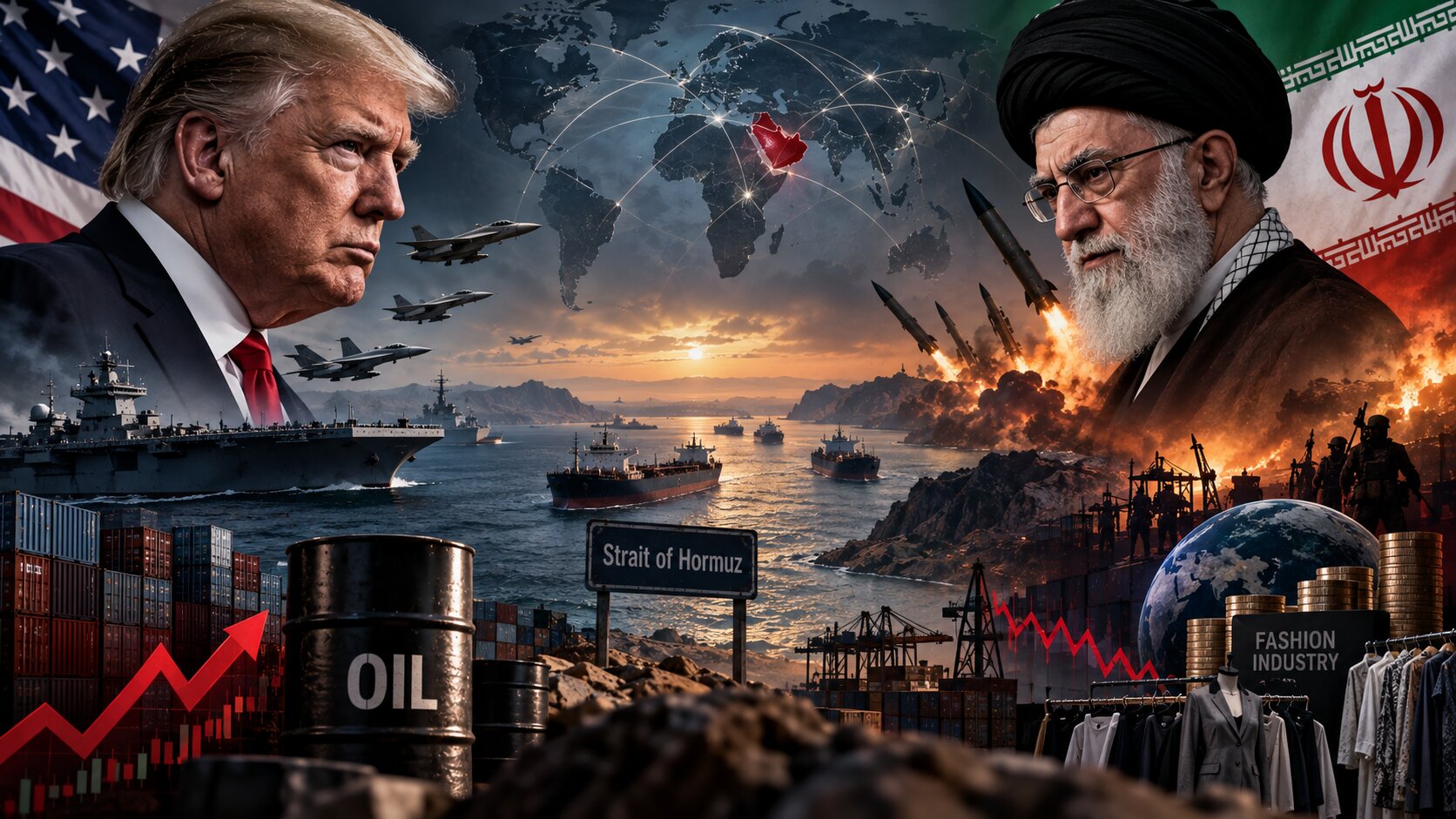
The war between the United States and Iran is no longer a conflict that can be viewed only through the lens of missiles, nuclear facilities or military bases.
Six months into the conflict, the confrontation has evolved into something much larger: an energy crisis, a shipping crisis, an economic confrontation and increasingly, a test of how much pressure the global economy can absorb.
The latest escalation is particularly worrying because the battlefield is moving beyond Iran’s borders. Shipping through the Strait of Hormuz has slowed sharply, attacks have reached Gulf energy infrastructure, and oil prices are moving toward the $100-a-barrel level.
Where the War Stands Right Now
The conflict began on February 28, 2026, when the United States and Israel launched coordinated attacks against Iran. What followed was a cycle of strikes, retaliation, diplomatic attempts and renewed escalation.
There have been periods when negotiations appeared possible, particularly around reopening the Strait of Hormuz and restarting discussions over Iran’s nuclear programme. But those openings have repeatedly collapsed.
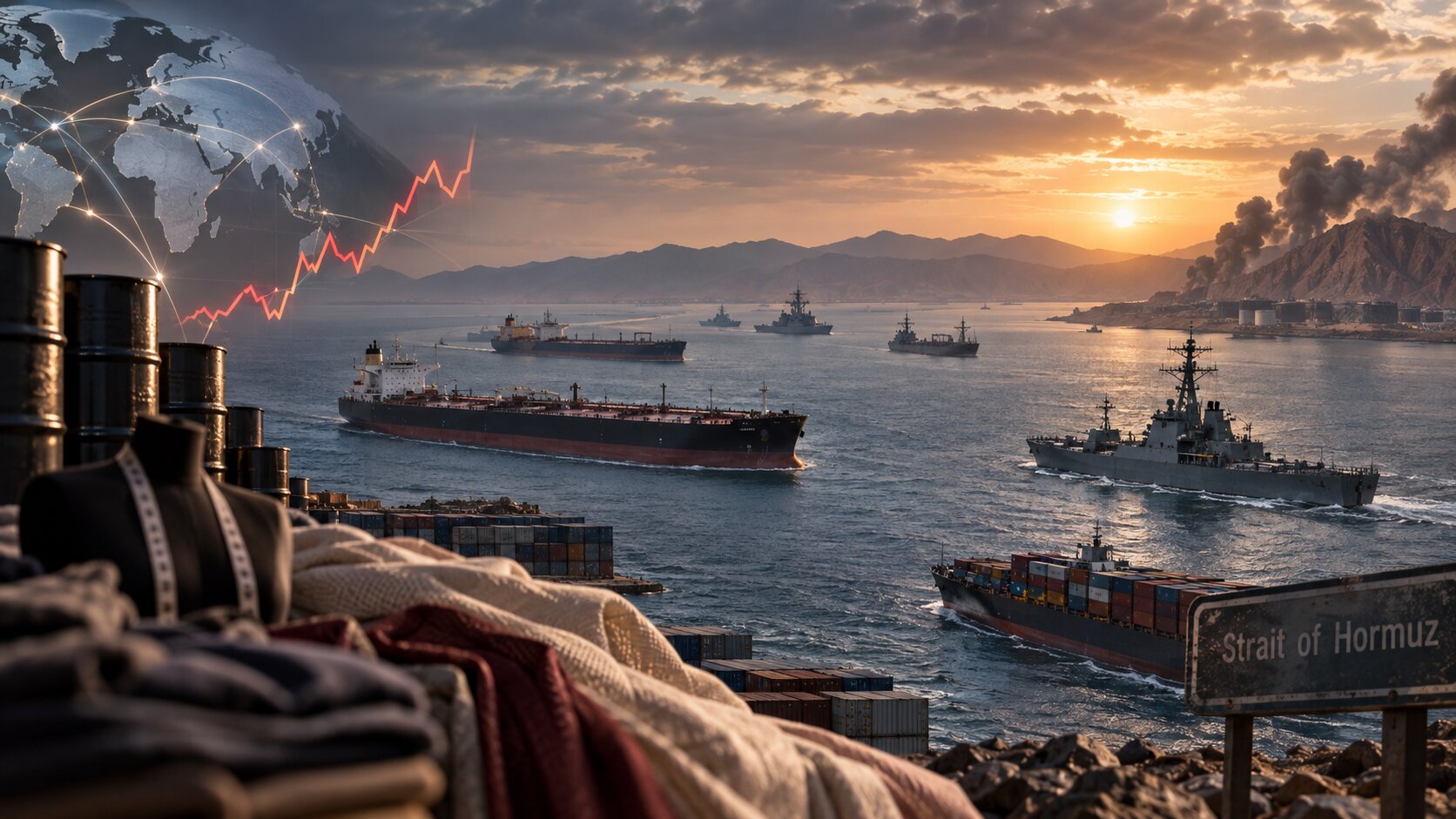 The US-Iran conflict has increasingly become a wider regional and economic crisis.
The latest escalation followed a period of relative calm. U.S. forces destroyed Iranian rocket-launching equipment on Larak Island that Washington said could be used to deploy mines in the Strait of Hormuz. Iran then threatened further retaliation, warning that Gulf energy infrastructure and U.S. interests could become targets.
The result has been another deterioration in confidence.
That uncertainty itself has a price.
Iran Is Under Enormous Economic Pressure
Among the two principal combatants, Iran is facing the more immediate economic damage.
The U.S.-led campaign has severely reduced Iran’s ability to export oil and generate foreign currency. The pressure has weakened the country’s external earnings and made access to international trade increasingly difficult.
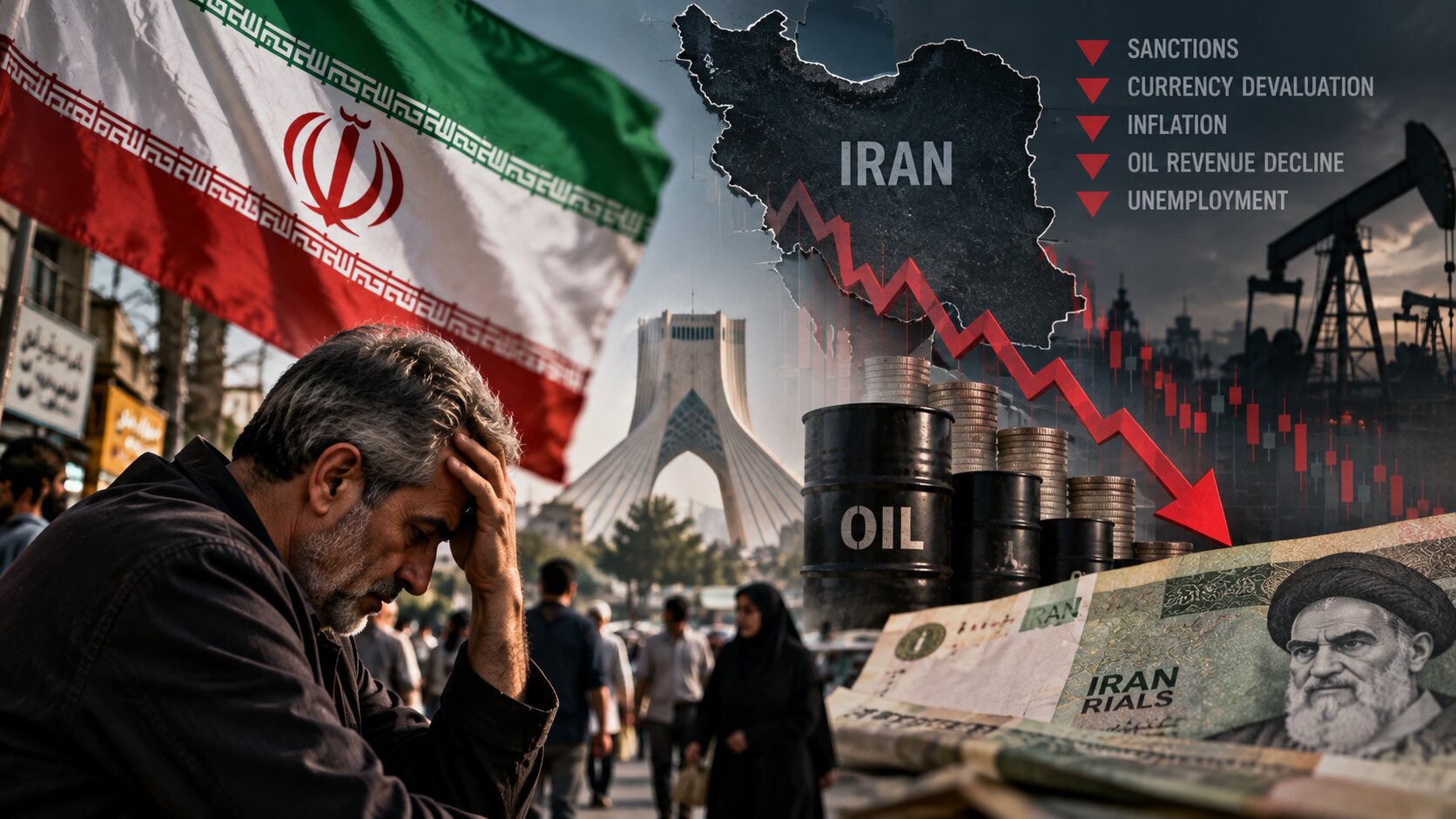 Iran’s economy is facing severe pressure as oil exports, trade and purchasing power come under strain.
The impact is being felt inside Iran. The rial has weakened dramatically, inflation has surged and imports have become increasingly difficult.
Iran’s economic problem is therefore no longer theoretical. It is becoming a household problem.
Imported food, medicine, machinery and industrial components become more expensive or harder to obtain.
The longer the war continues, the harder it becomes for Tehran to maintain both military resistance and economic stability.
But that does not necessarily mean Iran will surrender.
Iran has strong incentives to continue resisting if its leadership believes that accepting American demands would threaten its political survival or regional influence.
That is why economic pressure can sometimes produce negotiation, but it can also produce escalation.
The United States Is Paying a Price Too
It would be a mistake to describe the conflict as economically painless for America.
The United States has a much larger and more diversified economy than Iran, so it can absorb the shock far better. But Americans are still exposed to higher energy prices.
Brent crude has moved close to $100 per barrel as the latest attacks on Saudi energy infrastructure added another layer of supply concern.
Higher oil prices feed into transportation costs. Transportation affects almost everything: food, clothing, construction materials, logistics and manufacturing.
At the same time, higher energy prices can keep inflation elevated.
This creates a difficult policy problem for Washington. Cutting interest rates becomes harder if energy-driven inflation is accelerating, while keeping rates high for too long can weaken economic growth.
The Strait of Hormuz Is the Real Global Pressure Point
Perhaps no single location is more important to the economic consequences of this war than the Strait of Hormuz.
Before the conflict, a huge share of global oil and LNG trade moved through this narrow waterway. The war has disrupted those flows and forced producers and traders to rely more heavily on alternative routes, inventories and additional production elsewhere.
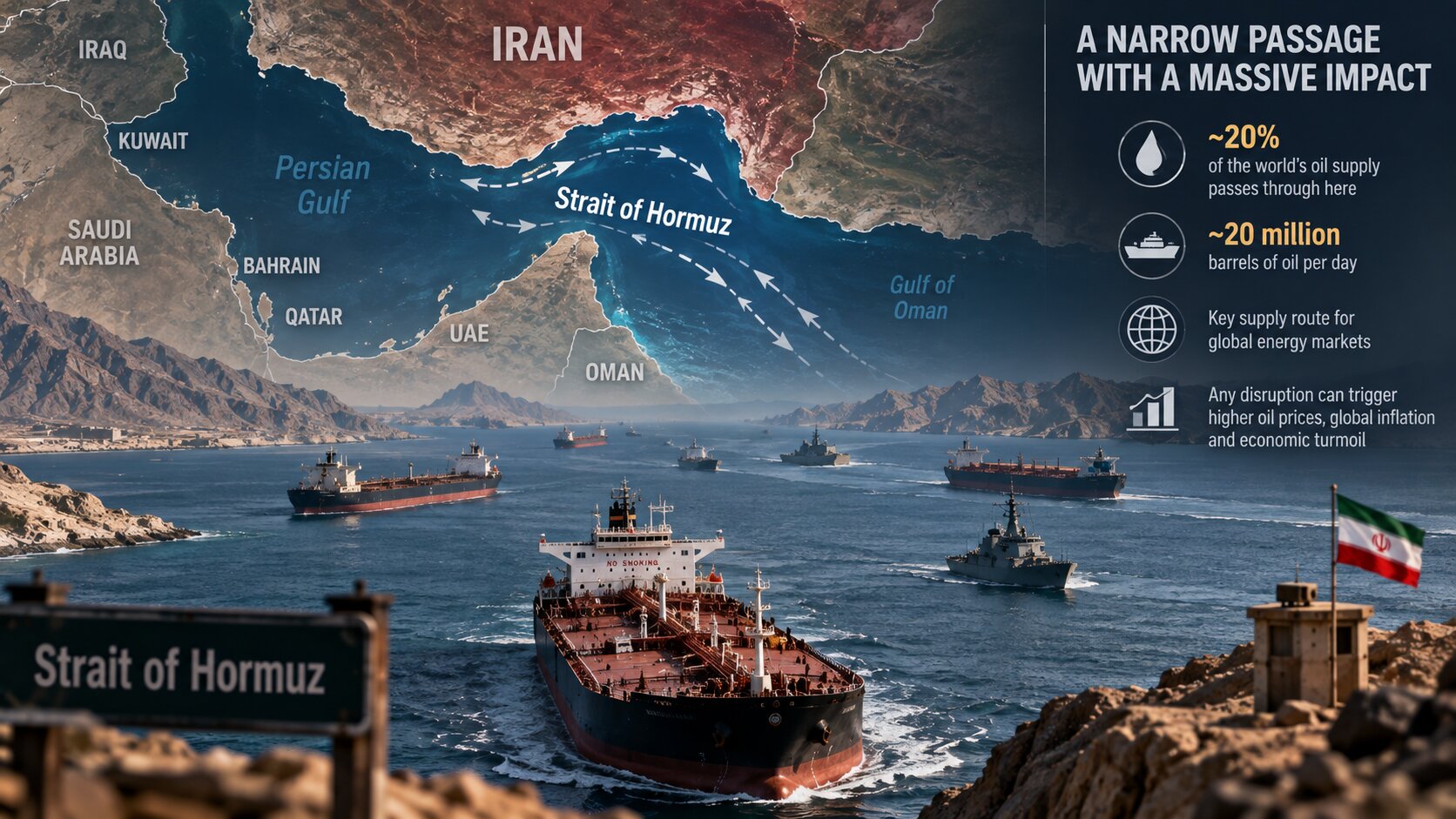 The Strait of Hormuz remains one of the world’s most important energy and shipping chokepoints.
That explains why oil prices have not yet exploded to extreme levels despite the seriousness of the conflict.
The global market still has buffers. Gulf producers have redirected some exports through alternative pipelines and ports. The United States, Canada and Guyana are producing more oil, while weaker demand in China has also reduced some pressure on the market.
Who Is Supporting Iran and Who Is Supporting the United States?
Iran is not completely isolated politically. China and Russia have expressed support for Iran and opposed the broader U.S.-led campaign, while other countries have called for restraint and diplomacy.
China and Russia have maintained political and diplomatic positions more sympathetic to Tehran. Their support, however, should not be confused with a willingness to enter a direct war with the United States.
Israel remains Washington’s closest military partner in the conflict. Several European governments continue security cooperation with the United States, although many are increasingly concerned about the economic and humanitarian consequences.
Saudi Arabia, the UAE and Qatar have complicated positions. They maintain important security relationships with Washington but also have enormous economic interests in preventing the conflict from spreading across Gulf energy infrastructure.
Many governments are trying to avoid choosing a side militarily. Their primary concern is preventing the conflict from becoming a broader regional war and protecting energy and trade routes.
The Fashion Industry Is Already Feeling the War
At first glance, missiles in the Middle East and a dress being sold in London or New York appear completely unrelated.
They are not.
Modern fashion depends on a global chain involving oil, petrochemicals, polyester, dyes, packaging, trucking, shipping, aviation and enormous amounts of international logistics.
Polyester is particularly important because it is made from petrochemical feedstocks derived from fossil fuels.
If oil remains expensive, polyester production becomes more expensive.
If shipping becomes riskier, freight and insurance become more expensive.
If vessels avoid dangerous routes, delivery times become longer.
When all of those costs rise simultaneously, fashion brands eventually face a choice: increase prices, reduce margins, change materials or cut production.
This is particularly important for fast fashion, where profit margins depend heavily on enormous production volumes and relatively low manufacturing costs.
Why Bangladesh Could Be Vulnerable
For Bangladesh, the issue deserves special attention.
The country’s garment industry is deeply integrated into global fashion supply chains. Bangladesh does not need to buy Iranian oil directly to be affected by an Iran war.
The transmission mechanism is indirect.
For manufacturers operating on tight margins, even relatively small cost increases can become significant.
If the war continues through another major fashion season, international buyers could become more cautious about placing orders, particularly for low-margin products.
At the same time, Bangladesh could also gain opportunities if global brands accelerate supply-chain diversification away from higher-risk regions.
So the impact is not necessarily one-directional. There could be both winners and losers.
What Happens to the Global Economy If the War Continues?
The global economy has shown considerable resilience during the conflict, but that resilience should not be mistaken for immunity.
A prolonged conflict could create several major problems.
The Biggest Long-Term Risk: A Wider Regional War
The greatest economic danger may not actually be Iran’s oil exports.
It is escalation.
If attacks expand to Saudi Arabia, the UAE, Qatar, Iraq or other major energy-producing areas, the market could face a much larger supply shock.
The latest attacks on Saudi cities and energy facilities by Iran-backed Houthis have already increased fears that the conflict could spread further across the region.
Who Is Actually Winning?
There is no simple answer.
Iran is losing economically. Its oil revenues, currency and domestic purchasing power are under enormous pressure.
The U.S. has greater economic resilience, but American consumers are paying more for energy and the government faces the financial and political cost of a prolonged military campaign.
Europe faces higher energy costs, inflation risks and the possibility of weaker economic growth.
Gulf economies have the most to lose if the conflict directly damages their energy infrastructure and international trade routes.
If This War Continues for Another Year
If the conflict continues at its present intensity for another year, the world probably will not collapse.
But it could become noticeably more expensive.
Oil could remain structurally higher. Shipping could become less predictable. Insurance could become more expensive. Fashion brands could raise prices. Factories could reduce production. Air travel could become more expensive.
Central banks could face renewed inflation, while developing countries with limited foreign-exchange reserves could experience the greatest pressure.
Governments could also divert more money toward defence at the expense of infrastructure, education and social programmes.
The Dangerous Economic Feedback Loop
The most worrying possibility is a feedback loop.
War increases oil prices.
Higher oil prices increase inflation.
Inflation makes interest rates higher.
Higher interest rates slow economic growth.
Slower growth reduces investment.
Lower investment makes supply chains less resilient.
And weaker supply chains make the next geopolitical shock even more damaging.
The World Is Watching the Same Narrow Waterway
The paradox of the Iran war is that a conflict involving two powerful states could ultimately be decided not only on the battlefield but also in the global economy.
Iran is trying to demonstrate that it can survive pressure.
The United States is trying to demonstrate that economic and military pressure can force Tehran to change course.
Neither side appears ready to make the concessions necessary for a durable settlement.
Meanwhile, the rest of the world is paying for the uncertainty.
The price of a barrel of oil has become a daily reminder of the conflict. A delayed cargo ship in the Gulf can affect a factory thousands of kilometres away. A more expensive polyester feedstock can eventually affect the price of a shirt. A higher fuel bill can affect an airline ticket. A fertilizer shortage can eventually reach a supermarket shelf.
The Question That Matters Most
The immediate question is whether Washington and Tehran can return to negotiations before another escalation pushes the conflict beyond the ability of markets and governments to absorb.
The longer the war continues, the less the world will be debating who won the latest exchange of missiles.