NASA Shares the First Deep-Space Images From Artemis II as Astronauts Head for the Moon
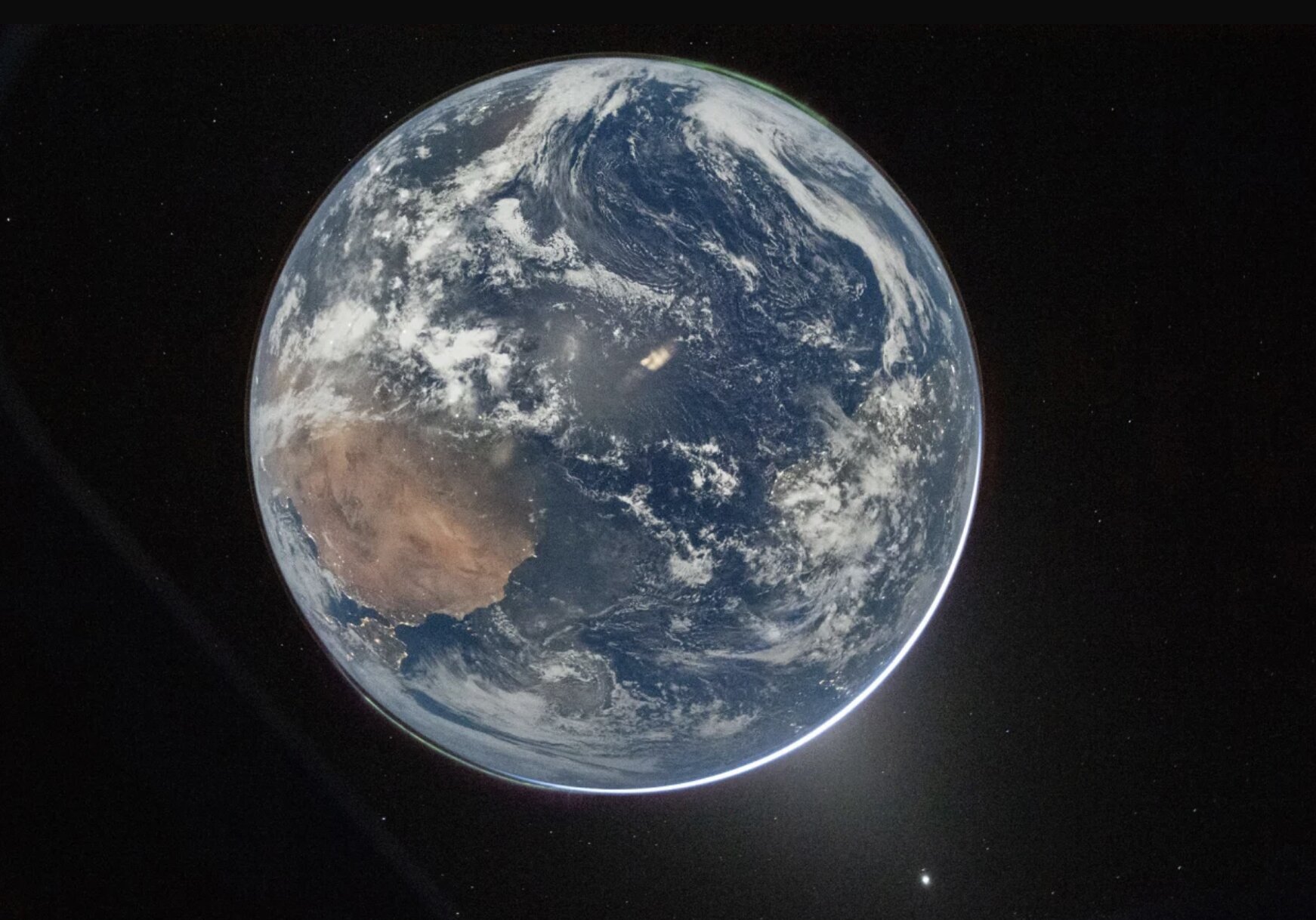
The first pictures sent back from Orion show Earth glowing against the darkness of space, giving the Artemis II mission an early moment that feels both historic and deeply human.
NASA has released the first downlinked images from the Artemis II crew, offering a powerful new look at Earth as four astronauts travel farther from home on humanity’s first crewed moon mission in more than half a century. The photos were taken inside the Orion spacecraft and quickly turned a technical milestone into something much bigger: a visual reminder that the return to deep space is no longer a future plan. It is happening now.
One image shows a curved slice of Earth framed through a spacecraft window. Another captures the whole planet in brilliant blue, with white cloud bands swirling across the oceans. The pictures are simple, but that is part of what makes them so striking. There is no dramatic filter, no heavy editing, and no staged angle. It is just Earth, hanging in darkness, seen by a crew that has already left low Earth orbit behind.
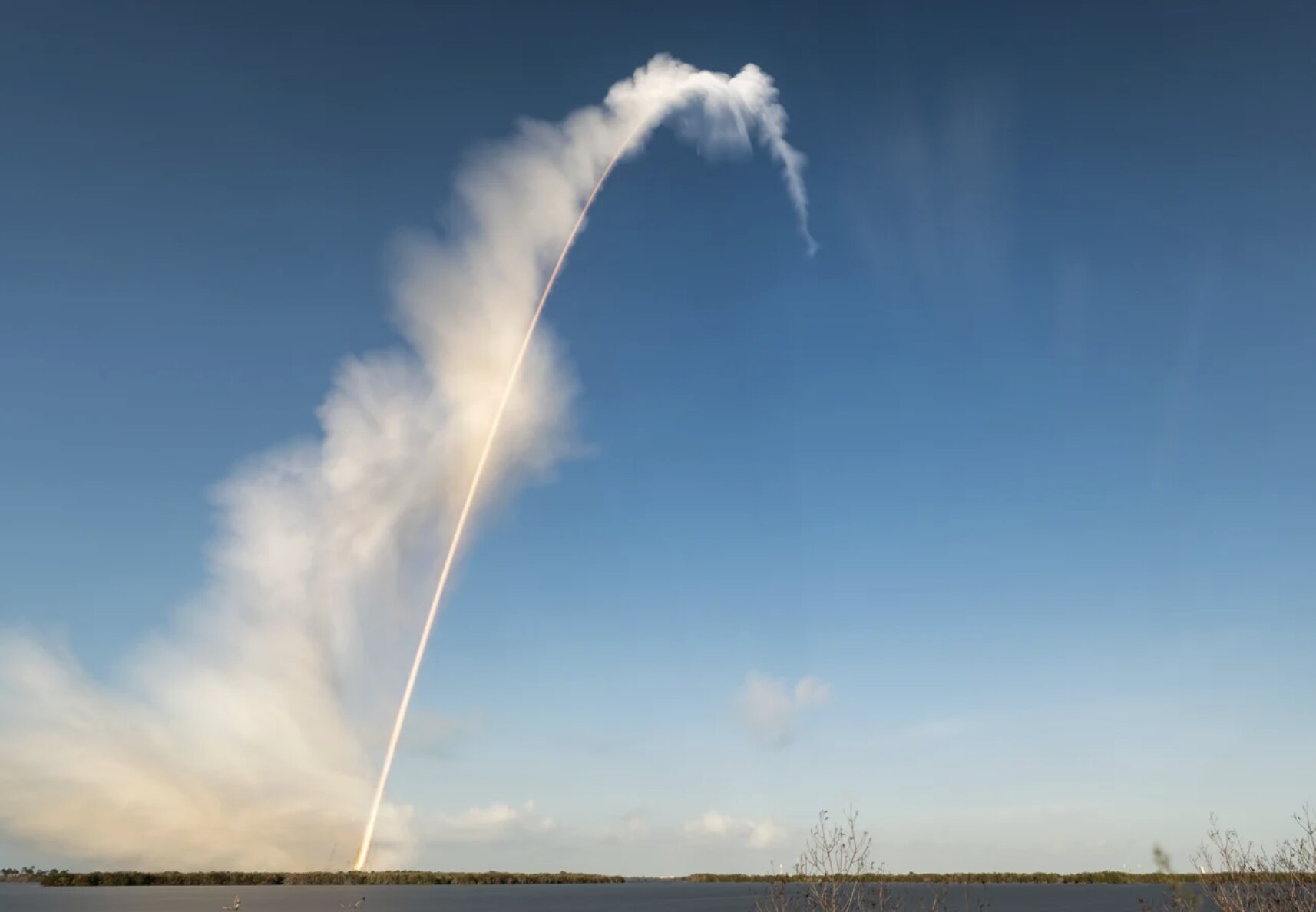
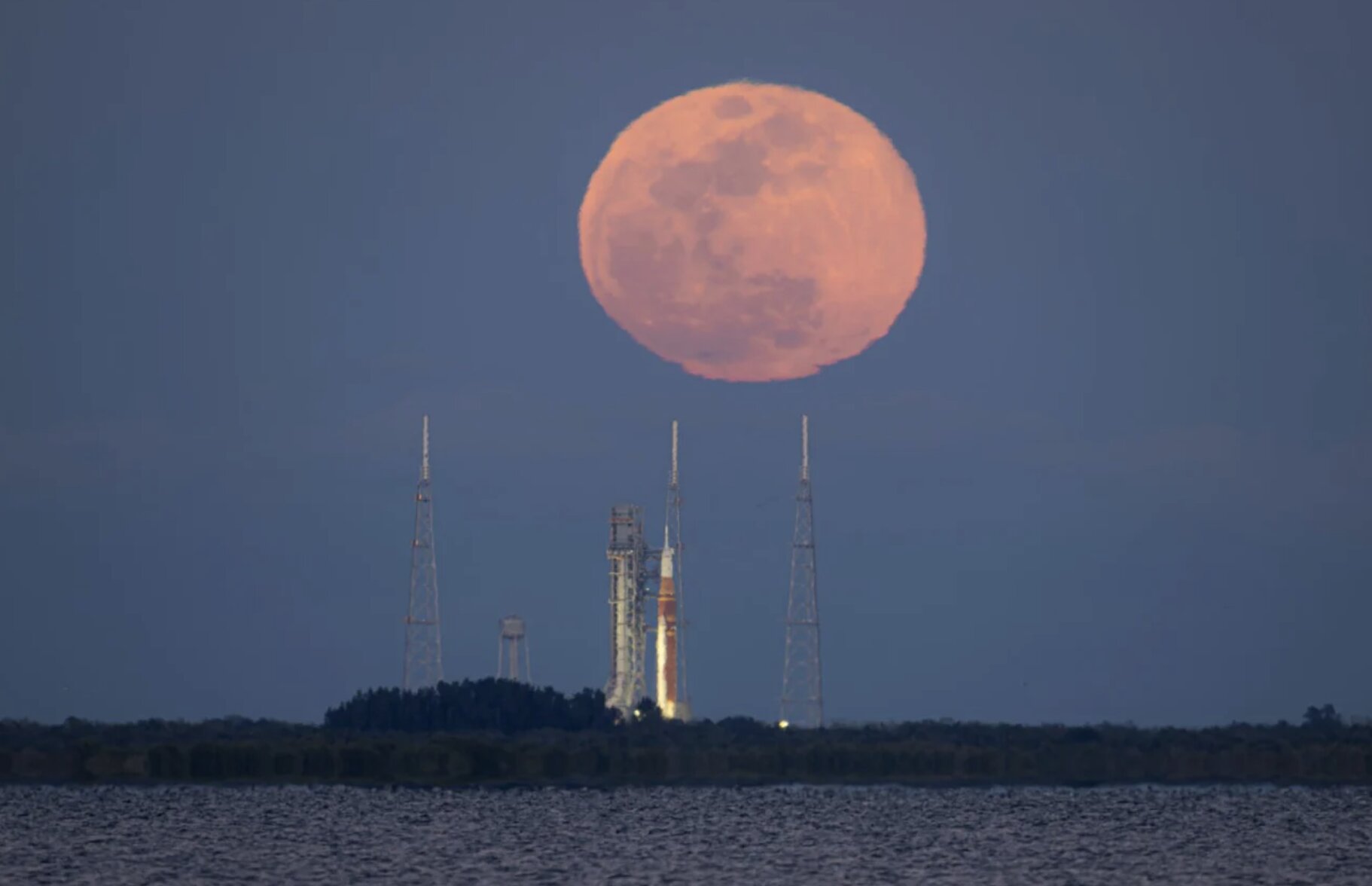
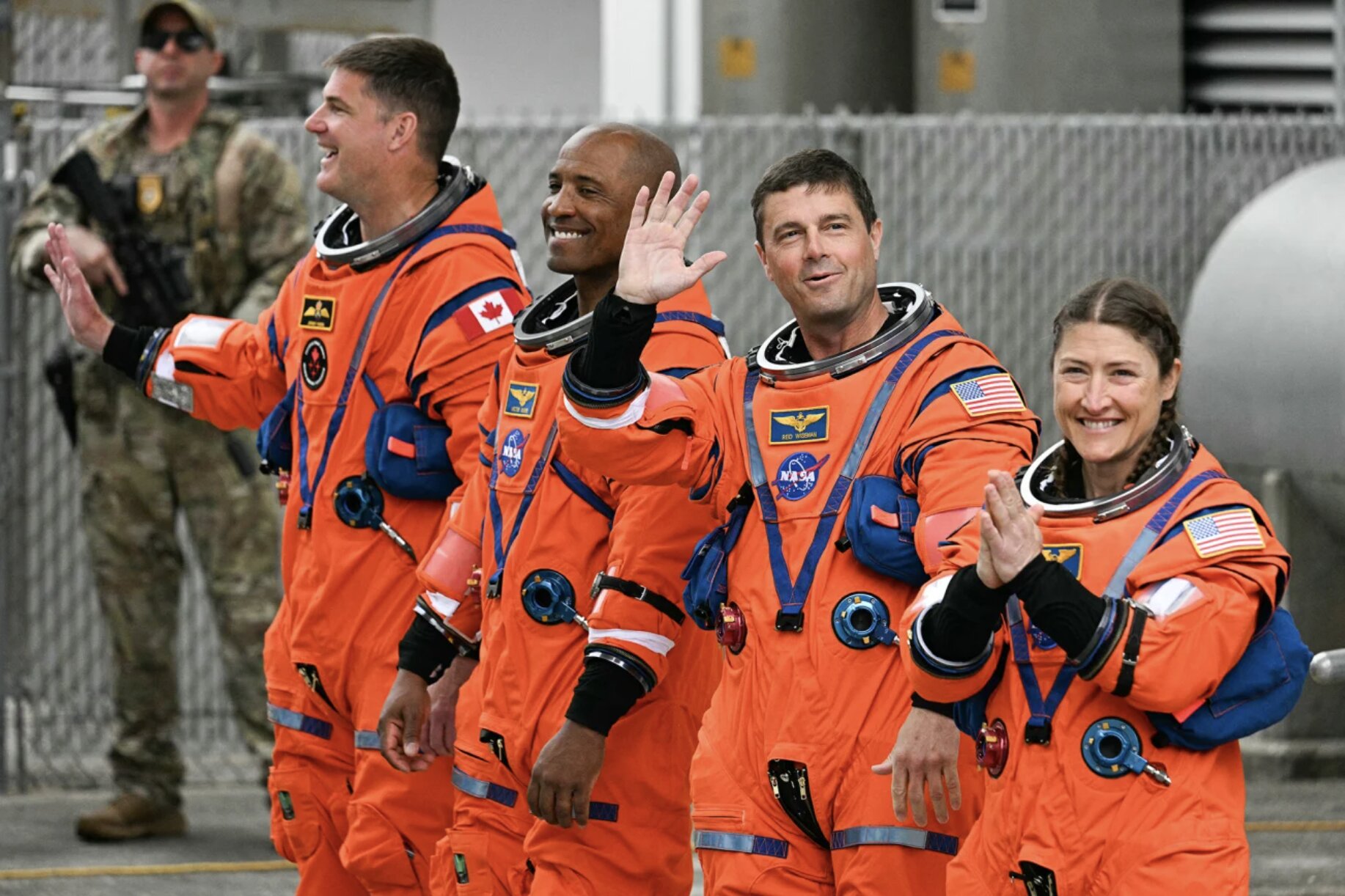
That alone makes the moment historic. Artemis II launched on April 1 from Kennedy Space Center in Florida, sending commander Reid Wiseman, pilot Victor Glover, mission specialist Christina Koch, and Canadian mission specialist Jeremy Hansen on a mission that will loop around the Moon and return to Earth without landing. The flight is designed as a major systems test, but it is also the first time since Apollo 17 in 1972 that astronauts have headed toward the Moon.
Helpful guides that pair well with cleaner daily walks Best Dog Poop Bags
Smart reads for dog walks, cleanup habits, training, and daily pet care.
Best Dog Training Collars
Find training collars that can make daily walks calmer and easier to manage.
Outdoor SafetyBest GPS Trackers for Dogs
Useful for dogs that wander, pull, or get distracted during outdoor time.
Clean-Up CareBest Dog Shampoos for Sensitive Skin
Gentle cleanup options for messy days after walks, yard play, or rainy weather.
Healthy RoutineBest Slow Feed Dog Bowls
Support better digestion and a smoother daily routine for fast eaters.
Daily CareBest Cat Water Fountains
A helpful pick for multi-pet homes that want a cleaner hydration setup.
NASA said the first images were taken by Wiseman using a personal computing device inside Orion. The timing matters. These were not post-mission highlights released weeks later. They were transmitted early in the flight, after the spacecraft had already begun the deep-space portion of its journey. That gave the pictures an immediate feeling, as if the public were being invited to look out the window with the crew rather than simply reading a mission summary from the ground.
On Thursday night, Orion completed the translunar injection burn, the major engine firing that sent the crew out of Earth orbit and onto its path toward the Moon. That maneuver was one of the biggest tests of the mission so far. Once it was complete, the flight moved from an important launch story into a true lunar voyage. By Friday morning, the spacecraft was about 90,000 miles from Earth, with the Moon still far ahead.
Quick mission snapshot
- Mission: Artemis II
- Launch date: April 1, 2026
- Crew: Reid Wiseman, Victor Glover, Christina Koch, Jeremy Hansen
- Goal: Fly around the Moon and return to Earth without landing
- Importance: First crewed moon mission since Apollo 17 in 1972
The crew itself adds another layer of history. Glover is the first Black astronaut assigned to a lunar mission. Koch is the first woman to fly toward the Moon. Hansen is the first Canadian on a moon mission. Together, the four astronauts represent a much broader vision of who gets to be part of this new chapter in exploration. NASA has talked for years about the Artemis program as a bridge between the past and the future, and this crew reflects that shift in a very visible way.
Like most missions, the first day was not flawless. Reports from the flight showed the astronauts also dealt with minor issues, including a temporary toilet problem and an email-related software hiccup. Neither issue changed the mission’s direction, but they did offer a useful reminder that even the most advanced spacecraft still depend on small systems working at the right moment. Part of the value of Artemis II is exactly this: testing people, equipment, and procedures in real deep-space conditions before future crews attempt a landing mission.
That is why these early images matter beyond their beauty. They are not just public relations material. They are proof that Orion is operating where it needs to operate, with people inside it, sending home views once again from beyond low Earth orbit. The photos also reconnect today’s audience to something older and bigger. The Apollo missions gave the world unforgettable pictures that changed how people thought about Earth. Artemis II may be doing the same for a new generation, one image at a time.
The mission is expected to loop around the Moon on Monday before turning back toward Earth. If the timeline holds, the astronauts will complete a roughly 10-day journey that sets up future Artemis flights, including the lunar landing mission NASA hopes will follow. For now, though, this part of the story belongs to the view behind them. As Earth grows smaller, the first photos from Artemis II are doing what the best space images always do: making a distant journey feel personal.
Why this moment matters
For more than 50 years, human missions to the Moon lived mostly in memory, documentaries, and archive footage. Artemis II changes that. It turns the Moon from a symbol of past achievement back into a destination, and these first images give that return a face, a crew, and a view the world can immediately understand.