U.S. Politics & Security
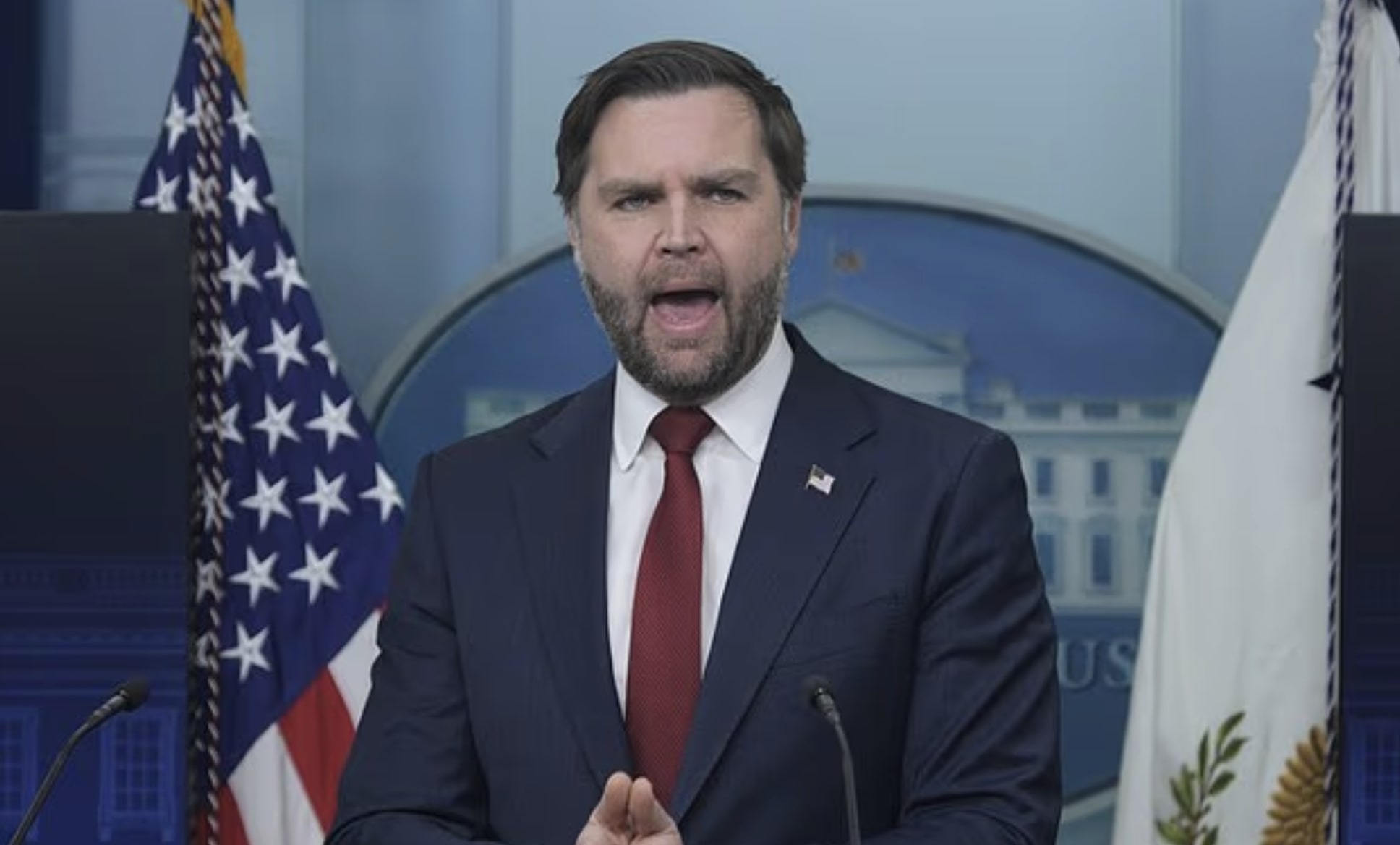
A U.S. Secret Service agent who was part of Vice President JD Vance’s protective detail has been placed on administrative leave following allegations that he shared sensitive security information with an undercover reporter. The agency is reviewing the case and reinforcing internal training meant to prevent similar incidents.
A U.S. Secret Service agent assigned to Vice President JD Vance has been placed on administrative leave after allegations surfaced that he disclosed sensitive details connected to the vice president’s protective operations. The Secret Service has not released extensive public details, but it has confirmed that the agent’s access and credentials were restricted while an internal review continues.
According to the reporting, the agent’s alleged statements included operational information that could relate to how protective teams coordinate movement, timing, and coverage during official travel. Security experts often emphasize that even small pieces of routine information can become risky if collected and shared widely, because patterns can be used to anticipate decisions and reduce uncertainty for bad actors.
What the Secret Service confirmed
The Secret Service said the agent was placed on leave as the matter is evaluated. In situations involving possible disclosure of protected operational details, agencies typically suspend access to facilities and systems to protect sensitive information and preserve the integrity of the review process. The agency also signaled that it is treating the matter as a serious issue involving trust and safety.
The protective mission for senior U.S. officials depends on strict confidentiality. Protective operations are built around layers of planning, redundancy, and rapid response. When internal details are shared outside official channels, officials worry it can weaken the “unknowns” that security teams rely on to keep routes, timing, and coordination less predictable.
How the allegation became public
The allegation became public after an undercover-style media report released footage that it said involved the agent speaking with someone he believed was a personal contact. The report claimed the conversation included discussion of sensitive protective information related to Vice President Vance’s security arrangements. Some information was reportedly redacted by the outlet, citing safety and security concerns.
The reporting also drew attention online because it described the agent sharing images from secure locations and expressing personal political opinions. While personal opinions are not the same as a security leak, critics noted that neutrality and professionalism are central expectations for agencies tasked with protecting high-level government officials.
Why operational security matters
In protective work, “operational security” refers to limiting exposure of information that could reveal how security is set up, where vulnerabilities might exist, or how plans are adjusted in real time. Details like travel rhythms, shift changes, typical staging locations, and movement routines can appear ordinary on their own. But if collected over time, they may allow outsiders to map patterns and make more accurate predictions.
For that reason, protective agencies generally train personnel to avoid discussing routes, schedules, formations, and related logistics with anyone who does not have a clear need to know. Agencies also commonly warn staff that social interactions—online and offline—can be used to obtain information through manipulation or deception.
What happens next
The key questions now are whether the agent violated internal policy, whether any laws may apply, and whether the alleged disclosures created a measurable security risk. Those determinations can take time, especially when agencies must review communications, verify what was said, assess what information was genuinely sensitive, and determine whether any additional exposure occurred afterward.
For the Secret Service, the incident may also prompt broader changes in training and enforcement. Agencies often respond to alleged leaks by expanding refresher courses, strengthening rules about personal devices or photos in restricted areas, and updating guidance about social engineering risks and undercover approaches.
Vice President Vance’s schedule and protection continue as normal, with other agents and supervisors handling day-to-day security operations. Officials have not indicated any immediate change to public travel plans, but protective agencies can quietly adjust methods and procedures without public notice when reviewing a potential breach.
This report is a rewritten, original news-style summary based on publicly available reporting and is presented in an easy American English, reader-friendly format.
Secret Service agent placed on leave, JD Vance security detail, alleged security leak, operational security breach, protective operations, undercover reporter, Air Force Two photo allegation, security clearance suspended, protectee safety, federal protective agency protocols, U.S. vice president protection, administrative leave investigation, security training refresher