As an Amazon Associate, AhemBeauty earns from qualifying purchases. We may also earn commissions from other qualifying links in this guide.
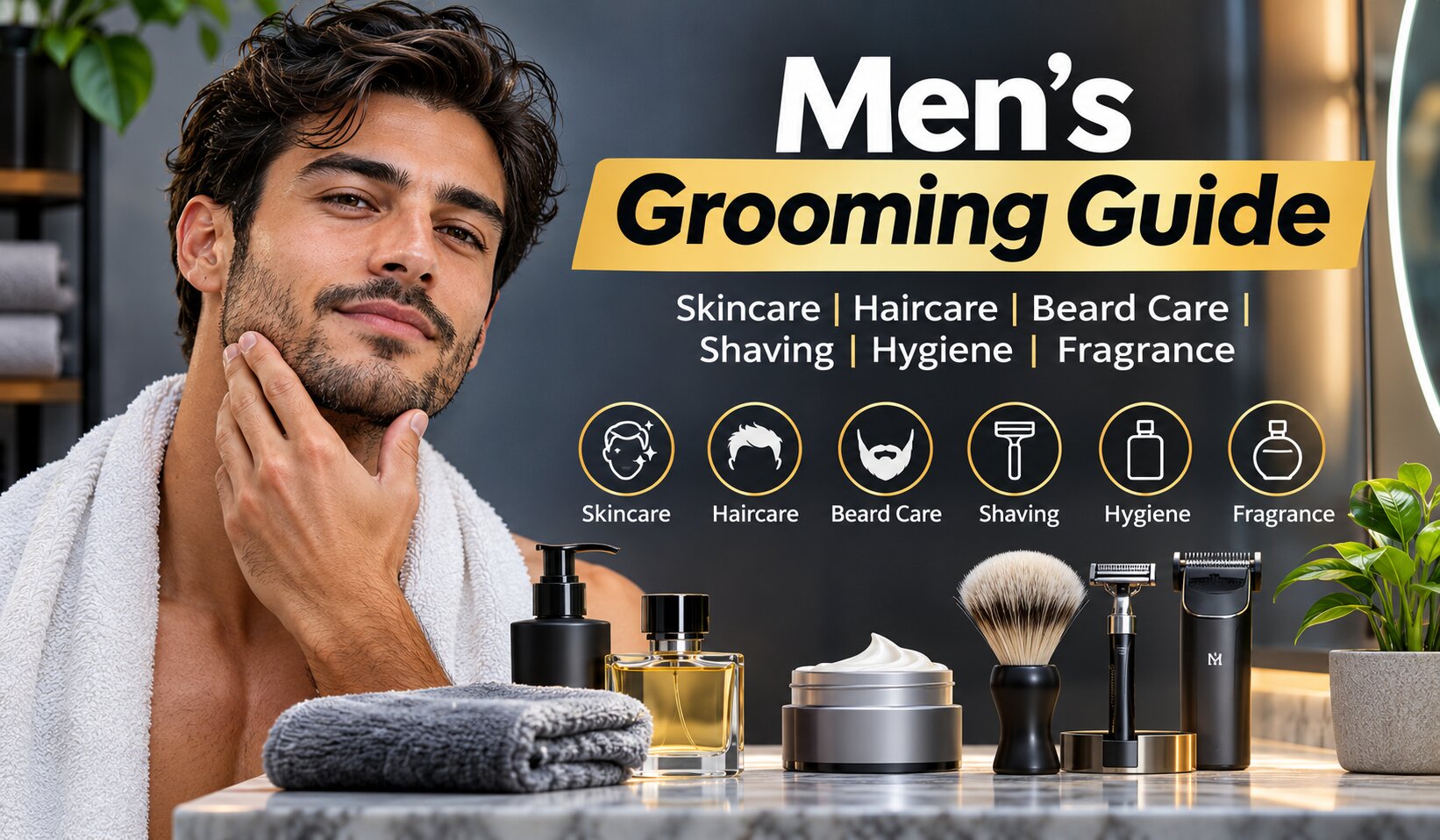
A Men’s Grooming Guide should make everyday care easier to manage. You do not need a bathroom shelf full of products. Start with the basics that suit your skin and hair, then add something only when you have a clear reason to use it.
Men’s grooming includes skincare, hair and beard care, shaving, body hygiene, fragrance, and oral care. The balance will look different from person to person. Someone with an oily scalp and a short beard, for example, will need a different routine from someone with dry skin and a full beard.
Here, you’ll find a straightforward routine, advice on choosing products, and a few product examples across common grooming categories. Use the suggestions as a starting point, not a shopping list. You may need only a handful of them.
Last updated: November 5, 2026
Most routines can start with these everyday habits:
- Cleanse your face with a product suited to your skin type.
- Apply moisturizer to help maintain the skin barrier.
- Use broad-spectrum sunscreen during daytime.
- Wash your hair according to your scalp condition and hair type.
- Keep facial hair trimmed, clean, and maintained.
- Use a suitable body wash and deodorant.
- Maintain oral hygiene with regular brushing and interdental cleaning.
- Choose fragrance based on personal preference and occasion.
- Keep grooming tools clean and replace worn or damaged items.
Serums, exfoliants, beard oils, and styling products are optional. Add one when it solves a problem you actually have; skip it if your current routine is working.
Men’s grooming is the regular care of your skin, hair, beard, nails, body, and teeth. In practice, that may be as simple as washing your face, using sunscreen, keeping your hair clean, trimming your nails, and shaving or maintaining your beard.
Keep the routine realistic. If your scalp gets oily quickly, you may need to shampoo more often. If you shave daily, focus on reducing irritation; if you keep a beard, spend more time cleaning and trimming it.
You can ignore most grooming trends. If a product or step does not help with your skin, hair, comfort, or preferred appearance, there is little reason to keep using it.
Before spending money on grooming products, take a moment to work out what your skin and hair are like. A product that suits one person may leave someone else feeling dry, greasy, or irritated.
Oily skin: Your face may look shiny, particularly around the forehead, nose, and chin. Lightweight, non-comedogenic products may be more comfortable than heavy creams.
Dry skin: Your skin may feel tight, rough, or flaky. A gentle cleanser and a moisturizer containing ingredients such as ceramides or glycerin may help support the skin barrier.
Combination skin: Some areas, usually the forehead and nose, may become oily while the cheeks feel normal or dry. You may need to adjust the amount or texture of moisturizer across different areas.
Sensitive skin: Your skin may react to fragrance, strong exfoliants, or certain ingredients. Choose simple formulas and introduce new products gradually.
Normal skin: Your skin generally feels balanced, without persistent excess oiliness or dryness. A basic routine can often maintain this balance.
Hair can be straight, wavy, curly, or coily. It may also be fine, medium, or thick. These characteristics affect how your hair responds to shampoo, conditioner, and styling products.
Your scalp condition matters too. An oily scalp may need more frequent cleansing, while a dry or sensitive scalp may benefit from a gentler shampoo. Persistent itching, redness, scaling, or hair loss should not automatically be treated as a cosmetic problem.
Some men grow dense facial hair, while others have patchy or slower-growing beards. Beard texture can also vary from soft and straight to coarse and curly.
Your beard-care routine should reflect its length and texture. A short beard may only need regular trimming and cleansing. Longer facial hair may benefit from additional conditioning and careful combing.
You can keep skincare simple. For most people, a gentle cleanser, a moisturizer, and sunscreen are a sensible starting point.
Step 1: Cleanse your face
Use a gentle facial cleanser to remove excess oil, sweat, and overnight buildup. Avoid using harsh body soap on your face because it may leave the skin feeling dry or uncomfortable.
Step 2: Apply a serum if needed
A serum can address a specific concern, such as uneven skin tone or the appearance of fine lines. Vitamin C and retinol products are examples of targeted skincare options. You do not need to use several serums at once.
Step 3: Moisturize
Apply a moisturizer suited to your skin type. Even oily skin can benefit from moisturizing. Choose a lighter lotion or gel texture if heavy creams feel uncomfortable.
Step 4: Apply sunscreen
Use a broad-spectrum sunscreen with SPF 30 or higher. Apply it to exposed skin during the day and reapply according to the product directions, especially after sweating, swimming, or towel drying. Cover the ears, neck, hairline and tops of the feet as well as the face. When outdoors, reapply about every two hours and after swimming or heavy sweating, following the label. See the AAD sunscreen application guidance for application and reapplication advice.
At night, cleanse your face to remove sunscreen, dirt, sweat, and excess oil. Follow with moisturizer.
If you use a targeted product such as retinol or an exfoliating serum, follow its instructions carefully. Introduce one active product at a time. Using several strong ingredients together can increase the risk of irritation.
Exfoliation may help remove surface dead skin cells, but it is not necessary every day. The right frequency depends on the product and your skin’s tolerance.
If you experience persistent irritation, stop the product and simplify your routine. Men with ongoing acne, eczema, or other skin concerns may benefit from advice from a dermatologist.
When choosing skincare, begin with the problem you want to solve: dryness, excess oil, uneven tone, or sun protection. Then check whether the formula suits your skin. A higher price is not proof that it will work better.
Consider these points before buying:
- Skin compatibility: Choose a formula suitable for oily, dry, combination, or sensitive skin.
- Ingredients: Understand the main active ingredients and what they are intended to do.
- Texture: Lightweight lotions may suit oily skin, while richer creams may be more comfortable for dry skin.
- Fragrance: Fragrance-free options may be preferable for people who react easily to scented products.
- Packaging: Pumps and tubes can be convenient and help reduce repeated contact with the product.
- Usage instructions: Check whether the product is intended for daily use or occasional treatment.
- Value: Compare the amount of product, recommended usage, and price rather than judging by packaging alone.
These examples cover different skincare jobs. Check the exact product name, ingredients, size, and directions on the current listing before ordering; formulas and packaging can change.
| Product | Best for | Key specification | Honest limitation |
|---|---|---|---|
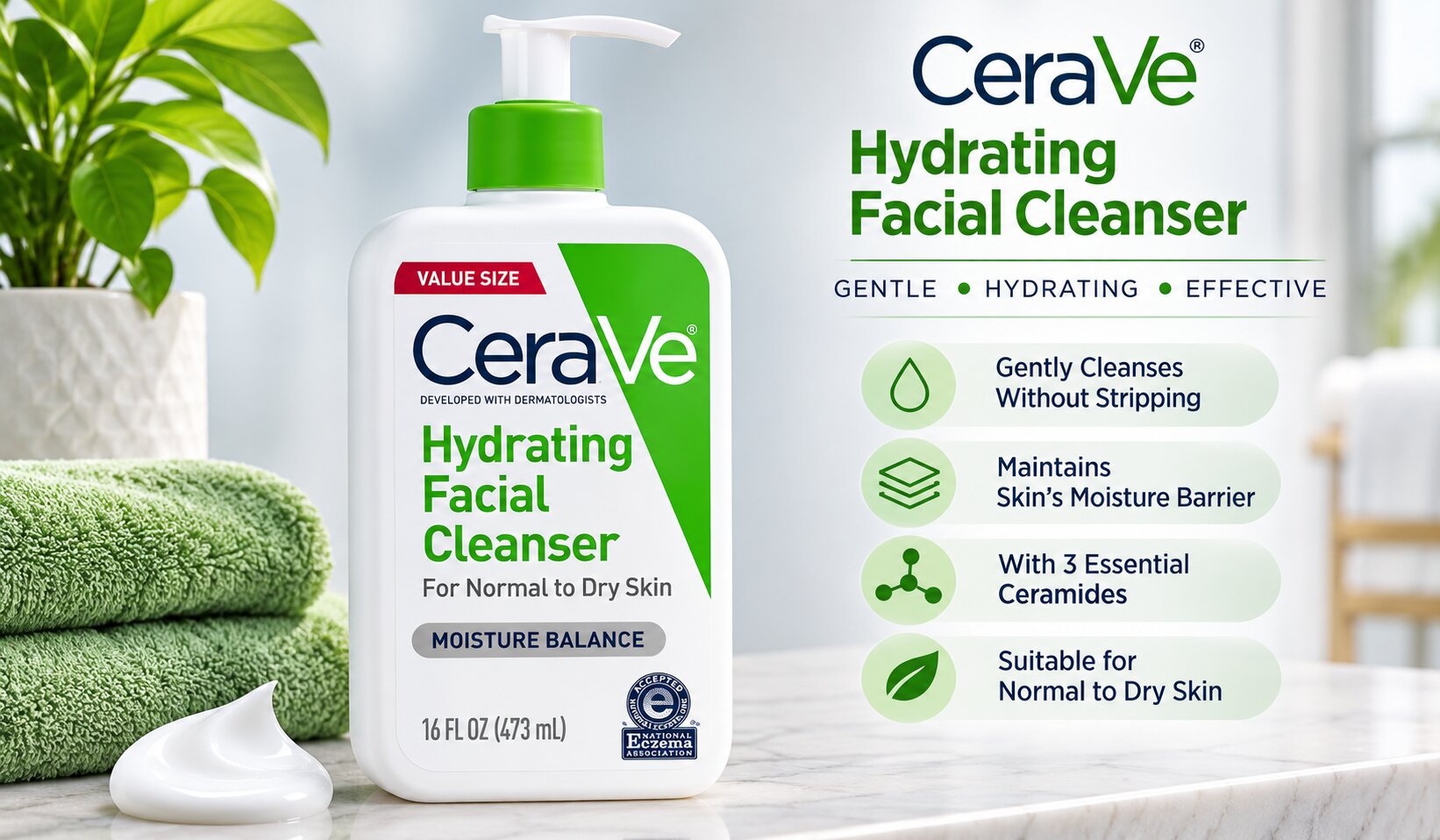
| CeraVe Hydrating Facial Cleanser | normal-to-dry skin that feels tight after washing. | hydrating facial cleanser. | it is not designed to remove every type of heavy or water-resistant makeup/sunscreen in one pass. |
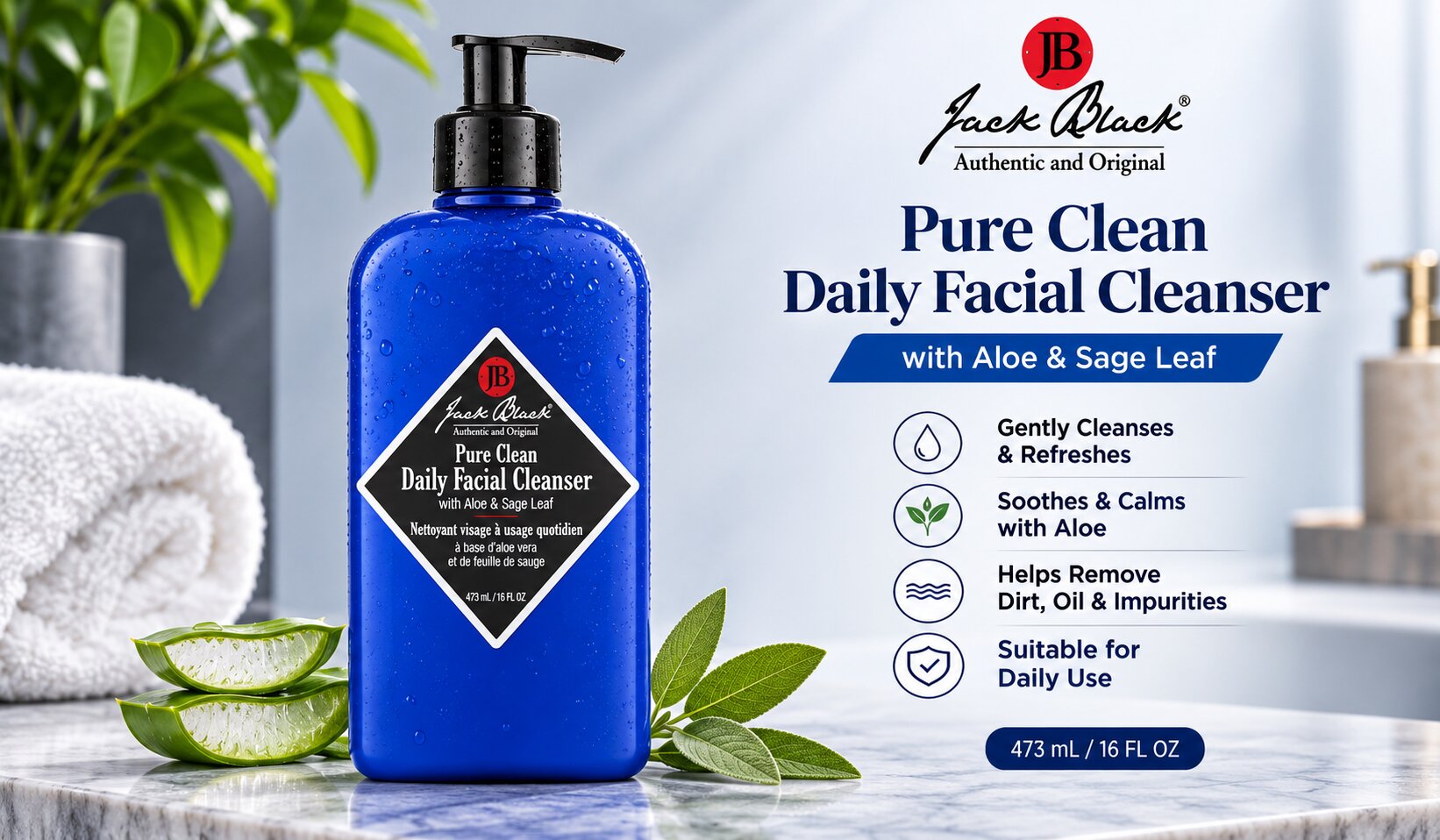
| Jack Black Pure Clean Daily Facial Cleanser | a straightforward daily face-washing step. | facial cleanser. | check the current ingredient list if fragrance or specific surfactants irritate your skin. |
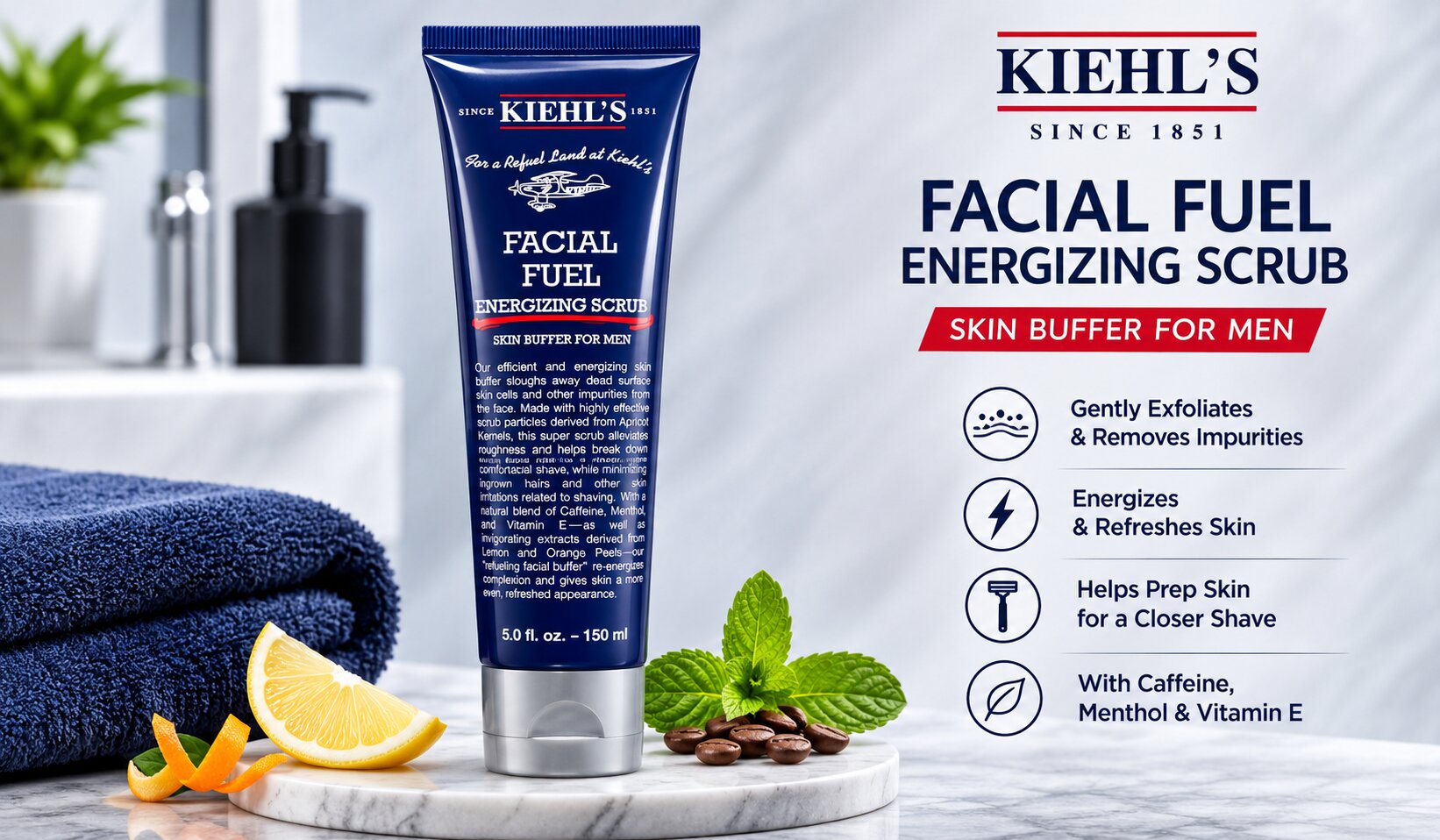
| Kiehl’s Facial Fuel Energizing Scrub | occasional exfoliation rather than everyday face washing | facial scrub for exfoliation | Scrubs can irritate sensitive or inflamed skin; use sparingly and follow the label. |
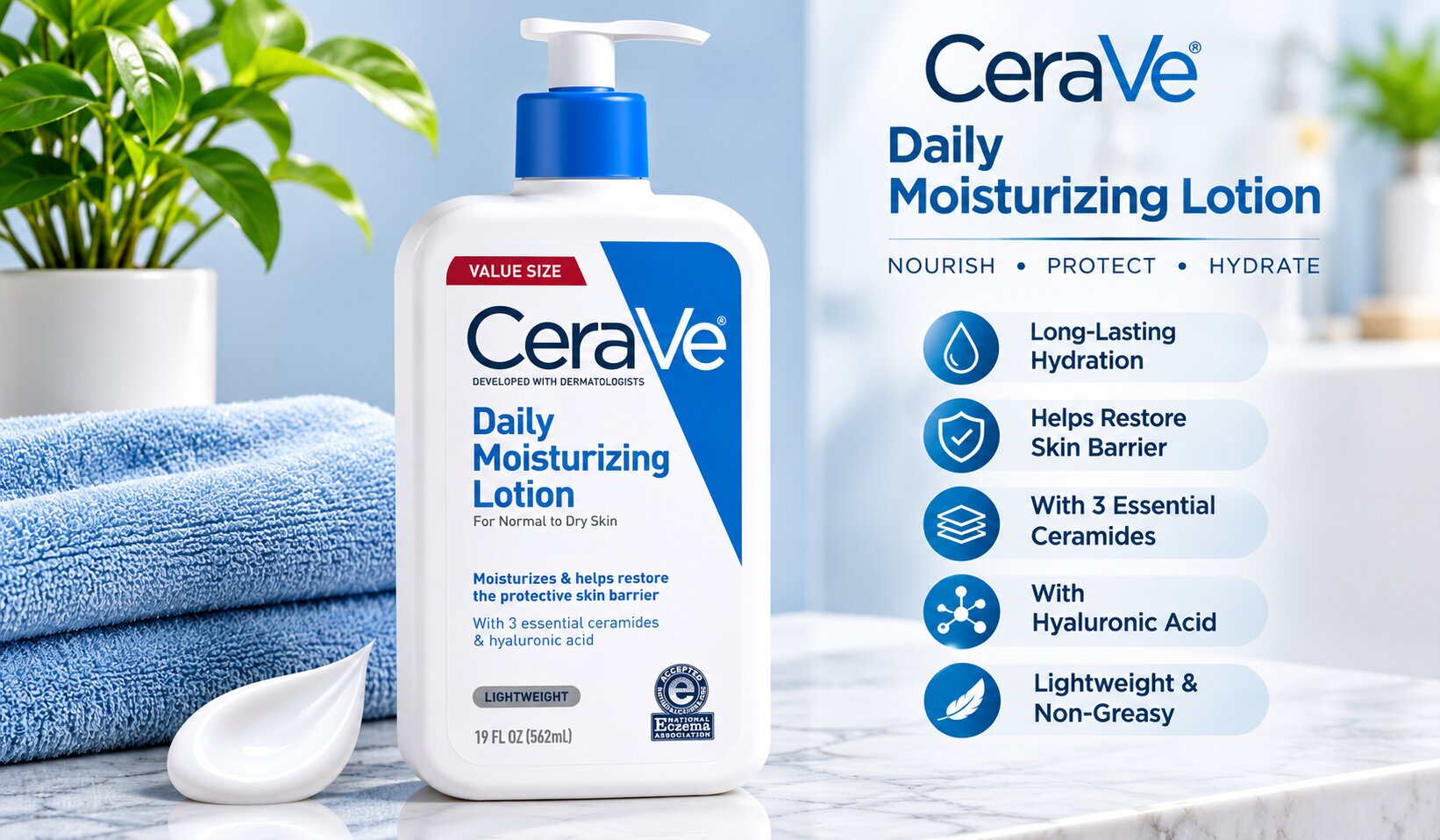
| CeraVe Moisturizing Lotion | simple face-and-body moisturizing. | lightweight lotion. | very dry skin may prefer a richer cream. |
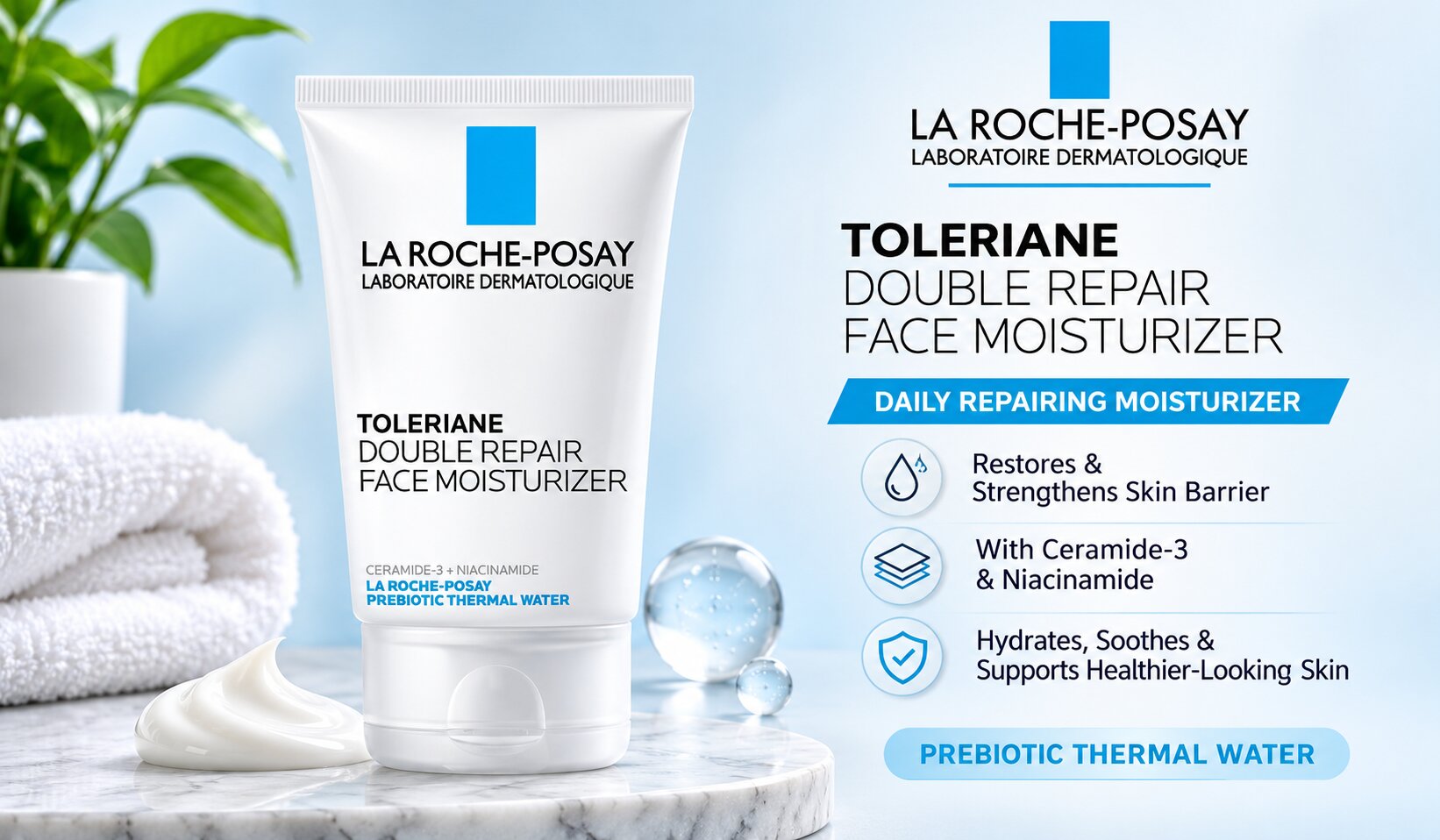
| La Roche-Posay Toleriane Double Repair | daily facial moisturizing | facial moisturizer | Check the exact regional formula and ingredient list, as product versions can differ. |
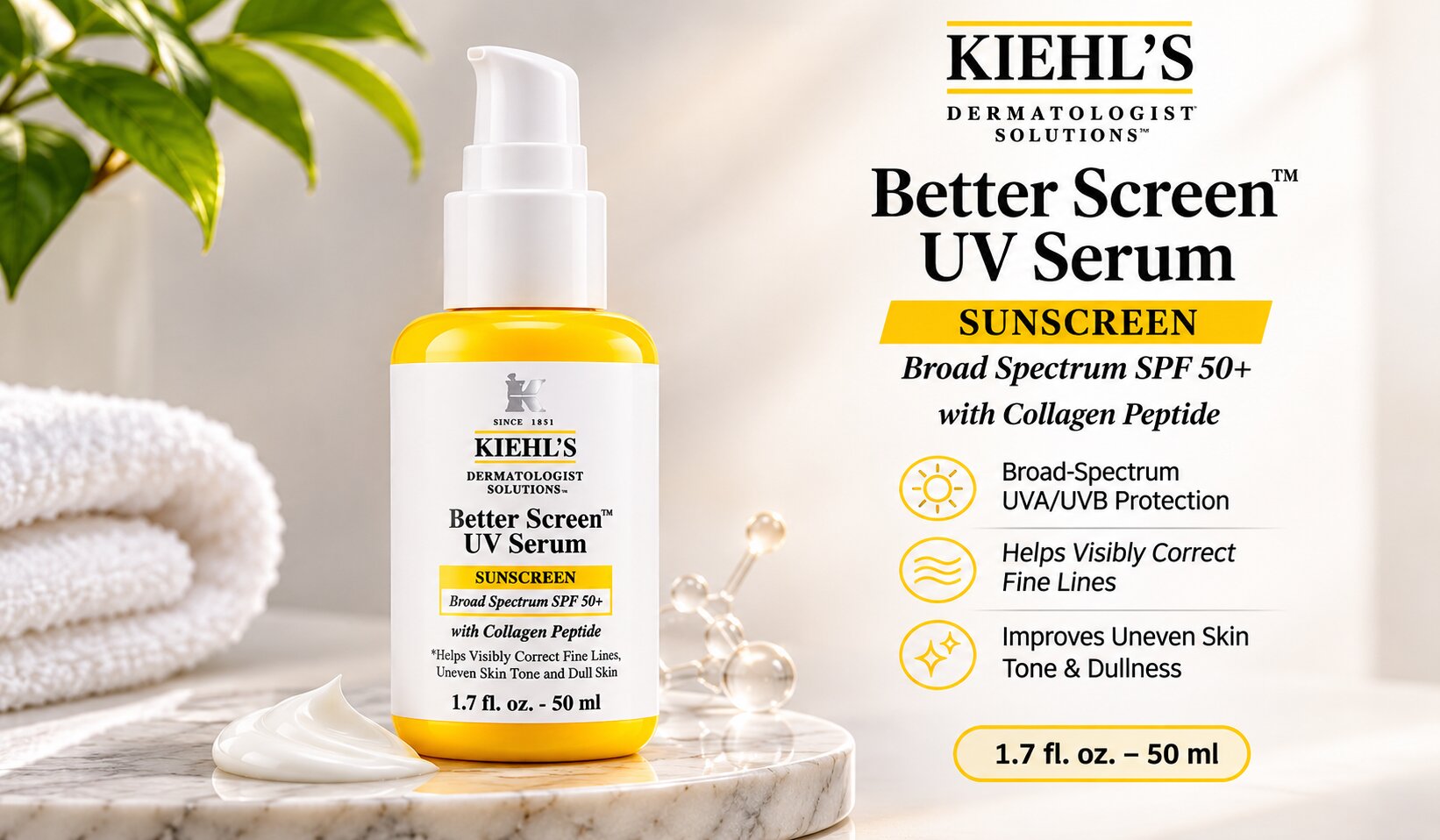
| Kiehl’s Better Screen UV Serum SPF 50+ | a sunscreen step with a serum-like texture | SPF 50+ sunscreen; verify broad-spectrum labeling on the package | Do not rely on the product name alone; confirm the current SPF and directions on the bottle. |
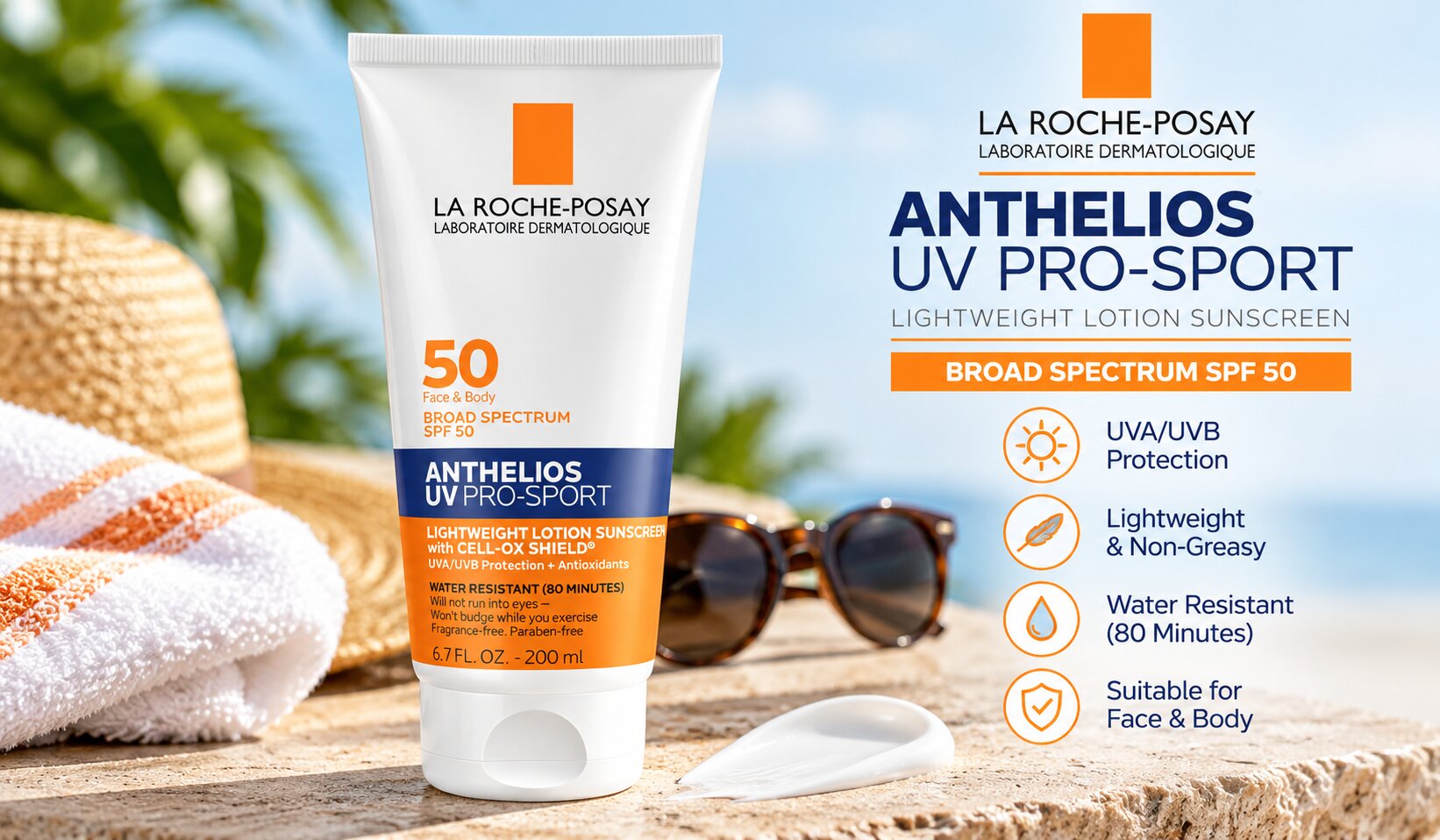
| La Roche-Posay Anthelios Pro-Sport | outdoor activity when the exact product label confirms water resistance. | sunscreen. | product names and formulas vary by market; follow the package reapplication directions. |
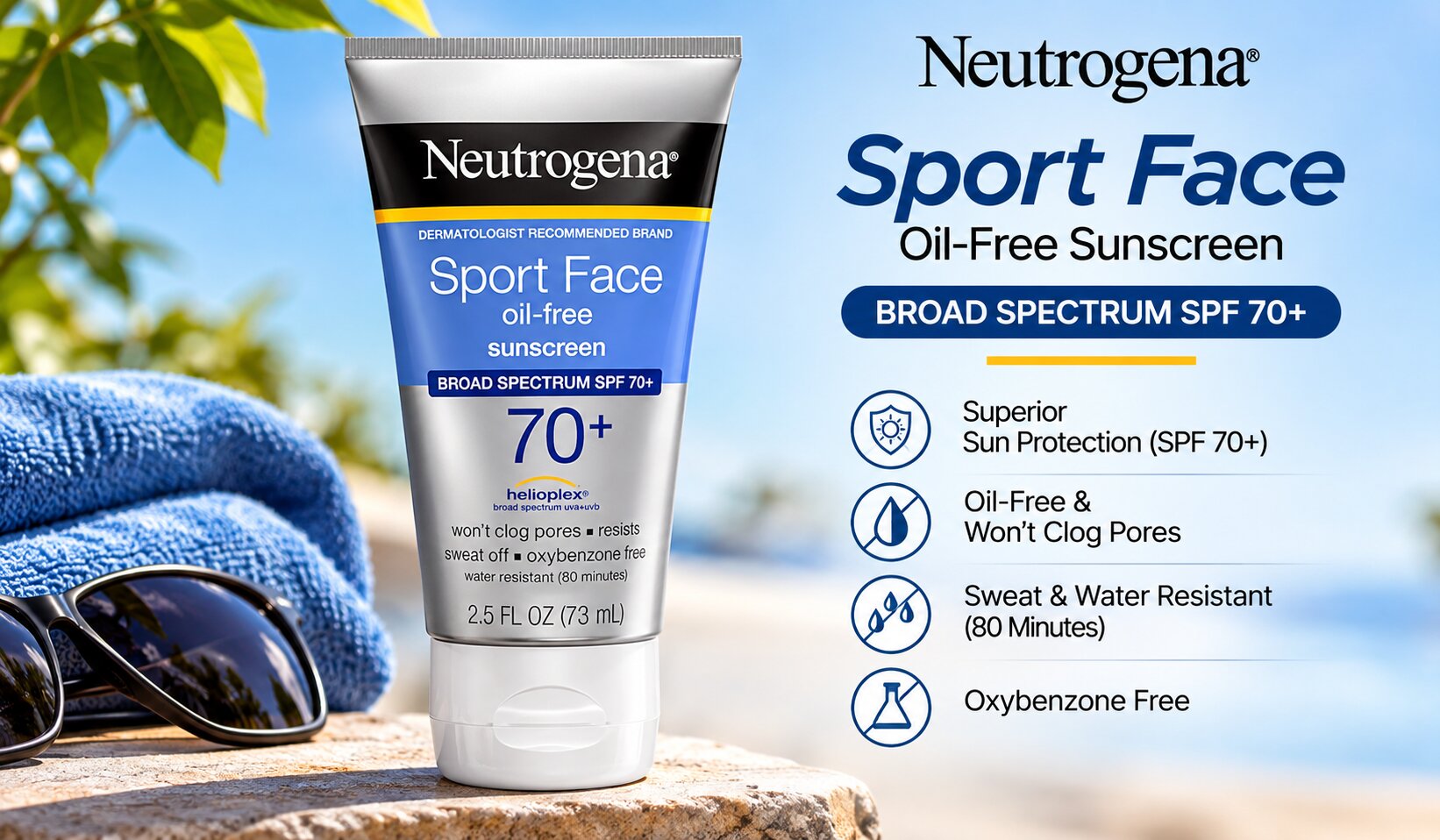
| Neutrogena Sport Face Sunscreen | active days when the current label matches your skin and activity. | sport-oriented facial sunscreen. | check SPF, broad-spectrum coverage and water-resistance duration on the exact package. |
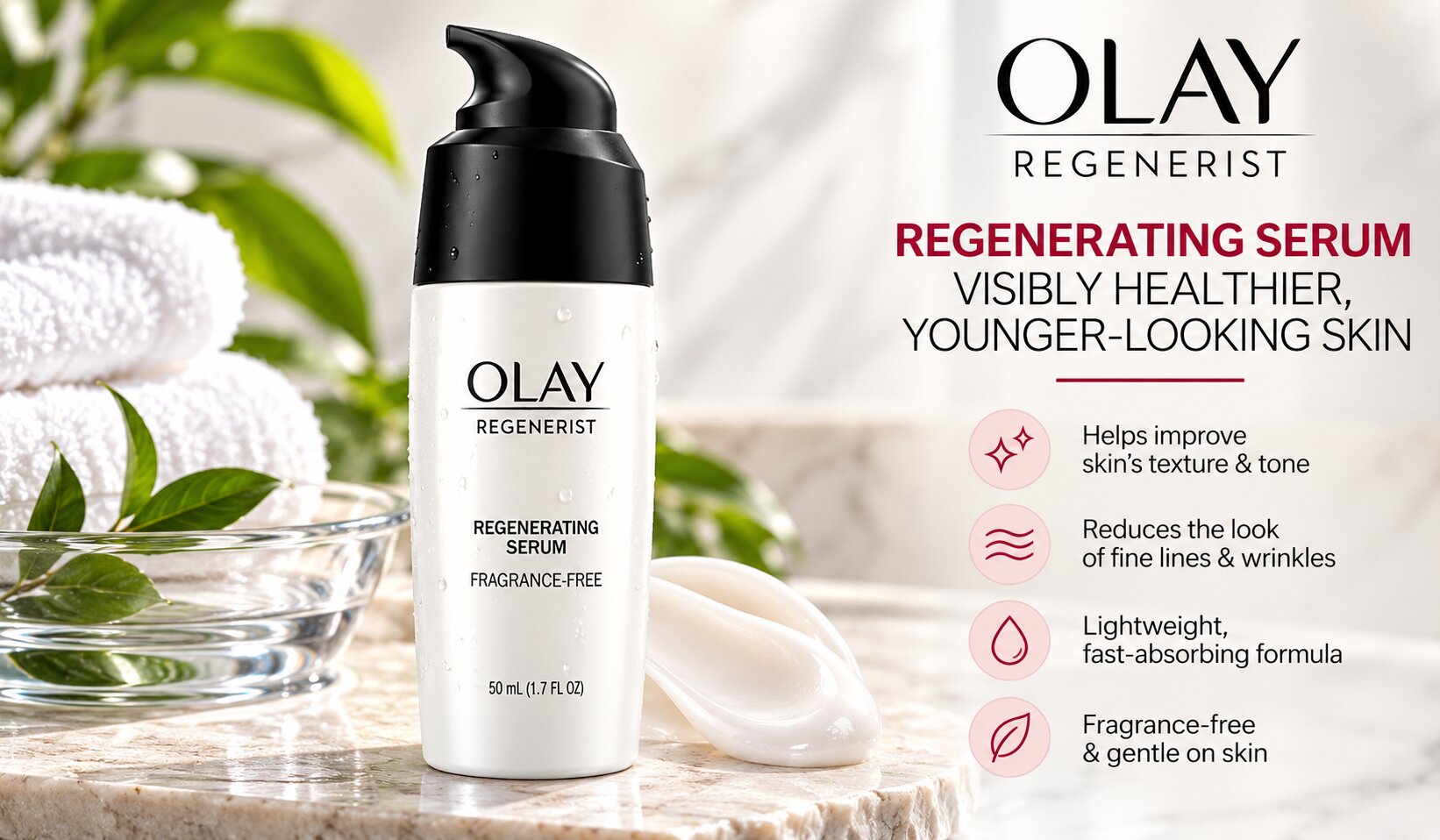
| Olay Vitamin C + Peptide 24 Serum | adding a brightening-focused serum to an established routine. | vitamin C + peptide serum; niacinamide is listed among its ingredients. | it is optional, and it does not replace moisturizer or sunscreen. |
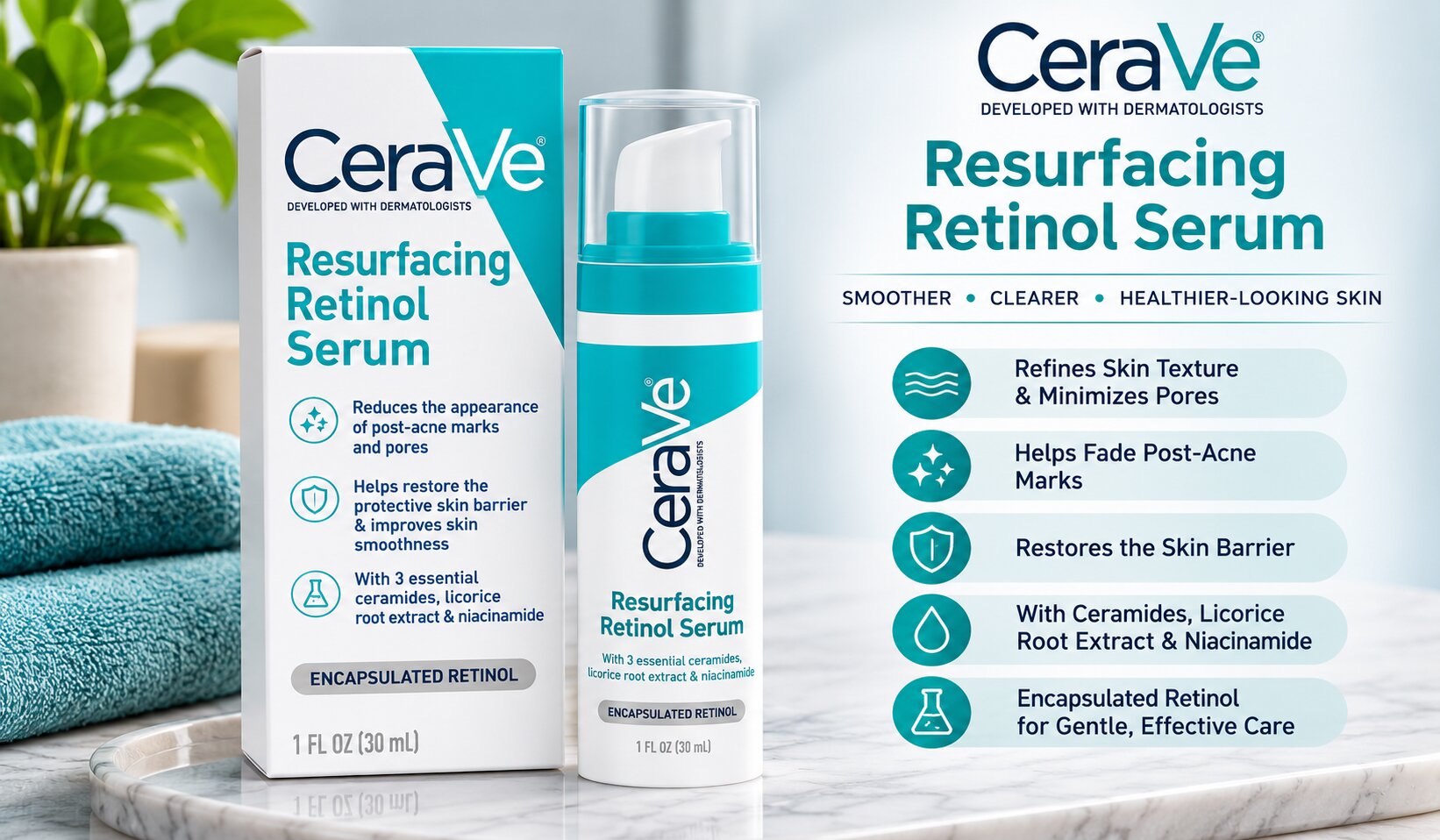
| CeraVe Resurfacing Retinol Serum | a gradual retinol step for uneven-looking texture. | retinol facial serum. | may cause dryness or irritation; introduce slowly and use daytime sunscreen. |
| Paula’s Choice Exfoliating Serum | an exfoliating step for people who already know their skin tolerates acids | exfoliating treatment; confirm the exact formula and concentration | The product name can refer to different formulas; check the full name and active ingredient before use. |
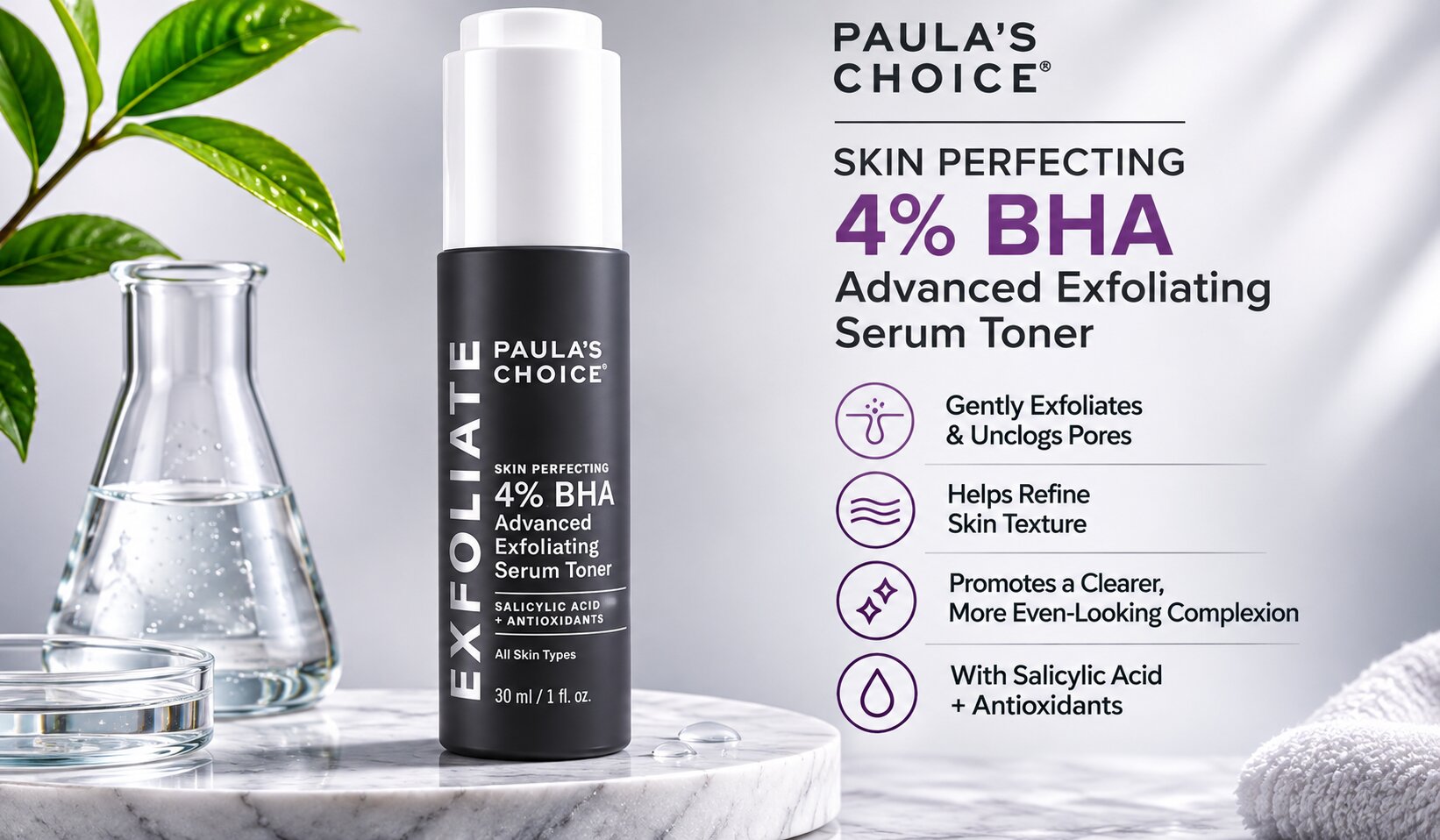
You do not need everything in this table. Get the cleanser, moisturizer, and sunscreen right first. A serum or exfoliant can wait until you know what you want it to do.
For haircare, think about three separate jobs: cleaning your scalp, conditioning your hair, and styling it. One product rarely does all three equally well.
Shampoo is mainly for your scalp. Wash when oil, sweat, or styling products build up; the right frequency depends on how quickly your scalp gets oily and how your hair responds.
If your scalp becomes oily quickly, you may need to wash more frequently. If your hair is dry or textured, a gentler washing schedule may be more comfortable.
Conditioner is there to make the hair itself easier to manage. Work it through the lengths and ends, especially if they feel dry. Follow the label if the product is designed for scalp use.
A hair serum may help with frizz or dry-looking ends, while a cream, gel, or pomade gives the style its shape. Start with a small amount. Too much can leave hair flat or greasy, particularly if it is fine.
| Product | Best for | Key specification | Honest limitation |
|---|---|---|---|
| Huron Shampoo for All Hair Types | a general shampoo option for routine scalp cleansing. | shampoo. | “all hair types” does not guarantee it will suit a sensitive or problem scalp. |
| Nutrafol Conditioner for Thinning Hair | conditioning hair that feels dry or difficult to manage. | conditioner, not a hair-loss treatment. | conditioner does not treat the underlying causes of hair thinning. |
| Old Spice Healthy Vitamin Styling | styling after confirming the exact format | styling product; verify whether the listing is a cream, gel, or another format | The title alone does not establish its hold or finish. Check the exact package before buying. |
| Forte Series Hydrating Argan Oil Hair Serum | adding slip and smoothing to dry or frizzy hair. | argan-oil hair serum. | use a small amount; it may weigh down fine hair. Match the pictured bottle to the retailer listing before publishing. |
| Just for Men Control GX 2-in-1 Shampoo & Conditioner | men specifically seeking gradual reduction of visible gray hair. | 2-in-1 shampoo and conditioner with gradual gray-reducing purpose. | it is not a standard shampoo for everyone; read precautions and follow the label exactly. |
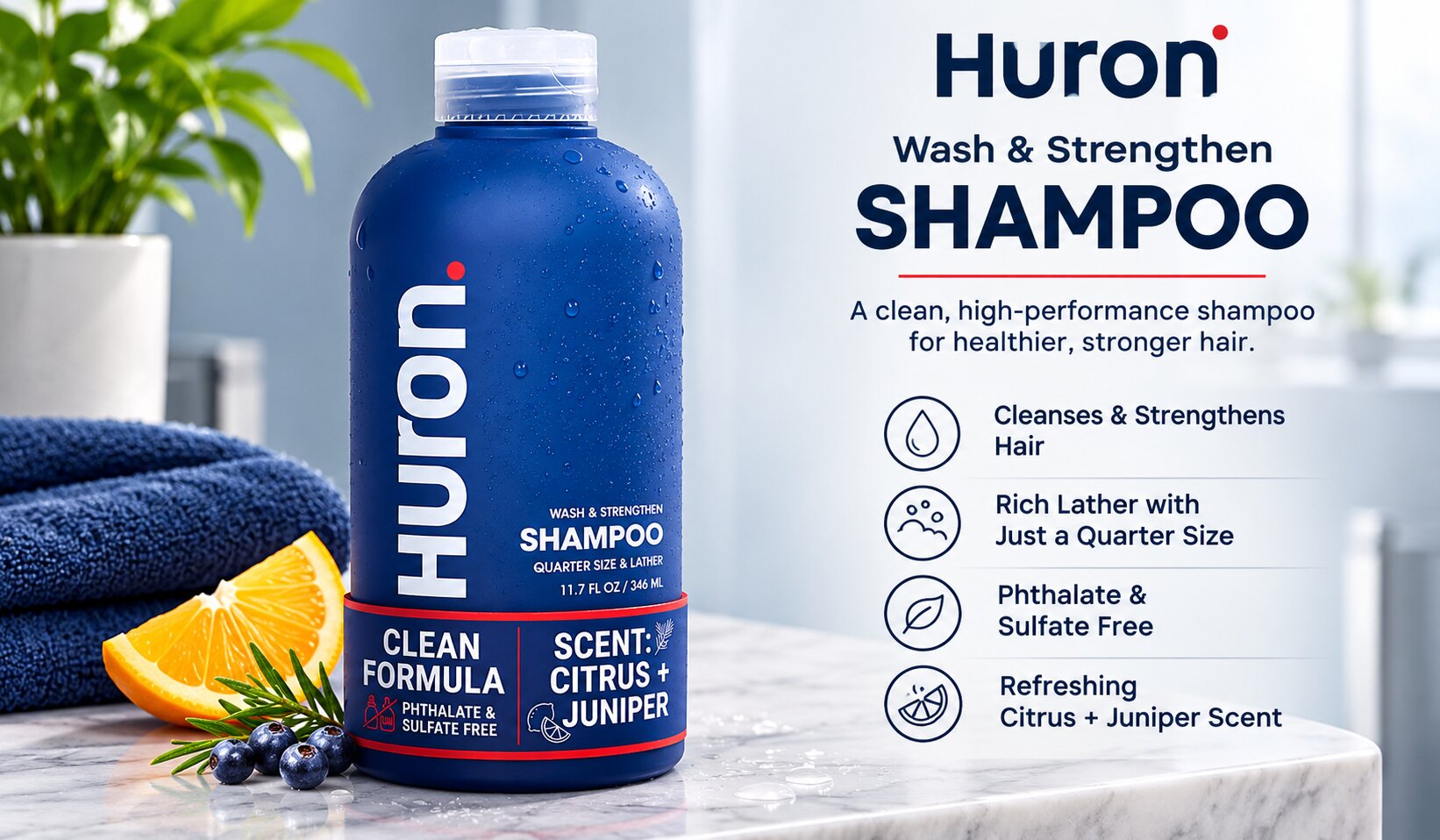
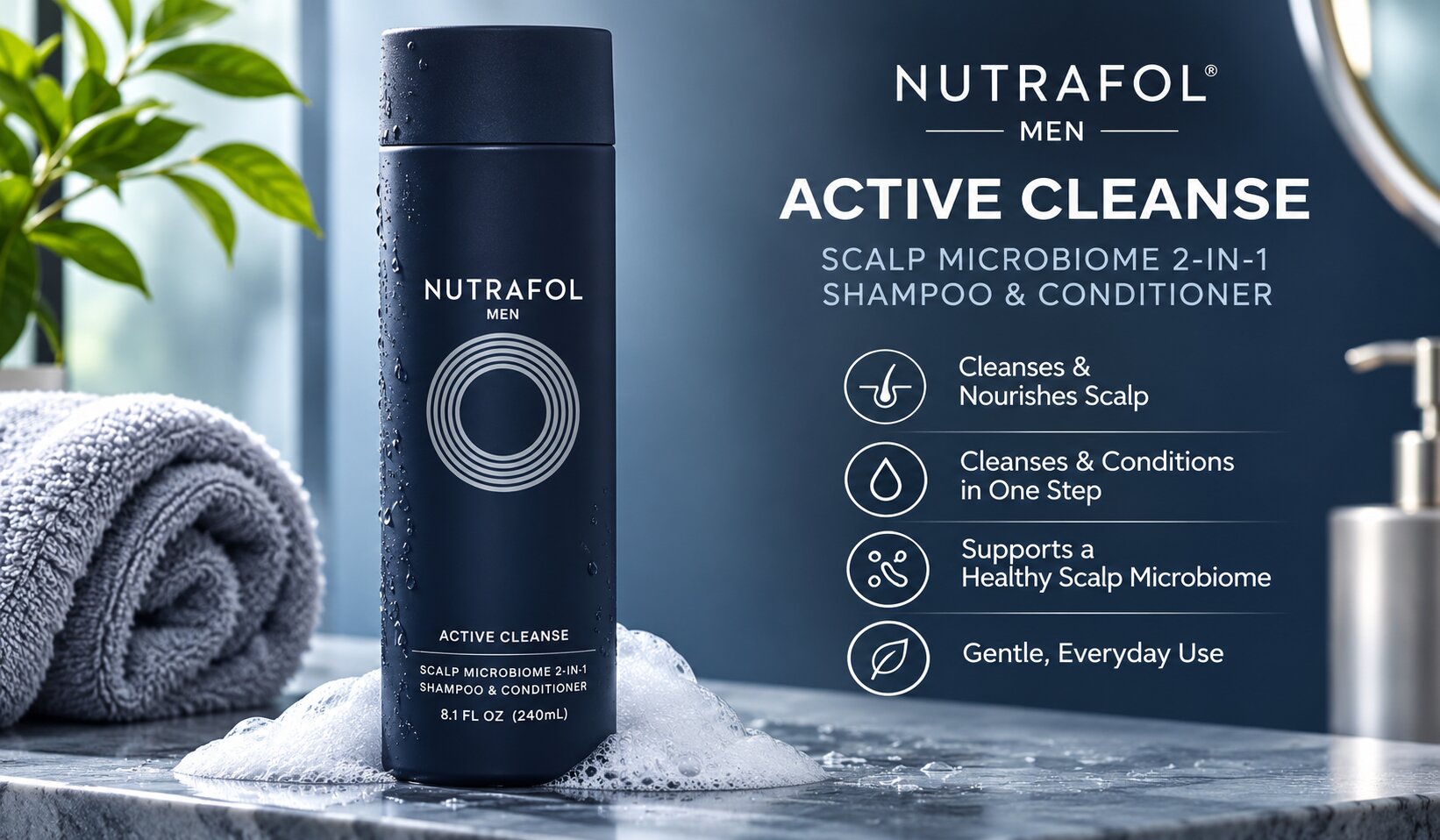
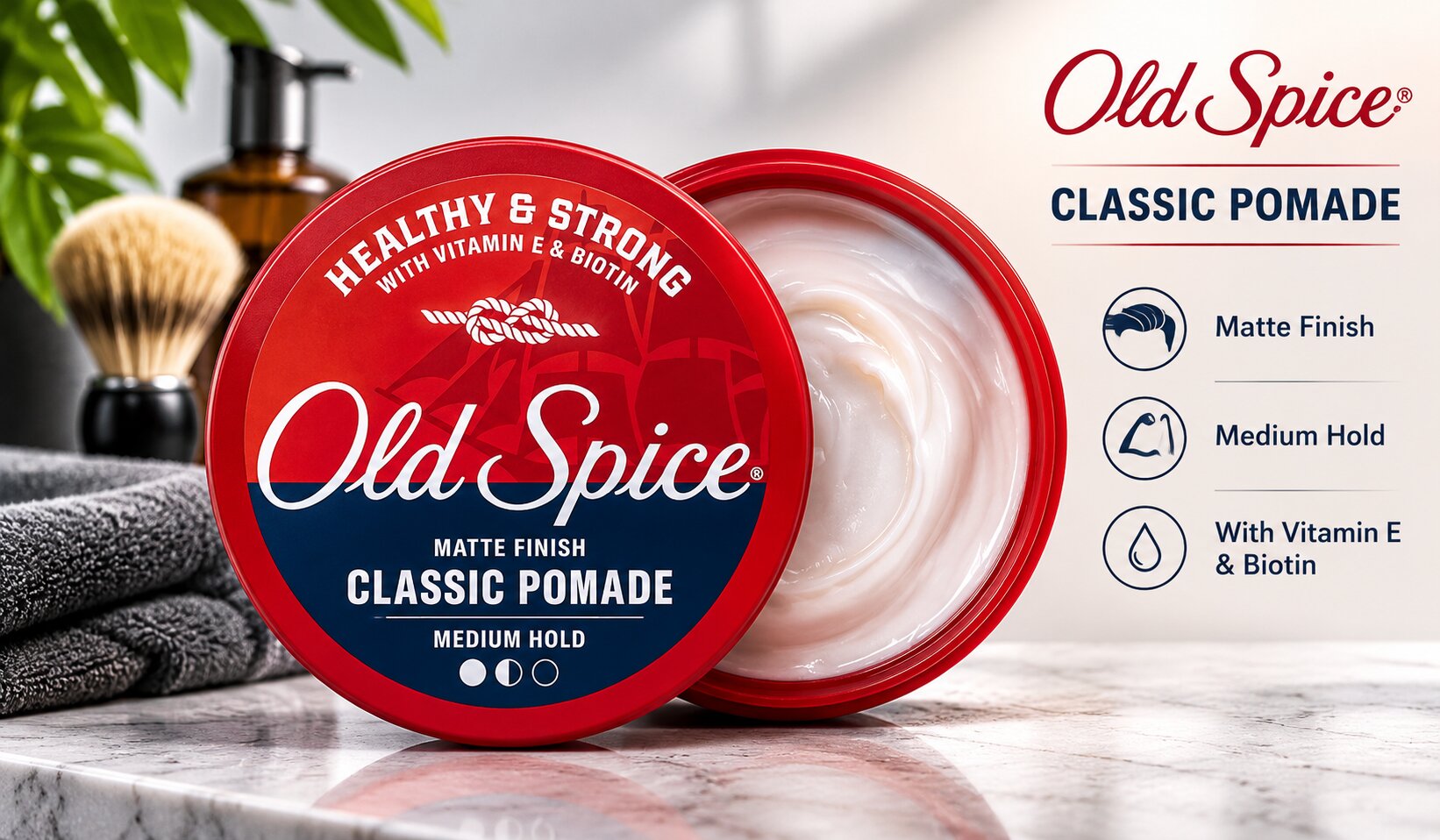
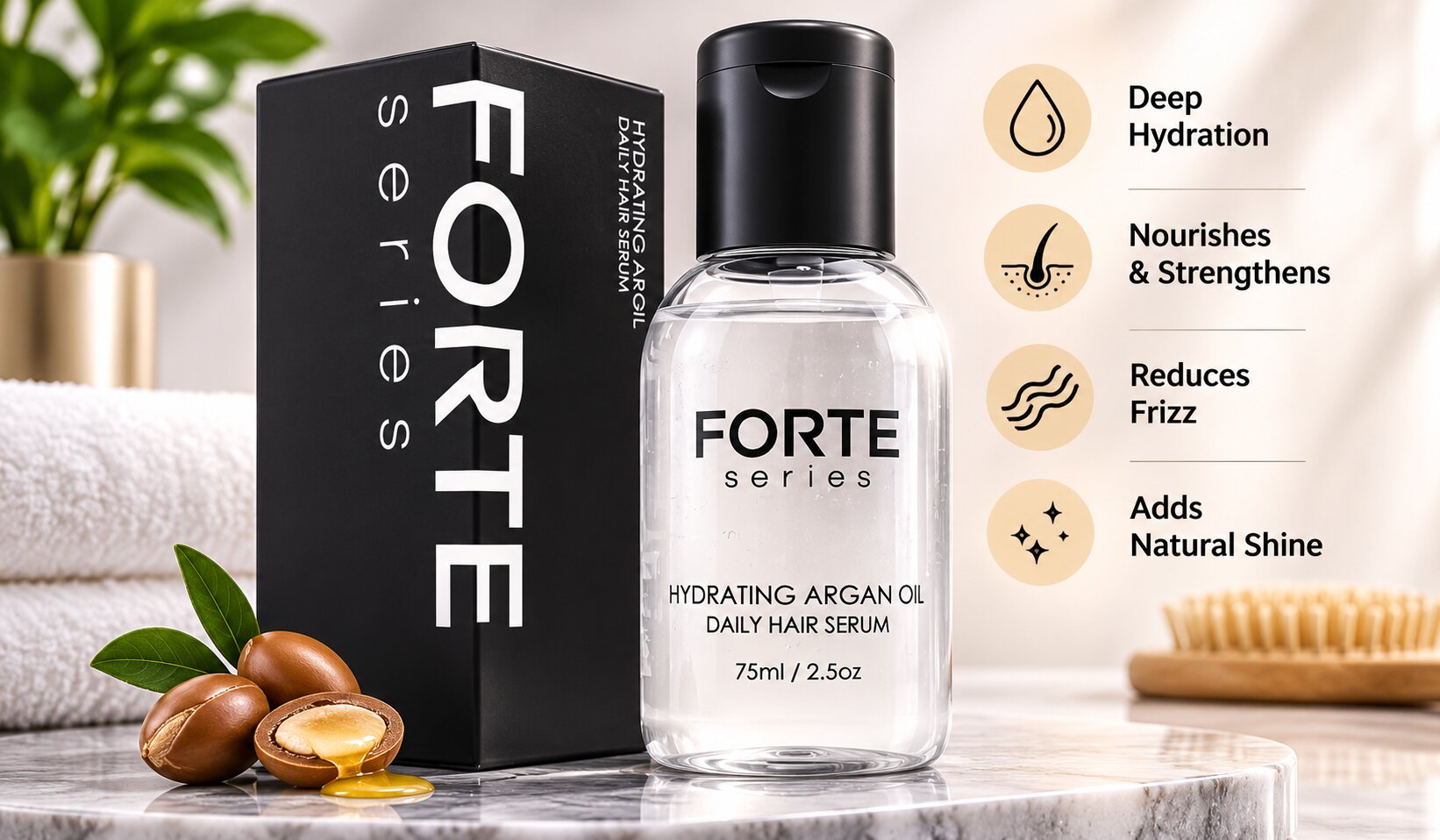
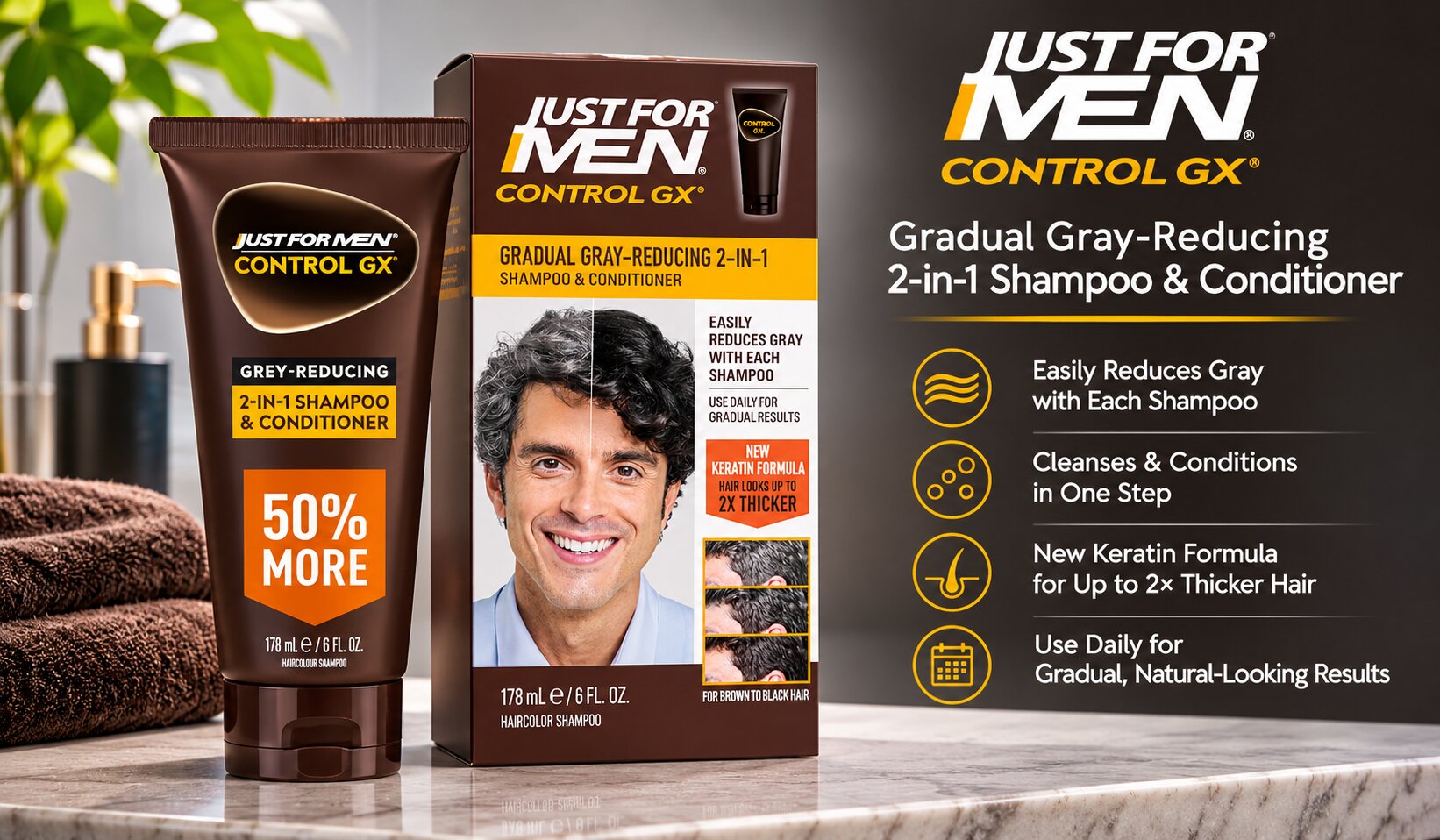
Keep the jobs separate: conditioner does not clean the scalp, and styling products are not a substitute for shampoo. Use each for what it is made to do.
Hair shedding is common, but noticeable or persistent hair loss can have several causes. Genetics, age, hormonal changes, illness, nutritional deficiencies, stress, and certain medications can all play a role. If you also have persistent dandruff, look for an anti-dandruff shampoo with an active ingredient such as ketoconazole where available, and follow its label. Ongoing, severe or painful scalp symptoms deserve a clinician or dermatologist assessment.
If your hair is thinning, resist the urge to buy several ‘hair fall’ products at once. First look at the pattern and how long it has been happening; the cause determines what may help.
- Avoid hairstyles that pull tightly on the hair.
- Limit excessive heat styling.
- Handle wet hair gently.
- Use shampoo suited to your scalp.
- Avoid aggressive brushing or scratching.
- Maintain a balanced diet with adequate protein and nutrients.
- Seek medical advice if hair loss is sudden, patchy, persistent, or accompanied by scalp symptoms.
A conditioner may improve how hair feels and looks, but it should not be assumed to treat the underlying cause of hair loss. Products marketed for thinning hair also vary in their evidence and purpose.
If you are concerned about progressive hair loss, a dermatologist can assess the pattern and discuss suitable treatments.
Beard care depends mostly on the length you keep. Stubble needs regular edging; a longer beard needs more attention to washing, combing, and keeping the skin underneath comfortable.
Clean regularly: Wash your beard to remove sweat, oil, and food residue. Use a product suitable for facial hair and skin.
Trim consistently: Use a trimmer to maintain the desired length and keep the neckline and cheek lines tidy.
Condition when needed: Longer or coarse beards may feel softer with a suitable beard conditioner or oil.
Comb carefully: A beard comb can help remove tangles and distribute natural oils.
Look after the skin underneath: Dryness and irritation can occur beneath facial hair. Clean the skin and avoid applying too much product.
| Product | Best for | Key specification | Honest limitation |
|---|---|---|---|
| Jack Black Beard Oil | softening a coarse or dry-feeling beard. | beard-conditioning oil. | it conditions hair and skin but does not prove or guarantee faster beard growth. |
| MANSCAPED The Beard Hedger | maintaining beard length and edges at home. | adjustable beard and mustache trimmer. | it is an electric trimmer, not a close-shave razor. |
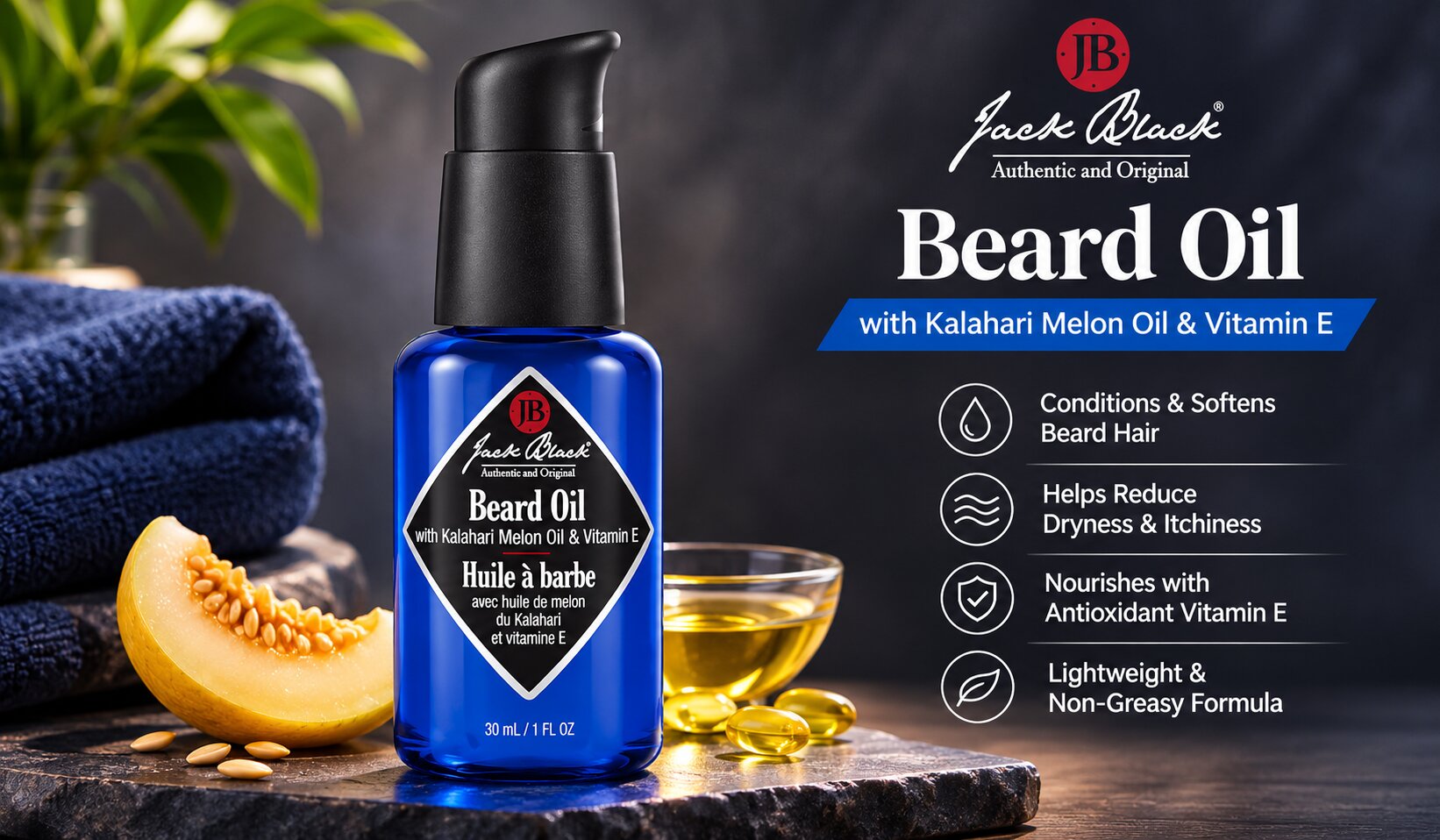
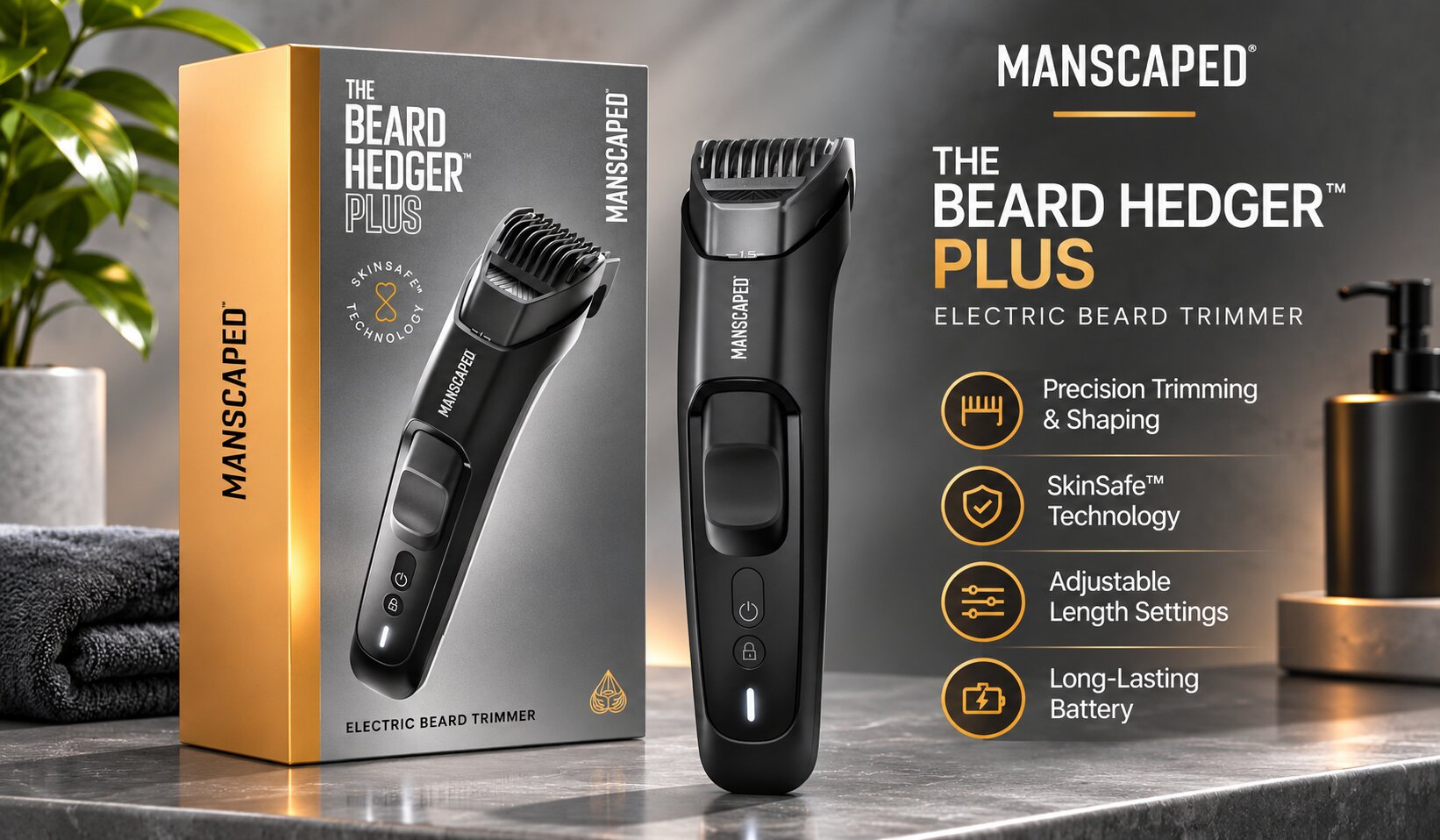
Beard oil can make coarse hair feel softer and help with dryness. It will not make a patchy beard grow faster or fill in thin areas.
A better shave usually comes down to preparation, a clean blade, and not rushing through the same area again and again.
- Wet the skin and facial hair with warm water.
- Apply a suitable shaving cream or gel.
- Use a clean, sharp razor.
- Shave in the direction of hair growth when possible.
- Avoid repeatedly passing the razor over the same area.
- Rinse the blade regularly.
- Rinse your face and apply a gentle moisturizer afterward.
If you have sensitive skin, avoid heavily fragranced aftershaves or products that cause burning.
Razor bumps can develop when shaved hairs curl back into the skin or when shaving causes irritation. They are more common in some hair types and shaving patterns.
To reduce the chance of razor bumps:
- Avoid shaving too closely.
- Shave in the direction of hair growth.
- Do not stretch the skin while shaving.
- Use a sharp, clean blade.
- Avoid repeated strokes over the same area.
- Consider an electric trimmer if close shaving repeatedly causes irritation.
- Avoid picking or squeezing bumps.
If bumps are painful, infected-looking, or persistent, seek advice from a healthcare professional.
Body hair removal is a personal choice. If you trim or shave body hair, use a tool designed for the intended area and follow the manufacturer’s safety instructions.
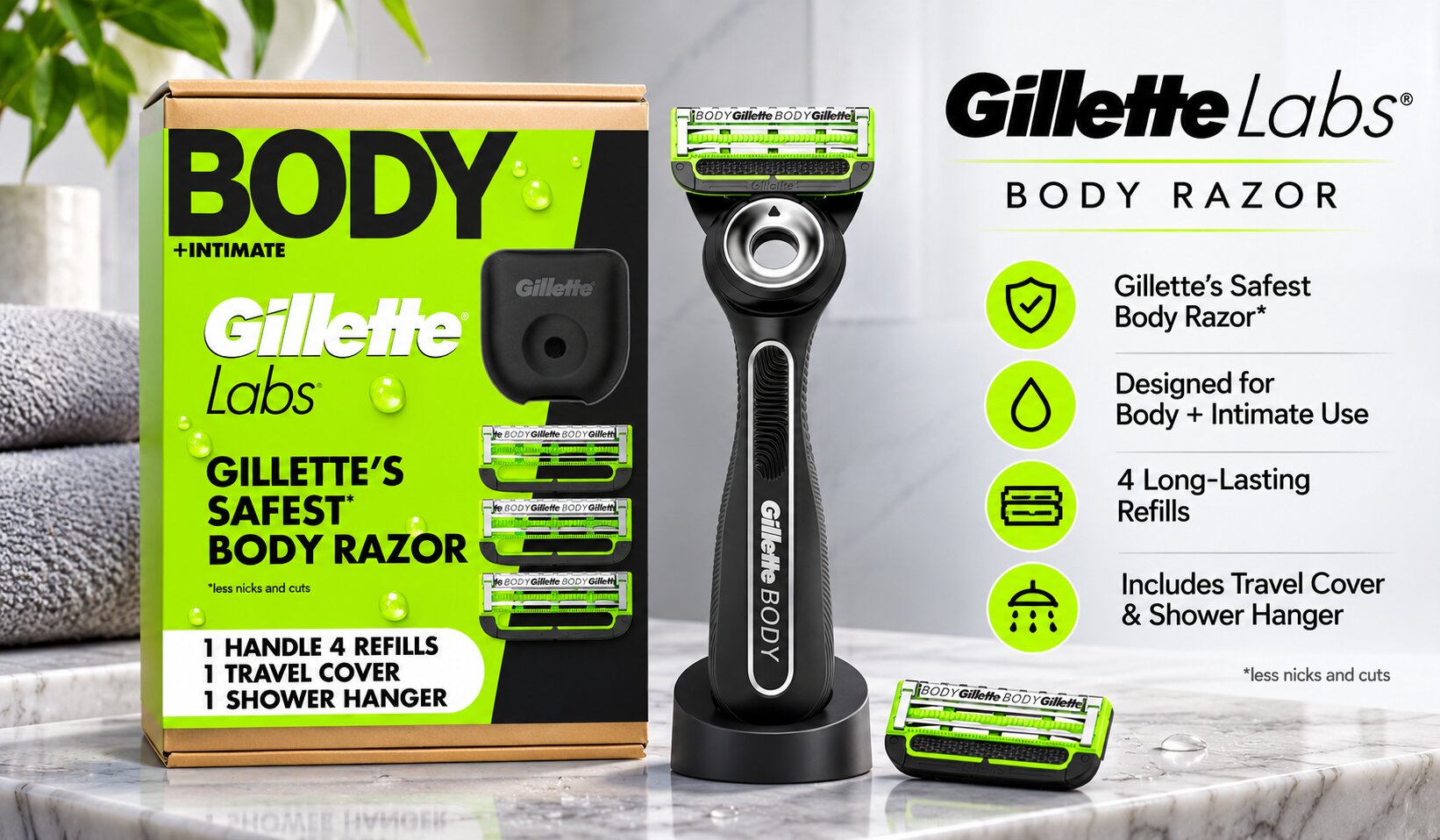
The Gillette Labs Body and Intimate Razor is designed for body and intimate grooming. For facial shaving, choose a razor designed for the face. Keep personal grooming tools clean and do not share them.
Men’s personal hygiene includes regular bathing, clean clothing, underarm care, nail maintenance, and basic skin care across the body.
Foot care belongs in a basic hygiene routine: wash feet, dry carefully between the toes, change damp socks, and keep toenails trimmed straight across. Persistent itching, cracking, odor or skin changes may need advice from a pharmacist or clinician.
Choose a body wash that cleans without leaving your skin uncomfortably dry. If you have sensitive skin, a gentler formula may be preferable.
Suggested body wash options:
| Product | Best for | Key specification | Honest limitation |
|---|---|---|---|
| Jack Black Body Cleanser | a dedicated body-wash step. | body cleanser. | a premium body wash is optional; a basic gentle cleanser may be enough. |
| Salt & Stone Body Wash | readers who prioritize scent and a more sensory shower product. | body wash. | fragrance may not suit sensitive or reactive skin. |
| Geologie Moab Superclean Body Wash | a fragranced daily body-wash option. | body wash. | choose a fragrance-free alternative if scented products irritate your skin. |
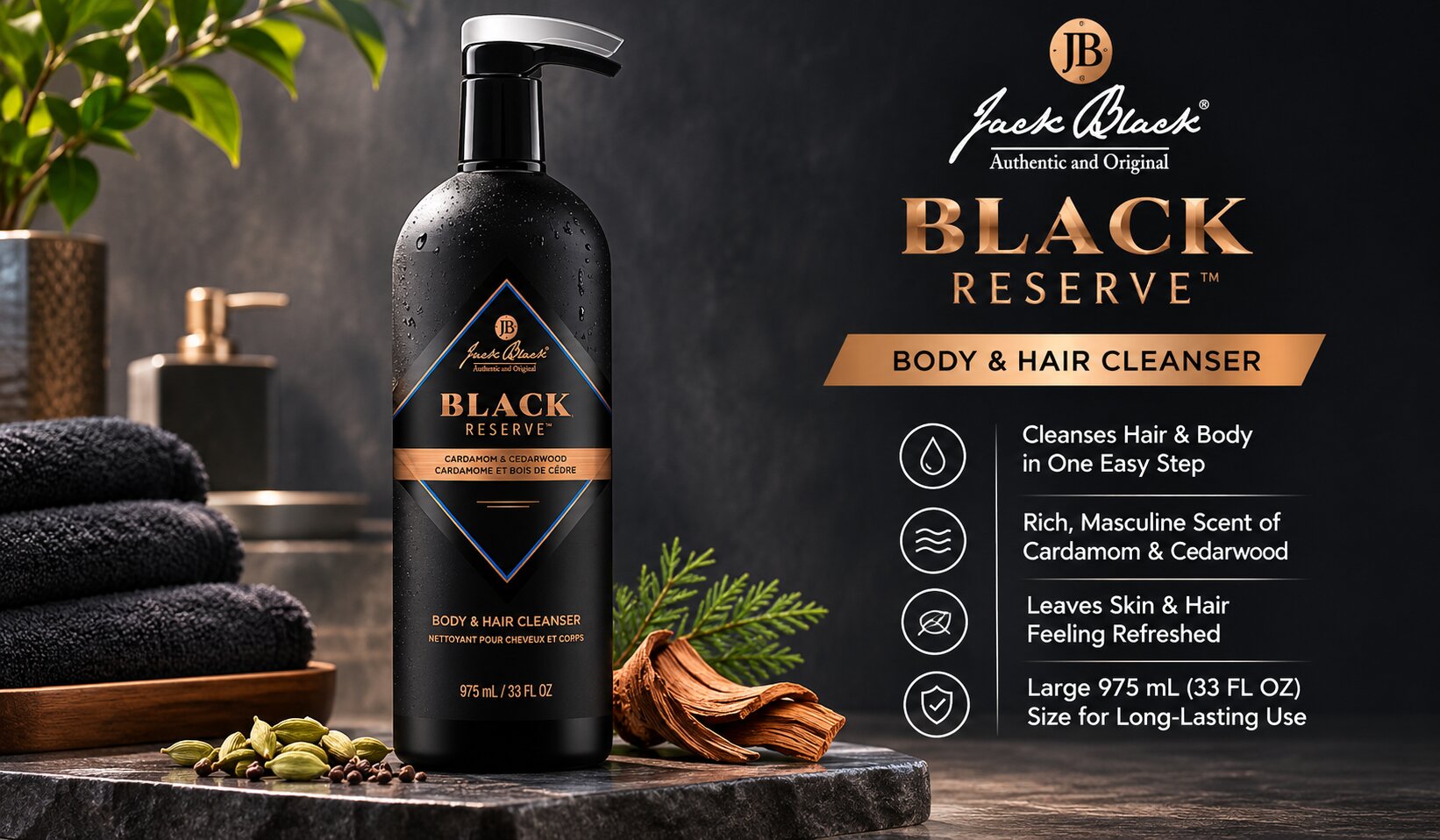
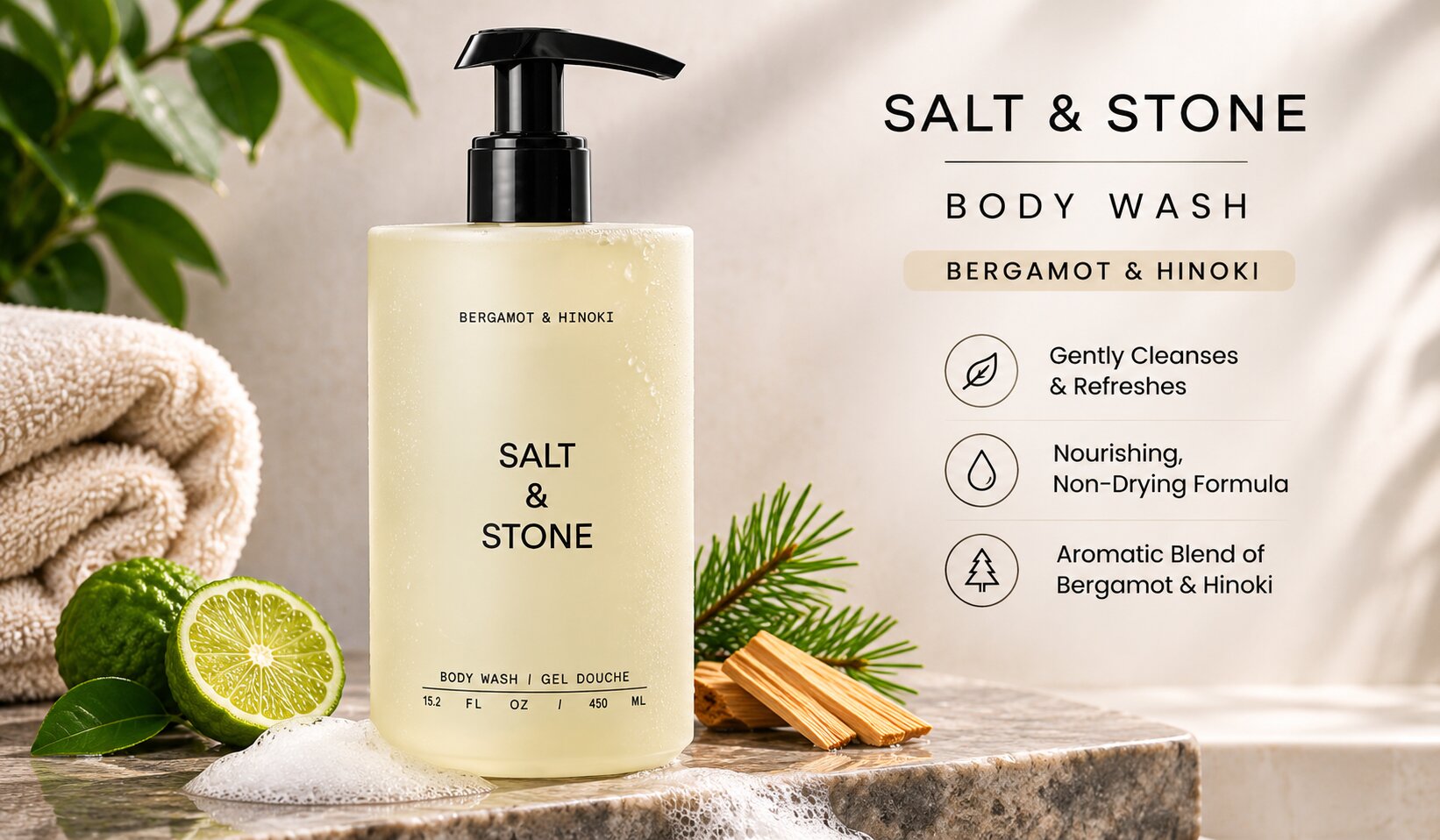
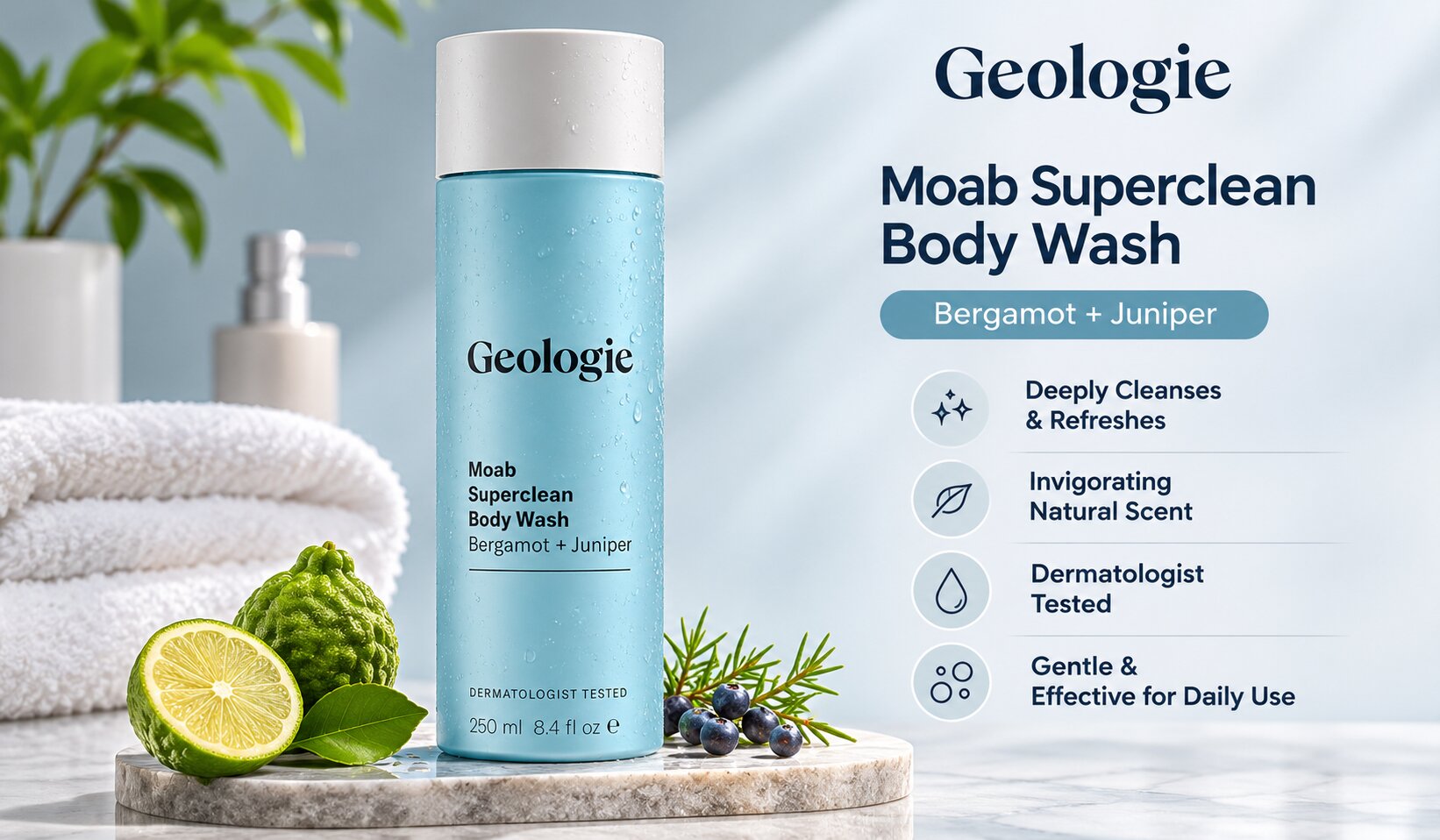
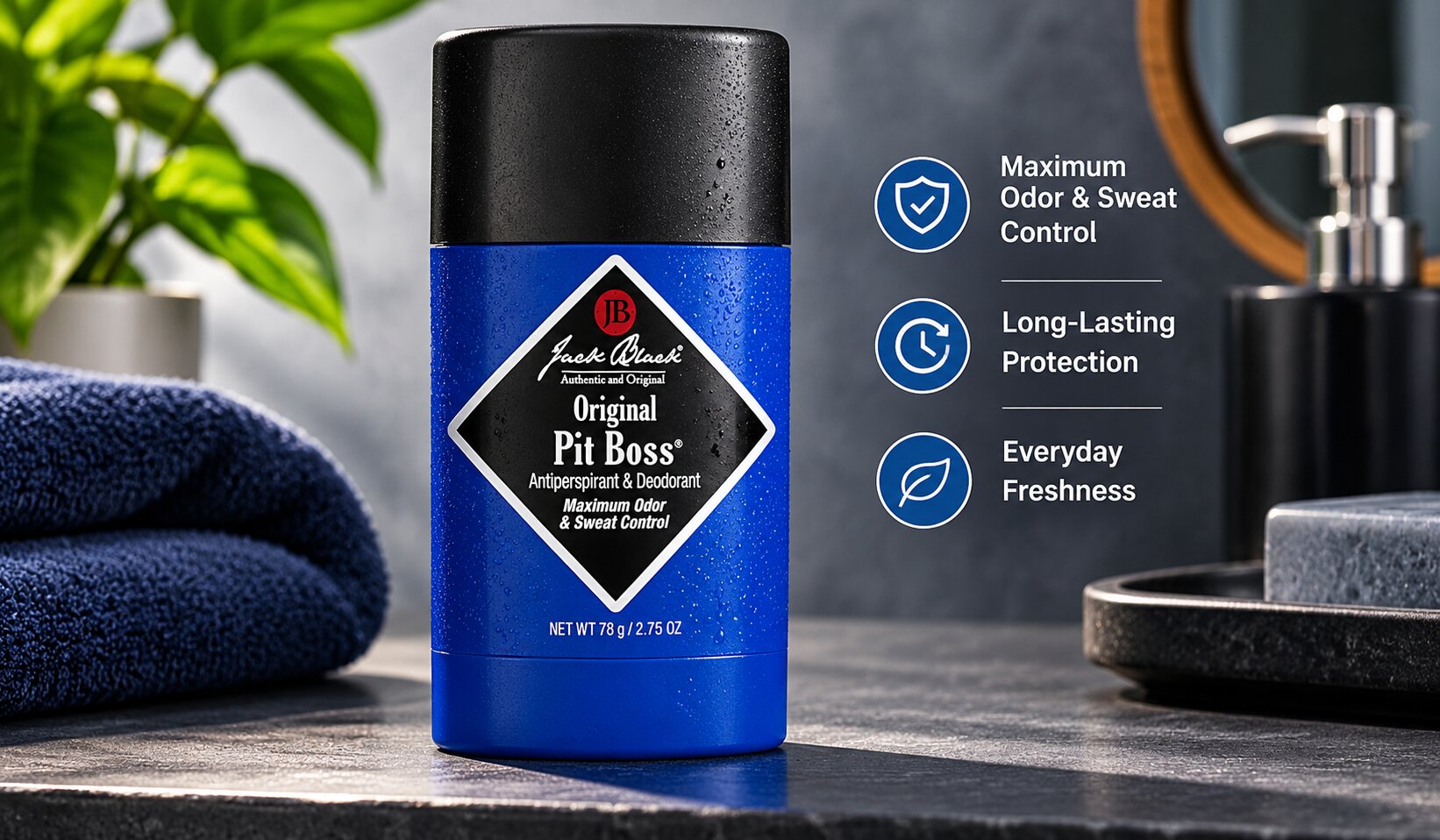
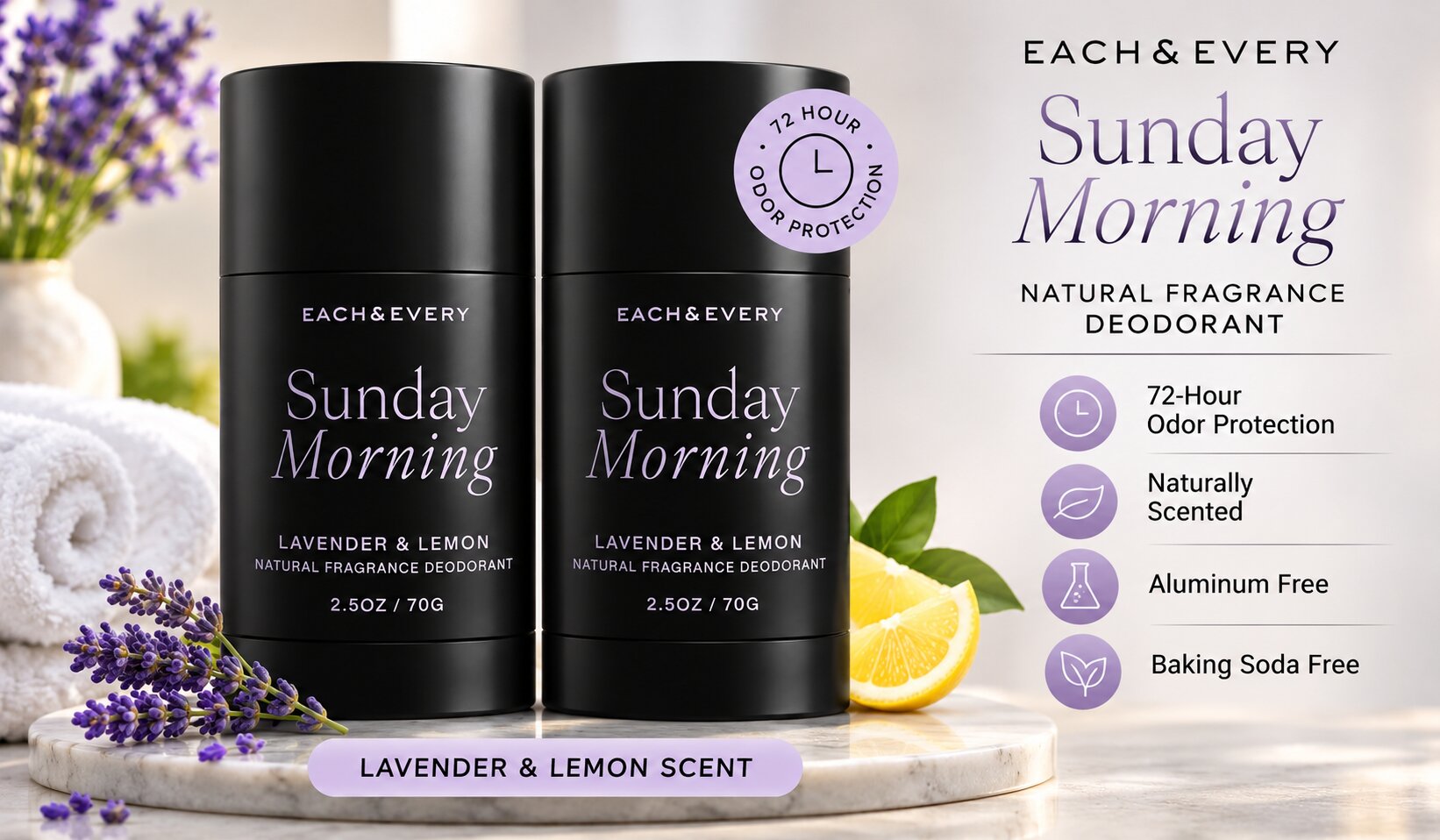
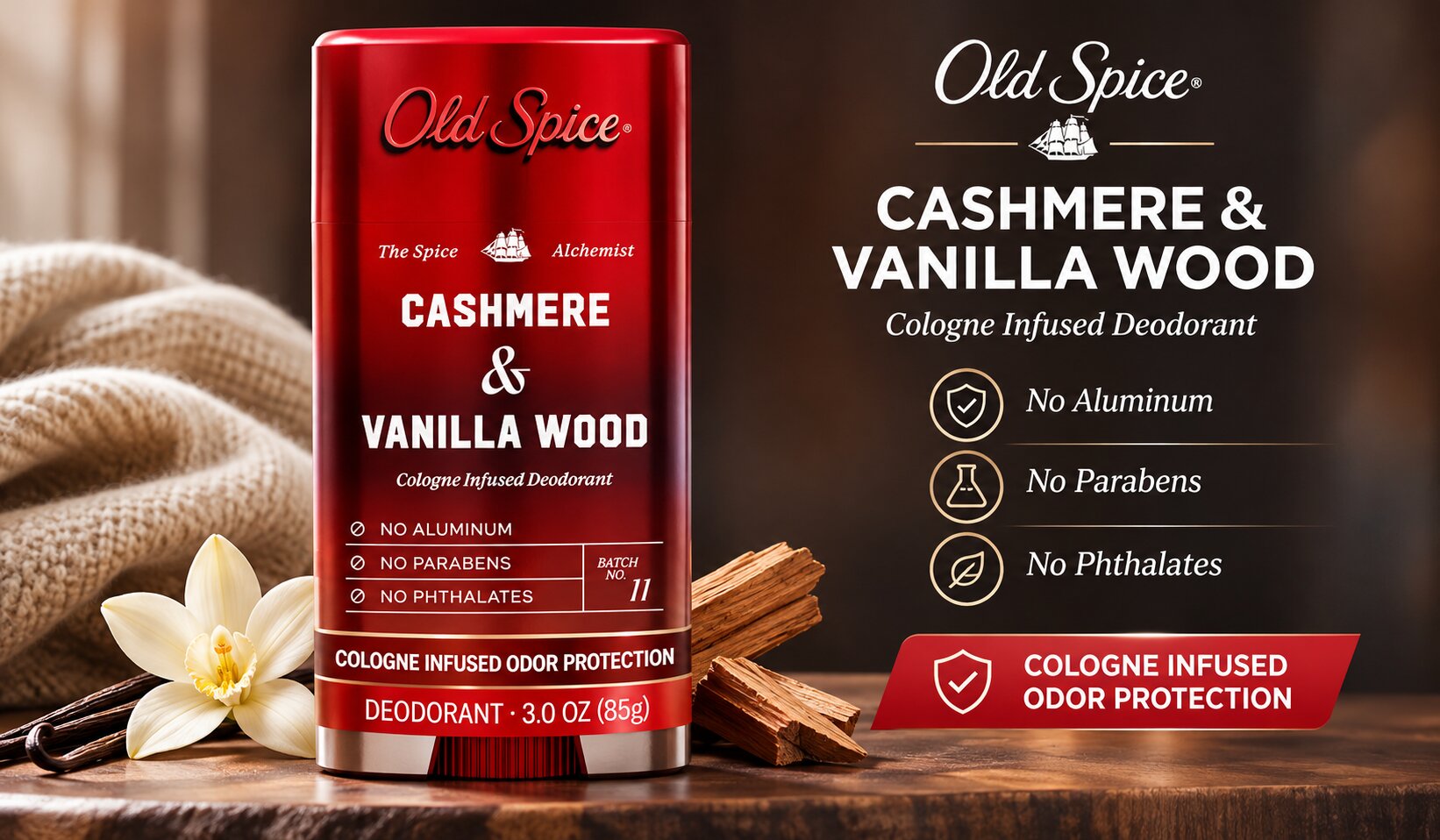
These products serve different purposes.
- Deodorant helps control or mask body odor.
- Antiperspirant is designed to reduce sweating, commonly using aluminum-based active ingredients.
An aluminum-free deodorant should not automatically be treated as an antiperspirant.
Product options include:
| Product | Best for | Key specification | Honest limitation |
|---|---|---|---|
| Each & Every Aluminum-Free Deodorant | odor control for people who prefer an aluminum-free deodorant. | deodorant, not an antiperspirant. | it is not designed to reduce sweating. |
| Old Spice Deodorant | people who want the listed Cashmere + Vanilla Wood scent | aluminum-free deodorant; confirm the variant on the package | This version is a deodorant, not an antiperspirant, so it is not intended to reduce sweating. |
| Jack Black Pit Boss | underarm odor control; check the current package classification | underarm product; verify whether the exact version is a deodorant or antiperspirant | Do not assume it reduces sweat unless the package identifies it as an antiperspirant. |
Apply products according to their directions. If a product causes irritation, stop using it and consider a different formula.
A small set of reliable tools is usually enough. Buy for the jobs you actually do: trimming nails, shaping a beard, or removing body hair. A large kit is wasted money if most pieces stay in the drawer.
Useful tools include:
- Nail clippers
- A nail file
- Beard or mustache trimmer
- Hair comb
- Beard comb
- Razor or electric shaver
- Clean towels
- A grooming pouch for travel
Trim fingernails regularly and avoid cutting too close to the skin. Clean underneath the nails gently. File rough edges to reduce snagging.
Toenails should generally be trimmed straight across rather than cutting deeply into the corners.
Suggested nail-care products:
| Product | Best for | Key specification | Honest limitation |
|---|---|---|---|
| Stainless Steel Nail Clipper Set | basic nail trimming at home. | stainless-steel nail clipper set | compare the included tools and finish in the current listing; sets can differ in size and contents. |
| Manicure and Nail Clipper Set | a multi-tool nail-care kit. | manicure/nail clipper set. | check the current listing for the exact tool count and included pieces. |
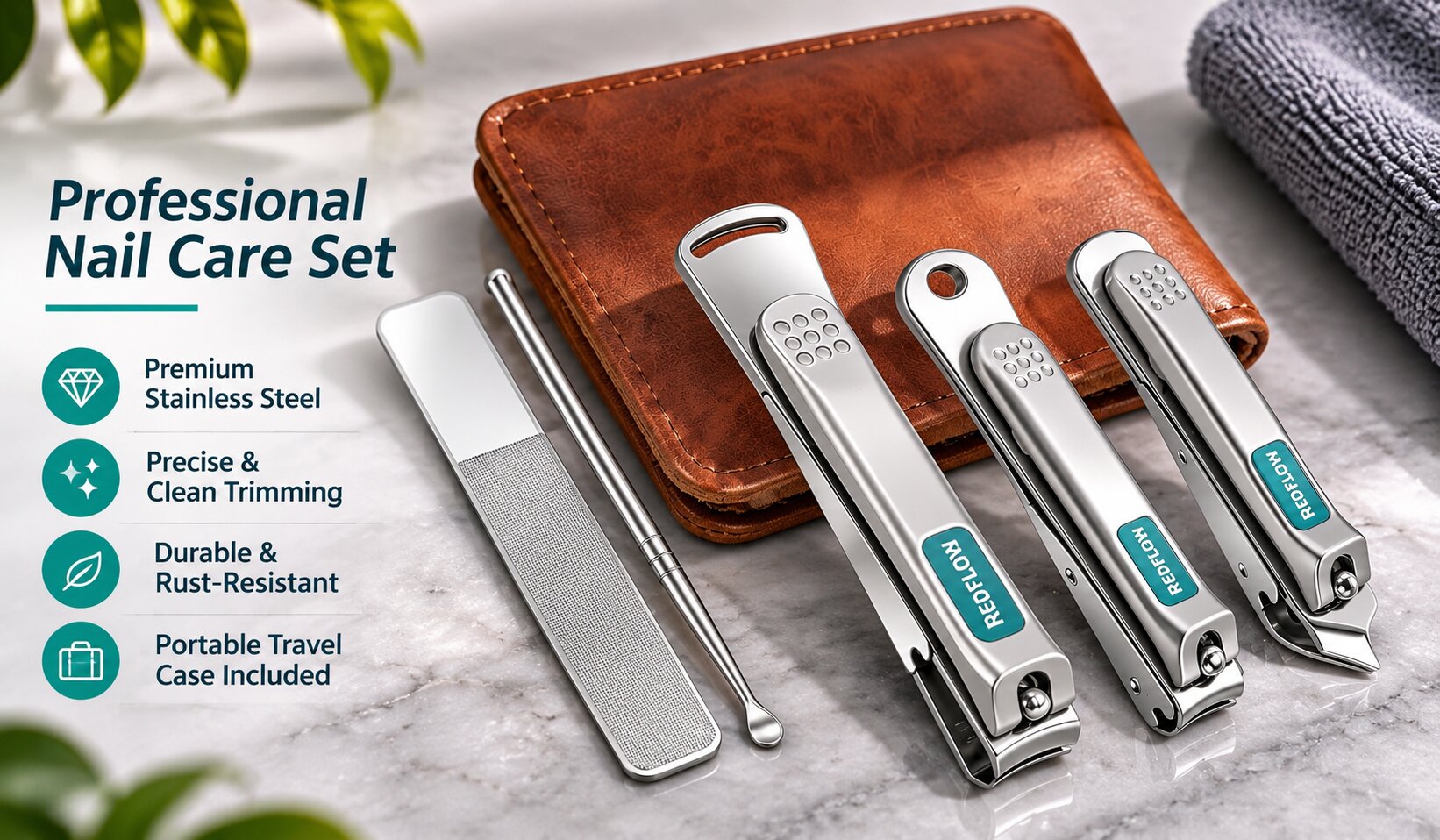
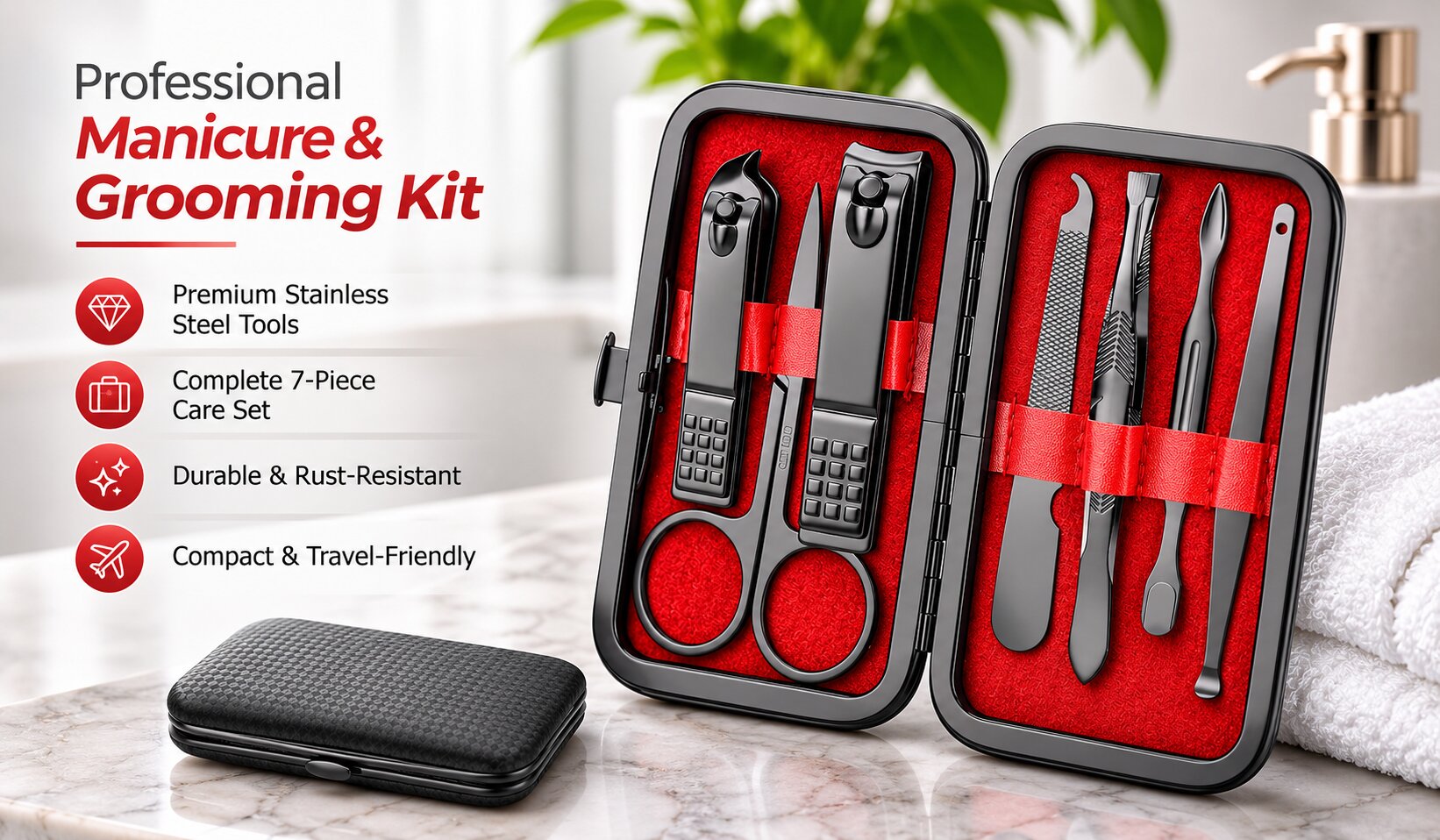
Clean grooming tools after use and avoid sharing items that may come into contact with broken skin.
Choose fragrance by smell first, not by hype or price. A scent that works in a cool shop may feel heavy in hot weather, and the same fragrance can perform differently on different people.
Two common fragrance labels are Eau de Toilette (EDT) and Eau de Parfum (EDP).
Eau de Toilette (EDT): Often has a lighter fragrance concentration than EDP. It may suit everyday use, although performance varies by formula.
Eau de Parfum (EDP): Often has a higher fragrance concentration and may feel richer or last longer. Actual performance depends on the individual fragrance.
Concentration alone does not guarantee longevity. Ingredients, application, skin, and environmental conditions also matter.
- Apply to clean, dry skin.
- Start with a small number of sprays.
- Avoid rubbing the fragrance after application.
- Keep fragrance away from eyes and irritated skin.
- Store bottles away from direct sunlight and excessive heat.
| Product | Best for | Key specification | Honest limitation |
|---|---|---|---|
| Armani Stronger With You Intensely | people who prefer a warm, sweet, richer fragrance profile. | men’s fragrance; confirm concentration and bottle size on the listing. | scent strength and longevity vary by skin, climate and application. |
| Armaf Club de Nuit Intense Man | people considering a bold, noticeable fragrance | men’s fragrance; check the concentration and current version | Fragrance versions and performance can vary. Sample it first if you are unsure about the scent. |
| Tru Western Yellowstone Ride Cologne | readers interested in a western-themed everyday cologne. | men’s cologne spray. | fragrance preference is subjective; sample first if possible. |

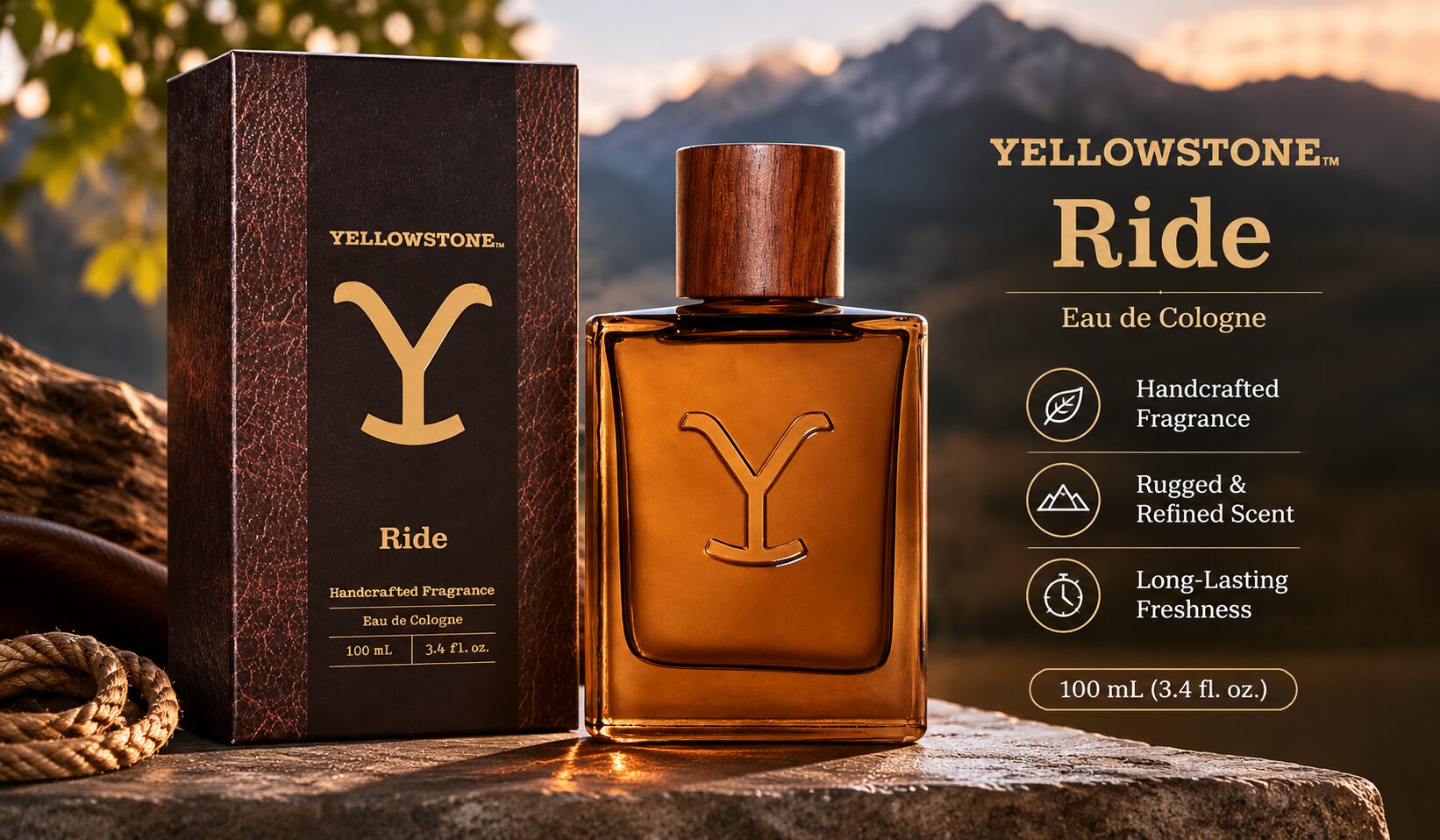
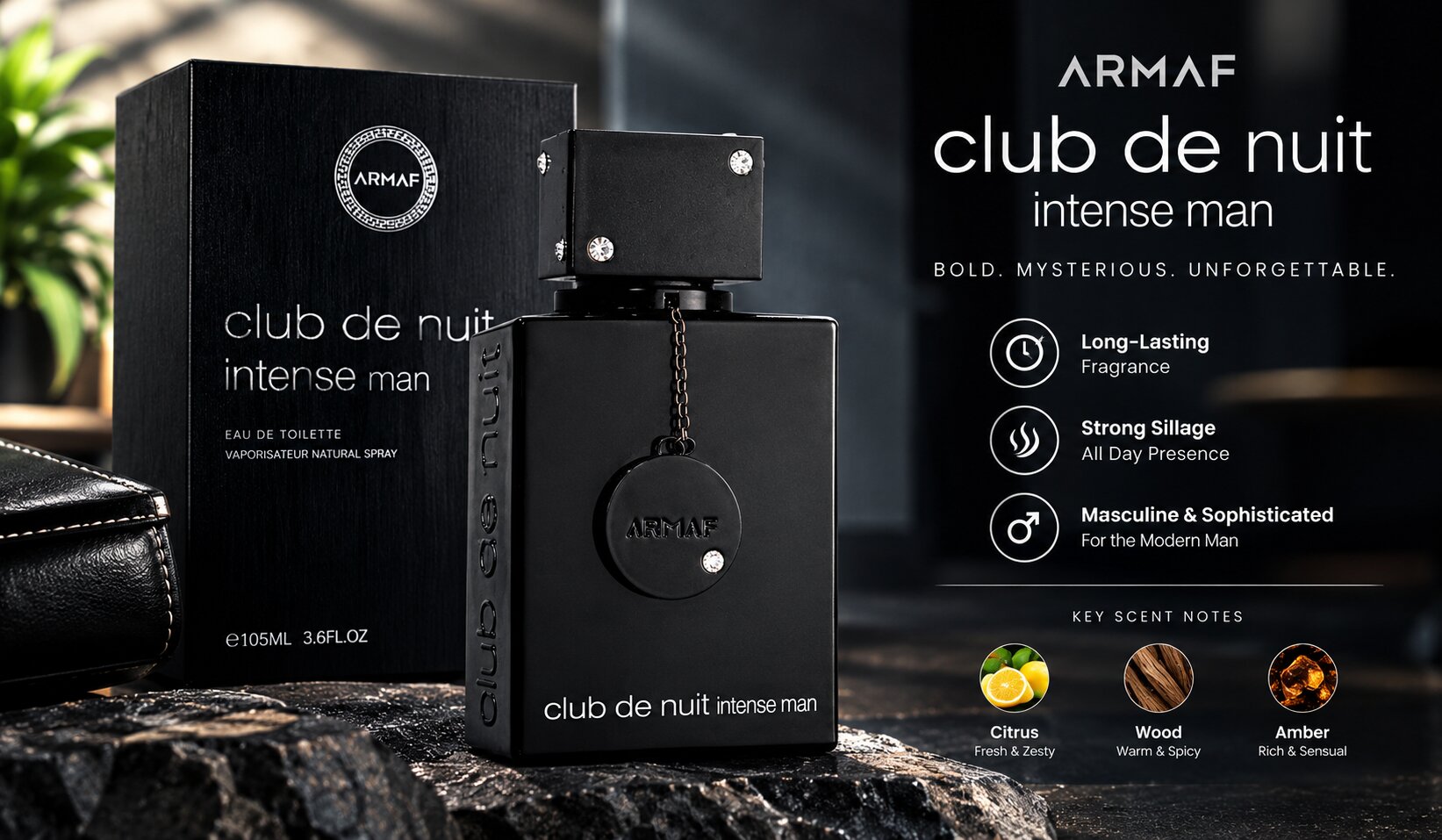
You can have a complete grooming routine without perfume. Staying clean and choosing a deodorant or antiperspirant that suits you matter more day to day.
Oral care belongs in the routine too. Brush twice a day with fluoride toothpaste, clean between your teeth, and keep up with dental checkups.
A practical routine includes:
- Brush twice a day with fluoride toothpaste.
- Clean between teeth daily using floss or another suitable interdental tool.
- Replace your toothbrush when the bristles become worn.
- Follow your dentist’s advice for specific dental concerns.
- Do not use a water flosser as a complete substitute for brushing.
| Product | Best for | Key specification | Honest limitation |
|---|---|---|---|
| Sensodyne Pronamel Active Shield Toothpaste | people choosing a toothpaste marketed for enamel protection. | toothpaste; check the current fluoride and active-ingredient panel. | it does not replace brushing technique, interdental cleaning or dental checkups. |
| HUACO CARE H3 Plus 2-in-1 Oral Clean Kit | people who want an electric toothbrush and water-flosser combination in one device. | toothbrush + water flosser combo. | it still requires suitable toothpaste and does not replace regular dental care. |
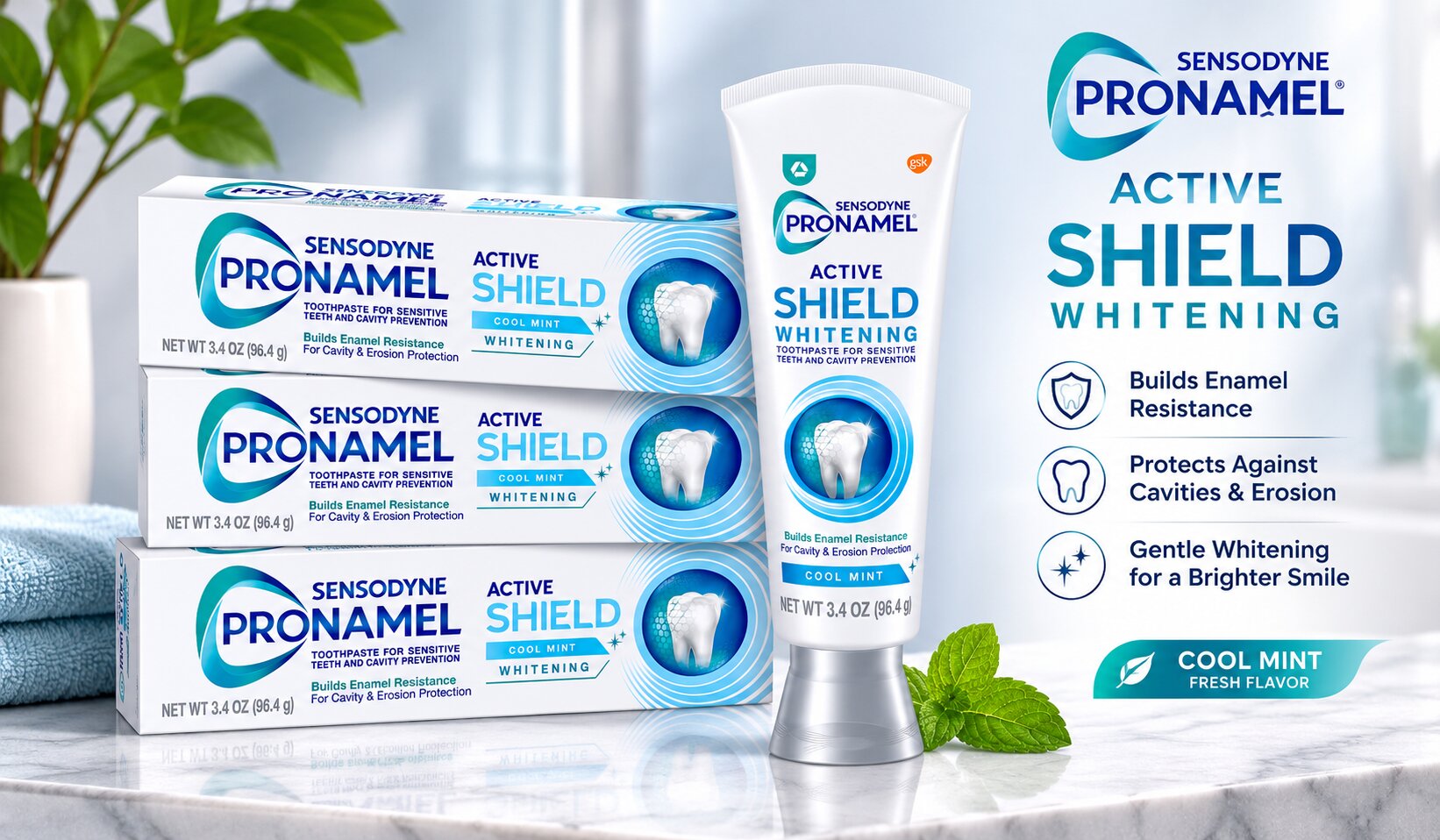
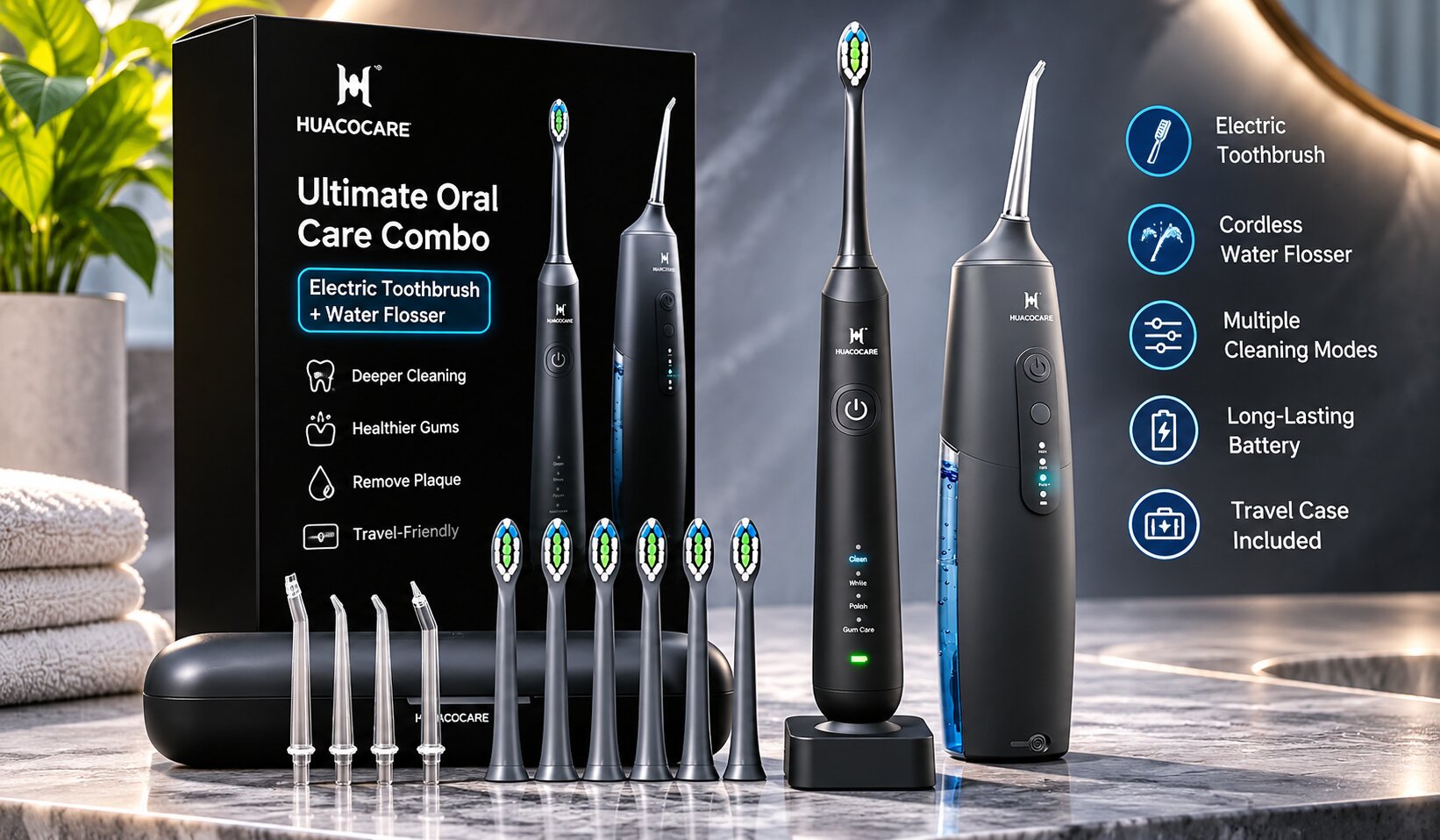
If you experience persistent tooth sensitivity, bleeding gums, or pain, speak with a dentist rather than relying on a grooming product alone.
In hot, humid weather, sweat and friction can become as annoying as oily skin. Choose a lighter moisturizer if a rich cream feels sticky, change out of damp clothes after exercise, and dry carefully between your toes and in skin folds. Wash workout clothes and towels regularly. If a rash keeps spreading or does not settle, get it checked rather than guessing at the cause.
Consider these habits:
- Cleanse your face after heavy sweating.
- Use a lightweight moisturizer if richer products feel uncomfortable.
- Apply sunscreen to exposed skin.
- Wash your scalp when it becomes oily or sweaty.
- Change out of damp clothing.
- Keep your beard and mustache clean.
- Choose a deodorant or antiperspirant according to your needs.
- Avoid applying too much fragrance in hot weather.
Do not over-wash your face or use harsh scrubs to remove oil. Excessive cleansing can irritate the skin.
Many hairstyles can work with an oval face. You may consider a textured crop, side part, or medium-length style.
Some men prefer hairstyles with more height or structure on top. A shorter beard with defined lines may create a different visual balance.
A square face often has a strong jawline. Textured hairstyles, fades, and neatly maintained facial hair are options to consider.
A little width around the jaw can balance a broader forehead. A textured style with some volume at the sides can work well; for facial hair, a short, neatly shaped beard can add definition around the chin.
Medium-length styles with some volume at the sides may help create visual balance. Avoid choosing a style only because it is currently popular.
- Short stubble is relatively easy to maintain.
- A short boxed beard needs regular trimming and defined edges.
- A full beard requires consistent cleaning and shaping.
- A mustache needs trimming to keep the area around the mouth tidy.
Ask your barber for a style that works with your natural hair growth and the amount of maintenance you are willing to do.
Your grooming budget is mostly about priorities. A cleanser and sunscreen you use every day are usually better buys than a premium serum that sits unopened. Prices also vary by country, retailer, and product size.
| Budget level | Start with | Add when needed | Buying priority |
|---|---|---|---|
| Budget | CeraVe Hydrating Facial Cleanser; CeraVe Moisturizing Lotion; a basic SPF 30+ broad-spectrum sunscreen; a basic shampoo and body wash | One deodorant or antiperspirant, nail clipper and fluoride toothpaste | Spend first on cleanser, moisturizer, sunscreen and oral care. |
| Mid-range | Choose one suitable cleanser, moisturizer and sunscreen; consider a dedicated beard trimmer or conditioner | One targeted serum or beard oil if it solves a specific need | Pay for a feature you will use, such as adjustable trim lengths or a formula your skin tolerates. |
| Premium | Consider premium fragrance, specialist hair styling or a higher-end grooming tool | Optional exfoliant, serum or fragrance for personal preference | Premium pricing does not guarantee better results; compare ingredients, purpose, warranty and refill cost. |
The table below groups purchases by spending approach rather than fixed dollar amounts. A product may cost more or less depending on where you live and which size you buy.
Focus on basic needs first:
- One suitable facial cleanser
- One moisturizer
- One sunscreen
- One shampoo
- One body wash
- One deodorant
- Basic nail clippers
You can build a complete everyday routine without buying specialist serums, premium fragrances, or multiple styling products.
If your budget allows, consider adding:
- A targeted facial serum
- A suitable conditioner
- A beard oil or beard conditioner
- A better-quality trimmer
- A fragrance for regular use
- A specialist sunscreen or skincare treatment
Choose products based on actual needs rather than buying a full collection.
Premium grooming may include higher-priced skincare, fragrance, electric grooming tools, or specialist hair products.
Before spending more, compare the formula, size, ingredients, functionality, replacement costs, and user needs. A premium product is worthwhile only if it offers something you value.
A routine only works if you can stick to it. This simple plan covers the essentials without turning your morning and evening into a long checklist.
- Cleanse your face.
- Apply a suitable moisturizer.
- Use broad-spectrum sunscreen.
- Style your hair if needed.
- Apply deodorant or antiperspirant.
- Brush your teeth.
- Apply fragrance if you want to.
- Cleanse your face.
- Remove sweat and dirt from your body.
- Apply moisturizer.
- Use any targeted skincare product according to its instructions.
- Brush your teeth and clean between them.
- Trim facial hair as needed.
- Check and trim nails.
- Wash grooming tools.
- Clean hairbrushes and combs.
- Exfoliate only if your skin tolerates it and the product instructions support that frequency.
- Check whether any products are nearly empty or past their recommended use period.
- Review your grooming products.
- Replace worn razor blades or damaged tools.
- Check whether your routine still suits your skin and hair.
- Remove products that consistently cause irritation or do not serve a purpose.
If you are starting from scratch, keep the first version of your routine short. It is easier to tell what suits your skin when you introduce products one at a time.
Start with the basics. A facial cleanser, moisturizer, sunscreen, shampoo, body wash, and deodorant cover many everyday needs.
Understand your skin type. Do not choose skincare only because a product is popular or marketed for men.
Avoid changing everything at once. Introduce one new skincare product at a time so you can notice irritation or other reactions.
Learn proper shaving technique. Preparing the skin and avoiding repeated razor strokes can reduce irritation.
Keep your tools clean. Dirty grooming tools can transfer residue and may irritate the skin.
Choose a manageable hairstyle. Consider how much time you want to spend styling your hair each day.
Do not overspend. Buy products that solve a specific problem. You can add more items as your needs become clearer.
A few common habits can undo the good work of an otherwise sensible routine.
Facial skin may respond differently to body cleansers. Use a facial cleanser suited to your skin.
Daily sun exposure can affect skin over time. Use broad-spectrum sunscreen during daytime and follow the product’s reapplication instructions. See the AAD sunscreen application guidance for application and reapplication advice.
Frequent scrubbing or using multiple exfoliating products can cause dryness and irritation. Follow product directions and adjust according to your skin’s tolerance.
Excessive styling product can make hair feel heavy and may contribute to buildup. Start with a small amount.
Shaving against hair growth may produce a closer result for some people, but it can also increase irritation and razor bumps. Consider shaving with the grain if you experience repeated problems.
Deodorant targets odor, while antiperspirant reduces sweating. Choose according to what you need.
A conditioner, exfoliant, serum, and cleanser are not interchangeable. Read the product label and understand its intended use before adding it to your routine.
Cosmetic products may improve appearance or comfort, but they do not necessarily treat hair loss, persistent acne, or scalp disease. Seek professional advice when symptoms continue.
A basic routine includes facial cleansing, moisturizing, daytime sunscreen, regular hair washing, beard or shaving maintenance, body hygiene, and oral care. Add specialist products only when needed.
The main essentials are a facial cleanser, moisturizer, sunscreen, shampoo, body wash, deodorant or antiperspirant, toothbrush, toothpaste, and basic nail-care tools.
Most men can cleanse their face in the morning and evening, and after heavy sweating when necessary. The ideal frequency depends on skin type and the cleanser being used.
Broad-spectrum sunscreen with SPF 30 or higher is recommended for exposed skin during daytime. Follow the product directions and reapply when necessary. See the AAD sunscreen application guidance for application and reapplication advice.
Use a gentle cleanser, a lightweight moisturizer, and a suitable sunscreen. Avoid harsh scrubbing or excessive washing to control oil.
There is no single schedule for everyone. Hair texture, scalp oiliness, exercise, and product buildup determine how frequently you may need shampoo.
Beard oil can improve the feel and manageability of facial hair, but it does not guarantee faster or thicker growth. Beard density is influenced by factors such as genetics and hormones.
Use a clean, sharp blade, prepare the skin, shave in the direction of hair growth, avoid stretching the skin, and limit repeated strokes. Consider an electric trimmer if close shaving causes recurring irritation.
No. Deodorant helps control body odor, while antiperspirant is designed to reduce sweating. Some products combine both functions, so check the label.
Start with a cleanser, moisturizer, sunscreen, shampoo, body wash, deodorant, and basic grooming tools. Add optional products only when you have a specific need.
The routine worth keeping is the one that fits your day. Start with clean skin, sunscreen, manageable hair, basic body hygiene, and oral care. Add beard oil, styling products, exfoliants, or fragrance only if you enjoy using them or have a reason to.
Treat the product list as a set of options, not a checklist. Read the label, compare the size and ingredients, and think about how often you will use it. A few well-chosen products beat a crowded shelf.
Good grooming is less about owning the ‘right’ products and more about finding a routine you can keep doing. Start with what you need, pay attention to how your skin and hair respond, and adjust from there.
- American Academy of Dermatology: Skin care tips for men
- American Academy of Dermatology: How to apply sunscreen
- American Academy of Dermatology: Hair loss in men
- CDC: Oral health tips for adults
- NHS: How to keep your teeth clean

Shahin Shuvro covers personal care and product choices for AhemBeauty. His guides explain what products are designed to do and what readers should check before buying.