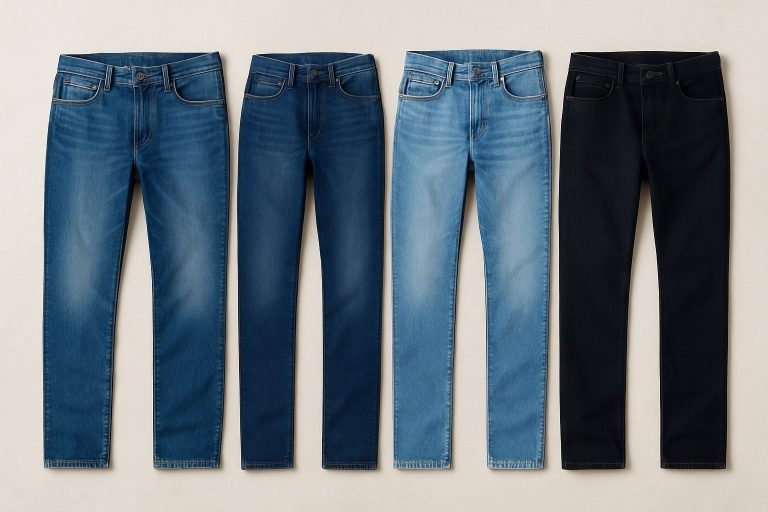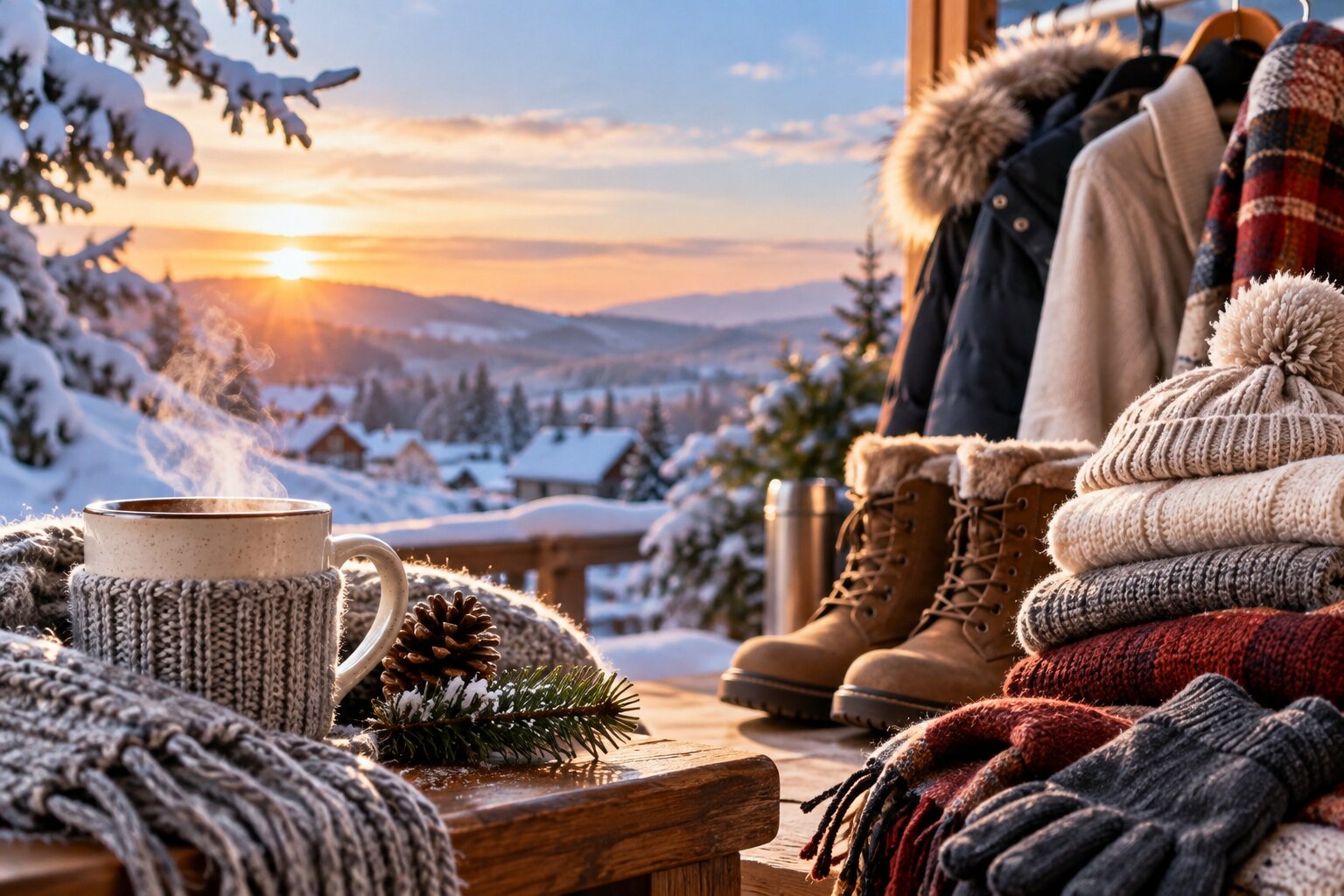
As winter approaches, the change in weather brings more than cooler mornings and shorter days. It also changes the way we dress, eat, exercise, travel, sleep and care for our health. From organising warm clothes to preparing the home for colder nights, a little planning can make the season more comfortable and enjoyable.
Winter is often associated with cosy evenings, warm drinks, layered outfits and festive gatherings. However, colder temperatures can also create challenges. Dry skin, respiratory infections, seasonal allergies, reduced physical activity and cold-related health problems become more common concerns during this time of year.
The good news is that preparing for winter does not require an expensive lifestyle overhaul. A practical wardrobe, sensible health habits, a balanced diet and a few changes to daily routines can make a meaningful difference.
Here is how to prepare for the coming winter while staying warm, healthy and stylish.
Start Your Winter Preparation Before the Temperature Drops
The best time to prepare for winter is before the cold weather becomes uncomfortable. Instead of waiting until the first particularly cold morning, begin by checking what you already have at home.
Take out jackets, sweaters, shawls, cardigans, hoodies, scarves, gloves, socks and other seasonal clothing. Check whether they are clean, dry and in good condition. Clothes that have been stored for months may need washing or airing before use.
Pay particular attention to winter essentials that are easy to overlook. Warm socks, comfortable footwear, sleepwear, inner layers and a suitable jacket are often more useful than buying several fashionable pieces that do not provide enough warmth.
It is also worth checking bedding, blankets and curtains. If you use a heater, inspect it before the season begins and follow the manufacturer’s safety instructions. Heating equipment should never be placed near curtains, bedding or other flammable materials.
A Simple Winter Preparation Checklist
This early preparation can reduce last-minute spending and help you make more thoughtful choices.
Build a Winter Wardrobe Around Layers
One of the most practical winter clothing strategies is layering. Rather than relying on one extremely thick garment, layering allows you to adjust your clothing according to the temperature, activity and indoor environment.
A useful layering system generally consists of three parts.
The base layer sits close to the skin. Its purpose is to help manage moisture and maintain comfort. Lightweight wool, silk or moisture-wicking synthetic fabrics can work well. If you are exercising or spending extended time outdoors, avoid clothing that becomes damp and stays wet against your skin.
The middle layer provides insulation. Sweaters, fleece, wool-blend tops and other insulating garments help retain body heat. The thickness you need depends on the weather and how active you are.
The outer layer protects against wind and rain. A suitable coat or jacket should help block cold air and moisture while allowing excess heat to escape. Cold-weather guidance commonly recommends an inner layer that manages moisture, an insulating middle layer and an outer layer that protects against wind and precipitation.
The key is to choose layers that fit comfortably. Clothes that are too tight can restrict movement and make layering difficult, while excessively loose garments may allow cold air to enter.

Winter Clothing Essentials for Men
A practical men’s winter wardrobe does not need to be complicated. A few versatile pieces can create several outfits for work, travel and casual occasions.
Useful Winter Clothing for Men
- Long-sleeved thermal or moisture-wicking innerwear
- Cotton or wool-blend shirts for moderate weather
- Knit sweaters and cardigans
- A well-fitted jacket or coat
- Comfortable trousers or winter-weight pants
- Warm socks
- A scarf or neck warmer
- Gloves for colder conditions
- Comfortable, weather-appropriate shoes or boots
For a smart casual look, a plain shirt under a fine-knit sweater, paired with tailored trousers and clean footwear, creates a polished appearance. For everyday wear, a hoodie or knit jumper with straight-leg trousers and a structured jacket can offer both comfort and style.
Men should also consider fit. A winter outfit can look bulky when every layer is oversized. Choosing a comfortable inner layer, a moderately relaxed middle layer and a structured outer layer usually creates a cleaner silhouette.
Winter Clothing Essentials for Women
Women’s winter fashion offers plenty of room for creativity while keeping comfort at the centre. The most useful wardrobe pieces are those that can be styled in different ways.
Practical Winter Essentials for Women
- Warm inner layers
- Knit sweaters and cardigans
- Long-sleeved tops
- Wool-blend or knitted dresses
- Trousers, jeans or winter skirts with suitable layering
- Shawls, scarves and wraps
- Coats, long jackets or quilted outerwear
- Warm tights or leggings where appropriate
- Socks and comfortable closed footwear
A knitted dress with tights, ankle boots and a long coat can create an elegant winter outfit. For a casual look, a sweater with straight-leg trousers, a scarf and a structured jacket is both practical and easy to wear.
Layering is especially useful when moving between outdoor and indoor spaces. A removable cardigan, shawl or light jacket can help maintain comfort without making the outfit feel excessively heavy.
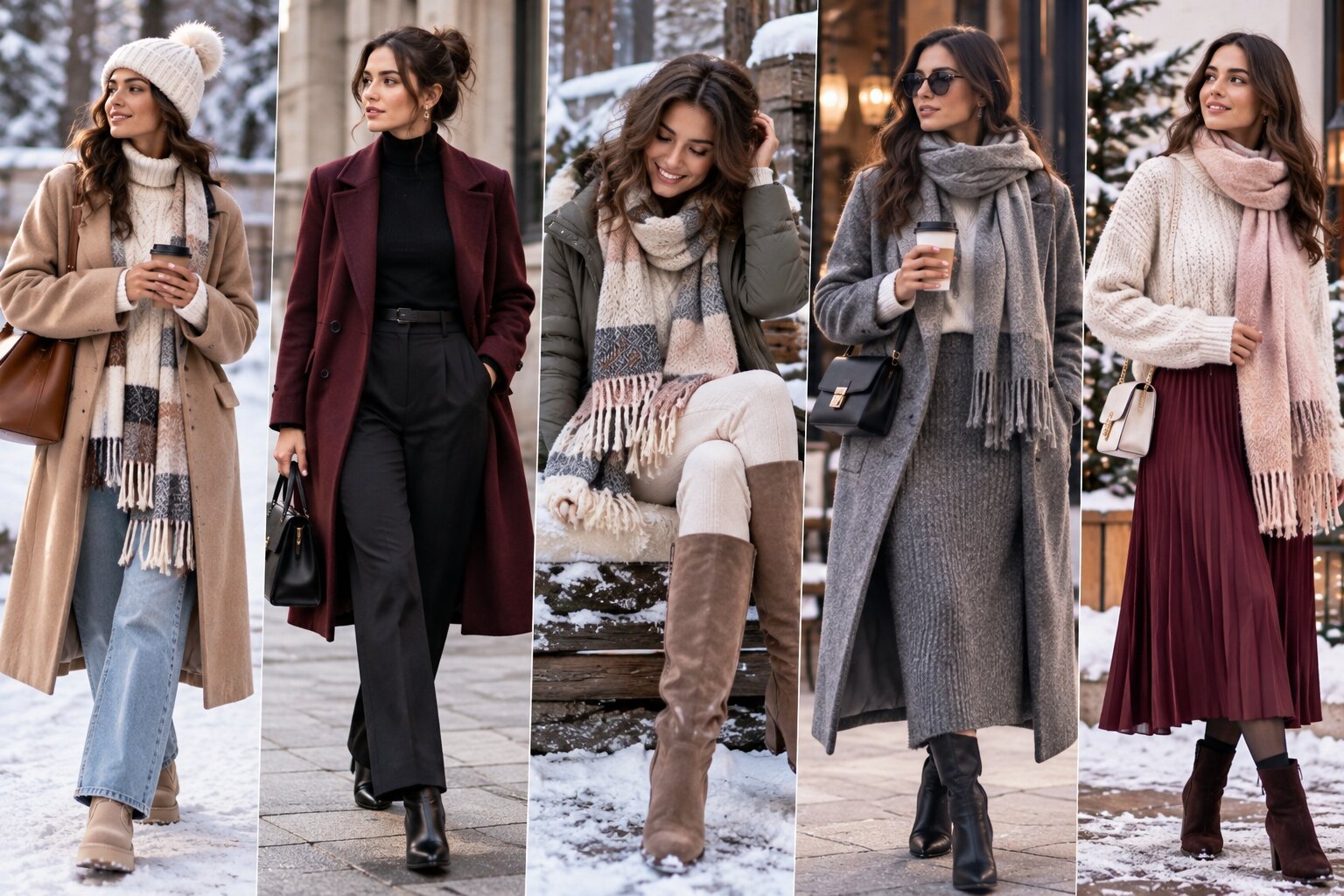
Winter Fashion: Focus on Comfort, Colour and Versatility
Winter fashion is often associated with darker shades, but there is no need to limit your wardrobe to black, grey and navy. Neutral colours remain easy to combine, while shades such as burgundy, olive, cream, rust, camel and deep blue can add seasonal character.
A useful approach is to create a small colour palette. Choose two or three neutral shades and add one or two accent colours. This makes it easier to coordinate sweaters, trousers, scarves and jackets without buying too many pieces.
Texture can also make winter outfits more interesting. Knitwear, corduroy, wool blends, quilted fabrics and soft scarves add visual depth while serving a practical purpose.
However, fashion should not compromise warmth. A stylish coat that does not protect against wind, shoes with slippery soles or gloves that leave your hands exposed may look good but fail when you need them most.
The Best Winter Fashion Choices Balance
- Warmth
- Comfort
- Fit
- Movement
- Weather protection
- Personal style
- Ease of care
For outdoor activities, clothing should be selected according to the actual weather rather than appearance alone. Waterproof or water-resistant outerwear, warm socks and footwear with good grip become especially important in wet or slippery conditions.

Protect Your Skin from Winter Dryness
Cold air, low humidity, wind and indoor heating can contribute to dry, irritated skin. The face, hands, lips and exposed areas are often affected first.
A winter skincare routine does not need to be complicated. The most important step is to use a gentle cleanser and apply a moisturiser regularly. Creams and ointments may provide more lasting moisture than lightweight lotions for very dry areas.
Simple Winter Skincare Habits
- Use lukewarm rather than very hot water
- Apply moisturiser after bathing or washing
- Use a gentle, fragrance-free cleanser if your skin is sensitive
- Keep lip balm available
- Wear gloves when spending time outdoors
- Avoid excessive scrubbing
- Continue using sunscreen during the day
Although winter sunlight may feel weaker, ultraviolet exposure does not disappear. Sunscreen remains relevant, particularly for people who spend time outdoors or travel to areas with snow, where reflected sunlight can increase exposure.
If skin becomes severely cracked, painful, inflamed or persistently itchy, consult a healthcare professional rather than relying only on cosmetic products.
Prevent Common Winter Illnesses with Everyday Habits
Cold weather itself does not automatically cause a cold or flu. Respiratory illnesses are caused by infections, and seasonal patterns are influenced by factors such as increased indoor contact and the circulation of viruses. Cold conditions may contribute to circumstances that make transmission easier, but simply being outside in cold air does not mean you will become ill.
Common winter health concerns may include:
- Common cold
- Influenza
- Other respiratory infections
- Asthma flare-ups in some individuals
- Dry skin and eczema irritation
- Seasonal allergies
- Cold-related injuries in extreme conditions
Several basic habits can reduce the risk of illness.
Wash Your Hands Regularly
Handwashing with soap and water remains one of the simplest ways to reduce the spread of many infections. Wash your hands before eating, after using public transport, after coughing or sneezing, and after returning home from crowded places.
If soap and water are unavailable, an appropriate alcohol-based hand sanitiser can be useful.
Improve Indoor Air and Ventilation
During colder weather, people often spend more time indoors. Crowded, poorly ventilated spaces can make it easier for respiratory viruses to spread.
Where practical, improve airflow by opening windows periodically, maintaining ventilation and avoiding unnecessary crowding in poorly ventilated rooms. If you are unwell, staying home when possible and avoiding close contact with vulnerable people can help reduce transmission.
Keep Vaccinations Up to Date
Seasonal vaccination recommendations vary by country, age, health status and individual risk. Influenza vaccination is recommended for many people, particularly those at higher risk of complications. Speak with a qualified healthcare professional or consult your local health authority to determine which vaccines are appropriate for you.
Vaccines do not prevent every respiratory infection, but they can reduce the risk of certain illnesses and serious complications.
Prioritise Sleep and Recovery
Shorter days and busy schedules can disrupt sleep routines. Adults generally benefit from a consistent sleep schedule, a comfortable sleeping environment and enough time for rest.
Poor sleep can affect energy, concentration and the body’s ability to cope with everyday demands. Try to maintain a regular bedtime, reduce unnecessary screen use before sleep and keep the bedroom comfortable rather than excessively hot.
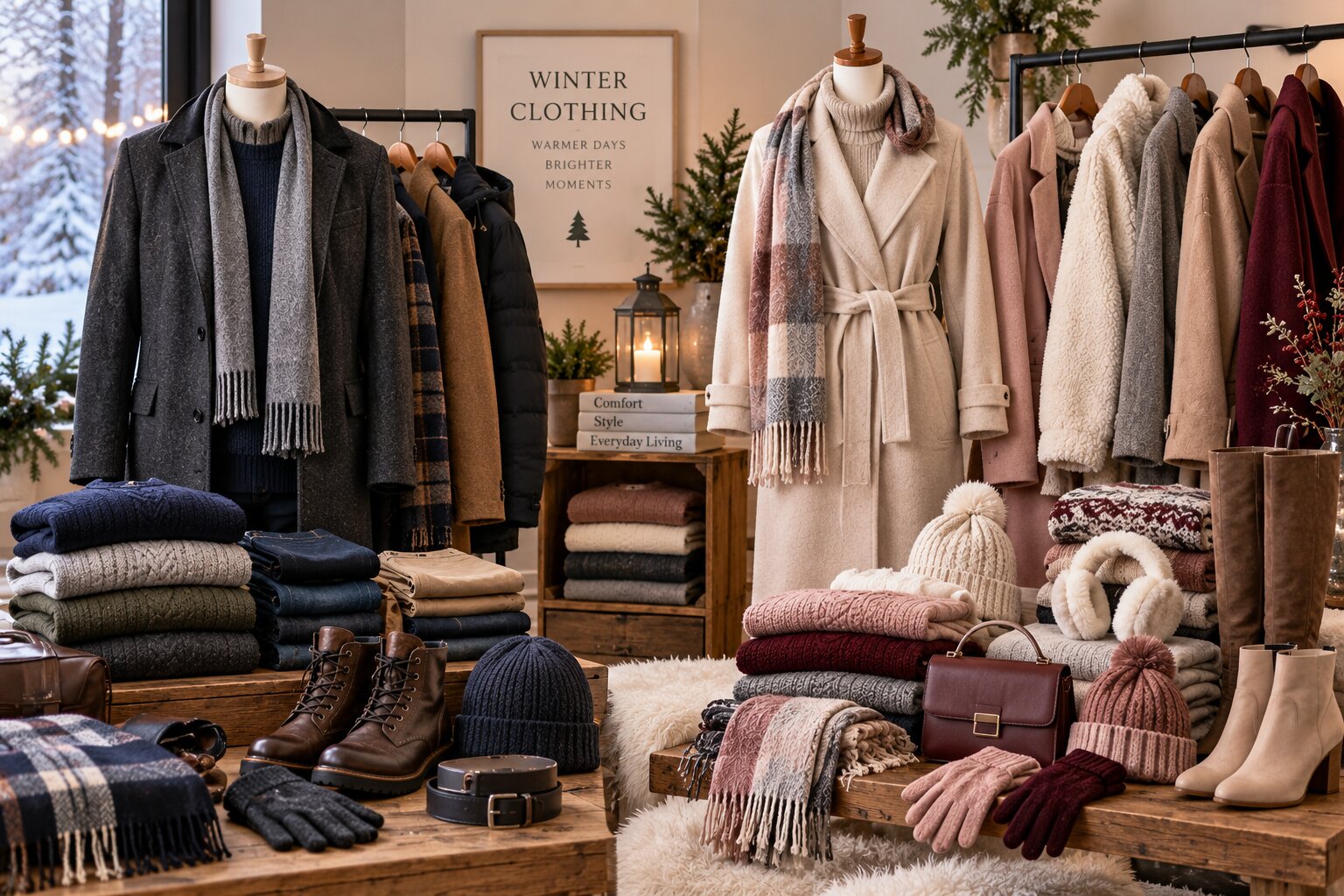
Winter Medicines: What to Keep at Home and What to Avoid
A basic home health kit can be useful during winter, but medicines should be selected carefully. Common items may include a thermometer, prescribed medicines, oral rehydration supplies where appropriate, saline nasal spray and basic first-aid materials.
For fever, aches or other symptoms, medicines such as paracetamol or ibuprofen may be appropriate for some people. However, they are not suitable for everyone. People with certain medical conditions, allergies, stomach problems, kidney disease, liver disease or those taking other medicines should seek advice before using them.
Cold and flu combination products can contain several active ingredients. Taking multiple products together may accidentally lead to an excessive dose of the same medicine. Always read the label and follow the recommended dosage.
Important: Do Not Self-Medicate with Antibiotics
Antibiotics should not be taken casually for a common cold or flu. These illnesses are usually caused by viruses, and antibiotics do not treat viral infections. Antibiotics should be used only when prescribed or recommended by a qualified healthcare professional.
Seek medical advice if symptoms are severe, persistent or worsening. Urgent medical care may be needed for difficulty breathing, chest pain, confusion, severe dehydration, bluish lips or other serious symptoms.
Stay Active Even When the Weather Is Cold
One common winter habit is becoming less physically active. Cold mornings, shorter daylight hours and comfortable indoor routines can make it tempting to avoid exercise.
However, regular physical activity remains important throughout the year. Walking, stretching, indoor workouts, dancing, yoga and strength exercises can all help maintain fitness.
If You Exercise Outdoors
- Warm up before starting
- Wear several comfortable layers
- Choose footwear with good grip
- Check the weather forecast
- Avoid exercising in dangerous conditions
- Carry a charged phone when appropriate
- Tell someone where you are going during longer outdoor activities
Health guidance on exercising in cold weather recommends warming up and cooling down, wearing suitable layers, checking conditions and taking precautions around snow or ice when exercising outdoors.
People with heart disease, high blood pressure, asthma or other health conditions should discuss any major changes in outdoor exercise with their healthcare professional.
Eat for Energy, Hydration and Seasonal Comfort
Winter meals often become richer and heavier, but a balanced diet remains important. Warm soups, vegetable-based dishes, lentils, beans, eggs, fish, lean meats, whole grains and seasonal fruits can all contribute to a varied diet.
A Few Practical Winter Food Habits
- Include vegetables and fruits in daily meals
- Choose protein-rich foods
- Eat enough to support your activity level
- Limit excessive sugary snacks
- Drink water regularly
- Avoid relying only on tea or coffee for hydration
People often feel less thirsty in cold weather, but hydration is still necessary. You lose fluid through breathing, perspiration and everyday bodily functions even when temperatures are low. Health guidance advises maintaining food and fluid intake during cold-weather activities because dehydration and inadequate energy can increase the risk of cold-related problems.
Warm drinks can be comforting, but they should not replace water or a balanced diet. Herbal tea, warm milk or a simple broth can be part of a winter routine, depending on personal preference and dietary needs.
Know the Warning Signs of Hypothermia and Frostbite
In many regions, winter temperatures are uncomfortable rather than life-threatening. However, prolonged exposure to extreme cold, wind or wet clothing can become dangerous.
Hypothermia occurs when the body loses heat faster than it can produce it. Early warning signs may include intense shivering, tiredness, confusion, slurred speech and poor coordination.
Frostbite is an injury caused by freezing of the skin and underlying tissues. It commonly affects fingers, toes, ears, nose and cheeks during prolonged exposure to freezing conditions.
How to Reduce the Risk of Cold-Related Injury
- Keep clothing dry
- Cover exposed skin
- Wear warm socks and suitable footwear
- Protect your head, hands and neck
- Avoid staying outside for long periods in extreme cold
- Change wet clothing promptly
- Take breaks in a warm place
If someone shows signs of hypothermia, move them to a warmer environment, remove wet clothing and warm them gradually. Do not use very hot water or direct high heat on affected areas. Severe symptoms require urgent medical attention.
Make Your Home Winter-Ready
A comfortable winter lifestyle also depends on the home environment. Check doors and windows for drafts, organise blankets and ensure that rooms are adequately ventilated.
If you use a room heater, follow safety instructions carefully. Keep it away from flammable materials, do not cover it and avoid leaving it unattended when safety guidance advises otherwise. Never use outdoor heating equipment indoors unless it is specifically designed and approved for indoor use.
For households with older adults, young children or people with health conditions, maintaining a suitably warm environment is particularly important. Cold indoor temperatures can pose risks even when the weather outside does not appear extreme.
A Practical Winter Lifestyle Is About Balance
Winter preparation is not about buying an entirely new wardrobe or changing every part of your routine. It is about making small, sensible adjustments that support comfort, health and confidence.
Choose clothes that keep you warm without restricting movement. Build outfits around versatile layers. Keep your skin moisturised, maintain regular sleep and exercise habits, and pay attention to respiratory health. Prepare basic health supplies, but avoid self-medicating unnecessarily.
Most importantly, learn to recognise when cold weather is becoming unsafe. Feeling comfortable in winter is good; ignoring serious symptoms or dangerous conditions is not.
As winter knocks on the door, the best response is simple: prepare early, dress thoughtfully, care for your health and enjoy the season at your own pace.
Winter Lifestyle FAQs
What is the best way to dress for winter?
Layering is one of the most practical approaches. Use a comfortable base layer, an insulating middle layer and an outer layer that protects against wind or rain. Choose clothing according to the temperature and your activity level.
What should men wear in winter?
Useful options include thermal innerwear, knit sweaters, cardigans, structured jackets, coats, warm socks, scarves, gloves and weather-appropriate footwear. Neutral colours and versatile layers make everyday styling easier.
What should women wear in winter?
Women can choose from knitted sweaters, long coats, cardigans, scarves, shawls, trousers, layered dresses, tights and comfortable boots. The best choices combine warmth, movement and personal style.
How can I prevent winter skin dryness?
Use lukewarm water, a gentle cleanser and a moisturiser regularly. Applying moisturiser after washing, protecting exposed skin and avoiding excessive scrubbing can help reduce dryness and irritation.
Should antibiotics be used for a common cold?
Antibiotics do not treat viral infections such as most common colds and flu. They should be used only when prescribed or recommended by a qualified healthcare professional.
How can I stay active during winter?
Walking, stretching, yoga, dancing, indoor workouts and strength exercises can help maintain activity. If exercising outdoors, warm up properly, wear suitable layers and check the weather conditions.
Health Information Sources
The health and safety guidance in this article has been informed by publicly available information from recognised health organisations and medical information services.
- Centers for Disease Control and Prevention (CDC) — cold-weather safety and protective clothing guidance
- National Institute on Aging (NIA) — exercising safely in cold weather
- MedlinePlus — cold-weather health and safety information
- National Institutes of Health (NIH) — seasonal wellness and respiratory health information
Medical Disclaimer: This article provides general lifestyle and health information. It is not a substitute for personal medical advice, diagnosis or treatment. Medication use, vaccination decisions and treatment for persistent or severe symptoms should be discussed with a qualified healthcare professional. In an emergency, seek urgent medical care.