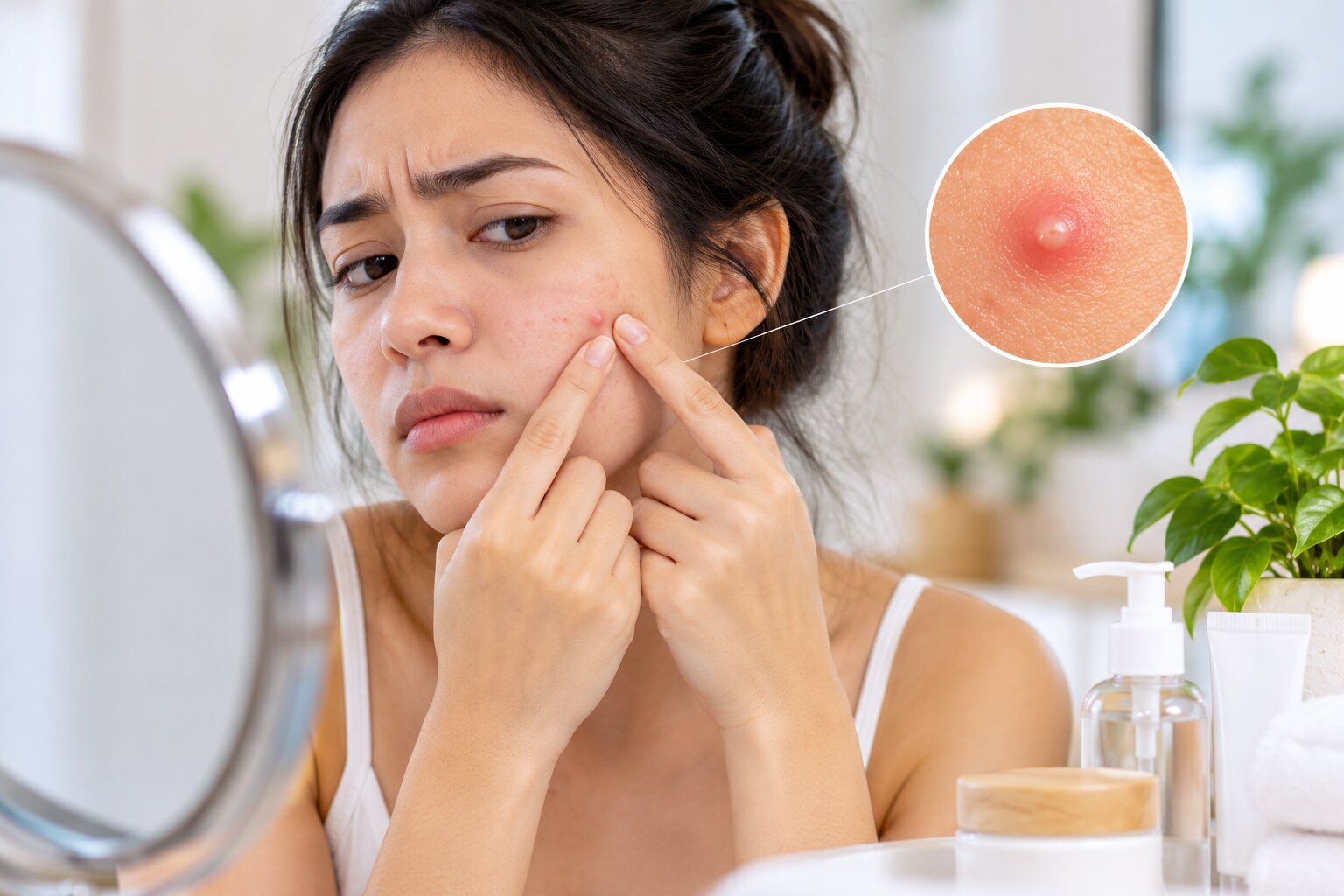
Pimples are one of the most common skin concerns, affecting teenagers, young adults, and even people well into their thirties, forties, and beyond. A sudden breakout can be frustrating, especially when it appears before an important event or leaves behind redness, dark spots, or acne scars.
But why do pimples happen in the first place? Are they caused by dirty skin, certain foods, hormones, stress, or the wrong skincare products? More importantly, what can you do to prevent them and care for your skin without making the problem worse?
Pimples are not simply a sign of poor hygiene. They usually develop when hair follicles become clogged with excess oil, dead skin cells, and sometimes bacteria. Hormonal changes, genetics, stress, friction, and unsuitable skincare or makeup products can also contribute to breakouts.
This complete guide explains the main causes of pimples, practical ways to prevent acne, useful skincare ingredients, gentle home remedies, products to avoid, and the signs that indicate you may need professional dermatological care.
- What Causes Pimples?
- The Main Causes of Acne
- Can Food Cause Pimples?
- How to Prevent Pimples
- A Simple Face-Care Routine
- Skincare Ingredients That May Help
- Gentle Home Remedies for Pimples
- Creams, Lotions, and Products to Avoid
- Makeup and Acne-Prone Skin
- When Should You See a Dermatologist?
- Frequently Asked Questions
What Causes Pimples?
Pimples form when pores or hair follicles become blocked. Each follicle contains a tiny hair and an oil-producing gland called a sebaceous gland. These glands produce sebum, an oily substance that helps keep the skin moisturised and protected.
Problems can begin when the skin produces too much sebum or when dead skin cells do not shed properly. The mixture of oil and dead cells can create a plug inside the pore. This blockage may appear as a whitehead or blackhead. If the follicle becomes inflamed, it can develop into a red, swollen pimple.
In some cases, bacteria that naturally live on the skin can multiply inside a blocked follicle and contribute to inflammation. This may lead to pustules, painful spots, deeper nodules, or cystic acne.
Pimples are not caused only by dirt. Excessive washing, aggressive exfoliation, or repeatedly touching the face can irritate the skin and may worsen acne rather than prevent it.
The Main Causes of Acne
Acne usually develops because several factors work together. One person may experience breakouts mainly because of hormonal changes, while another may be more affected by genetics, oily skincare products, stress, or friction.
1. Hormonal Changes
Hormones are one of the most common causes of pimples. During puberty, the body produces higher levels of androgens, which can stimulate the sebaceous glands to produce more oil.
Hormonal acne can also appear during menstruation, pregnancy, perimenopause, or when someone starts or changes hormonal medication. Hormonal breakouts often appear around the chin, jawline, lower cheeks, and neck.
2. Excess Oil and Dead Skin Cells
Oily skin does not automatically mean someone will develop acne, but excess sebum can increase the chance of blocked pores. Dead skin cells can combine with oil and form comedones, commonly known as whiteheads and blackheads.
Thick layers of dead skin, heavy creams, and unsuitable exfoliating products may make this clogging problem worse.
3. Bacteria and Inflammation
A type of bacteria known as Cutibacterium acnes naturally lives on the skin. When a pore becomes blocked, the environment inside the follicle can allow this bacteria to contribute to inflammation.
The result may be redness, swelling, tenderness, pus-filled pimples, or deeper inflammatory acne.
4. Genetics
Genetics can influence how oily your skin becomes, how easily your pores clog, and how strongly your skin reacts to inflammation. If one or both parents experienced moderate or severe acne, you may have a greater tendency to develop it too.
This does not mean acne is unavoidable, but it may mean that a consistent skincare routine or professional treatment is especially important.
5. Stress, Friction, and Sweat
Stress does not directly create acne in every person, but it can influence hormone activity and increase inflammation. Stress may also lead to poor sleep, touching the face more often, or neglecting a regular skincare routine.
Friction from helmets, masks, tight clothing, chin straps, mobile phones, or sports equipment can trap sweat and oil against the skin. This may cause a type of breakout often called acne mechanica.
6. Hair and Skincare Products
Some hair oils, styling products, moisturisers, sunscreens, and makeup products contain ingredients that may clog pores for certain people. Hair products can transfer onto the forehead, temples, cheeks, and back.
If small bumps repeatedly appear along the hairline or forehead, your shampoo, conditioner, hair oil, or styling product may be contributing to the problem.
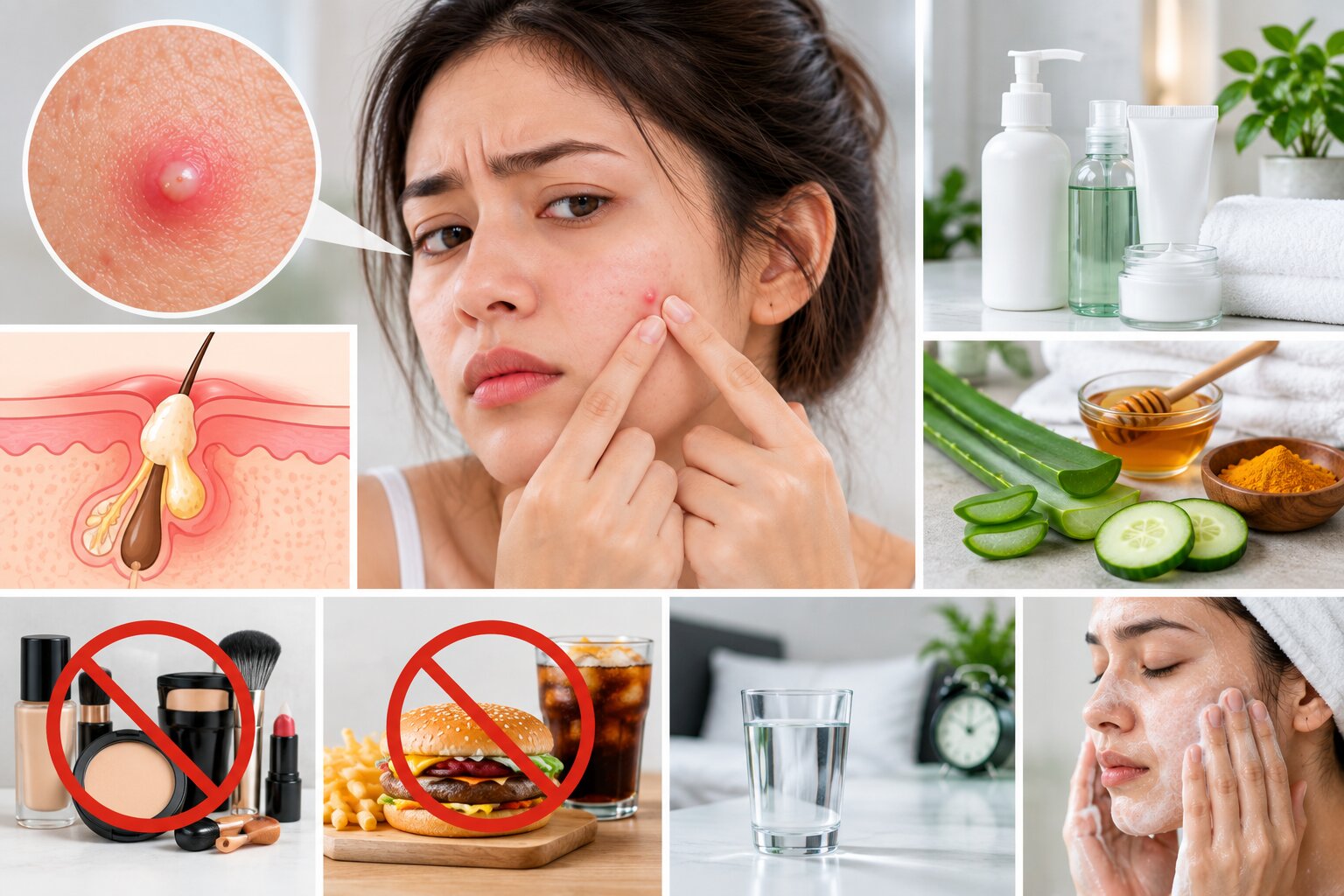
Can Food Cause Pimples?
The relationship between diet and acne is complex. Food is not the only cause of pimples, and changing your diet will not automatically cure acne. However, research suggests that certain eating patterns may influence breakouts in some people.
A diet high in refined carbohydrates, such as sugary drinks, sweets, white bread, pastries, and highly processed snacks, may cause rapid increases in blood sugar. These changes can influence insulin and other hormone pathways that may contribute to oil production and inflammation.
Some studies have also found a possible association between cow’s milk consumption and acne, particularly in individuals who already have a tendency toward breakouts. However, the evidence is not conclusive, and dairy affects people differently.
Instead of eliminating entire food groups without medical advice, focus on a balanced diet containing vegetables, fruits, whole grains, legumes, healthy fats, adequate protein, and sufficient water. If you notice that a particular food consistently seems to trigger breakouts, discuss the pattern with a healthcare professional or registered dietitian.
How to Prevent Pimples
You cannot always prevent every pimple, especially when hormones and genetics are involved. However, a few daily habits can reduce clogged pores, minimise irritation, and lower the risk of repeated breakouts.
- Wash your face gently twice a day: Cleanse in the morning and before bed using a mild, non-abrasive cleanser.
- Cleanse after sweating: Shower or wash the affected areas after exercise, especially if sweat remains on the skin for a long time.
- Avoid touching your face: Fingers can transfer oil, dirt, bacteria, and product residue to the skin.
- Do not squeeze pimples: Picking can push inflammation deeper and increase the risk of scarring and dark marks.
- Choose non-comedogenic products: Look for products labelled “non-comedogenic,” “oil-free,” or “won’t clog pores.”
- Keep pillowcases and towels clean: Change pillowcases regularly and avoid sharing face towels.
- Clean your phone: Phones can collect oil, makeup, and bacteria that come into contact with the cheeks and jawline.
- Keep hair away from your face: Wash hair regularly and avoid allowing oily hair or styling products to sit against the skin.
- Use sunscreen: Choose a lightweight, non-comedogenic sunscreen to protect acne-prone skin from UV damage and post-inflammatory dark marks.
- Introduce new products slowly: Adding several active ingredients at once can cause irritation and make it difficult to identify what is causing a reaction.
A Simple Face-Care Routine for Acne-Prone Skin
An effective acne skincare routine does not need to contain ten different products. In fact, using too many strong treatments can damage the skin barrier, leading to dryness, redness, peeling, and increased sensitivity.
Morning Routine
- Gentle cleanser: Remove overnight oil and sweat without scrubbing.
- Treatment product: If suitable for your skin, use a product containing ingredients such as niacinamide, salicylic acid, or azelaic acid.
- Lightweight moisturiser: Choose a fragrance-free, non-comedogenic formula.
- Sunscreen: Apply broad-spectrum SPF 30 or higher, especially if using acne treatments that increase sun sensitivity.
Evening Routine
- Remove makeup and sunscreen: Use a gentle makeup remover or cleansing balm if needed, followed by a mild cleanser.
- Acne treatment: Apply one appropriate treatment product according to its instructions.
- Moisturiser: Replenish hydration to support the skin barrier and reduce dryness.
- Do not over-treat: Avoid applying several strong acids, retinoids, and acne treatments together unless advised by a professional.
Skincare Ingredients That May Help Pimples
Several over-the-counter ingredients may help manage mild acne. The best option depends on the type of acne, your skin sensitivity, and whether you have blackheads, whiteheads, inflamed pimples, or deeper lesions.
Salicylic Acid
Salicylic acid is a beta-hydroxy acid that helps exfoliate inside pores and remove excess oil and dead skin cells. It is often useful for blackheads, whiteheads, and oily skin.
Start with a low concentration and avoid using it too frequently if your skin becomes dry or irritated.
Benzoyl Peroxide
Benzoyl peroxide helps reduce acne-causing bacteria and inflammation. It is commonly used for red, inflamed pimples and pustules.
It may cause dryness and can bleach fabrics, towels, and pillowcases, so use it carefully.
Adapalene and Other Retinoids
Adapalene is a topical retinoid that helps prevent clogged pores and supports normal skin-cell turnover. It may be useful for ongoing acne prevention rather than only treating individual spots.
Retinoids can cause irritation at first and are not suitable for everyone, particularly during pregnancy. Ask a healthcare professional for guidance when necessary.
Azelaic Acid
Azelaic acid may help reduce acne, inflammation, and the dark marks that remain after pimples heal. It can be a useful option for people whose skin does not tolerate stronger treatments well.
Niacinamide
Niacinamide, a form of vitamin B3, may help support the skin barrier, reduce excess oil, and calm redness. It is often well tolerated when used in a suitable concentration.
Sulfur
Sulfur-based products may help absorb excess oil and reduce certain types of acne-related inflammation. However, they can have a strong smell and may cause dryness in sensitive skin.
Choose one acne treatment at a time and give it several weeks to work, unless your dermatologist recommends a different plan. Acne treatments often require consistent use, and visible improvement may take six to eight weeks or longer.
Gentle Home Remedies for Pimples
Home remedies may provide temporary comfort for mild pimples, but they should not replace evidence-based acne treatment when breakouts are persistent, painful, or severe. The most important rule is to avoid anything that burns, irritates, or damages the skin.
Cool Compress
A clean, cool compress may help temporarily reduce swelling, redness, and discomfort. Wrap a cold pack in a clean cloth rather than placing ice directly on the skin. Apply it for a short period and stop if the skin becomes painful or numb.
Hydrocolloid Pimple Patches
Hydrocolloid patches can protect a pimple from touching, picking, and friction. They may also absorb fluid from a superficial whitehead. These patches are especially useful overnight or when you are tempted to squeeze a spot.
Plain Aloe Vera
Plain, fragrance-free aloe vera gel may feel soothing on irritated skin. However, it does not eliminate the underlying causes of acne, and some fragranced or alcohol-based aloe products can cause irritation. Always patch-test a new product first.
Gentle Cleansing
Sometimes the best home care is simply to stop irritating the skin. Wash gently with lukewarm water and a mild cleanser. Avoid scrubbing the pimple, rubbing it with a towel, or applying multiple household ingredients.
Do not apply lemon juice, undiluted apple cider vinegar, toothpaste, baking soda, rubbing alcohol, harsh essential oils, or undiluted hydrogen peroxide to pimples. These substances can cause chemical irritation, burns, dryness, and long-lasting dark marks.
Creams, Lotions, and Products to Avoid
The wrong products can contribute to clogged pores or irritate the skin barrier. This does not mean every oily or rich product is harmful, but acne-prone skin often responds better to lightweight, non-comedogenic formulas.
Heavy, Greasy Creams
Thick creams containing heavy oils, waxes, or occlusive ingredients may clog pores for some people, especially when applied to oily areas. Choose a lightweight gel-cream or lotion if richer formulas trigger breakouts.
Comedogenic Makeup
Some foundations, concealers, primers, and cream blushes may contribute to clogged pores. Look for makeup labelled non-comedogenic and remove it thoroughly before sleeping.
Harsh Scrubs
Facial scrubs with rough particles can create tiny abrasions and increase irritation. Acne is not removed by aggressively scrubbing the skin.
Strong Astringents
Products containing high levels of alcohol, strong fragrance, or harsh drying ingredients may strip the skin and trigger irritation, tightness, and rebound oiliness.
Hair Oils and Styling Products
Hair oils, pomades, waxes, and leave-in styling products can transfer onto the forehead, temples, and cheeks. Keep them away from the facial skin when possible.
Unclean Brushes and Sponges
Makeup brushes and sponges collect oil, dead skin, makeup residue, and bacteria. Clean them regularly and avoid sharing them with others.
Ingredients and Product Types to Treat Carefully
- Very thick petroleum-based creams if they repeatedly clog your pores.
- Fragranced products that cause burning, itching, or redness.
- Multiple exfoliating acids used together.
- Strong peeling solutions used without professional guidance.
- Unlabelled fairness or bleaching creams that may contain unsafe ingredients.
- Topical steroid creams used on the face without a prescription or medical advice.
- DIY mixtures containing lemon juice, toothpaste, baking soda, or alcohol.
Makeup and Acne-Prone Skin
Having acne does not mean you must stop wearing makeup. The key is choosing suitable products and using clean application tools. Makeup can help conceal redness, but it should not be used to cover severe irritation without addressing the underlying skin problem.
What to Do
- Choose non-comedogenic and oil-free makeup when possible.
- Use clean brushes, sponges, and applicators.
- Remove makeup before going to bed.
- Wash your hands before applying products.
- Replace old or expired makeup.
- Choose lightweight formulas for oily skin.
- Cleanse gently after removing makeup.
What to Avoid
- Sleeping with foundation or concealer on the skin.
- Sharing makeup or brushes with other people.
- Applying makeup over open, infected, or heavily irritated lesions.
- Using dirty beauty sponges repeatedly.
- Layering several heavy products over active acne.
- Rubbing the skin aggressively while removing makeup.
- Continuing a product that consistently causes breakouts.
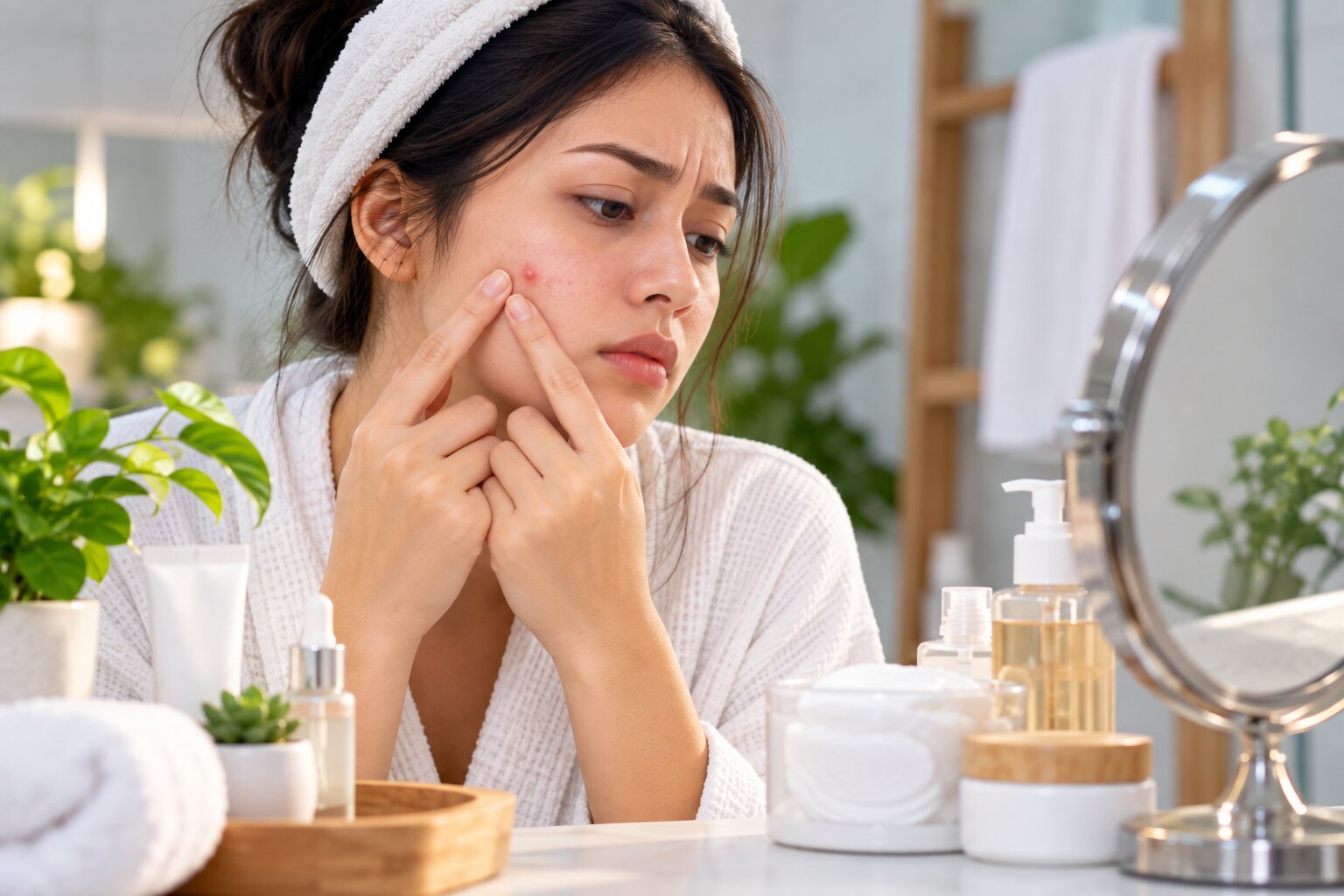
Everyday Habits That Can Make a Difference
Skincare products are only one part of acne management. Everyday habits can also affect how frequently pimples appear and how quickly the skin recovers.
- Get enough sleep and maintain a consistent sleep schedule.
- Manage stress through walking, exercise, breathing exercises, journaling, or other healthy activities.
- Wash hats, helmets, masks, and sports equipment that touch your face.
- Avoid repeatedly resting your hands against your cheeks or chin.
- Do not pop or pick pimples, even if they appear ready to burst.
- Use a clean towel and pat the face dry instead of rubbing it.
- Keep skincare simple when your skin is irritated.
- Be patient: most acne treatments need regular use over several weeks.
When Should You See a Dermatologist?
Mild occasional pimples can often be managed with a gentle skincare routine and suitable over-the-counter products. However, professional advice is important when acne is persistent, painful, widespread, or leaving scars.
Consider seeing a dermatologist if you experience any of the following:
- Deep, painful, or cystic pimples.
- Acne that is leaving permanent scars or dark marks.
- Breakouts that continue despite several weeks of consistent care.
- Acne that affects your confidence, mood, or daily life.
- Sudden severe acne in adulthood.
- Acne accompanied by irregular periods, excessive facial hair, or other hormonal symptoms.
- Skin reactions such as severe burning, swelling, blistering, or persistent peeling after using a product.
A dermatologist may recommend prescription-strength topical treatments, oral medication, hormonal therapy, antibiotics, or procedures depending on the type and severity of acne. Do not use prescription medicines, antibiotics, or steroid creams without appropriate medical guidance.
Early treatment can help reduce inflammation and lower the risk of long-term acne scarring. If breakouts are recurring or painful, professional treatment may be more effective than continuously experimenting with home remedies.
Final Thoughts
Pimples happen because of a combination of oil production, clogged pores, dead skin cells, inflammation, bacteria, hormones, genetics, and environmental or lifestyle factors. They are not simply caused by dirty skin, and aggressive washing is not a reliable solution.
The most useful approach is to build a simple, consistent routine: cleanse gently, moisturise, wear sunscreen, choose non-comedogenic products, avoid picking, and introduce acne treatments gradually. Ingredients such as salicylic acid, benzoyl peroxide, adapalene, azelaic acid, and niacinamide may help, but the right choice depends on your skin and the type of acne you have.
Home remedies should remain gentle. Avoid applying harsh household ingredients such as lemon juice, toothpaste, baking soda, and undiluted vinegar to your face. If acne is painful, persistent, scarring, or affecting your emotional wellbeing, a dermatologist can help you find a safer and more effective treatment plan.
Frequently Asked Questions About Pimples
1. Why do pimples suddenly appear?
Sudden pimples may be linked to hormonal changes, stress, lack of sleep, sweating, friction, a new skincare or makeup product, or increased oil production. Sometimes several factors occur at the same time.
2. Does dirty skin cause acne?
Acne is not simply caused by dirty skin. Pimples develop mainly because pores become clogged with oil and dead skin cells, followed by inflammation. Overwashing and harsh scrubbing may actually worsen irritation.
3. Is it okay to pop a pimple?
It is best not to pop or squeeze pimples. Doing so can push inflammation deeper into the skin, increase redness, introduce bacteria, and raise the risk of scarring or dark marks.
4. What is the best ingredient for pimples?
The best ingredient depends on the type of acne. Salicylic acid may help clogged pores, benzoyl peroxide may help inflamed pimples, and adapalene may help prevent new breakouts. Azelaic acid and niacinamide may also be useful for certain skin concerns.
5. Can toothpaste remove pimples?
Toothpaste is not recommended for acne. It may contain ingredients that irritate or burn the skin, causing redness, peeling, and dark marks. Use a product specifically formulated for acne instead.
6. Can moisturiser cause pimples?
Some heavy or unsuitable moisturisers may clog pores for certain people, but moisturising is still important. Choose a lightweight, fragrance-free, non-comedogenic moisturiser designed for your skin type.
7. Should people with acne avoid makeup?
People with acne can wear makeup. Choose non-comedogenic products, keep brushes clean, avoid sleeping in makeup, and remove products gently before bed.
8. How long does acne treatment take to work?
Many acne treatments require several weeks of consistent use before improvement becomes noticeable. Depending on the treatment and severity of acne, meaningful results may take six to eight weeks or longer.
9. Can stress cause pimples?
Stress may worsen acne in some people by influencing hormones, inflammation, sleep, and daily habits. Stress is not the only cause, but managing it may support overall skin health.
10. When should acne be treated by a dermatologist?
See a dermatologist if acne is painful, severe, persistent, scarring, suddenly appearing in adulthood, or affecting your confidence and quality of life. Professional treatment can help prevent complications.