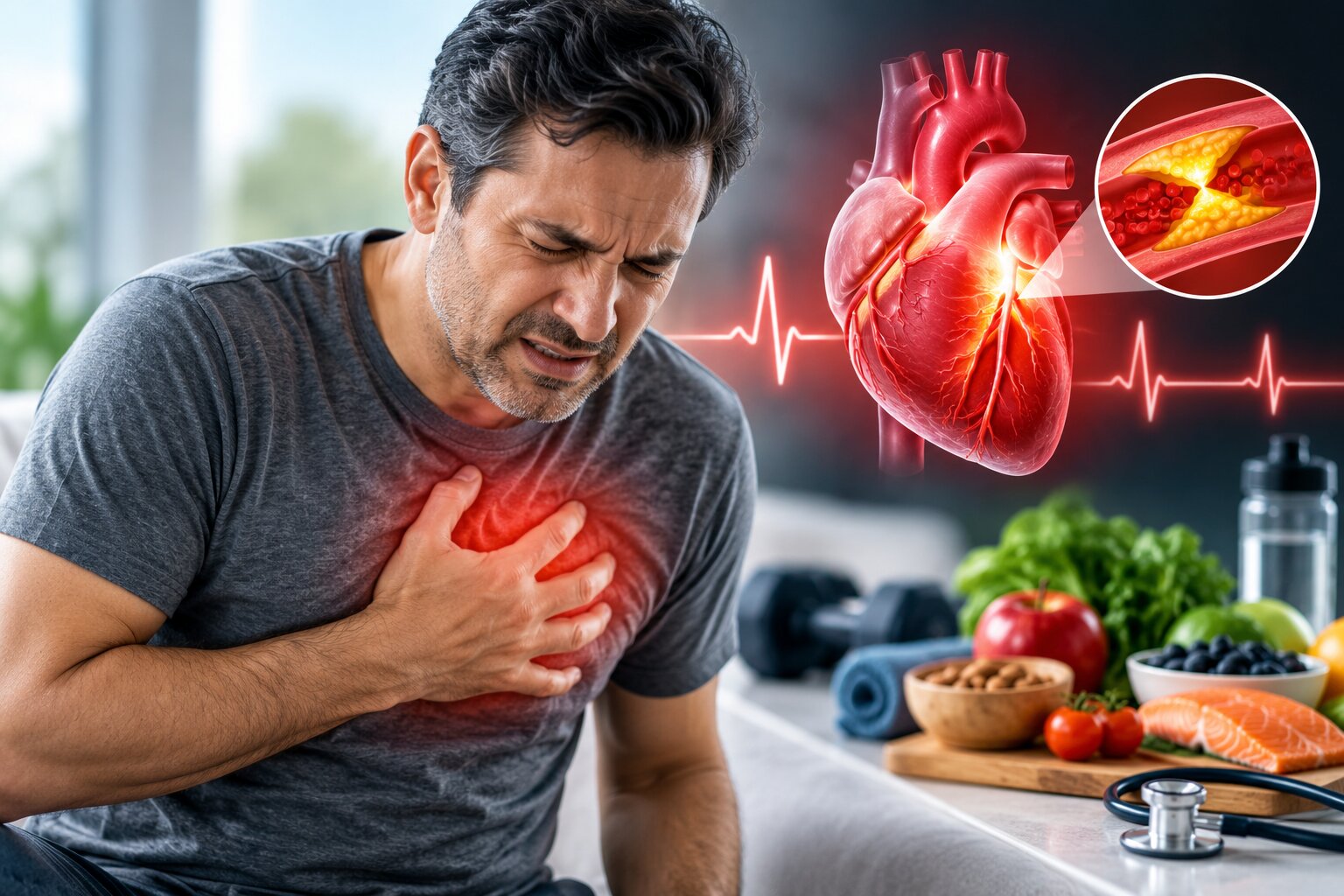
A heart attack can appear to happen suddenly, but the process behind it often develops silently over many years. Fatty deposits can build up inside the coronary arteries, blood pressure may remain uncontrolled, blood sugar can damage blood vessels, and smoking can gradually weaken cardiovascular health. The good news is that many important risk factors can be reduced through consistent medical care and practical lifestyle changes.
Preventing a heart attack is not about following one perfect diet or performing one specific exercise. It is about managing several interconnected factors: blood pressure, cholesterol, diabetes, body weight, physical activity, sleep, stress, tobacco exposure and prescribed treatment. For people who have already experienced a heart attack, these steps become even more important because the risk of another cardiovascular event may be higher.
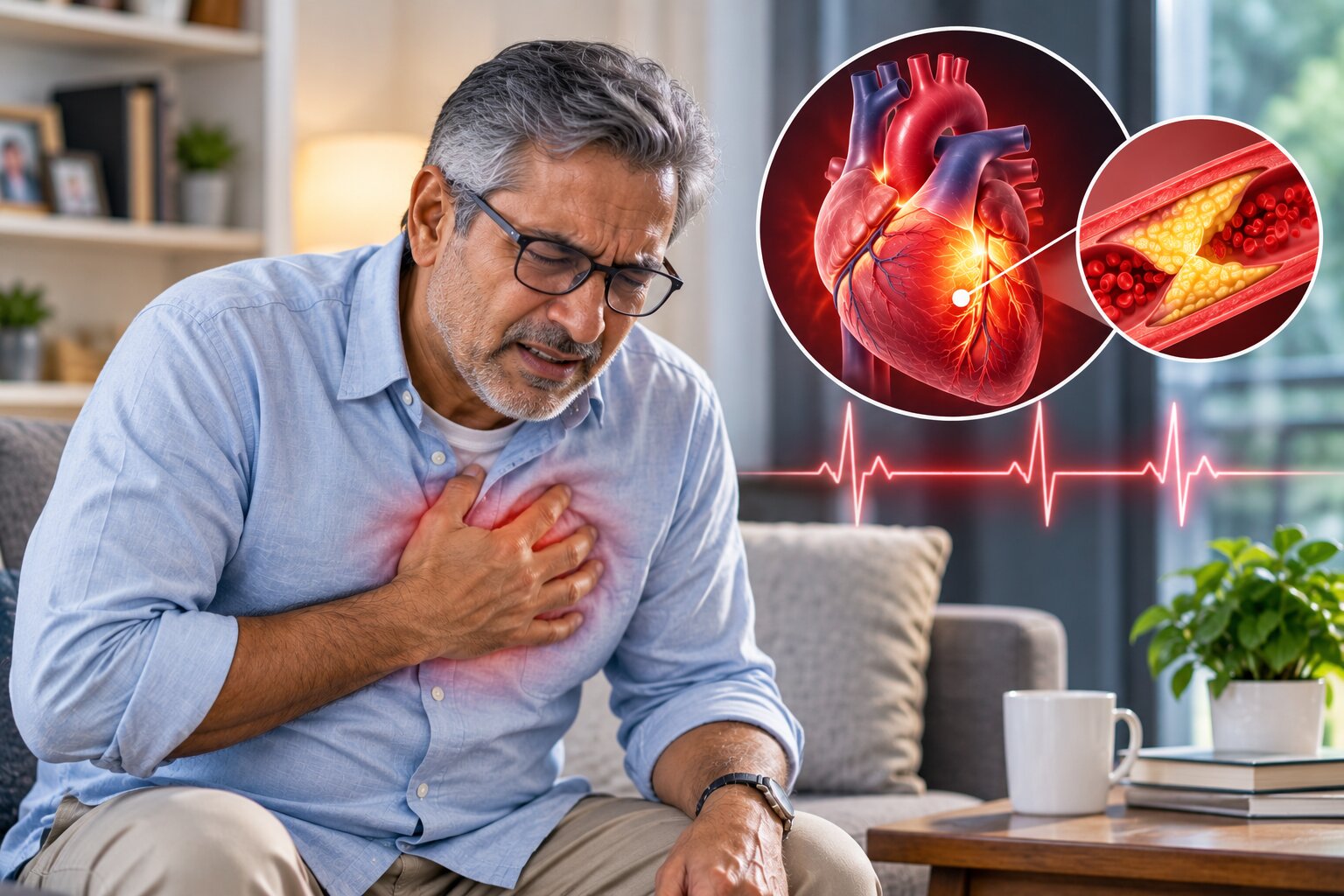
Chest discomfort can be a warning sign of a heart attack and should never be ignored.
What Is a Heart Attack?
A heart attack, medically called a myocardial infarction, occurs when blood flow to part of the heart muscle becomes severely reduced or blocked. Because the heart muscle needs a continuous supply of oxygen, a prolonged interruption of blood flow can cause heart tissue to become injured or die.
In many cases, the blockage develops when a fatty plaque inside a coronary artery ruptures and triggers the formation of a blood clot. The clot can obstruct the artery and prevent oxygen-rich blood from reaching the heart. A heart attack is different from cardiac arrest. During a heart attack, the circulation to part of the heart is blocked. During cardiac arrest, the heart’s electrical system malfunctions and the heart stops pumping effectively. A heart attack can sometimes lead to cardiac arrest, but the two conditions are not identical.
Never Wait for Symptoms to Become Severe
Heart attack symptoms may be mild, gradual or unusual, especially in older adults, women and people with diabetes. A person does not need to collapse or experience unbearable pain for a heart attack to be occurring.
If symptoms suggest a heart attack, call your local emergency service immediately. Do not drive yourself to the hospital, do not wait for symptoms to disappear, and do not attempt to diagnose the condition at home.
Warning Signs That Require Urgent Action
The most recognised symptom is pressure, tightness, squeezing or discomfort in the centre or left side of the chest. However, heart attack symptoms can vary considerably. Some people describe the feeling as indigestion, burning, fullness or unexplained heaviness rather than sharp pain.
Common Warning Signs
- Pressure, squeezing or discomfort in the chest
- Pain spreading to one or both arms
- Discomfort in the shoulder, back, neck, jaw or upper abdomen
- Shortness of breath
- Cold sweating
- Nausea or vomiting
- Dizziness, weakness or faintness
- Unusual or extreme tiredness
- A feeling of anxiety or impending danger
What to Do Immediately
- Stop physical activity and sit or rest safely.
- Call emergency medical services immediately.
- Keep the person calm and avoid unnecessary movement.
- Follow emergency-dispatcher instructions.
- Do not drive yourself.
- Do not take someone else’s medication.
- Only take aspirin during a suspected heart attack if an emergency professional or healthcare provider advises it and it is safe for you.
The faster a blocked artery is treated, the greater the chance of limiting permanent heart damage. Treatments may include medicines that prevent or dissolve clots, procedures to reopen an artery, or surgery in selected cases.
Major Risk Factors for a Heart Attack
Heart disease usually results from a combination of genetic, medical and lifestyle factors. Some risks cannot be changed, such as age, family history and certain inherited conditions. However, many of the strongest contributors can be identified and managed.
Medical Risk Factors
- High blood pressure
- High LDL cholesterol
- Diabetes or persistently high blood sugar
- Obesity or excess abdominal fat
- Chronic kidney disease
- Previous heart disease or stroke
- Sleep apnea
- Inflammatory or autoimmune conditions
Lifestyle and Environmental Risks
- Smoking or exposure to secondhand smoke
- Physical inactivity
- A diet high in salt, processed meat and saturated fat
- Excessive alcohol consumption
- Chronic stress
- Poor-quality sleep
- Long periods of sitting
- Failure to take prescribed medicines
How to Prevent a Heart Attack
Prevention works best when it is treated as a long-term health strategy rather than a short-term challenge. A person does not need to make every change overnight. Small, repeatable improvements can produce meaningful benefits when they become part of daily life.
Control Blood Pressure
High blood pressure places continuous strain on the arteries and heart. Over time, it can damage artery walls and accelerate plaque formation. Check your blood pressure regularly, reduce excess sodium, stay physically active, manage stress and take prescribed blood-pressure medication exactly as directed.
Manage Cholesterol
LDL cholesterol can contribute to plaque buildup inside the arteries. A heart-health plan should include a review of cholesterol levels, dietary saturated fat, physical activity, body weight and family history. If lifestyle changes are not enough, a healthcare professional may recommend cholesterol-lowering medication.
Keep Diabetes Under Control
Persistently elevated blood sugar can damage blood vessels and increase the risk of heart attack and stroke. People with diabetes should monitor glucose as advised, attend regular checkups, follow their treatment plan and discuss nutrition, exercise and medication adjustments with their healthcare team.
Stop Smoking and Avoid Tobacco
Smoking damages the lining of blood vessels, increases clotting tendency and reduces oxygen delivery. Quitting smoking is one of the most effective steps for reducing cardiovascular risk. Avoiding secondhand smoke is also important.
Move More Throughout the Week
For many adults, the general target is at least 150 minutes of moderate-intensity activity per week, provided their healthcare professional considers it safe. Brisk walking, cycling, swimming and dancing can support blood pressure, cholesterol, weight and blood-sugar control. Inactive people should begin gradually.
Maintain a Healthy Weight
Excess body weight, particularly around the waist, is associated with high blood pressure, insulin resistance, sleep apnea and abnormal cholesterol. A modest, sustainable reduction in weight can improve several risk factors at the same time.
Prioritise Sleep and Stress Management
Poor sleep and chronic stress can influence blood pressure, appetite, blood sugar and inflammation. Maintain a consistent sleep schedule, reduce late-night screen use, practise relaxation techniques and seek professional support when anxiety, depression or chronic stress becomes difficult to manage.
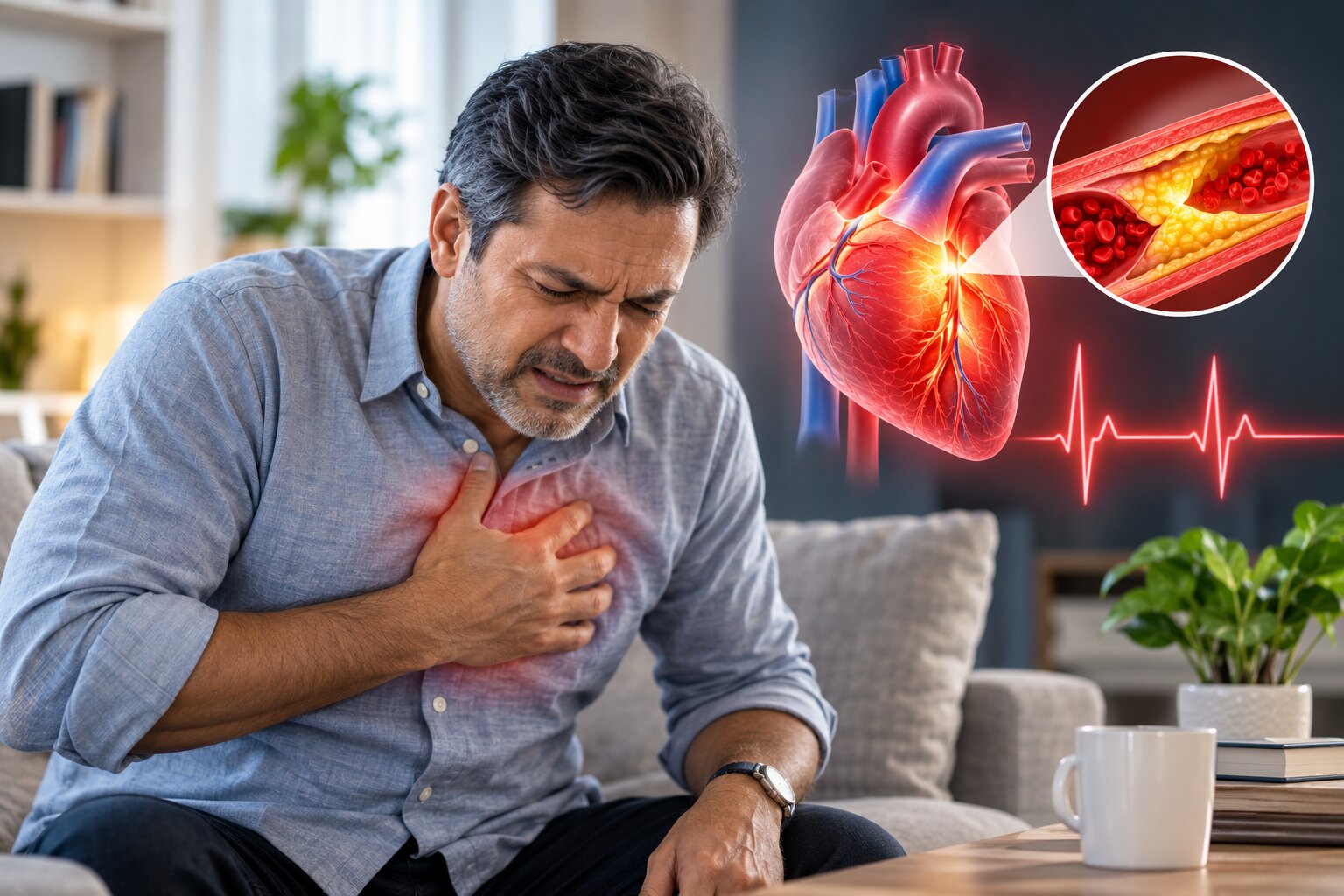
Regular movement, healthy eating, smoking cessation and risk-factor management are central to heart attack prevention.
Heart-Healthy Foods to Eat
A heart-supportive eating pattern is rich in vegetables, fruits, whole grains, legumes, fish, nuts and unsaturated fats. The goal is not simply to remove one ingredient but to create a balanced diet that supports healthy cholesterol, blood pressure, blood sugar and body weight.

A varied diet built around whole and minimally processed foods can support long-term cardiovascular health.
Vegetables and Fruits
Fill a large portion of meals with leafy greens, broccoli, carrots, tomatoes, peppers, beans, berries, apples, oranges and other colourful produce. These foods provide fibre, potassium, vitamins, minerals and protective plant compounds.
Whole Grains
Choose oats, brown rice, whole-wheat bread, barley, quinoa and other whole grains more often than refined grains. Their fibre content can help support cholesterol management, digestion and blood-sugar control.
Fish and Lean Protein
Fish, particularly oily fish such as salmon, sardines and mackerel, provides beneficial omega-3 fats. Other useful protein choices include beans, lentils, peas, skinless poultry, tofu and moderate portions of low-fat dairy.
Healthy Fats
Use unsaturated fat sources such as olive oil, nuts, seeds, avocado and certain vegetable oils in sensible portions. These can be preferable to butter, shortening and other sources of high saturated fat.
Simple Meal Ideas for Better Heart Health
- Oatmeal topped with berries, seeds and unsweetened yoghurt.
- Brown rice with vegetables, lentils and grilled fish.
- A large salad with beans, chickpeas, olive oil and lemon.
- Whole-grain bread with avocado, tomato and a boiled egg.
- Vegetable soup with beans or lean protein.
- Fresh fruit and a small portion of unsalted nuts as a snack.
Foods and Habits to Limit
A heart-healthy diet is not only about what should be added. It is also about reducing foods that can worsen blood pressure, cholesterol, blood sugar and weight when consumed frequently or in large amounts.
Limit These Foods and Habits
- Processed meats such as sausages, bacon and salami
- Frequent consumption of fatty or heavily fried foods
- Foods high in saturated fat
- Trans fats and partially hydrogenated oils
- Highly salted packaged foods and instant noodles
- Sugary drinks, sweetened tea and energy drinks
- Large amounts of refined carbohydrates and sweets
- Excessive alcohol consumption
- Smoking, vaping nicotine or using tobacco products
Sodium deserves particular attention for people with high blood pressure or heart failure. Read food labels when available, taste food before adding salt, and use herbs, spices, garlic, ginger, lemon and vinegar to improve flavour without relying heavily on sodium.
Medicines Used to Reduce Heart Risk
Medicines can be an essential part of heart attack prevention and recovery. The exact combination depends on the person’s diagnosis, blood pressure, cholesterol, kidney function, diabetes status, bleeding risk, heart rhythm, heart function and whether a stent or surgery was required.
The following are common categories of medicines used in cardiovascular care. They are not a personal prescription, and no one should start, stop or change these medicines without speaking with a qualified healthcare professional.
| Medicine Category | Why It May Be Used | Important Consideration |
|---|---|---|
| Antiplatelet medicines | Help prevent platelets from sticking together and forming dangerous clots. | Stopping them without medical advice can be dangerous, particularly after certain procedures or stent placement. |
| Anticoagulants | Reduce the ability of blood to form clots in specific conditions. | Bleeding risk and interactions must be monitored carefully. |
| Cholesterol-lowering medicines | Lower harmful cholesterol and reduce the risk of future cardiovascular events. | Follow-up blood tests may be required to assess response and safety. |
| ACE inhibitors or ARBs | Help lower blood pressure and may reduce strain on the heart. | Kidney function and potassium levels may need monitoring. |
| Beta blockers | Slow the heart rate and reduce the heart’s workload in selected patients. | They may not be suitable for everyone and should not be stopped suddenly without advice. |
| Nitrates and other anti-anginal medicines | May help relieve or prevent certain types of chest discomfort caused by reduced blood flow. | They must be used according to the prescribed instructions and may interact with other medicines. |
| Diabetes medicines or insulin | Help manage blood sugar and reduce complications associated with diabetes. | Treatment must be adjusted according to glucose levels, kidney function and other factors. |
Do Not Stop Heart Medicines Abruptly
Some people stop taking medicines because they feel better, experience side effects, cannot afford refills or believe lifestyle changes have made medication unnecessary. This can create serious risks. If a medicine causes dizziness, unusual bleeding, weakness, breathing problems or another concerning symptom, contact the prescribing professional rather than stopping it independently.
What to Do After a First Heart Attack
Surviving a first heart attack is a major medical event, but it does not automatically mean that a person cannot return to a productive and active life. Recovery varies according to the amount of heart damage, the location of the blockage, the speed of treatment, the presence of other illnesses and the person’s commitment to follow-up care.
The First Priorities After Discharge
- Attend all follow-up appointments.
- Understand the purpose and schedule of every prescribed medicine.
- Ask for a referral to cardiac rehabilitation.
- Follow restrictions related to lifting, driving, work and exercise.
- Monitor blood pressure, blood sugar and cholesterol as advised.
- Stop smoking and avoid secondhand smoke.
- Follow a heart-healthy eating pattern.
- Discuss emotional distress, anxiety, depression or fear of another attack.
- Report new, recurring or worsening chest discomfort immediately.
The first weeks and months after a heart attack are particularly important. Patients may feel physically weak, emotionally overwhelmed or uncertain about what they are allowed to do. Recovery should be gradual and guided by the medical team rather than based on guesswork.
Chest pain after a heart attack should never automatically be dismissed as normal recovery. Some discomfort may be related to the healing process or stable angina, but new, persistent, severe or worsening symptoms require urgent medical assessment.
What to Do After a Second Heart Attack
A second heart attack indicates that the person remains at substantial cardiovascular risk or that a new problem has developed. It does not mean that recovery is impossible, but it does mean that the treatment plan should be reviewed carefully and followed with particular discipline.
After a second heart attack, the cardiology team may reassess the coronary arteries, heart-pumping function, heart rhythm, blood pressure, cholesterol, diabetes control, kidney function, medication adherence and lifestyle factors. Additional tests or procedures may be necessary depending on the cause and severity of the event.
Important Questions After a Second Heart Attack
- Was the second event caused by a new blockage, a previous stent problem or another mechanism?
- How much heart muscle has been affected?
- Is the heart’s pumping function reduced?
- Are the current medicines still appropriate?
- Is the cholesterol level low enough for the person’s risk category?
- Are blood pressure and diabetes adequately controlled?
- Would another procedure, surgery or device be appropriate?
- Is cardiac rehabilitation being provided or continued?
Medication adherence becomes especially important after a second event. Missing doses, stopping antiplatelet medicines, continuing to smoke or ignoring follow-up appointments can increase the risk of further complications. Family members can help by organising medicines, arranging transport and supporting healthier meals and daily routines.
What to Do After a Third Heart Attack
A third heart attack is a serious, high-risk situation that requires individualised medical assessment. The outcome cannot be predicted simply by counting the number of heart attacks. Prognosis depends on factors such as the amount of permanent heart damage, the location and extent of coronary artery disease, heart rhythm, kidney function, age, diabetes, heart-pumping capacity and how quickly treatment was provided.
After a third heart attack, the person may require care from a specialised cardiology team. The medical team will usually focus on restoring blood flow when possible, preventing additional clot formation, assessing heart function, controlling symptoms and determining whether procedures or surgery are needed.
Recovery After Multiple Heart Attacks Requires Close Supervision
A person who has experienced multiple heart attacks should not begin strenuous exercise, restrictive dieting, fasting, supplements or alternative treatments without medical approval. The heart’s ability to tolerate exertion may be reduced, and the safest level of activity must be determined through clinical assessment and, when appropriate, cardiac rehabilitation.
Treatment may include a combination of antiplatelet or anticoagulant therapy, cholesterol-lowering medication, blood-pressure medicines, medicines that reduce the heart’s workload, treatment for heart failure or rhythm problems, and procedures such as angioplasty, stent placement or coronary artery bypass surgery. Not every patient needs every treatment. The plan must be based on the individual’s condition.
Emotional support is also important. Repeated heart attacks can cause fear, sleep difficulties, depression and loss of confidence. Psychological counselling, family support, peer groups and cardiac rehabilitation can help patients regain independence and develop a realistic, sustainable recovery plan.
Why Cardiac Rehabilitation Matters
Cardiac rehabilitation is a medically supervised programme designed to help people recover after a heart attack, angioplasty, stent placement, bypass surgery, heart failure or other cardiovascular conditions. It is not simply an exercise class. It combines physical training, education, nutrition guidance, risk-factor management and emotional support.

Physical activity after a heart attack should be gradual and guided by a healthcare professional or cardiac rehabilitation team.
Exercise Training
Patients learn how to exercise safely, improve endurance and gradually rebuild strength without placing unnecessary strain on the heart.
Nutrition Education
Dietitians or trained professionals can help patients reduce sodium, improve cholesterol, manage blood sugar and build practical meal plans.
Risk-Factor Management
The programme may focus on blood pressure, cholesterol, diabetes, weight, smoking cessation, physical inactivity and medication adherence.
Stress and Emotional Support
Counselling and education can help patients cope with fear, anxiety, depression, sleep problems and the emotional impact of heart disease.
Cardiac rehabilitation can be especially valuable after a first heart attack and becomes even more important after recurrent events. If a patient was not referred, they should ask their cardiologist or primary healthcare professional whether a programme is suitable.
A Practical Daily Heart-Health Plan
Daily Habits That Support Cardiovascular Health
- Take prescribed medicines at the correct time.
- Eat vegetables or fruit with most meals.
- Choose whole grains and high-fibre foods regularly.
- Drink water instead of sugary drinks whenever possible.
- Walk or perform approved physical activity.
- Avoid tobacco and secondhand smoke.
- Limit excess salt and heavily processed foods.
- Maintain a consistent sleep schedule.
- Monitor blood pressure or blood sugar when advised.
- Contact a healthcare professional about new or worsening symptoms.
The most effective prevention plan is one that can be maintained for years. Extreme restrictions, crash diets and sudden intense exercise are rarely the best approach. Consistency, medical supervision and realistic changes are more useful than short-lived perfection.
Frequently Asked Questions
Can a heart attack be prevented completely?
No strategy can guarantee complete protection because some risks are genetic or uncontrollable. However, many heart attacks can be prevented or delayed by managing blood pressure, cholesterol, diabetes, smoking, weight, physical activity, diet, sleep and prescribed treatment.
Is chest pain always present during a heart attack?
No. Some people experience shortness of breath, sweating, nausea, unusual tiredness, dizziness or discomfort in the back, jaw, arm or upper abdomen. Some heart attacks may cause mild or unusual symptoms, particularly in older adults and people with diabetes.
Can someone live a normal life after a heart attack?
Many people return to productive and active lives after a heart attack. Recovery depends on the amount of heart damage, treatment, other medical conditions, medication adherence, lifestyle changes and participation in cardiac rehabilitation.
Is exercise safe after a heart attack?
Physical activity is often an important part of recovery, but the timing and intensity must be guided by the healthcare team. Cardiac rehabilitation provides a structured way to resume activity safely.
Should heart medicines be stopped when symptoms improve?
No. Many cardiovascular medicines reduce the risk of future events even when a person feels well. Medicines should only be reduced, changed or stopped after consultation with the prescribing healthcare professional.
What is the most important lifestyle change after a heart attack?
There is no single change that is best for everyone. Stopping smoking, taking medicines correctly, attending follow-up appointments, participating in cardiac rehabilitation and controlling blood pressure, cholesterol and diabetes are all important.
Medical Sources and Further Reading
Medical Disclaimer: This article is intended for general educational and informational purposes only. It does not replace medical diagnosis, emergency care or personalised advice from a qualified healthcare professional. If you or someone else has chest pain, shortness of breath, faintness, cold sweating or other possible heart attack symptoms, seek emergency medical help immediately. Never start, stop or change prescription medicines without consulting your healthcare provider.