The Strange Story Behind the Infamous Jeffrey Epstein Deposition Question
By Staff Reporter | Published: November 20, 2025 | Topic: Legal & Crime
The late financier and convicted sex offender Jeffrey Epstein, who was arrested on charges of sex trafficking before his death in 2019, remains a figure of intense national focus. In recent years, public attention has repeatedly turned to the details of his sprawling criminal enterprise and the attempts by his victims to seek justice. While much of the reporting focuses on his wealthy associates and the contents of newly released documents, a key moment from his past legal battles continues to resurface: the bizarre, specific question posed during a 2009 deposition regarding the unique shape of his private anatomy.
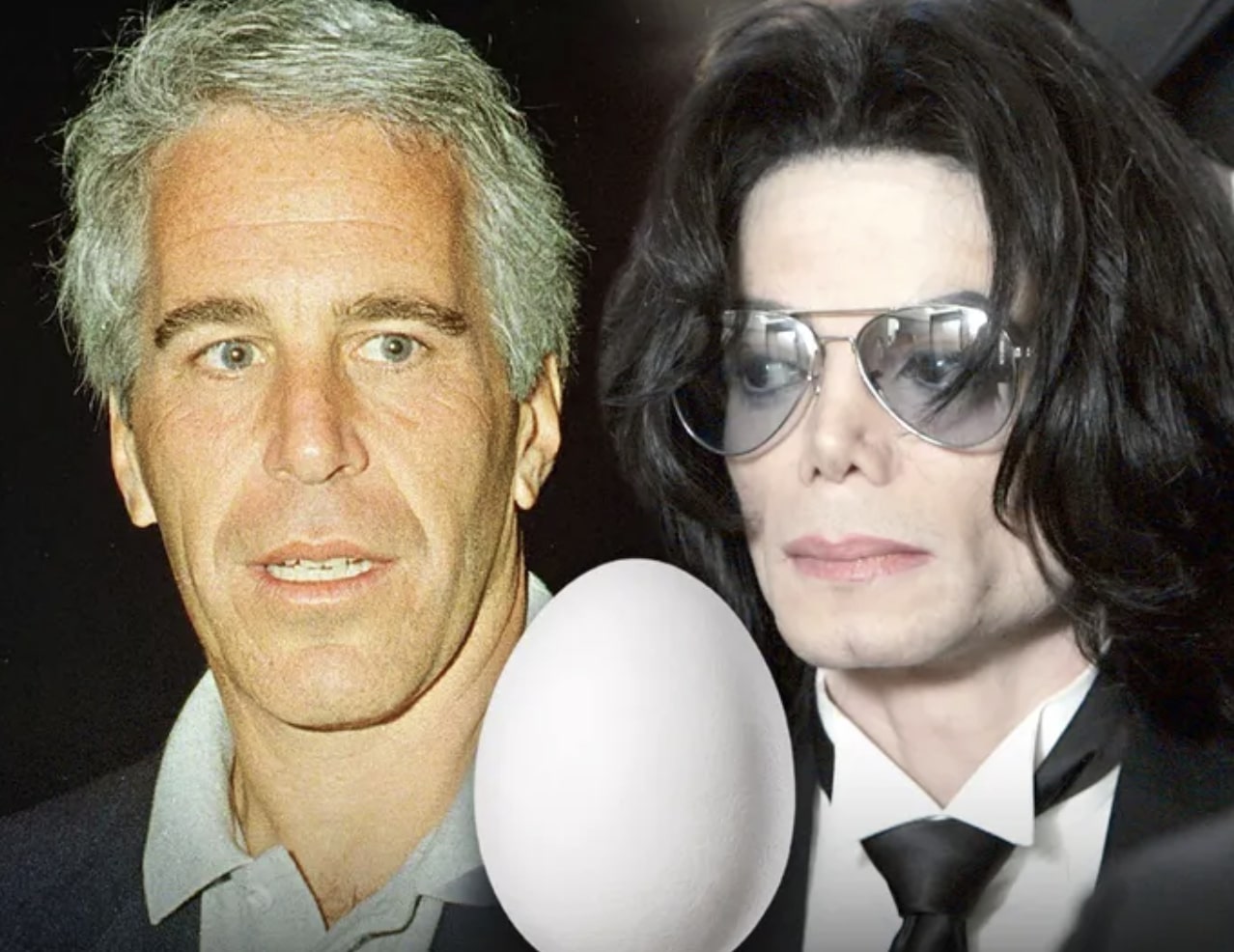
Now, the attorney who asked that strange and humiliating question has revealed the surprising origin of his legal maneuver, and the inspiration traces back to one of the most sensational celebrity trials in history: the child molestation case against pop superstar Michael Jackson.
The King of Pop’s Legal Gambit
The revelation comes from attorney Spencer Kuvin, who represented several of Epstein’s underage accusers in a civil lawsuit more than a decade ago. Kuvin recently told reporters that his strategy for questioning Epstein during the deposition was directly inspired by a forensic technique attempted by prosecutors during Michael Jackson’s 2005 trial.
During the Jackson proceedings, prosecutors had sought to admit highly graphic photographic evidence into the case. These photos, taken during a separate 1994 investigation, were not meant to simply prove sexual activity, but rather to use the unique physical characteristics of the musician’s body for identification. Specifically, Jackson suffered from vitiligo, a condition that causes the skin to lose its pigmentation, resulting in noticeable white splotches. The prosecutors’ plan was to enter photos showing these skin discolorations on Jackson’s genitals, allowing the alleged victim to identify these unique marks and, thereby, confirm the details of the alleged assault.
In the end, this highly controversial and invasive line of evidence concerning the King of Pop’s anatomy was not used, but the tactic of using a specific, identifying physical characteristic to corroborate a victim’s testimony stuck with attorney Kuvin.
Applying the Forensic Strategy to Epstein
Fast forward to the 2009 civil lawsuit filed against Jeffrey Epstein. At the time, one of Epstein’s alleged underage victims had described the financier’s private member in very specific and unusual terms, describing it as “egg-shaped” or oval. This unique and specific description was a key piece of information that Kuvin recognized as a potential forensic tool.
Kuvin’s plan was to essentially run the same identification play that was attempted during the Michael Jackson trial. The lawyer’s objective was to file a motion with the court to compel Epstein to submit to a medical examination by a doctor. This doctor would then determine the exact shape and characteristics of Epstein’s anatomy. If the doctor’s professional analysis confirmed the description given by the victim—that the unit was indeed “egg-shaped”—it would serve as powerful, independent corroboration. It would provide concrete proof that Epstein had exposed himself to the accuser, lending significant credibility to the rest of her claims in the civil case.
“I wanted to file a motion to get a doctor to examine Epstein’s junk to see if the analysis matched the description given by one of the Epstein victims,” Kuvin confirmed, explaining his ultimate goal was to prove that Epstein had “whipped it out in front of her.”
Deposition Drama and a Question of Tactics
However, the “egg-shaped penis” question was not merely a step in a larger forensic process; it was also a highly calculated strategic move designed to rattle the notoriously arrogant and evasive Epstein.
Kuvin’s secondary goal was to “antagonize and embarrass Epstein,” hoping the shock and humiliation of the line of questioning would cause him to abandon his disciplined legal strategy and blurt out something useful or incriminating. Facing a barrage of deeply personal and professionally embarrassing questions, lawyers often hope to push a hostile witness past their breaking point.
The first deposition session was short-lived and explosive. Epstein, visibly stunned by the line of questioning, eventually stormed out of the room. The court, however, ordered him to return for a second session, where Kuvin continued his aggressive questioning.
During the second deposition, Kuvin moved on to other highly personal details, grilling Epstein about the various sex toys found in his home. These included specific items like a vibrator, a large purple dildo, and a jar of peach massage oil. In nearly every instance, whether asked about the shape of his body or the items found in his residence, Epstein refused to answer, repeatedly invoking his Fifth Amendment right against self-incrimination.
Ultimately, the high-stakes forensic gambit by attorney Kuvin never reached its conclusion. Before the lawyer could formally file the motion to compel a medical examination of Epstein’s unique anatomy, the wealthy financier chose to settle the civil lawsuit with his accusers. By settling, Epstein avoided both the intrusive medical procedure and a full public trial that would have exposed more details of his operation.
The story serves as a stark reminder of the extraordinary lengths attorneys representing victims were forced to go to secure any measure of justice against a powerful individual protected by wealth and high-level connections. While the legal maneuver failed to come to fruition, the bizarre, sensational question lives on as one of the most infamous moments in the long, dark history of the Jeffrey Epstein scandal.