
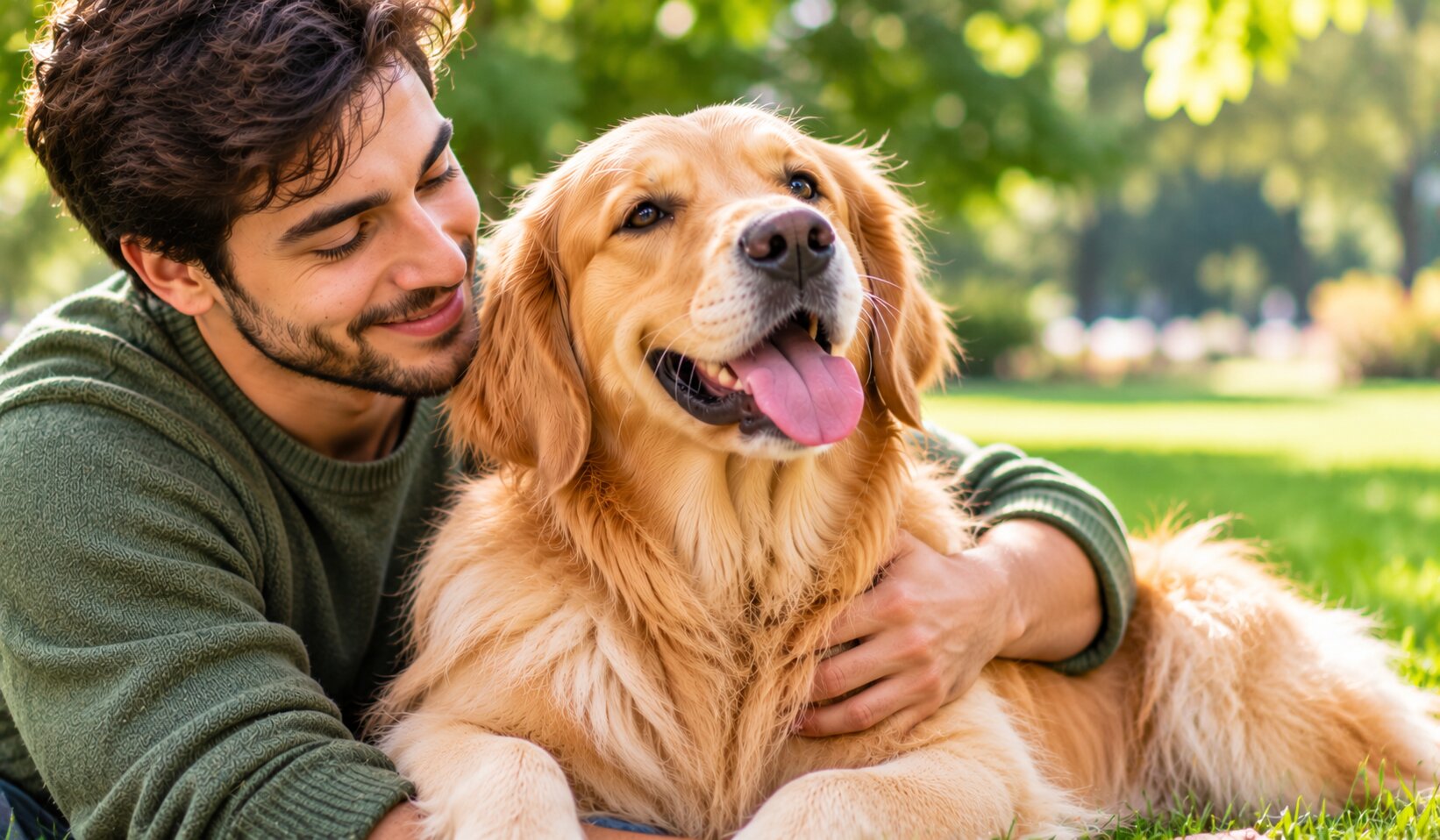
A thoughtful guide to life with a dog
Most guides about keeping a dog as a pet begin with a paragraph about unconditional love. It is true, but it is also the least useful part of the decision. A dog will love you whether or not your life has room for one. The real question is whether your life can give a dog what it needs in return, every day, for the next ten to fifteen years.
This guide is built around that question. It covers why dogs are good for us, what scientific research actually says about their benefits, how to know whether you are ready for one, which breeds might suit different lifestyles, and how to care for a dog properly from the first week onwards.
It also addresses questions people often search for but rarely find answered in one place: whether keeping a dog is permitted in Islam, why a prairie dog or raccoon dog is not a domestic dog, and whether a robot dog can offer companionship when keeping a real animal is not possible.
The short version is simple: owning a dog requires time, money, patience and attention. In return, it can bring measurable health benefits, companionship and a different rhythm to everyday life. The important thing is to make that decision with your eyes open.
Why People Keep a Dog as a Pet (and What the Science Says)
Dogs have lived alongside humans for thousands of years. They are particularly skilled at reading human gestures, following pointing cues and responding to eye contact. These behaviours are not simply signs of affection. Researchers have studied them to better understand the relationship between humans and dogs.
A well-known 2015 study published in Science by Miho Nagasawa and colleagues found that mutual gazing between dogs and their owners was associated with increased oxytocin levels in both. Oxytocin is a hormone involved in social bonding and attachment. The researchers described this interaction as an oxytocin-mediated positive feedback loop, suggesting that the relationship between humans and dogs involves biological processes linked to social attachment.
The longer-term health research is equally interesting. A 2019 systematic review and meta-analysis published in Circulation: Cardiovascular Quality and Outcomes examined data from more than 3.8 million participants across ten studies. It found an association between dog ownership and a lower risk of death from all causes, with particularly notable findings among people who had previously experienced coronary events. The American Heart Association has also published a scientific statement discussing the possible relationship between pet ownership, physical activity and cardiovascular health.
There are two important qualifications. First, these studies show associations rather than proving that owning a dog directly causes better health. Other lifestyle and personal factors may contribute. Second, many of the potential benefits come through everyday behaviour: walking, spending time outdoors, maintaining a routine and meeting other people. A dog that rarely gets outside will not automatically improve its owner's cardiovascular health.
For further reading, see the original research on the oxytocin-gaze relationship and the 2019 dog ownership and survival meta-analysis.

The Benefits Nobody Puts on the Poster
Beyond the research, there are several everyday benefits that dog owners often notice once the excitement of bringing a new pet home has settled.
- A built-in routine. Dogs need regular meals, walks and attention. Even when you have had a difficult night or a busy day, their needs encourage you to maintain a basic routine.
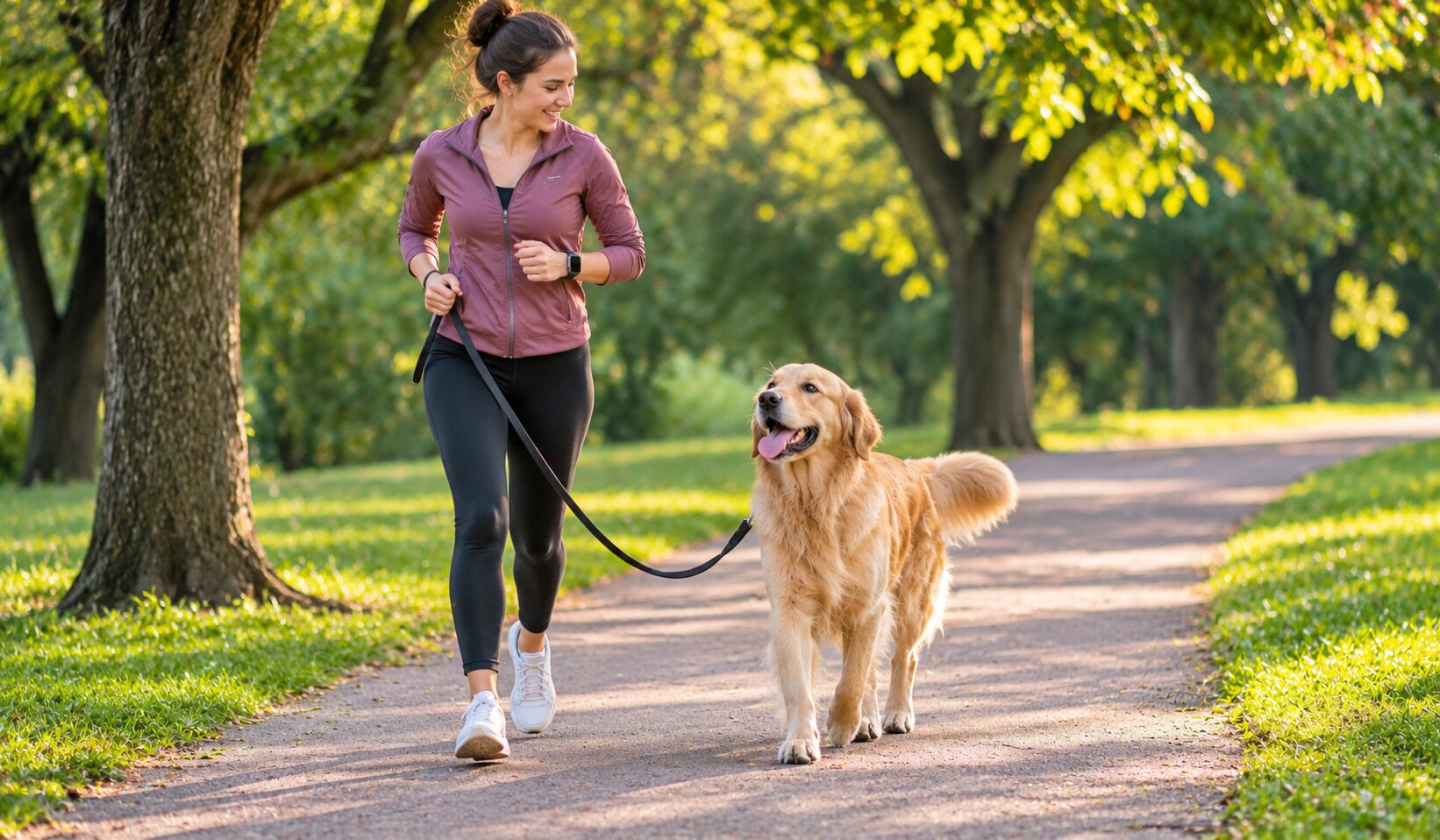
- A reason to get outside. People who work from home or spend much of their day indoors may find that walking a dog gives them a regular reason to leave the house.
- More opportunities to meet people. Dog owners often start conversations with neighbours and other people walking their pets. These small interactions can make a difference, particularly for people who spend a lot of time alone.
- A reminder to slow down. Dogs respond to their surroundings in the moment. Watching them explore, play or simply enjoy a walk can encourage owners to pay more attention to everyday experiences.
These benefits will not be identical for everyone, and a dog should never be treated as a substitute for professional mental or physical healthcare. Still, the companionship and routine can make everyday life more enjoyable.
Is a Dog Right for You? A Five-Question Readiness Check
Many dogs that end up in rescue centres are not there because their previous owners did not care about them. Sometimes, the household simply was not a suitable match for the dog's needs.
Before falling in love with a photograph on an adoption website, take a moment to answer these five questions honestly.
- Can you be reliably present? A healthy adult dog should not routinely be left alone for excessively long periods. If your working day involves ten-hour absences, you need a realistic arrangement, such as a dog walker, daycare or help from another household member.
- Can you afford the ongoing costs? The adoption or purchase fee is only the beginning. Food, vaccinations, parasite prevention, grooming, training, boarding and unexpected veterinary treatment all add up.
- Does your housing allow dogs? Some rental agreements restrict pets or particular breeds. Check your tenancy agreement and obtain written permission where necessary before bringing a dog home.
- Do you have enough time and energy for this particular dog? A young Border Collie has very different exercise and mental stimulation needs from an older Shih Tzu. Choose according to your actual lifestyle rather than the one you imagine having.
- Are you prepared for a commitment of ten to fifteen years or longer? Consider possible changes in employment, housing, relationships and family circumstances. A dog is a long-term responsibility, and the animal is often the one that suffers when an owner has not planned ahead.
If you answered yes to all five questions, that is a promising start. If you hesitated over one or two, it does not necessarily mean you should never have a dog. An adult rescue dog, fostering arrangement or simply waiting until your circumstances improve may be a better starting point.
Cat vs Dog as a Pet: Which Fits Your Life?
The cat vs dog as a pet debate is often presented as a question of personality. In practice, it is more useful to think about your lifestyle.
A dog may suit you if you enjoy spending time outdoors, want an animal that actively seeks your company and are comfortable organising part of your daily schedule around walks, training and social interaction.
A cat may be a better match if you live in a smaller home, work long or irregular hours, or prefer a companion that is generally more independent. Cats still need play, enrichment, veterinary care and regular attention, so describing them as completely low-maintenance would be misleading. However, they do not require daily outdoor walks in the same way dogs do.
Neither animal is automatically the better pet. The right choice is the one whose needs you can realistically meet.
If you are new to cats, it is also worth understanding how they prefer to be handled. Many people instinctively pet a cat in the same way they would pet a dog. Most cats enjoy gentle strokes around the cheeks, chin and base of the ears, while many dislike having their stomach touched. Allow the cat to approach you, pay attention to its body language and stop if it becomes uncomfortable.
The Best Dog as a Pet: How to Choose a Breed (or Skip the Breed Altogether)
People often search for the best dog as a pet as though there is one breed that suits everyone. There isn't. A more useful approach is to consider five practical factors before making a decision.
| Factor | Question to ask |
|---|---|
| Energy | How many active hours can I realistically give every day? |
| Size | Does my home, car and budget suit a small, medium or large dog? |
| Coat | Am I prepared for shedding or regular professional grooming? |
| Temperament | Do I want a highly people-oriented dog or a more independent companion? |
| Health | Does this breed have inherited health problems that could affect its quality of life and veterinary costs? |
Matching Dogs to Different Lifestyles
- First-time owners in flats or apartments: Calmer, adaptable dogs such as Cavalier King Charles Spaniels, Shih Tzus, Bichon Frises and gentle crossbreeds may be suitable. However, some small breeds have specific inherited health risks, so research the individual breed carefully.
- Active households and runners: Labradors, Golden Retrievers, Border Collies and Vizslas can suit active households, provided they receive sufficient daily exercise and mental stimulation. Without appropriate outlets, their energy may appear as destructive behaviour or excessive excitement.
- Families with young children: Temperament, individual history and training matter more than breed alone. Every dog, regardless of size or reputation, should be supervised around young children.
- Allergy-conscious owners: No dog is completely hypoallergenic. Some low-shedding breeds may be more manageable for certain people, but reactions vary. Spend time around the individual dog before making a commitment.
Think Beyond the Breeder
Animal shelters, rescue centres and breed-specific rehoming organisations often have wonderful dogs looking for homes. These include puppies, adults and senior animals.
Adopting an adult dog has one practical advantage: its personality is often more established than that of a young puppy. You may have a clearer idea of its energy level, temperament and behaviour.
If you decide to buy from a breeder, ask to meet the puppy's parents where possible, request relevant health-testing records and find out how the puppies have been raised. Be cautious of anyone who avoids reasonable questions or refuses to provide information about the animals.
In the UK, certain types of dog are restricted under dangerous-dog legislation. In parts of the US and Canada, local laws, housing rules and insurance policies may also impose restrictions. Always check the rules that apply to your location before choosing a breed.
Is Having a Dog as a Pet Haram? A Respectful Look at the Question
This is one of the most frequently searched questions surrounding dog ownership, and it deserves a careful answer rather than a one-line verdict.
For Muslim readers, or anyone considering keeping a dog in a Muslim household, the discussion involves different interpretations of Islamic teachings. This section offers a general overview, not a fatwa. For a personal religious ruling, consult a qualified scholar from the school of thought you follow.
Where Scholars Differ
Classical Islamic jurisprudence does not treat every aspect of dog ownership in exactly the same way. Hadith reports discuss washing a vessel that a dog has licked and describe restrictions on keeping dogs for purposes other than hunting, herding or guarding.
Islamic legal schools interpret these texts differently. The Maliki school is generally understood to regard a living dog as ritually clean, while Shafi'i and Hanbali jurisprudence generally requires a particular purification process following contact with dog saliva.
What Many Contemporary Scholars Say
There is broad acceptance of keeping dogs for practical purposes, including guarding, herding, hunting and certain assistance roles.
Keeping a dog purely for companionship is where interpretations differ more significantly. Some scholars discourage or prohibit it, while others discuss circumstances in which it may be permissible, subject to religious and cleanliness requirements.
Islamic teachings also place considerable emphasis on mercy towards animals. Caring for an animal means providing food, water, shelter and appropriate treatment, and never causing unnecessary suffering.
What This Means in Practice
If your question is whether having a dog as a pet is haram for you, the most responsible answer is that the ruling depends on the scholarly interpretation you follow, the purpose of keeping the dog and your household circumstances.
Speaking with a qualified scholar from your own tradition is the best way to receive guidance that applies to your situation. Whatever your decision, treating animals with kindness and avoiding neglect or abuse remain essential responsibilities.
Not Every "Dog" Is a Dog: Exotic Animals and Robot Companions
Search interest shows considerable curiosity about animals that have the word "dog" in their names but are not ordinary domestic dogs. Before considering one as a pet, it is important to understand the differences.