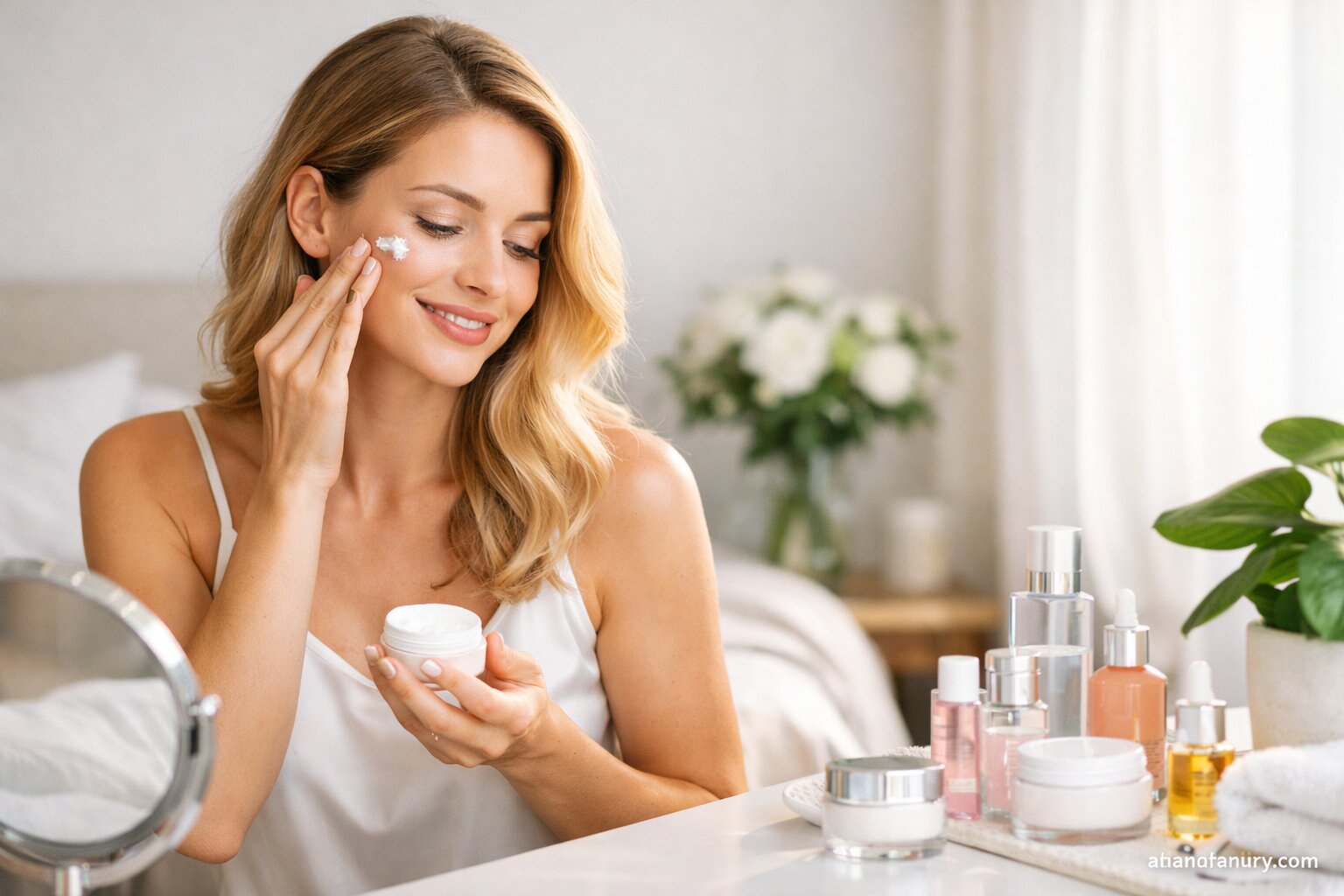
Why More People Are Turning to Simple At-Home Skin Care
In recent years, dermatologists and skin-care specialists have observed a noticeable shift in how people care for their skin. Instead of depending solely on expensive spa treatments or frequent clinic visits, many individuals are discovering that consistent daily habits can create meaningful improvements. A daily skin care routine at home is now being viewed as one of the most reliable ways to maintain healthy, glowing skin.
Growing Awareness Is Changing Skin Care Habits
One major reason behind this shift is growing awareness about skin health. People today understand that skin often responds best to gentle, regular care instead of occasional intensive treatments. Washing the face properly, applying moisturizer, and protecting the skin from the sun can gradually improve texture, hydration, and overall appearance over time.
That understanding has changed the way many people think about beauty. Healthy skin no longer feels like something available only through expensive appointments. For many, it begins in the bathroom mirror each morning and continues again before bed, with small steps that feel manageable and realistic.
Social Media Made Skin Care Feel More Reachable
Social media has also played an important role in spreading this awareness. Platforms like Instagram, TikTok, and YouTube are filled with dermatologists, skin-care experts, and everyday users sharing routines that look simple enough to follow at home. When people see real results from consistent habits, the idea of building a routine starts to feel less intimidating.
For many viewers, the appeal is not just the products themselves. It is the feeling that glowing skin may come from steady care rather than complicated steps. Watching someone cleanse, apply serum, and finish with moisturizer can make the process seem practical, almost calming, instead of overwhelming.
Convenience Fits Better Into Real Life
Another reason more people are embracing home routines is convenience. Busy schedules make regular spa visits difficult, but a few minutes of care in the morning and evening can fit naturally into daily life. That ease matters. Skin care tends to work best when it becomes a habit rather than a rare event.
After applying a gentle cleanser and a hydrating serum, many people notice their skin feels softer and refreshed, almost as if it has absorbed a glass of water. Those small daily moments can become surprisingly rewarding, especially when the mirror begins to reflect smoother, healthier-looking skin over time.
Consistency Is Becoming the Real Luxury
Over time, these small habits build lasting results. Consistency, not complexity, is often the secret behind a daily skin care routine for glowing skin. Instead of chasing dramatic overnight change, more people are learning to trust routines that support the skin gently, day after day.
That may be why simple at-home care continues to grow in popularity. It feels personal, affordable, and sustainable. In a world full of fast promises, the quiet power of a steady skin care ritual is beginning to stand out as the foundation of modern skin wellness.
Understanding the Basics of Healthy Skin

Healthy skin often looks effortless, but behind that smooth and balanced appearance is a complex biological system working constantly to protect the body. The skin is the body’s largest organ, and every day it faces challenges from sunlight, pollution, temperature changes, and even stress. Because of this, maintaining skin health is less about finding a miracle product and more about supporting the skin’s natural functions through consistent care.
Why a Daily Skin Care Routine at Home Supports Healthy Skin
Dermatologists often explain that healthy skin depends on three key elements: protection, hydration, and repair. When these processes work properly, the skin looks calm, balanced, and naturally radiant. When they are disrupted, however, problems such as dryness, irritation, breakouts, and dullness can appear quickly.
This is why a daily skin care routine at home plays such an important role. Simple steps like cleansing, moisturizing, and protecting the skin with sunscreen help the skin maintain its natural balance. Instead of overwhelming the skin with too many products, these basic habits support the skin’s own ability to renew and protect itself.
According to dermatology guidance from the American Academy of Dermatology, gentle cleansing, moisturizing, and sun protection remain the core habits recommended for maintaining healthy skin over time.
Many people expect instant transformation from a new product, but skin rarely works that way. Healthy skin develops slowly through daily care. Just like drinking enough water or eating nutritious food benefits the body gradually, consistent skin care strengthens the skin’s natural defenses.
The Skin Barrier and Why It Matters
At the center of skin health lies something dermatologists often call the skin barrier. This outer layer of the skin works like a protective shield, preventing harmful substances from entering while keeping moisture locked inside. When the barrier is strong, the skin feels comfortable, smooth, and hydrated.
One of the barrier’s most important roles is maintaining hydration. The outer layer of skin contains lipids and natural moisturizing factors that help hold water inside the skin. When this system is functioning properly, the skin looks plump and fresh. After applying a hydrating serum or moisturizer, the skin often feels softer and smoother, almost like it has absorbed a glass of water.
The skin barrier also protects against environmental stress such as pollution, dust, and bacteria. Health organizations like the UK National Health Service (NHS) explain that protecting the skin from environmental damage is essential for maintaining long-term skin health.
However, harsh cleansers, over-exfoliation, and excessive product use can weaken this barrier. When the barrier becomes damaged, the skin may feel tight, dry, or sensitive. Ingredients such as ceramides, hyaluronic acid, and soothing botanical extracts help restore the skin’s natural protective layer.
Why Consistency Matters More Than Expensive Products
Many people believe healthy skin comes from luxury creams or expensive treatments. While high-quality products can certainly help, dermatologists often say the real secret lies in consistency. Skin responds best to regular, gentle care performed day after day.
Healthy skin rarely comes from one miracle product. Instead, it develops gradually through consistent habits. Cleansing the face each morning and evening removes dirt, oil, and pollution that accumulate during the day. Applying moisturizer helps maintain hydration and supports the skin barrier. Sunscreen protects against UV damage that can accelerate aging.
These simple steps may seem small, but over time they create noticeable improvements. When a daily skin care routine for glowing skin becomes part of everyday life, the skin begins to respond in subtle ways. The texture feels smoother, dryness becomes less noticeable, and the complexion often appears brighter and more even.
Occasional treatments such as facials or clinic procedures may offer temporary improvements, but they rarely replace daily care. According to skin-health research summarized by the U.S. National Library of Medicine, consistent skin protection and hydration are key factors in maintaining healthy skin over time.
In many ways, skin care is similar to physical fitness. A single intense workout will not transform the body overnight, but regular exercise gradually builds strength and endurance. Skin works in the same way. Small, daily steps performed patiently over weeks and months often produce the most reliable and lasting results.
Key Habits That Support Healthy Skin
- Cleanse gently twice a day to remove dirt and pollution.
- Use moisturizer to support the skin barrier and maintain hydration.
- Apply sunscreen daily to protect against UV damage.
- Avoid harsh exfoliation that may weaken the skin barrier.
- Stay consistent with your routine for long-term results.
The Morning Skin Care Routine Experts Recommend

Dermatologists often describe the morning routine as the skin’s daily shield. While the night routine focuses on repair and recovery, morning care is designed to protect the skin and maintain hydration throughout the day. From pollution and sun exposure to stress and dry air, the skin faces several challenges once the day begins. A thoughtful routine prepares the skin to handle these factors more effectively.
A well-balanced morning routine does not need to be complicated. In fact, most experts recommend only a few essential steps performed consistently. Cleansing removes overnight buildup, targeted serums support skin health, moisturizers strengthen the barrier, and sunscreen protects against harmful ultraviolet rays.
When practiced regularly, a daily skin care routine at home can help the skin feel comfortable, hydrated, and naturally radiant throughout the day.
Gentle Cleansing to Start the Day
The first step of any morning routine is gentle cleansing. During sleep, the skin continues producing oil and naturally sheds dead skin cells. Sweat, bacteria, and traces of nighttime skincare products can also remain on the surface of the skin.
A mild cleanser helps remove these impurities without stripping the skin of its natural moisture. After washing the face with lukewarm water and a gentle cleanser, the skin often feels refreshed and balanced rather than tight or dry.
This step also prepares the skin to absorb the products that follow. Clean skin allows serums and moisturizers to spread evenly and work more effectively.
Using Brightening Serums for Radiant Skin
One of the most popular morning steps today involves using brightening serums. These lightweight formulas are designed to target dullness, uneven tone, and tired-looking skin.
Vitamin C is one of the most widely recommended ingredients in brightening serums. It acts as an antioxidant that helps protect the skin from environmental stress while supporting a brighter complexion. When applied regularly, vitamin C can gradually improve skin clarity and reduce the appearance of uneven pigmentation.
Another helpful ingredient is niacinamide. This vitamin B3 derivative is known for calming redness, supporting the skin barrier, and helping refine the look of pores. Many people find that after applying a brightening serum, the skin appears smoother and more refreshed, almost as if the complexion has woken up along with them.
Readers who want product-focused guidance can also explore best brightening serums that actually work for formulas designed to support glow and even-looking skin.
Eye Serums for Dark Circles and Puffiness
The delicate skin around the eyes is often the first area to show signs of fatigue. Lack of sleep, dehydration, and daily stress can make the eye area look darker or puffier than usual. This is where eye serums for dark circles can play a helpful role.
Eye serums are typically lightweight and designed to deliver hydration without feeling heavy. Ingredients such as hyaluronic acid help draw moisture into the skin, while caffeine-based formulas can reduce the appearance of puffiness.
After gently tapping a small amount of serum around the eyes, many people notice the area feels smoother and more refreshed. With regular use, the under-eye region can look brighter and less tired, helping the overall face appear more awake.
For more targeted options, see best eye creams for dark circles to compare formulas that support tired-looking under-eyes.
Using Face Moisturizers to Protect the Skin Barrier
Hydration is one of the most important parts of a morning routine, which is why using face moisturizers is considered essential by skin care professionals.
Moisturizers help maintain the skin’s natural moisture balance and support the protective barrier that keeps irritants out and hydration in. When the skin barrier is properly supported, the skin feels more comfortable and resilient throughout the day.
After applying moisturizer, the skin often feels soft and smooth, with a subtle glow that makes makeup easier to apply. Even people with oily skin benefit from moisturizing, because hydrated skin tends to regulate oil production more effectively.
For readers comparing textures and finishes, browse best face moisturizers for women to use for everyday barrier-supporting options.
Mineral Sunscreens for Face Protection
No morning routine is complete without sun protection. Dermatologists consistently emphasize that mineral sunscreens for face are one of the most important steps in maintaining healthy skin.
Ultraviolet (UV) rays from the sun are one of the leading causes of premature aging, dark spots, and long-term skin damage. Even on cloudy days, UV radiation can still reach the skin.
Mineral sunscreens typically use ingredients such as zinc oxide or titanium dioxide to form a protective barrier that reflects UV rays away from the skin. These formulas are often recommended for sensitive skin because they sit gently on the surface rather than being absorbed.
Applying sunscreen each morning helps preserve the results of all other skincare steps. Over time, consistent sun protection supports smoother texture, more even tone, and healthier-looking skin overall.
To explore protective options for daily wear, visit best mineral sunscreens for face for formulas suited to different skin needs.
Morning Routine Essentials at a Glance
- Start with a gentle cleanser to remove overnight buildup.
- Apply a brightening serum to support clarity and radiance.
- Use an eye serum to refresh the delicate under-eye area.
- Seal in hydration with a barrier-supporting moisturizer.
- Finish with sunscreen every morning, even on cloudy days.
Night Skin Care Routines That Support Skin Repair

Nighttime is when the skin quietly begins its most important work. After a long day of sun exposure, pollution, and environmental stress, the body shifts into repair mode while we sleep. Dermatologists often explain that skin cells regenerate faster at night, which is why evening skin care routines focus on recovery, nourishment, and deep hydration.
During sleep, blood flow to the skin increases and the body produces new collagen while repairing microscopic damage caused during the day. A thoughtful evening routine helps support this natural process. Instead of defending the skin from the outside world, nighttime products focus on restoring balance and strengthening the skin barrier.
Many people notice that their skin looks calmer and smoother in the morning when they follow a consistent night routine. Gentle cleansing, targeted serums, and nourishing creams allow the skin to rest and rebuild overnight.
Cleansing the Skin Properly
The first step of an evening routine is removing everything the skin has collected throughout the day. Makeup, sunscreen, pollution particles, and excess oil can settle deep into the pores, and simple washing may not always remove them completely.
This is why many skin care professionals recommend double cleansing. The process usually begins with an oil-based cleanser that dissolves makeup, sunscreen, and excess sebum. Oil cleansers work surprisingly well because they bind to oily impurities, lifting them away from the skin without harsh scrubbing.
The second step involves a gentle water-based cleanser. This helps remove remaining dirt, sweat, and residue. After double cleansing, the skin often feels clean and refreshed, but not dry or stripped. Proper cleansing prepares the skin to absorb the treatments applied afterward.
Bakuchiol Serums for Sensitive Skin
For people with sensitive skin, powerful ingredients like retinol can sometimes cause irritation, dryness, or redness. This is why bakuchiol serums for sensitive skin have gained attention in recent years.
Bakuchiol is a plant-derived ingredient often described as a gentle alternative to retinol. It supports skin renewal and helps improve texture without causing the same level of irritation that some retinoids produce.
When applied regularly, bakuchiol can help the skin appear smoother and more even over time. After applying a lightweight serum, many people notice their skin feels calm and hydrated rather than tight or irritated. This makes bakuchiol especially appealing for those who want the benefits of skin renewal without harsh side effects.
Readers looking for more targeted product suggestions can explore best bakuchiol serums for sensitive skin for formulas designed to support gentle overnight renewal.
Anti-Aging Creams and Collagen Support
As the skin ages, collagen production gradually slows down. This natural change can lead to fine lines, reduced elasticity, and a slightly thinner appearance of the skin. Nighttime is often the best moment to apply best anti-aging creams, because the skin is already in repair mode.
Anti-aging creams typically contain ingredients that support hydration and encourage collagen activity. Peptides, antioxidants, and nourishing lipids help improve skin texture and maintain firmness over time.
After applying a rich cream at night, the skin often feels deeply moisturized and comfortable. By morning, many people notice that the skin appears smoother and more rested. While no product can stop aging completely, consistent care helps maintain elasticity and reduce the visible appearance of wrinkles.
For readers comparing formulas aimed at smoother-looking skin, visit best anti-aging creams that smooth wrinkles to see options suited for overnight care.
Moisturizers for Itchy or Dry Skin
Dry or irritated skin often becomes more noticeable at night, especially after a long day of exposure to environmental stress. This is where moisturizers for itchy skin can provide relief and comfort.
Soothing ingredients such as ceramides, oatmeal extracts, aloe vera, and hyaluronic acid help calm irritation while restoring hydration. These ingredients support the skin barrier and reduce the uncomfortable tightness that dryness can cause.
After applying a nourishing moisturizer, the skin often feels softer and more relaxed, almost like it has been wrapped in a protective layer of comfort. Overnight, these ingredients continue working to replenish moisture and repair the skin barrier.
By morning, well-moisturized skin typically looks calmer and more balanced, making it easier to maintain a healthy and comfortable complexion.
Readers who want barrier-friendly options for dryness and irritation can browse best moisturizers for itchy skin for irritation for formulas that focus on comfort and overnight hydration.
Night Routine Essentials at a Glance
- Remove makeup, sunscreen, and daily buildup thoroughly before bed.
- Use gentle treatment serums that support renewal without overwhelming the skin.
- Choose nourishing creams that help support collagen and overnight recovery.
- Apply a barrier-friendly moisturizer to reduce dryness and irritation.
- Stay consistent so the skin has time to repair and rebalance overnight.
Weekly Skin Care Treatments That Boost Glow

Daily routines keep the skin balanced, but weekly treatments often provide the extra boost that makes the complexion look noticeably brighter. Dermatologists frequently recommend adding one or two targeted treatments each week to support hydration, clarity, and gentle renewal.
These treatments work a little deeper than everyday products. While a cleanser and moisturizer maintain the skin’s basic health, masks and concentrated treatments can address specific concerns such as dullness, uneven tone, or dehydration.
Many people enjoy weekly skin care as a relaxing ritual. Taking twenty minutes in the evening to apply a mask or nourishing treatment can feel like a small reset after a busy week. Over time, these habits can help the skin appear smoother, fresher, and naturally luminous.
Face Masks for Glowing Skin
Among the most popular weekly treatments are face masks for glowing skin. Masks deliver concentrated ingredients that help refresh the skin and restore its natural brightness.
Clay masks are commonly used to absorb excess oil and remove impurities from the pores. Dermatology sources explain that clay-based masks can help draw out oil and pollutants from the skin while gently cleansing clogged pores. :contentReference[oaicite:1]{index=1}
Sheet masks offer a different experience. These thin fabric masks are soaked in hydrating serums that gently infuse the skin with moisture and nutrients. When removed, the skin often looks plumper and more refreshed with a soft glow.
Readers interested in product comparisons can explore best face masks for glowing skin for popular options designed to support brightness and hydration.
Korean Serums for Glowing Skin
In recent years, korean serums for glowing skin have gained global popularity. Korean skincare often focuses on hydration and gentle ingredients that help build long-term skin health rather than delivering harsh or aggressive treatments.
Ingredients such as snail mucin, fermented extracts, and hyaluronic acid are commonly used to support moisture and improve texture. These ingredients work gradually, helping the skin look smoother and more luminous over time.
People often notice that after applying a lightweight Korean serum, the skin feels soft and supple rather than heavy or greasy. The formulas are typically designed to absorb quickly, leaving the skin refreshed and hydrated.
For curated product recommendations, readers can visit best Korean serums for glowing skin .
Glutathione Creams for Brighter Skin
Another treatment gaining attention in skincare routines is glutathione creams for brighter skin. Glutathione is a naturally occurring antioxidant that helps protect skin cells from oxidative stress caused by environmental exposure.
Pollution, sunlight, and daily stress can contribute to uneven tone and dullness. Antioxidant-focused creams help counter these effects by supporting the skin’s natural protective systems.
When used consistently, glutathione-based formulas may help the complexion appear clearer and more radiant. After applying a nourishing cream in the evening, many people notice their skin feels calm and hydrated, with a subtle brightness that develops gradually rather than overnight.
Readers looking for options can browse best glutathione creams for brighter skin to explore formulations designed for weekly treatments and antioxidant support.
Used alongside a daily skin care routine at home, weekly treatments like masks and antioxidant creams help maintain a healthy glow while supporting the skin’s natural renewal process.
How Skin Care Routines Differ for Different Skin Types

Skin care is not a one-size-fits-all process. What works beautifully for one person may feel uncomfortable or ineffective for someone else. This is because every person’s skin behaves differently. Some skin types naturally produce more oil, while others struggle to retain moisture. Some react quickly to new ingredients, while others tolerate a wide range of products without irritation.
Understanding your skin type is one of the most important steps in building a successful routine. When the routine matches the skin’s natural needs, the results often feel more balanced and comfortable. Instead of fighting against the skin, the goal becomes supporting its natural rhythm.
A thoughtful daily skin care routine at home often begins with identifying whether the skin is dry, oily, sensitive, or combination. Each type benefits from slightly different ingredients and product textures, but the overall goal remains the same: maintaining hydration, protecting the skin barrier, and encouraging healthy renewal.
Routine for Dry Skin
Dry skin often feels tight, especially after cleansing. In colder weather or air-conditioned environments, it may appear flaky or dull. This happens when the skin struggles to retain enough moisture.
A routine for dry skin should focus heavily on hydration and barrier support. Gentle cleansers that do not strip the skin are essential. Harsh soaps can remove natural oils that the skin already lacks.
Hydrating serums containing ingredients such as hyaluronic acid or glycerin help draw moisture into the skin. After applying a hydrating product, the skin often feels softer and smoother, almost like it has absorbed a refreshing drink of water.
Moisturizers with ceramides, natural oils, or shea butter help seal that hydration inside the skin. With consistent care, dry skin can gradually look more comfortable, plump, and luminous.
Routine for Oily Skin
Oily skin produces more sebum than other skin types. While this natural oil can help keep the skin soft, excessive production may lead to clogged pores, shine, and occasional breakouts.
The key to caring for oily skin is balance rather than removing oil completely. Over-cleansing can actually cause the skin to produce even more oil to compensate.
A gentle cleanser used twice daily helps remove excess oil and impurities without irritating the skin. Lightweight serums and gel-based moisturizers are often preferred because they hydrate the skin without leaving a heavy layer.
Niacinamide is a popular ingredient for oily skin because it helps regulate oil production while calming the skin. When used consistently, it can make the skin feel smoother and less shiny throughout the day.
Routine for Sensitive Skin
Sensitive skin tends to react quickly to environmental changes or new products. Redness, itching, or irritation can appear when the skin barrier becomes overwhelmed.
Because of this, routines for sensitive skin should focus on simplicity and soothing ingredients. Fragrance-free cleansers and minimal product layering often work best.
Ingredients such as aloe vera, oatmeal extracts, and ceramides help calm the skin and restore the protective barrier. After applying a gentle soothing serum or moisturizer, the skin often feels calmer and more comfortable, almost as if a layer of protection has been placed over it.
Patch testing new products is also helpful for sensitive skin. Introducing one new product at a time allows the skin to adjust gradually.
Routine for Combination Skin
Combination skin includes areas that are oily and areas that are dry at the same time. Typically, the forehead, nose, and chin, known as the T-zone, produce more oil, while the cheeks may feel normal or slightly dry.
This skin type benefits from a balanced approach. Gentle cleansing removes excess oil from the T-zone while maintaining moisture in other areas of the face.
Lightweight hydrating serums can help maintain overall moisture levels without making oily areas feel heavy. Many people with combination skin prefer gel-cream moisturizers that hydrate while still feeling light on the skin.
Sometimes different products are used in different areas. For example, a clay mask may be applied to the T-zone, while a hydrating mask is used on the cheeks. Over time, this tailored approach helps the skin feel balanced, refreshed, and naturally healthy.
Skin Type Routine Essentials at a Glance
- Choose product textures that match how your skin feels during the day.
- Focus on barrier support regardless of skin type.
- Avoid overloading the skin with too many new products at once.
- Adjust routines gently as weather, stress, and environment change.
- Stay consistent so the skin has time to respond and rebalance.
Common Skin Care Mistakes That Experts Warn Against
Many people unintentionally damage their skin by trying too many products at once. The skincare industry constantly introduces new ingredients, trending routines, and viral products, which can make it tempting to experiment frequently. However, dermatologists often point out that skin health improves through consistency and balance, not constant change.
When the skin is overwhelmed with too many steps or strong ingredients, it can react with irritation, dryness, or breakouts. Even products that are considered beneficial may cause problems if they are used incorrectly or too aggressively.
Understanding common skincare mistakes can help people protect their skin barrier and build a routine that truly supports long-term skin health.
Skipping Sunscreen
One of the most common mistakes is skipping sunscreen. Many people apply serums, moisturizers, and treatments carefully but forget that daily sun protection is essential.
Ultraviolet (UV) rays are one of the primary causes of premature skin aging, dark spots, and uneven skin tone. Even on cloudy days, UV radiation can reach the skin and gradually cause damage. Without sunscreen, the benefits of other skincare products can easily be undone.
Dermatologists consistently recommend applying sunscreen every morning as the final step of a skincare routine. Over time, this habit helps preserve smoother texture and a more even complexion.
Over-Exfoliating the Skin
Exfoliation helps remove dead skin cells and can improve skin brightness. However, using exfoliating products too often can weaken the skin barrier.
When the skin barrier becomes compromised, the skin may feel tight, sensitive, or irritated. Some people notice redness or increased breakouts after over-exfoliating.
Gentle exfoliation once or twice a week is usually enough for most skin types. After proper exfoliation, the skin often feels smoother and refreshed, but it should never feel raw or uncomfortable.
Mixing Too Many Active Ingredients
Active ingredients such as retinol, acids, and vitamin C can deliver impressive results when used correctly. But combining too many powerful ingredients in one routine may overwhelm the skin.
For example, layering strong exfoliating acids with retinol or other treatments can lead to irritation. Instead of improving the skin, the mixture can cause dryness and sensitivity.
Dermatologists usually recommend introducing one active ingredient at a time. This approach allows the skin to adjust gradually and helps people understand which products truly benefit their skin.
Changing Products Too Frequently
Another common mistake is switching products too quickly. Many skincare products require several weeks before visible improvements appear.
When people stop using a product after only a few days, the skin rarely has enough time to respond. Constantly changing routines can also confuse the skin, making it harder to identify what actually works.
Healthy skin usually develops through patience and consistency. When a simple routine is followed regularly, the skin gradually becomes more balanced, comfortable, and resilient over time.
How to Avoid These Mistakes
- Keep the routine simple and give products enough time to work.
- Use sunscreen every morning, even when the weather looks cloudy.
- Exfoliate gently and avoid turning it into a daily habit unless advised otherwise.
- Add only one strong active at a time so the skin can adjust gradually.
- Focus on consistency, not constant product switching.
Lifestyle Habits That Improve Skin Naturally
Skin care does not begin and end with creams or serums. Dermatologists often explain that the condition of the skin reflects what is happening inside the body. Daily habits such as sleep, hydration, nutrition, and stress levels can influence how the skin looks and feels.
Sleep plays a major role in skin recovery. During deep sleep, the body increases blood flow to the skin and begins repairing damage from environmental exposure. When someone sleeps well, the skin often looks calmer and more refreshed the next morning. Poor sleep, however, may leave the complexion looking dull or tired.
Hydration is another important factor. Drinking enough water helps support the skin’s natural moisture balance. According to guidance from the American Academy of Dermatology, healthy hydration and gentle daily care both contribute to maintaining resilient skin over time.
Nutrition also influences the skin’s appearance. Foods rich in antioxidants, healthy fats, and vitamins help support skin repair and protection. Fruits, vegetables, nuts, and omega-3 rich foods provide nutrients that contribute to smoother and more resilient skin.
Stress reduction can also make a visible difference. High stress levels may increase inflammation in the body, which sometimes appears as breakouts or irritation. Activities such as walking, meditation, or relaxation routines help restore balance for both the mind and the skin.
When these lifestyle habits work together with a consistent daily skin care routine at home, the skin often responds more positively and maintains a healthier appearance over time.
How Long It Usually Takes to See Skin Improvements
One of the most common questions people ask about skincare is how quickly results will appear. In reality, skin improvements rarely happen overnight. Because the skin renews itself gradually, visible changes often require patience and consistent care.
Hydration improvements may appear relatively quickly. When the skin receives proper moisture through serums or moisturizers, it can begin to feel softer within a few days. Fine lines caused by dehydration may appear less noticeable once the skin becomes properly hydrated.
Brightening treatments typically require more time. Ingredients designed to improve dullness or uneven tone often need several weeks of consistent use before visible changes appear. As new skin cells gradually replace older ones, the complexion may begin to look clearer and more even.
Anti-aging results usually take the longest to develop. Dermatology research discussed by the U.S. National Library of Medicine notes that collagen-supporting ingredients often require months of consistent use before improvements in texture or elasticity become noticeable.
Understanding these timelines helps set realistic expectations. Skin responds best to gentle, steady care rather than quick fixes.
Why Dermatologists Emphasize Consistency Over Complexity
With so many skincare products available today, routines can easily become complicated. Some people attempt long multi-step routines filled with numerous serums, treatments, and exfoliants. While these routines may look impressive online, dermatologists often stress that simplicity and consistency usually produce better results.
A basic routine built around cleansing, moisturizing, and sun protection often provides the strongest foundation for healthy skin. When these steps are practiced daily, they help maintain the skin barrier and protect against environmental damage.
Complex routines sometimes introduce too many active ingredients at once, which may irritate the skin instead of helping it. In contrast, a simple routine allows the skin to remain balanced and adapt gradually to beneficial ingredients.
Healthy skin rarely comes from one dramatic change. Instead, it develops slowly through repeated daily care. Over weeks and months, consistent habits begin to show visible improvements in hydration, texture, and overall appearance.
For this reason, dermatologists often remind patients that the most effective skincare routine is not necessarily the most complicated one. The routine that works best is usually the one that can be followed consistently for the long term.
Key Takeaways for Healthier Skin
- Healthy lifestyle habits support the skin just as much as topical skincare products.
- Hydration, nutrition, and quality sleep help maintain balanced skin.
- Visible skincare improvements often require weeks or months of consistent care.
- A simple routine performed regularly usually works better than complex routines.
Final Thoughts: Small Daily Habits That Transform Skin
Glowing skin often appears effortless from the outside, but in reality it usually reflects small habits practiced quietly day after day. The people who maintain healthy, radiant skin rarely rely on a single miracle product. Instead, they follow a simple routine that gently supports the skin over time.
Cleansing the face, applying a nourishing serum, moisturizing the skin, and protecting it from the sun may seem like small steps. Yet when these actions become part of a daily skin care routine for glowing skin, their effects gradually begin to appear. The skin feels softer, looks more balanced, and often develops a natural glow that no quick treatment can replicate.
Consistency plays a powerful role in this transformation. Skin renews itself slowly, which means visible improvements often come from patience rather than dramatic changes. When the skin receives gentle care every day, it becomes better able to protect itself, maintain hydration, and recover from environmental stress.
Over time, these quiet routines build lasting results. What begins as a simple habit eventually becomes the foundation of healthier, brighter skin that reflects consistent care and attention.
Closing Takeaway
- Healthy skin usually comes from consistency, not complexity.
- Gentle daily habits often produce the most reliable long-term results.
- Hydration, protection, and patience remain the core of effective skin care.
- A simple routine followed every day can gradually transform how skin looks and feels.
Frequently Asked Questions About Daily Skin Care
These frequently asked questions bring together the most common concerns people have about building a practical routine, protecting the skin barrier, and maintaining healthy skin through simple daily habits.
1. What is the most important step in a daily skin care routine?
Dermatologists often say the most important steps are cleansing, moisturizing, and sunscreen. Cleansing removes dirt and oil, moisturizer supports the skin barrier, and sunscreen protects against UV damage. When these three steps are followed consistently, the skin usually stays healthier and more balanced.
2. How many steps should a daily skin care routine have?
A routine does not need to be complicated. Most experts recommend three to five basic steps: cleanser, serum if needed, moisturizer, and sunscreen during the day. A simple routine followed consistently often works better than a complicated routine used occasionally.
3. How long does it take to see results from a skin care routine?
Results depend on the goal. Hydration improvements may appear within a few days. Brightening and skin tone improvements usually take several weeks. Anti-aging benefits, such as smoother texture and improved elasticity, may take a few months of regular care.
4. Can a daily skin care routine improve dull skin?
Yes. Regular cleansing, gentle exfoliation, hydration, and sun protection can gradually improve dullness. Over time, a consistent daily skin care routine for glowing skin helps the complexion appear clearer, smoother, and more radiant.
5. Do expensive skin care products work better?
Not always. Many affordable products contain effective ingredients such as hyaluronic acid, niacinamide, and ceramides. Healthy skin often depends more on consistent use of suitable products than on their price.
6. Is sunscreen necessary even on cloudy days?
Yes. Ultraviolet rays can pass through clouds and still reach the skin. Daily sunscreen helps protect the skin from premature aging, dark spots, and long-term damage.
7. How often should face masks be used?
Face masks are typically used once or twice a week depending on skin type. Hydrating masks can add moisture, while clay masks help remove excess oil and impurities.
8. What ingredients are good for brightening skin?
Ingredients such as vitamin C, niacinamide, and certain antioxidants help improve the appearance of uneven skin tone. When used regularly, these ingredients may support a brighter and more even complexion.
9. Can lifestyle habits affect skin health?
Yes. Sleep, hydration, nutrition, and stress levels all influence the skin. When the body is well rested and properly nourished, the skin often looks healthier and more refreshed.
10. Should skin care routines change with age?
Yes, routines often evolve over time. Younger skin may focus more on prevention and hydration, while mature skin may benefit from ingredients that support collagen and elasticity. Adjusting routines to the skin’s changing needs helps maintain long-term skin health.
FAQ Takeaway
- A daily routine works best when it stays simple, gentle, and consistent.
- Sunscreen, hydration, and barrier support remain the core of healthy skin care.
- Visible results usually take time, so patience matters as much as product choice.
- One clean FAQ schema block helps keep this section leaner for search indexing.